
Essential Oils for Cold Sores: Which Work and How to Use Them Safely
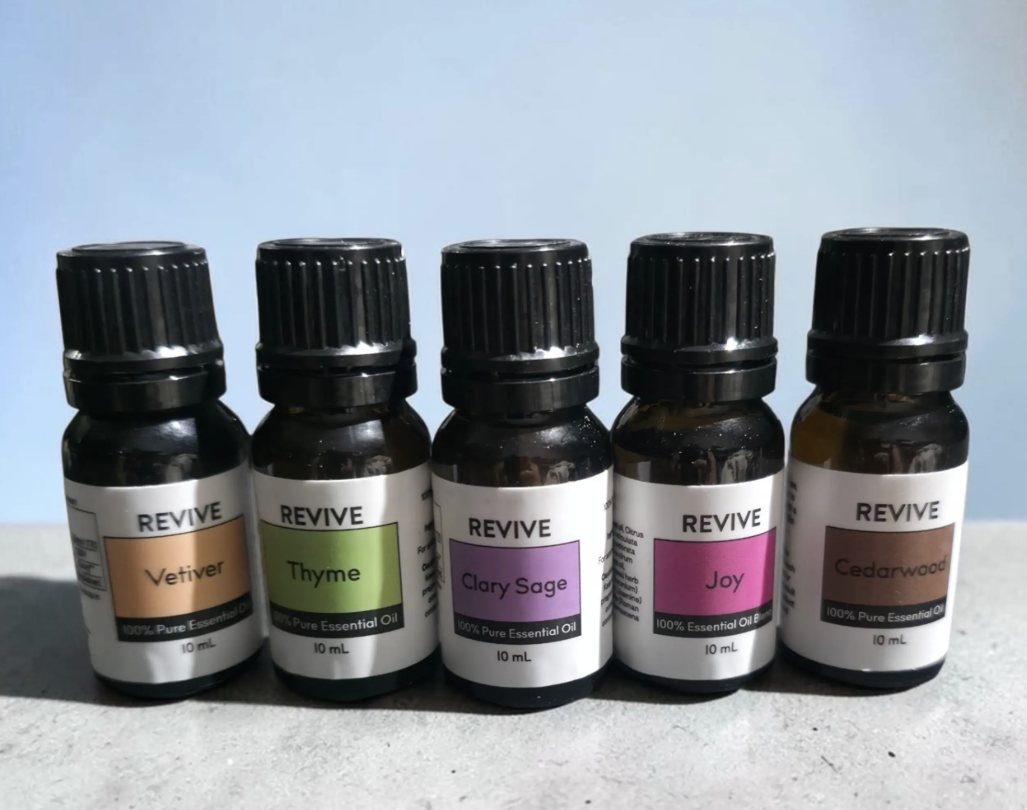
The best essential oils for cold sores are tea tree, lemon balm (melissa), peppermint and oregano, used diluted and started at the first tingle. In the lab, tea tree oil stopped both herpes types from multiplying at very low concentrations, lemon balm oil blocked herpes from forming new infections, and peppermint oil inactivated both herpes types on contact. The honest catch is that most of this research is from the lab, not from cold sores on real lips, and undiluted oils can burn the skin. So always mix one drop into a teaspoon of carrier oil or ointment, dab it on with a cotton bud several times a day, and keep oils away from your eyes, babies and the inside of your mouth. For other natural options with stronger research in people, like propolis and honey, see our guides to cold sores, herpes on lips and the strongest natural antiviral for herpes.
The short version
- Best oils: tea tree, lemon balm (melissa), peppermint, oregano. Also thyme, clove and eucalyptus.
- Always dilute: about 1 drop of essential oil in 1 teaspoon (5 ml) of carrier oil or balm.
- Start at the first tingle and apply 3 to 4 times a day with a clean cotton bud.
- Patch test first on your inner arm, and stop if it burns.
- Don’t use on babies, near the eyes, inside the mouth, or during pregnancy without advice.
Do Essential Oils Work on Cold Sores?
A cold sore is herpes on the lips, and many essential oils are strongly antiviral against the herpes virus in the lab. Researchers found that thyme, ginger, chamomile and hyssop oils reduced the herpes virus by more than 90%, and mint family extracts cut herpes infection by more than 90% in lab tests. Most oils seem to work best by stopping the virus before it enters skin cells, which is why timing matters: they’re most useful at the tingle stage, when the virus is on its way to the surface.
What’s still missing is large trials on real cold sores. So I see essential oils as a useful helper, especially inside a good ointment, rather than a replacement for the remedies with the strongest human evidence. In fact, my own go to is a beeswax ointment that already contains oregano, clary sage and mastic oil, which gives you the oils in a safe, ready diluted form.
The Best Essential Oils for Cold Sores
1. Tea tree oil
Tea tree oil is the most studied essential oil for cold sores. In the lab, it inhibited both HSV-1 and HSV-2 at tiny concentrations, and eucalyptus oil did the same at slightly higher ones. A small trial tested a 6% tea tree oil gel on recurrent cold sores, and the cold sores healed a little faster than with a placebo gel, although the group was too small to be sure. Tea tree is one of the gentler oils, but it still needs diluting.
Tea tree oil I trust
Revive Tea Tree is a pure, food grade essential oil. Mix one drop into a teaspoon of carrier oil or your lip balm and dab it on at the first tingle.
This is an affiliate link. If you buy through it, Home Remedy Shop may earn a small commission at no extra cost to you. Always dilute before use.
2. Lemon balm (melissa) oil
Lemon balm is the herb with the best track record for cold sores. Its essential oil, sold as melissa oil, strongly inhibited both herpes types in the lab, mainly by stopping the virus before it could infect cells. A lemon balm extract also blocked herpes from attaching to cells. And in a double blind trial on real cold sores, a lemon balm cream eased symptoms within two days. Melissa oil is precious and gentle, which makes it one of the best choices for the lips.
Melissa, the lemon balm oil
Revive Melissa is a food grade oil steam distilled from lemon balm leaves. A single drop, mixed into a teaspoon of carrier oil, is enough for several applications on a cold sore.
This is an affiliate link. If you buy through it, Home Remedy Shop may earn a small commission at no extra cost to you. Always dilute before use.
3. Peppermint oil
Peppermint oil inactivated both herpes types on direct contact in the lab. It also cools and numbs, which makes a painful cold sore feel better. Use it well diluted, as the menthol can sting broken skin.
4. Oregano oil
Oregano is one of the strongest essential oils, rich in carvacrol. In the lab, Mexican oregano oil and carvacrol were active against herpes simplex. It’s also very hot on the skin, so it needs extra dilution: one drop in a tablespoon (15 ml) of carrier oil. This is exactly why I like it in a ready made ointment. I use a beeswax ointment with oregano at the very first tingle, and in my experience the cold sore is usually gone within about two days.
Oregano, already diluted for you
The Aromafisis beeswax ointment with oregano is handmade from olive oil, beeswax, oregano oil, clary sage and mastic oil, with no preservatives. It’s what I use myself on every outbreak.
Not an affiliate link. I recommend it because I use it myself. Comfort care, not a cure.
5. Thyme oil
Thyme oil was one of the oils that reduced the genital herpes virus by more than 90% in the lab. Like oregano, it’s strong and warming, so dilute it well.
6. Clove oil
Clove oil is rich in eugenol, and clove extracts showed anti herpes activity in lab studies. It’s also mildly numbing. It’s a strong oil, so use a low dilution and never put it on broken skin neat.
7. Eucalyptus oil
Eucalyptus oil inhibited both herpes types in the lab, though at higher concentrations than tea tree. It’s refreshing and helps when a cold sore comes with a cold.
8. Lavender oil
Lavender has less antiviral research against herpes, but it’s calming and gentle on the skin. It’s a nice addition to a blend, and a drop on your pillow can help you relax, which matters because stress is one of the biggest outbreak triggers.
Peppermint, oregano, thyme, clove and lavender
Revive sells each of these as pure, food grade single oils, so you know exactly what goes on your lip. Start with one antiviral oil, like tea tree or melissa, and one carrier.
This is an affiliate link. If you buy through it, Home Remedy Shop may earn a small commission at no extra cost to you. Always dilute before use.
How to Use Essential Oils on a Cold Sore
How to dilute
| Oil | How much |
|---|---|
| Tea tree, melissa, lavender, eucalyptus | 1 drop in 1 teaspoon (5 ml) carrier oil |
| Peppermint | 1 drop in 2 teaspoons (10 ml) carrier oil |
| Oregano, thyme, clove | 1 drop in 1 tablespoon (15 ml) carrier oil |
Good carrier oils are fractionated coconut oil, sweet almond oil, jojoba or olive oil. You can also stir the oil into a plain beeswax lip balm. Coconut oil on its own is soothing, but it has little antiviral research behind it, so see it as the base rather than the treatment.
How to apply
- Patch test the mix on your inner arm and wait 24 hours the first time.
- Wash your hands and use a clean cotton bud each time, so you don’t spread the virus.
- Dab it on at the first tingle, three to four times a day.
- Keep going until the skin has fully healed.
- Throw away the cotton bud and don’t double dip into your blend.
A simple cold sore blend
In a small clean bottle, mix 2 teaspoons (10 ml) of fractionated coconut oil with 1 drop of tea tree and 1 drop of melissa. Shake, dab on with a cotton bud at the first tingle and store in a cool, dark place. Make a fresh blend for each outbreak.
Safety First
- Never use undiluted oils on the lips or broken skin. They can burn and make the sore worse.
- Not for babies or young children. Read our guide on cold sores in babies and newborns instead.
- Pregnancy and breastfeeding: ask your midwife or doctor first.
- Keep oils away from the eyes and don’t swallow them.
- Not for inside the mouth. A sore inside the mouth is more likely a canker sore. Here’s how to tell a cold sore or a canker sore apart.
- Not for genital skin unless heavily diluted and recommended by a professional. See genital herpes outbreak treatment at home for gentler options.
- Stop if it burns, itches or turns red, and rinse with a plain carrier oil.
Combine Oils With the Basics
Essential oils work best as part of the bigger picture. Protect your lips from the sun, since sunscreen prevented every sunlight triggered cold sore in a trial. Keep your immune system strong with protein, fruit, vegetables and sleep. For everything that helps shorten and prevent cold sores, see how long a herpes outbreak lasts, how to avoid a herpes outbreak, herpes outbreak stages and cold sore remedies over the counter. For the full overview, see our guide to natural herpes remedies.
When to See a Doctor
- A cold sore near the eye, or a painful red eye. See an eye doctor the same day.
- A cold sore that hasn’t healed after two weeks. See your GP or a dermatologist.
- A rash, swelling or blistering after using an oil. Stop using it and see your GP or pharmacist.
- A baby with a blister or fever. Go to the emergency room straight away.
Knowing exactly what you’re dealing with is what lets you care for it the right way naturally.
Frequently Asked Questions
What is the best essential oil for cold sores?
Tea tree and lemon balm (melissa) oil have the most research against the herpes virus, and lemon balm cream has also helped real cold sores in a trial. Peppermint and oregano oil are strongly antiviral in the lab too.
Can I put tea tree oil directly on a cold sore?
No. Always dilute it, about 1 drop in a teaspoon of carrier oil. Undiluted tea tree oil can burn the lips and make the sore worse.
Is oregano oil good for cold sores?
Oregano oil is antiviral against herpes in the lab, but it’s very strong on the skin. Use only 1 drop in a tablespoon of carrier oil, or choose an ointment that already contains oregano oil.
Does coconut oil help cold sores?
Coconut oil soothes and softens the skin, but there’s little research showing it works against the virus. It’s best used as a carrier for antiviral essential oils.
How often should I apply essential oils to a cold sore?
Three to four times a day, starting at the first tingle and continuing until the skin has fully healed. Use a clean cotton bud each time.
This article is for general information and does not replace a diagnosis. Essential oils can irritate the skin. Patch test first, dilute every time and ask a pharmacist or doctor before use if you’re pregnant, breastfeeding or have sensitive skin.
