
Dry, Cracked Hands: Home Remedies, DIY Hand Masks and How to Heal Them

Written by Montoya Sigafoose, founder of Home Remedy Shop · Medically reviewed by Veronique Claes d’Erckenteel, D.C., chiropractor since 1991 · Last reviewed: 22 October 2026
The best dry hands remedy starts on the inside: drink more. Dry hands are very often a sign that you’re simply not drinking enough fluids, and coconut water, an electrolyte drink or water with lemon and a pinch of salt will help you drink more and stay better hydrated. On the outside, wear gloves in the cold, wash with lukewarm water and a gentle soap, moisturise every time you wash your hands, and treat them to an overnight hand mask under cotton gloves. With this dry hands remedy routine, most dry cracked hands feel much better within a week. See a doctor if cracks bleed and won’t heal, if your hands are red, itchy and blistered (that may be eczema), or if the skin looks infected.
Dry, rough and dry cracked hands are among the most common skin complaints, especially in the colder months. Your hands are washed more, exposed more and moisturised less than almost any other part of your body, so they’re the first to show it when your skin is short of water. The good news: dry hands respond very well to simple home care. This guide covers what causes dry hands, why hydration is the first thing to check, a daily dry hands treatment routine, what to look for in a moisturiser, eight DIY hand masks (including my honey and gelatine peel-off mask), and how to heal severely dry, cracked hands and cracked fingers. It’s part of our hands and feet series; for the main guide, see home remedies for calluses and dead skin, or browse all our natural home remedies.
The short version
- Drink more! Coconut water, electrolytes, or water with lemon and a pinch of salt.
- Wear gloves outside in the cold, and for washing up and cleaning.
- Lukewarm water, a gentle soap, and moisturiser after every wash.
- Overnight: a thick cream or hand butter under cotton gloves.
- Once or twice a week: a DIY hand mask, like honey and gelatine.
- Itchy, red, blistered or bleeding hands that won’t heal: get them checked.
See a doctor or dermatologist if your hands are red, itchy, blistered or weeping (this can be hand eczema or an allergy), if deep cracks bleed and don’t heal within two weeks of good care, if cracks are red, hot, swollen or oozing pus, or if very dry skin comes with tiredness, feeling cold and weight gain (a thyroid check is worth it). With diabetes, have any crack that won’t heal looked at.
Table of Contents
- What Causes Dry Hands?
- Dry Hands? First, Are You Drinking Enough?
- Dry Hands in the Winter: Protect Them From the Cold
- Dry Hands Treatment: Your Daily Routine
- Best Moisturiser for Dry Hands: What to Look For
- 8 DIY Hand Masks for Dry Cracked Hands
- Home Remedies for Severely Dry, Cracked and Chapped Hands
- How to Heal Cracked Fingers
- Dry Hands or Eczema?
- Frequently Asked Questions
What Causes Dry Hands?
Your skin stays soft thanks to a thin barrier of natural fats on the surface that holds water in. Anything that strips those fats, or leaves your body short of water, makes your hands dry, tight and rough. The most common causes of dry hands:
- Not drinking enough (more on this below).
- Cold weather and dry air: low humidity outside in winter and central heating inside both pull water out of the skin.
- Frequent hand washing and hand sanitiser: common for nurses, doctors, teachers, parents of small children and anyone working in food.
- Hot water and hot air hand dryers.
- Harsh soaps, detergents and chemicals: washing up, cleaning products, hair dye (hairdressers) or factory work.
- Age: the skin makes less oil as we get older.
- Health conditions: eczema, psoriasis, an underactive thyroid and diabetes can all make hands drier.
Dry hands peeling skin
When the skin on your hands or fingertips starts peeling, the outer layer has dried out so much that it lifts off in flakes. It’s usually a sign of frequent washing, cold weather or detergents. Don’t pull the flakes off: moisturise, wear gloves for wet work, and use the overnight glove mask below. Peeling with redness, itching or blisters can be eczema, an allergy or a fungal infection, and is worth having checked.
Dry Hands? First, Are You Drinking Enough?
❗ The big one: dry hands often mean you’re not drinking enough fluids.
Before you buy another hand cream, look at how much you drink. If your hands, lips and heels are dry, you’re tired, you get headaches or your urine is dark yellow, your body is asking for more fluids. Creams treat the surface; water treats the cause.
Three ways to help yourself drink more and hydrate better:
- Coconut water: naturally rich in potassium and pleasantly sweet, so it’s easy to drink more of.
- Electrolytes: a natural electrolyte drink or powder helps your body hold on to the water you drink, especially if you sweat a lot, exercise or drink a lot of coffee.
- Lemon and a pinch of salt: squeeze half a lemon into a large glass of water and add a small pinch of sea salt. The lemon makes it taste good, and the salt adds sodium, the electrolyte your body needs to keep water where it belongs.
Research backs this up. A systematic review found that drinking more water can improve skin hydration, especially in people who normally drink little (Palma et al., 2018). In a study of people rehydrating after exercise, coconut water rehydrated as well as a sports drink and plain water (Kalman et al., 2012).
My simple homemade electrolyte drink: 1 litre of water (or half water, half coconut water), the juice of 1 lemon, a small pinch (about ¼ teaspoon) of sea salt and, if you like, 1 teaspoon of honey. Sip it through the day.
Spread your drinks through the day, start the morning with a large glass, and keep a bottle on your desk. Herbal teas and soups count too; lots of coffee and alcohol work against you.
Cracked fingers and vitamin deficiency: feed your skin
Your skin barrier is built from what you eat. Healthy fats (omega-3 from oily fish, flaxseed, chia and walnuts), protein, zinc and vitamins A, B, C and E all play a role in a healthy skin barrier (review on nutrition and the skin barrier, 2025; review on omega-3 in dermatology, 2020). If your hands crack every winter despite cream, eat more green vegetables, nuts, seeds, avocado and good oils, and less sugar and processed food. Our alkaline diet list is a good place to start.
Dry Hands in the Winter: Protect Them From the Cold
It might also be the cold that is doing this to your hands. Cold, dry air and wind take moisture from the skin, and research shows that low humidity and low temperatures weaken the skin barrier and make dry skin and eczema worse (Engebretsen et al., 2016). That’s why chapped hands are so common in winter.
- Wear gloves whenever you go out in the cold, even for short trips. Put on moisturiser first, then gloves.
- Wool can scratch; choose soft lined gloves or wear thin cotton gloves underneath.
- Indoors, a humidifier or a bowl of water near the radiator helps.
- Wear rubber gloves (with cotton gloves inside if you sweat) for washing up and cleaning.
Dry Hands Treatment: Your Daily Routine
- Drink first: a large glass of water, coconut water or lemon-salt water in the morning, and keep sipping.
- Wash with lukewarm water: hot water strips the skin’s natural fats.
- Use a gentle soap: a mild, fragrance-free, soap-free or glycerine soap.
- Pat dry and moisturise within a few minutes, every single time you wash your hands.
- Carry a moisturiser: a small tube or oil in your bag, at your desk and next to every sink.
- Protect: gloves in the cold and rubber gloves for wet work and cleaning products.
- Seal it at night: a thick cream or hand butter under cotton gloves.
If you work somewhere with a lot of hand washing, like a hospital, school or restaurant, ask for moisturiser pumps next to the sinks. A study in workers at risk of hand dermatitis found that using a moisturiser after work, including one made with coconut oil and glycerine, helped protect their hands (Budianti et al., 2024), and a Cochrane review supports moisturisers as part of preventing work-related hand dermatitis (Bauer et al., 2018). Avoid hot air hand dryers where you can; pat your hands dry with a towel instead.
Best Moisturiser for Dry Hands: What to Look For
Normal body lotion is often too light for dry, cracked hands. The best moisturiser or hand cream for dry hands contains a mix of these:
- Humectants that draw water into the skin: glycerine (glycerol), honey, aloe vera, urea or lactic acid. Glycerine is one of the best-studied moisturising ingredients for the skin barrier (Fluhr et al., 2008).
- Emollients that soften: jojoba oil, sweet almond oil, coconut oil, avocado oil.
- Occlusives that seal moisture in: cocoa butter, shea butter, beeswax, lanolin or petroleum jelly.
Thicker is better for very dry hands: creams, balms and butters work better than thin lotions. Fragrance-free is gentlest on cracked skin. Use a light oil or cream during the day, and save the thickest balm or petroleum jelly for the night.
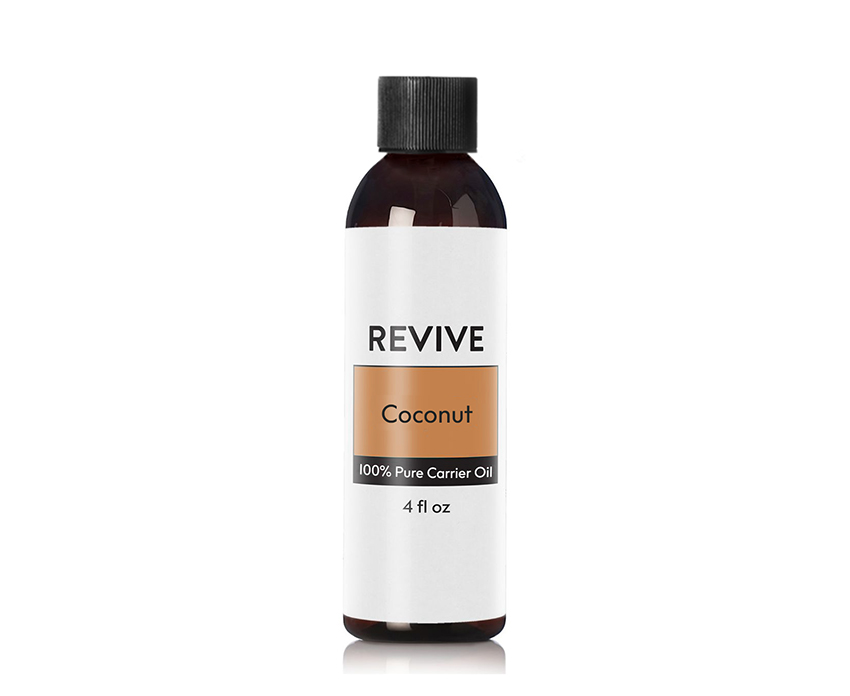
For your hand masks and massage
The light oil I keep next to every sink
Thick creams are great at night, but during the day I want something that sinks in straight away. A few drops of this light coconut oil after washing, massaged into the knuckles and cuticles, and my hands don’t tighten up any more. It’s also the base for my hand massage oil and masks.
- Absorbs in seconds, no greasy hands
- A few drops after every hand wash
- Mix with 2 drops of lavender for a hand massage oil
- Use it in the honey and gelatine mask
Affiliate link: we may earn a small commission at no extra cost to you.
Homemade hand butter: melt 2 tablespoons of shea butter, 1 tablespoon of cocoa butter and 2 tablespoons of sweet almond or coconut oil, stir in 1 teaspoon of glycerine and 5 drops of lavender oil, pour into a small jar and let it set.
8 DIY Hand Masks for Dry Cracked Hands
A hand mask is a thick, nourishing treatment you leave on for 15 minutes to a whole night. Use one once or twice a week on top of your daily routine. I’ve given each recipe a “level it up” tip to make it work better, or simply less messy.
1. Honey and gelatine peel-off hand mask
Honey is one of the best natural moisturisers for dry hands, but on its own it sticks to everything and is a pain to wash off. My tip: add gelatine. The mask sets into a soft film that you can simply peel off, and gelatine brings its own benefits.
You need: 1 tablespoon of unflavoured gelatine powder, 3 tablespoons of warm milk or water, 1 tablespoon of raw honey, 1 teaspoon of coconut or almond oil.
- Sprinkle the gelatine over the warm milk or water and let it swell for 2 minutes.
- Warm it gently (a few seconds in the microwave or over a pan of hot water) until the gelatine has fully dissolved.
- Stir in the honey and oil and let it cool until it’s warm but comfortable on your wrist.
- Brush or spread a thick layer over the backs of your hands and your knuckles (not on open cracks).
- Leave for 15 to 20 minutes until it feels dry and set, then peel it off and rinse off any bits with lukewarm water.
- Finish with your moisturiser. Once or twice a week.
Level it up: Swap the water for cooled chamomile tea for very irritated hands, or add 1 teaspoon of glycerine for extra moisture. Vegetarian? Use agar instead of gelatine.
Why it helps: Honey is a natural humectant that draws water into the skin and has antibacterial properties (Burlando and Cornara, 2013). Gelatine is cooked collagen; eating hydrolysed collagen has been shown to improve skin hydration (de Miranda et al., 2021). On the skin, gelatine mainly helps the mask set into an easy peel-off film, with no sticky mess.
2. Cocoa butter, coconut oil and honey hand mask
The rich mask from the original version of this article, for severely dry, cracked hands. Cocoa butter forms a protective layer on the skin that holds moisture in.
You need: 2 tablespoons of cocoa butter, 2 tablespoons of coconut oil, 1 tablespoon of honey, 1 teaspoon of vitamin E oil.
- Melt the cocoa butter and coconut oil together in a bowl over hot water.
- Take it off the heat, stir in the honey and vitamin E oil.
- Let it cool until it’s warm and soft, then massage into your hands.
- Leave for 20 to 30 minutes (with cotton gloves on top if you like), then wipe off the excess with a warm cloth.
Level it up: Make a batch and whip it with a hand mixer as it cools: you get a fluffy hand butter that keeps in a jar for weeks (leave the honey out of the batch and add it fresh). Add 1 tablespoon of gelatine dissolved in 2 tablespoons of warm water to turn it into a peel-off mask.
Why it helps: Rich butters and oils are emollients and occlusives: they soften the skin and stop water from escaping (review on emollients, 2003).
3. Overnight hand mask with cotton gloves
The simplest and most effective treatment for very dry hands. Gloves keep the moisturiser on your skin all night instead of on your sheets.
You need: A thick moisturiser, hand butter or petroleum jelly, and a pair of cotton gloves.
- Wash your hands with lukewarm water and pat them almost dry.
- Apply a thick layer of your richest cream or hand butter, focusing on knuckles, fingertips and cracks.
- For very cracked skin, seal the cracks with a thin layer of petroleum jelly on top.
- Pull on clean cotton gloves and sleep in them.
- Every night for a week, then 2 to 3 times a week.
Level it up: Massage the cream in for 2 minutes first; add 1 drop of lavender oil per teaspoon of cream for a relaxing bedtime ritual.
Why it helps: Petroleum jelly forms a seal over the skin that stops water loss and helps the skin barrier recover (Ghadially et al., 1992).
4. Yoghurt and gram flour hand mask
Plain yoghurt contains lactic acid, a mild natural exfoliant that loosens dry, flaky skin and also attracts moisture.
You need: 2 teaspoons of plain full-fat yoghurt and 1 teaspoon of gram (chickpea) flour.
- Mix into a smooth paste.
- Spread over your hands and let it dry for 10 to 15 minutes.
- Rinse with lukewarm water, pat dry and moisturise straight away.
Level it up: Add 1 teaspoon of honey and 1 teaspoon of finely ground oats for an extra soothing mask. Skip it on open cracks: lactic acid can sting.

5. Avocado and honey hand mask
Avocado is rich in healthy fats and vitamin E, and makes a creamy, nourishing mask.
You need: ½ ripe avocado and 1 tablespoon of honey.
- Mash the avocado with the honey into a smooth paste.
- Apply to your hands for 10 to 15 minutes.
- Rinse with cool water and moisturise.
Level it up: It slides off easily, so add 1 tablespoon of ground oats to make it stick better, or mix in 1 tablespoon of dissolved gelatine and let it set for an easy peel-off version. Wear cotton gloves on top for an intensive treatment.
6. Almond oil hand massage
A daily almond oil massage keeps hands soft and is a lovely bedtime routine.
You need: 1 teaspoon of sweet almond oil.
- Warm the oil between your palms.
- Massage into each finger, knuckle, cuticle and the backs of your hands for 2 to 3 minutes.
- Keep a small bottle in your bag for during the day.
Level it up: Add 2 drops of lavender or orange oil per teaspoon for a scented hand oil.
Why it helps: Sweet almond oil is a gentle emollient that helps repair the skin barrier (Blaak and Staib, 2022; Lin et al., 2017).
7. Egg yolk hand mask
A traditional beauty remedy: egg yolk is rich in fats and proteins that leave the skin feeling smoother.
You need: 1 egg yolk, beaten, and ½ teaspoon of olive oil.
- Beat the egg yolk with the olive oil.
- Apply to your hands and leave for 20 to 30 minutes until dry.
- Wash off with a mild soap and lukewarm water, then moisturise.
Level it up: Add 1 teaspoon of honey for extra moisture. Traditional use only: don’t use it on cracked or broken skin (raw egg can carry bacteria) or if you’re allergic to eggs.
8. Milk soak
One of the oldest beauty tricks: a warm milk soak softens dry, rough hands before a mask.
You need: 1 cup of warm full-fat milk.
- Soak your hands for 5 to 10 minutes.
- Rinse, pat dry and follow with a mask or moisturiser.
Level it up: Stir in 1 tablespoon of honey and 1 tablespoon of oats for a soothing soak.
Home Remedies for Severely Dry, Cracked and Chapped Hands
When your hands are so dry that the skin splits on the knuckles and fingertips, or they’re red and chapped from the cold:
- Drink more and eat healthy fats every day; this matters even more now.
- Protect your hands from water, soap and cold: gloves for everything wet and every trip outside.
- Every night for a week: thick hand butter, petroleum jelly on the cracks, cotton gloves.
- Skip exfoliating masks (yoghurt, lemon) and fragrances until the cracks have closed.
- Honey on a crack: a tiny dab of raw honey under a plaster overnight helps small splits heal.
Extremely dry, chapped hands usually improve within one to two weeks of this routine. If they don’t, see a doctor or dermatologist.
How to Heal Cracked Fingers
Cracks on the fingertips and around the nails are painful because the skin there moves and is used constantly. To heal cracked fingers:
- Clean the crack gently and dry it well.
- Apply a thick balm or a dab of honey and cover with a plaster overnight.
- For deep, painful splits, a liquid bandage (skin glue) seals the crack, protects it from water and lets it heal underneath.
- Massage oil into your cuticles every evening; see our nail care guide and ingrown fingernail remedies if the skin around your nails is sore.
- Cracked fingers that won’t heal after a few weeks of good care, or come back every year, can point to eczema, a contact allergy, low nutrients or an underactive thyroid (review on thyroid disease and the skin, 2023). Have them checked.
Dry Hands or Eczema?
Plain dry hands feel tight and rough and get better with moisturiser and gloves. Hand eczema is usually also red, very itchy, and may have small blisters, weeping or thick, scaly patches, often between the fingers or on the palms. It’s often triggered by frequent washing, detergents or an allergy. The routine in this guide helps both, but if your hands itch, blister or don’t improve within two weeks, see a doctor or dermatologist. If your hands are sweaty rather than dry, see our sweaty hands guide; for tingling or numb hands, see numbness in hands and feet.
Related Hands and Feet Guides
- Home remedies for calluses and dead skin (our main hands and feet guide)
- Cracked heels home remedies
- How to heal blisters
- Home remedies for shiny, healthy nails
- How to stop sweaty hands
- Orange oil uses
Frequently Asked Questions
What is the best home remedy for dry cracked hands?
Drink more fluids, moisturise after every hand wash, wear gloves in the cold and for wet work, and use a thick cream or hand butter under cotton gloves overnight.
Can not drinking enough water cause dry hands?
Yes. Dry hands, lips and heels are often a sign you’re not drinking enough. Coconut water, an electrolyte drink or water with lemon and a pinch of salt help you drink more and stay hydrated.
What causes dry hands?
Not drinking enough, cold dry air, frequent hand washing, hot water, harsh soaps and detergents, ageing, and conditions like eczema, an underactive thyroid or diabetes.
What is the best moisturiser for dry hands?
A thick cream or balm that combines humectants (glycerine, honey, urea) with oils and butters (shea, cocoa butter, almond oil) and an occlusive like beeswax or petroleum jelly.
How do you make a DIY hand mask for dry hands?
Dissolve 1 tablespoon of gelatine in 3 tablespoons of warm milk, stir in 1 tablespoon of honey and 1 teaspoon of oil, spread it on your hands, let it set for 15 to 20 minutes and peel it off.
Does petroleum jelly help dry hands?
Yes. It seals moisture into the skin. Apply it over a moisturiser at night and wear cotton gloves.
How do you heal cracked fingers fast?
Keep them clean, apply a thick balm or a dab of honey under a plaster overnight, protect them from water with gloves, and seal deep cracks with a liquid bandage.
Why are my hands so dry in winter?
Cold, dry air outside and heating inside pull moisture from the skin and weaken its barrier. Wear gloves outdoors, moisturise often and use a humidifier at home.
When should I worry about dry, cracked hands?
See a doctor if your hands are red, itchy or blistered, if cracks bleed and won’t heal in two weeks, if they look infected, or if dry skin comes with tiredness, feeling cold and weight gain.
Recommended
- Home Remedies for Calluses and Corns
- Cracked Heels Home Remedies
- Blisters on Feet
- Alkaline Diet List
- More natural home remedies
Some links on this page are affiliate links, marked as such. If you buy through them, we may earn a small commission at no extra cost to you. This article is for general information and does not replace a diagnosis from a qualified professional. Read our medical disclaimer or browse more natural remedies.
