
Cracked Heels Home Remedies: How to Heal Dry, Cracked Heels Naturally

Written by Montoya Sigafoose, founder of Home Remedy Shop · Medically reviewed by Veronique Claes d’Erckenteel, D.C., chiropractor since 1991 · Last reviewed: 22 October 2026
The best home remedy for cracked heels is a simple daily routine: soak your feet in warm water for 10 to 15 minutes, gently file the hard skin around the cracks with a pumice stone, and moisturise twice a day with a thick cream, ideally with urea. At night, seal it in with petroleum jelly or coconut oil and cotton socks. Most cracked heels look and feel much better within one to two weeks. Cracked heels are also a signal worth listening to: they often point to dry skin from too little water and healthy fats, open-backed shoes, long hours of standing, extra weight, or sometimes a health issue like diabetes or an underactive thyroid. See a podiatrist for deep, bleeding or infected cracks, especially if you have diabetes.
Cracked heels start as dry, rough skin and can end in deep, painful splits that bleed with every step. The skin on your heels is thicker than anywhere else and has no oil glands, so it depends on sweat and on you for its moisture. When it dries out and has to carry your weight, it cracks. The good news: cracked heels respond very well to home care. This guide gives you 15 remedies, a simple routine, and a lifestyle check on what your heels may be telling you. It’s part of our hands and feet series; for the main guide, see home remedies for calluses and dead skin on feet, or browse all our natural home remedies.
The short version
- Soak, file the hard rim gently, moisturise twice a day.
- Urea creams and petroleum jelly with socks overnight work best.
- Drink enough, eat healthy fats and green vegetables.
- Swap open-backed shoes and flip-flops for closed, cushioned heels.
- Cracks that won’t heal can point to diabetes, thyroid, eczema or athlete’s foot.
- Deep, bleeding or infected cracks, or diabetes: see a podiatrist.
See a podiatrist or doctor if your cracks are deep, bleeding or very painful, if they’re red, hot, swollen or oozing, or if you have diabetes, poor circulation or numbness in your feet. In these cases a heel crack can become an open wound or an infection, and shouldn’t be filed or treated with acids at home.
Table of Contents
- What Causes Cracked Heels?
- What Your Cracked Heels Are Telling You: A Lifestyle Check
- Treatment for Cracked Heels: How to Heal and Repair Them
- 15 Home Remedies for Dry Cracked Heels
- Best Cream for Cracked Heels
- Severely Cracked Heels Home Remedy
- How to Prevent Cracked Heels
- Related Foot Guides
- Frequently Asked Questions
What Causes Cracked Heels?
The skin on the soles of your feet is thicker than anywhere else and has no oil glands. It relies on sweat and moisturiser to stay supple. When it dries out, it becomes hard and inflexible, and the pressure of your body weight spreading the heel pad with every step makes it split. The main causes:
- Dry skin (xerosis), worse in winter, with central heating, long hot showers and harsh soaps.
- Standing for long hours, especially on hard floors.
- Open-backed shoes, sandals and flip-flops, which let the heel pad spread sideways and dry out.
- Thick, dry skin build-up around the heel rim, which can’t stretch.
- Extra body weight, which increases the pressure on the heel pad.
- Ageing: skin gets drier and thinner with age.
- Health conditions: diabetes, an underactive thyroid, eczema, psoriasis and athlete’s foot (see the lifestyle check below).
What Your Cracked Heels Are Telling You: A Lifestyle Check
Like toenail fungus, cracked heels are often more than a cosmetic problem. They’re a small, visible signal from your body that something in your daily life could be better. Before you reach for the remedies, take a moment to look at these six areas.
Check 1: Are you drinking enough, and eating enough healthy fats?
Your skin is the last organ to get water and nutrients, and your heels are the furthest point. A systematic review found that drinking more water can improve skin hydration, especially in people who usually drink little (Palma et al., 2018). Your skin barrier is also built from fats: omega-3 fatty acids from oily fish, flaxseed, walnuts and chia help keep skin supple and less dry (review on omega-3 in dermatology, 2020), and protein, vitamins A, C, E and zinc all play a role in a healthy skin barrier (review on nutrition and the skin barrier, 2025). Plenty of green vegetables, avocado, nuts, seeds and good oils, and less sugar and processed food, is as much a part of healing your heels as any cream. Our alkaline diet list is a good place to start.
Check 2: What do you wear on your feet?
Flip-flops, slides, backless clogs and sandals let the heel pad spread outwards with every step, and leave the skin exposed to dry air and dust. If you live in sandals, try closed shoes with a supportive, cushioned heel cup for a few weeks, and see the difference. Walking barefoot on hard floors does the same: wear soft slippers at home.
Check 3: How long do you stand, and how much weight do your heels carry?
Jobs where you stand all day put constant pressure on the heels. Extra body weight adds to it, and research shows that people with obesity tend to have drier skin with a weaker barrier (study on obesity and the skin barrier, 2010; review on obesity and the skin). Cushioned insoles, sitting breaks and gentle steps towards a healthier weight all take pressure off. If your heels also ache, see our sore feet and plantar fasciitis guides.
Check 4: How do you wash your feet?
Long, hot showers and baths, foaming soaps and shower gels strip the skin’s natural oils. Use lukewarm water, a mild soap-free wash, pat your feet dry and moisturise within a few minutes, while the skin is still slightly damp.
Check 5: Is it the season or your surroundings?
Many people only get cracked heels in winter, when cold air outside and heating inside both dry the skin, or in summer from sandals and sun. Notice when yours appear, and step up your routine before that season starts. A humidifier helps in a dry bedroom.
Check 6: Could it be a sign of something else?
If your heels keep cracking despite good care, look a little deeper:
- Diabetes: nerve damage reduces sweating on the feet, so the skin dries and cracks easily. Cracks in a diabetic foot can turn into ulcers, which is why daily moisturising is part of diabetic foot care (randomised trial, 2002). See also numbness in hands and feet.
- An underactive thyroid: very dry, rough skin, including thick skin on the palms and soles, is a common sign of hypothyroidism (review on thyroid disease and the skin, 2023). If you’re also tired, cold and gaining weight, ask your doctor for a thyroid test.
- Athlete’s foot: the “moccasin” type causes fine, dry scaling over the soles and heels that looks like dry skin, and cracks that don’t respond to moisturiser (review on tinea pedis, 2023). See our athlete’s foot home remedies.
- Eczema or psoriasis: itchy, red or silvery patches elsewhere on your body can show up on the feet too.
Either way, cracked heels are a good moment to look at your water, food, shoes and habits, and make one or two changes that your whole body will thank you for.
Treatment for Cracked Heels: How to Heal and Repair Cracked Heels at Home
The best treatment for cracked heels is a routine, not a single product. To repair cracked heels, do this every day for two to three weeks:
- Soak: 10 to 15 minutes in warm water, with Epsom salt, honey or apple cider vinegar if you like, 2 to 3 times a week.
- File: gently file the hard rim around the cracks with a wet pumice stone or foot file. Never file into the crack.
- Moisturise twice a day: a thick heel balm or urea cream, morning and night.
- Seal at night: petroleum jelly or coconut oil on top, then cotton socks.
- Protect by day: closed shoes with a cushioned heel.
- Keep going: once the cracks have closed, moisturise daily to keep them from coming back.
15 Home Remedies for Dry Cracked Heels
Every dry cracked heels home remedy below works best on top of the daily routine above: soak, gently file, moisturise and seal.
1. Soak and pumice stone
The base of every cracked heel routine. A warm soak softens the hard, dry edge around the cracks so you can gently file it down; that thick rim is what keeps the cracks pulling open.
- Soak your feet in warm (not hot) water for 10 to 15 minutes.
- Gently file the hard skin around the cracks with a wet pumice stone or foot file.
- Never file into the crack itself, and stop if it feels tender.
- Rinse, pat dry and moisturise straight away. 2 to 3 times a week.
How it works: Removing the thick, dry rim lets the cracks close and lets your moisturiser reach the skin underneath. More on safe filing in our calluses and dead skin on feet guide.
2. A rich moisturiser with urea
The most important remedy of all: moisturise every day. Choose a thick cream or balm, ideally with urea (10 to 25%) or another humectant like glycerine or lactic acid. In a placebo-controlled trial in people with diabetes, a moisturiser applied daily clearly improved dry skin and cracks on the feet within weeks (randomised trial, 2017), and urea creams measurably improve hydration of the soles (study on urea and plantar skin, 2021; trial on dry feet, 1998).
- Apply a heel balm or urea cream twice a day, especially after showering.
- Focus on the heels and the edges of the cracks.
- Keep going daily even once the cracks heal, or they come back.
How it works: Humectants like urea pull water into the skin, while the oils in the cream keep it there (review on emollients, 2003).
3. Petroleum jelly and socks overnight
The simplest overnight treatment, and one of the most searched. Petroleum jelly forms a seal on the skin that stops water escaping, giving the cracks a moist environment to heal in (Ghadially et al., 1992).
- After a soak and moisturiser, spread a layer of petroleum jelly over the heels.
- Put on clean cotton socks and leave overnight.
- Repeat every night for a week, then a few times a week.
4. Coconut oil
Coconut oil softens dry skin and is lovely for a nightly foot massage.
- Massage 1 to 2 teaspoons of coconut oil into each foot for a few minutes.
- Put on socks and go to bed.
- Repeat nightly.
How it works: A traditional moisturiser in many cultures: coconut oil stays on the surface of the skin and helps hold moisture in, much like other occlusive emollients (review on emollients, 2003).
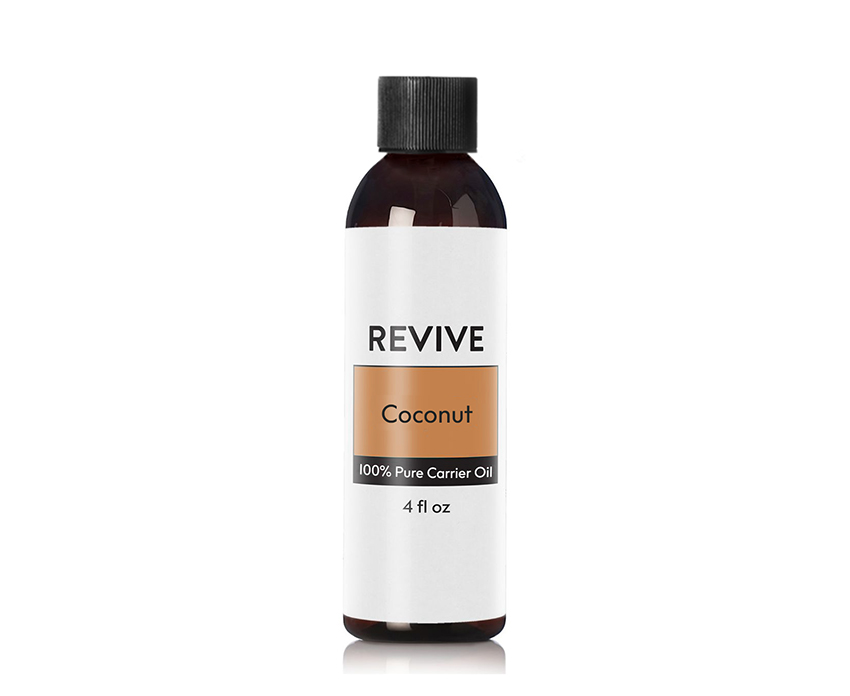
For the nightly sock treatment
A light oil that keeps heels soft
Cracked heels heal from the inside out, but they need a soft, supple surface to close. Every night after my foot soak I massage this light coconut oil into my heels, add a layer of something richer on the cracks, and pull on cotton socks.
- Absorbs quickly, doesn’t stain your sheets
- Massage 1 teaspoon into each heel at night
- Add 2 drops of tea tree or lavender per tablespoon
- Seal deep cracks with petroleum jelly on top, then socks
Affiliate link: we may earn a small commission at no extra cost to you.
5. Honey soak
Honey is moisturising and antibacterial, and has a long history in wound care (Jull et al., Cochrane, 2015).
- Mix 1 cup of honey into a basin of warm water.
- Soak your feet for 15 to 20 minutes.
- Rinse, dry and moisturise. Several times a week.
- Or dab a little raw honey straight onto a crack, cover with a sock overnight.
How it works: Honey draws moisture into the skin and protects small cracks from infection.
6. Epsom salt soak
A relaxing soak that softens hard skin before filing.
- Dissolve 1 to 2 tablespoons of Epsom salt per litre of warm water (or ½ cup in a foot basin).
- Soak for 15 to 20 minutes, pat dry and moisturise.
- Or mix Epsom salt with olive oil as a scrub for the rough skin around the cracks (not inside open cracks).
How it works: Warm water and salt soften the skin; the moisturiser afterwards is what heals it.
7. Baking soda soak
An old remedy that softens thick, dry skin.
- Add 3 tablespoons of baking soda to a basin of warm water.
- Soak for 15 minutes, then gently file with a pumice stone.
- Rinse, dry and moisturise. 2 to 3 times a week, not more: baking soda can dry the skin.
8. Apple cider vinegar soak
Vinegar softens the hard skin and has mild antibacterial effects.
- Add 1 cup of apple cider vinegar to a basin of warm water.
- Soak for 15 minutes every other day.
- Skip it if the cracks are deep or bleeding: it stings.
9. Salt and tea tree oil scrub
A scrub for the rough skin around the cracks. Tea tree oil’s terpinen-4-ol is antimicrobial and helps keep cracks clean (Carson et al., 2006).
- Mix 3 to 4 drops of tea tree oil into ½ cup of salt with a little olive oil.
- Scrub the rough skin around the cracks (not inside open cracks).
- Rinse, dry and moisturise. 2 to 3 times a week.

10. Aloe vera, basil and turmeric paste
Aloe vera soothes and moisturises; turmeric and basil are traditional anti-inflammatory and antiseptic herbs.
- After a soak, mix a handful of crushed basil leaves, 1 teaspoon of turmeric and 2 tablespoons of aloe vera gel into a paste.
- Apply to the heels for 20 minutes, then rinse and dry.
- Or use plain aloe vera gel as a light moisturiser at night, with a richer cream on top.
11. Banana and avocado foot mask
A nourishing mask full of natural fats and moisture.
- Mash 1 ripe banana with half an avocado.
- Massage into your heels and leave for 30 minutes.
- Rinse, dry and moisturise. Several times a week.
12. Oatmeal and olive oil
Oatmeal soothes and gently exfoliates; olive oil moisturises.
- Mix 1 tablespoon of finely ground oatmeal with a few drops of olive oil into a paste.
- Apply to the heels for 30 minutes, then rinse and dry.
- Every other day.
13. Rice flour scrub
Rice flour is a fine, gentle exfoliant for the dry rim around cracks.
- Mix 2 to 3 tablespoons of rice flour with ½ teaspoon of honey and enough apple cider vinegar to make a thick paste.
- After soaking, scrub the rough skin gently.
- Rinse, dry and moisturise. A few times a week.
14. Paraffin wax and mustard oil
Warm paraffin wax is used in beauty salons to seal moisture into dry heels.
- Melt 1 tablespoon of paraffin wax and stir in 3 drops of mustard oil.
- Let it cool until warm and soft (test it on your wrist first).
- Apply to the heels, cover with socks and leave overnight. Wash off in the morning.
- A couple of times a week. Not on bleeding cracks.

15. Turmeric and neem paste
Neem (Indian lilac) and turmeric are traditional Ayurvedic antiseptics, useful if your cracked heels keep getting sore or itchy.
- Mix 3 teaspoons of turmeric with crushed neem leaves (or a few drops of neem oil in a teaspoon of coconut oil) into a paste.
- Apply to the heels for 30 minutes, then rinse and dry.
- It stains, so use an old towel.
Best Cream for Cracked Heels
Normal body lotion is too light for cracked heels. Look for a thick foot cream or heel balm with:
- Urea (10 to 25%): pulls water into the skin and softens thick, dry skin.
- Glycerine or lactic acid: humectants that attract moisture.
- Occlusives: petroleum jelly, shea butter, beeswax or lanolin to seal moisture in.
- Natural options: coconut oil, olive oil, shea butter and cocoa butter.
Homemade heel balm: melt 2 tablespoons of shea butter, 1 tablespoon of beeswax and 2 tablespoons of coconut oil, stir in 5 drops of tea tree or lavender oil, pour into a small jar and let it set. Use every night under socks.
Severely Cracked Heels Home Remedy: Deep and Bleeding Cracks
The best severely cracked heels home remedy is gentle: protect, moisturise and seal, and skip the scrubs and acids until the cracks close. Deep cracks that bleed or hurt with every step need extra care:
- Don’t file or soak in vinegar or salt until the bleeding cracks have closed.
- Clean the crack gently with water, dab on a little honey or petroleum jelly and cover it with a plaster or a hydrocolloid dressing.
- Wear closed, cushioned shoes and socks to protect the cracks.
- See a podiatrist if the cracks are very deep, don’t improve within two weeks, or show signs of infection (redness, heat, swelling, pus). A podiatrist can safely remove the thick skin and may use special dressings or skin glue to close the cracks.
- Diabetes: see a professional straight away for any bleeding crack.
How to Prevent Cracked Heels
- Wear closed shoes with a heel cup most of the time, especially if you live in sandals in summer.
- Moisturise every day, even when your heels look fine: a thick heel balm if you’re prone to cracks, a nourishing lotion if you just want to keep healthy heels.
- Exfoliate gently once a week so thick, dry skin can’t build up.
- Use moisturising socks or sleeves overnight: they hold a gel or oil against the heel while you sleep.
- Drink enough water and eat healthy fats and green vegetables.
- Avoid very hot, long showers and harsh soaps.
- Take standing breaks and use cushioned insoles if you’re on your feet all day. Swollen feet from standing? See our swollen feet remedies.
Related Foot Guides
- Home remedies for calluses and dead skin on feet (our main hands and feet guide)
- How to treat blisters on feet
- Athlete’s foot home remedies
- Toenail fungus home remedies
- Home remedies for sore feet
- Plantar fasciitis relief
Frequently Asked Questions
What is the best home remedy for dry cracked heels?
A warm soak, gentle filing of the hard skin around the cracks, a thick moisturiser (ideally with urea) twice a day, and petroleum jelly or coconut oil with cotton socks overnight.
How do you repair cracked heels at home?
Soak for 10 to 15 minutes, gently file the hard rim with a pumice stone, apply a urea cream or heel balm twice a day and seal it in overnight with petroleum jelly and cotton socks. Keep it up daily for two to three weeks.
How do you heal cracked heels fast?
Moisturise twice a day and seal it in overnight with petroleum jelly and socks. Most cracked heels improve within a week and heal within two to three weeks.
What causes cracked heels?
Dry skin, standing for long hours, open-backed shoes, extra weight, ageing, winter weather and long hot showers. Diabetes, an underactive thyroid, eczema and athlete’s foot can also cause them.
Does petroleum jelly help cracked heels?
Yes. It seals moisture into the skin and gives cracks a moist environment to heal. Apply it at night over a moisturiser and wear cotton socks.
What is the best cream for cracked heels?
A thick heel balm with urea (10 to 25%), glycerine or lactic acid, combined with an occlusive like petroleum jelly or shea butter.
Are cracked heels a sign of something serious?
Usually not, but cracked heels that keep coming back despite good care can point to diabetes, an underactive thyroid, athlete’s foot or eczema. It’s worth having these checked.
How do you fix cracked heels permanently?
Keep moisturising every day even after they heal, wear closed shoes with a heel cup, exfoliate weekly, drink enough water and eat healthy fats. Look at the lifestyle causes so they don’t come back.
What should you do about bleeding cracked heels?
Stop filing and soaking, clean the crack gently, cover it with honey or petroleum jelly and a plaster, and wear closed shoes. See a podiatrist if it’s deep, infected or you have diabetes.
Recommended
- Home Remedies for Calluses and Corns
- Toenail Fungus Home Remedies
- Athlete’s Foot Home Remedies
- Blisters on Feet
- More natural home remedies
Some links on this page are affiliate links, marked as such. If you buy through them, we may earn a small commission at no extra cost to you. This article is for general information and does not replace a diagnosis from a qualified professional. Read our medical disclaimer or browse more natural remedies.
