
Home Remedies for Calluses and Corns: How to Remove Dead Skin on Feet Naturally

Written by Montoya Sigafoose, founder of Home Remedy Shop · Medically reviewed by Veronique Claes d’Erckenteel, D.C., chiropractor since 1991 · Last reviewed: 22 October 2026
The best home remedy for calluses and corns on your feet is a simple routine: soak your feet in warm water with Epsom salt for 10 to 15 minutes, gently file the softened dead skin with a pumice stone, and moisturise every night, ideally with a cream containing urea or a rich oil like coconut or castor oil. Repeat every 2 to 3 days and the callus will get thinner within a couple of weeks. To stop it coming back, take away the friction: well-fitting shoes, cushioned insoles and dry socks. If you have diabetes, poor circulation or numb feet, don’t file or cut calluses yourself; see a podiatrist.
Rough, hard and sometimes painful, calluses and corns are something almost everyone gets at some point, on the heels, the balls of the feet, the big toe, or the palms of the hands. They’re not dangerous, but they can make every step uncomfortable. The good news is that most calluses and most of the dead skin on your feet can be dealt with at home, often with things already in your kitchen. This guide explains what causes them, how to tell a callus from a corn, how to remove dead skin safely, and 15 home remedies that work. It’s the main guide in our hands and feet series on Home Remedy Shop, with links to every related foot problem along the way.
The short version
- Calluses and corns are the skin protecting itself from pressure and friction.
- Soak, file gently with a pumice stone, moisturise: every 2 to 3 days.
- Creams with urea or salicylic acid soften thick skin best.
- Kitchen remedies: lemon, apple cider vinegar, baking soda, papaya, pineapple, oils.
- Take away the friction or the callus comes back: shoes, insoles, dry socks.
- Diabetes, poor circulation, numb feet or bleeding skin: see a podiatrist instead.
Don’t treat calluses yourself if you have diabetes, poor circulation or numbness in your feet. A callus on a diabetic foot can hide an ulcer underneath, and a small cut can turn into a serious infection. See a podiatrist. Also get help for a callus or corn that is red, hot, swollen, oozing, bleeding or very painful.
Table of Contents
- What Causes Calluses and Corns on Feet?
- What’s the Difference Between a Callus and a Corn?
- How to Remove Dead Skin on Feet Safely
- How to Use a Pumice Stone on Calluses
- 15 Home Remedies for Calluses and Corns
- Best Cream for Calluses on Feet
- Calluses on Heels and the Big Toe
- Calluses on Hands
- How to Prevent Calluses and Corns Coming Back
- When NOT to Treat Calluses at Home
- Other Foot Problems: Our Hands and Feet Guides
- Frequently Asked Questions
What Causes Calluses and Corns on Feet?
Calluses and corns are your skin protecting itself. When the same spot is pressed or rubbed over and over, the outer layer of skin thickens into a tough, hard pad, a process called hyperkeratosis (Freeman, American Family Physician, 2002). In the short term it protects you. But once it gets too thick, the callus itself presses into the tissue underneath and starts to hurt.
The most common causes:
- Shoes that don’t fit: too tight, too loose (your foot slides and rubs), high heels that push your weight onto the ball of the foot, or brand-new shoes that aren’t broken in yet.
- Standing or walking a lot, especially on hard floors, or running and sports.
- Walking barefoot or wearing sandals without support.
- The shape of your feet: bunions, hammer toes, flat feet or high arches put extra pressure on certain spots (review on plantar callus, 2016).
- Socks that slip or bunch up, or no socks at all.
- Dry skin, which builds up and cracks more easily. See cracked heels home remedies.
- On the hands: tools, sports equipment, gym bars, musical instruments, or monkey bars for children.
Calluses and corns have been part of human life for as long as we’ve worn shoes: physicians have written about treating them for centuries (history of corns and calluses, 2021).
What’s the Difference Between a Callus and a Corn?
Both are thickened, hardened skin caused by friction or pressure, but they’re different in shape, place and how much they hurt:
- Calluses are larger, flatter patches of thick, yellowish skin, usually on the heel, the ball of the foot, the side of the big toe or the palms. They’re usually not painful, unless they get very thick or crack.
- Corns are small, round and have a hard core that points inwards, like a cone pressing into the skin. They form on the tops and sides of toes, between the toes (soft corns, kept moist by sweat) or on the sole. They can be very painful when pressed.
Something on the sole that looks like a callus but has tiny black dots and hurts when you squeeze it from the sides may be a plantar wart, not a callus. Warts are caused by a virus and need a different approach.
How to Remove Dead Skin on Feet Safely
Whether you want to take off the dead skin on your feet before summer, or soften a stubborn callus, the safe method is always the same: soften, exfoliate gently, moisturise, and repeat. Never cut, shave or tear calluses off with a razor or scissors. Podiatrists trim calluses with sterile blades, but at home that’s how people end up with cuts and infections.
- Soak: 10 to 15 minutes in warm water, with Epsom salt, a cup of apple cider vinegar or chamomile tea.
- Exfoliate: a pumice stone, a foot file or a sea salt scrub on the softened, still-damp skin.
- Rinse and dry well, including between the toes.
- Moisturise: a urea cream, coconut oil, castor oil or petroleum jelly.
- Overnight: cotton socks over the cream so it soaks in.
- Repeat every 2 to 3 days. Exfoliating every day makes skin sore and can make it thicken faster.
Foot peels: enzyme and acid “peel socks” make the dead skin on your feet come off in sheets over about a week. They work on the same principle as papaya and pineapple below, but they’re stronger: not for people with diabetes, cracked skin or sensitive feet.
How to Use a Pumice Stone on Calluses
A pumice stone is a light volcanic stone with a rough surface, and the simplest tool for calluses on feet:
- Always use it on wet, softened skin after a soak or shower, never on dry skin.
- Wet the stone too.
- Rub gently in circles or in one direction for 1 to 2 minutes per callus.
- Stop when the skin feels smooth, before it feels tender or warm.
- Rinse the stone after use and let it dry fully so bacteria don’t grow in it. Replace it every few months.
- Don’t share your pumice stone, especially if anyone in the house has athlete’s foot or toenail fungus.
15 Home Remedies for Calluses and Corns
1. Epsom salt soak and pumice stone
The foundation of every callus routine, and the one most people search for: soften first, then file. A warm soak with Epsom salt softens thick skin so a pumice stone can take it off gently, layer by layer. Podiatrists use the same principle: soften, reduce the thickness, then protect.
- Dissolve ½ cup of Epsom salt in a basin of warm (not hot) water.
- Soak your feet for 10 to 15 minutes, until the callus turns white and soft.
- Wet a pumice stone and rub the callus in gentle circles or one direction for 1 to 2 minutes.
- Stop as soon as the skin feels smooth or tender. Never file until it hurts or bleeds.
- Rinse, pat dry and moisturise. Repeat every 2 to 3 days, not daily.
2. Sea salt and olive oil scrub
A scrub softens the area, removes dry, dead skin and leaves the new skin underneath smoother. Sea salt is one of the best natural exfoliants for feet, and olive oil keeps the skin from drying out.
- Mix equal amounts of sea salt and olive oil.
- Soak thickly callused areas in warm water for about 10 minutes.
- Rub the scrub in circular motions for several minutes.
- Rinse, pat dry and apply moisturiser.
- Repeat 2 to 3 times a week.
3. Lemon
Lemon is one of the oldest callus remedies. Its natural acids help soften hard skin, so it comes off more easily with a pumice stone the next day.
- Place a small piece of lemon peel (or a cotton pad soaked in fresh lemon juice) on the callus.
- Bandage it in place overnight.
- File gently in the morning and moisturise.
- Repeat for several nights. Skip it on cracked or broken skin, where it stings.

4. Apple cider vinegar
The acidity of apple cider vinegar softens hard, thick skin. Dilute it: neat vinegar left on skin overnight can irritate or even burn.
- Mix 1 part apple cider vinegar with 4 parts water.
- Soak a cotton pad, place it on the callus and tape it in place for a few hours or overnight.
- File the softened skin the next morning, rinse and moisturise.
- Or add ½ cup of apple cider vinegar to your foot soak instead.
5. Baking soda paste
Baking soda is a gentle exfoliant that softens calluses and is easy to make into a paste.
- Mix 3 parts baking soda with 1 part water.
- Rub the paste on the callus in small circles for a few minutes.
- Rinse and continue with a pumice stone.
- Moisturise. Use 2 to 3 times a week.
6. Bread and vinegar
An old folk remedy that sounds strange but works on the same principle as the vinegar compress: the soaked bread keeps the softening vinegar on the callus all night.
- Soak half a slice of bread in ¼ cup of white vinegar.
- After exfoliating, place the bread on the callus and secure it with a bandage.
- Remove in the morning, file gently and moisturise.
- Repeat nightly for up to a week.
7. Chamomile soak
Chamomile is calming and anti-inflammatory, which makes it a lovely soak for sore, callused feet, and a good start before a scrub.
- Brew 2 cups of strong chamomile tea.
- Pour it into a small tub with some warm water.
- Soak for 10 to 15 minutes, pat dry and moisturise.
- Do it before bed, a few times a week.
8. Onion or garlic
A traditional overnight compress for stubborn corns and calluses. Onion and garlic contain sulphur compounds and acids that soften hard skin.
- Sprinkle a thick slice of onion (or a crushed garlic clove) with a little salt and lemon juice.
- Place it on the corn or callus, cover with a bandage and leave overnight.
- Repeat nightly for up to a week. Skip garlic on sensitive skin: it can burn.
9. Castor oil
Castor oil is thick and rich, and one of the best oils for softening dry, rough calluses.
- Soak the area in warm water for 10 minutes.
- File gently with a pumice stone, rinse and pat dry.
- Apply castor oil on a piece of gauze, secure it and leave overnight.
- Repeat nightly.
10. Coconut oil
Coconut oil softens thick skin and keeps the new skin underneath supple. It’s my favourite finishing step after any soak or scrub.
- Massage ½ to 1 teaspoon of coconut oil into the callus for a few minutes.
- Let it absorb by itself, or put on cotton socks overnight.
- Repeat twice a day.

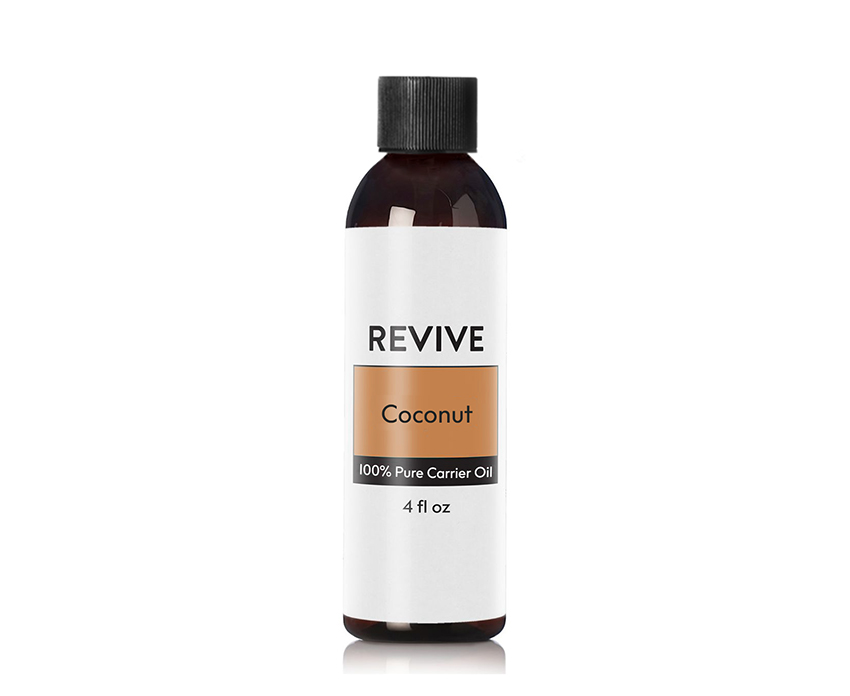
For soft feet overnight
A light oil for your nightly foot routine
After soaking and filing, the skin needs something to keep it soft, or the callus simply builds back. This light coconut oil sinks in fast, doesn’t leave your sheets greasy, and is the base I mix a few drops of tea tree or lavender into for an overnight foot massage.
- Liquid at any temperature, absorbs quickly
- Massage ½ teaspoon into calluses and heels after a soak
- Add 2 to 3 drops of tea tree or lavender per tablespoon
- Cotton socks on top for an overnight treatment
Affiliate link: we may earn a small commission at no extra cost to you.
11. Vitamin E oil
Vitamin E softens and soothes the skin around a callus.
- Prick a vitamin E capsule and squeeze the oil onto the callus.
- Rub it in well, cover with a sock or bandage and leave overnight.
- Repeat nightly for a week.
12. Papaya
Papaya contains papain, an enzyme that breaks down dead skin proteins, the same idea behind enzyme foot peels.
- Place a slice of ripe papaya (or a bit of mashed papaya) on the callus.
- Wrap it in place overnight.
- File gently in the morning and moisturise. Repeat nightly for a week.
13. Pineapple
Pineapple contains bromelain, another enzyme that softens dead skin, plus natural fruit acids.
- Hold a slice of fresh pineapple (or its peel, flesh side down) on the callus with plastic wrap and a bandage.
- Leave overnight and remove in the morning.
- Repeat nightly until the skin is softer.
14. Willow bark paste
Willow bark contains salicin, a natural cousin of salicylic acid, the ingredient in corn plasters. Salicylic acid plasters cleared more corns than scalpel trimming in a randomised trial (Farndon et al., 2013). This replaces the old crushed-tablet paste from the previous version of this article.
- Mix 1 to 2 teaspoons of willow bark powder with a little water into a paste.
- Apply to the corn only (not the healthy skin around it) and cover with a plaster.
- Leave overnight. Repeat for a few nights.
- Not for people with diabetes, poor circulation or an allergy to salicylates.
15. Cornstarch for dry feet and hands
Moisture and sweat increase friction inside shoes and gloves, which is how calluses and blisters form. Cornstarch keeps skin dry.
- Dust a little cornstarch into your socks, shoes or work gloves.
- Change sweaty socks during the day.
- For hands that sweat a lot, see sweaty hands remedies.
Best Cream for Calluses on Feet
If you only change one thing, choose your foot cream well. Normal body lotion isn’t strong enough for thick heel skin. Look for:
- Urea (10 to 40%): urea pulls water into the skin and loosens thick, dead skin. Creams with higher urea concentrations hydrated plantar skin more in a comparison study (study on urea and plantar skin, 2021), and urea creams improved very dry feet in people with diabetes in a randomised trial (randomised trial, 2002). 10% for daily care, 25 to 40% for thick calluses.
- Salicylic acid or lactic acid: these dissolve the “glue” between dead skin cells. A cream combining salicylic acid and urea improved dry, thick foot skin as well as a lactic acid cream (randomised trial, 1998).
- Natural options: coconut oil, castor oil, shea butter, cocoa butter and petroleum jelly all soften and seal in moisture, especially under cotton socks overnight.
A simple homemade callus cream: melt 2 tablespoons of shea butter with 1 tablespoon of coconut oil and 1 teaspoon of castor oil, let it cool slightly, stir in 3 drops of tea tree or lavender oil and keep it in a small jar. Massage into calluses every night.
Calluses on Heels and the Big Toe
Calluses on heels
Heel calluses come from standing, open-backed shoes and sandals, and dry skin. Thick heel skin dries out and can split into painful fissures. Soak and file twice a week, use a urea cream every night, and wear shoes with a closed heel. If your heels are already cracking, follow our cracked heels home remedies guide.
Callus on the big toe
A callus on the side or bottom of the big toe usually comes from the way you push off when you walk, a bunion, or shoes that are too narrow at the front. Choose shoes with a wide toe box, use a gel toe protector, and soften the callus with the soak-and-file routine. If the nail edge digs into the skin next to the callus, see our ingrown toenail home remedies.
Corns between the toes
Soft corns between the toes stay moist and white. Keep the area dry with cornstarch, use a toe separator or foam pad, and wear wider shoes. Don’t put acids or vinegar between the toes, where the skin is thin.
Calluses on Hands
Calluses on the palms and fingers come from gripping: tools, gardening, weights, rowing, climbing or guitar strings. For many people they’re useful protection, so you don’t need to remove them completely, just keep them smooth so they don’t tear. File them gently after a shower, moisturise every night, and wear gloves for heavy work. Torn hand calluses are like open blisters: keep them clean and covered (see how to treat blisters). For healthy nails while you’re at it, see home remedies for shiny nails.
How to Prevent Calluses and Corns Coming Back
A callus is a symptom of pressure. Remove the callus without removing the pressure, and it grows back. That’s also what research on callus care shows: offloading the pressure is part of every treatment plan (review on plantar callus, 2016).
- Shoes that fit: a thumb’s width of space in front of your longest toe, a wide toe box, a closed heel, and low heels for everyday wear. Shop for shoes in the afternoon, when feet are slightly bigger.
- Break in new shoes for short periods first.
- Cushioned insoles: insoles change where the pressure falls on the sole of the foot (study on insoles and plantar pressure, 2011). Custom insoles from a podiatrist help if you have high arches, flat feet or bunions.
- Pads and protectors: silicone toe caps, corn pads (without acid) and gel heel cups.
- Good socks that don’t slip, and change them when they’re damp.
- Moisturise every day, especially in winter and after showering.
- Gloves for gardening, DIY and gym work.
- Look after the rest of your feet: swelling and foot pain change how you walk and where calluses form. See swollen feet remedies, plantar fasciitis relief and home remedies for sore feet.
When NOT to Treat Calluses at Home
For most people, calluses are harmless. But for some, they’re a warning sign that needs professional care:
- Diabetes: a callus on a diabetic foot raises the pressure on the skin underneath enormously, and is one of the strongest warning signs that an ulcer may form (review on callus in the diabetic foot, 2015; study on callus and plantar pressure, 2002). Never file, cut or use acids on your feet if you have diabetes. See a podiatrist regularly.
- Numbness or tingling: if you can’t feel your feet properly, you won’t feel when you file too much. See numbness in hands and feet.
- Poor circulation, cold, pale or bluish feet, or a history of foot ulcers.
- Cracked, bleeding or broken skin: let it heal before you exfoliate, and skip acids.
- Signs of infection: redness, warmth, swelling, pus or a callus that suddenly hurts.
- Older people: painful calluses on the soles can affect balance and walking (study on plantar calluses and balance, 2018), so get them treated rather than living with them.
- Corns that keep coming back despite good shoes: a podiatrist can check your foot shape and walking pattern.
Other Foot Problems: Our Hands and Feet Guides
- Cracked heels home remedies
- How to treat blisters on feet
- Ingrown toenail home remedies
- Toenail fungus home remedies
- Athlete’s foot home remedies and itchy feet
- Swollen feet remedies
- Plantar fasciitis relief at home
- Home remedies for sore feet
- Numbness in hands and feet
- Sweaty hands and healthy nails
Frequently Asked Questions
What is the best home remedy for calluses on feet?
A warm Epsom salt soak for 10 to 15 minutes, gentle filing with a pumice stone, and a rich moisturiser (urea cream, coconut or castor oil) every night under cotton socks. Repeat every 2 to 3 days.
How do you get rid of calluses and corns on feet?
Soften them with a soak, file them gently, moisturise daily and take away the pressure that caused them with better-fitting shoes, insoles and pads. Corns respond well to salicylic acid plasters, unless you have diabetes or poor circulation.
How do you remove dead skin on feet?
Soak your feet in warm water, exfoliate the softened skin with a pumice stone, foot file or sea salt scrub, rinse, and moisturise. Don’t cut or shave it off.
Does a pumice stone work on calluses?
Yes, if you use it on wet, softened skin after a soak and rub gently for 1 to 2 minutes. Stop before the skin feels tender, and repeat every few days rather than taking it all off at once.
What is the difference between a corn and a callus?
A callus is a large, flat patch of thick skin, usually painless. A corn is small and round with a hard core that presses inwards, usually on or between the toes, and it often hurts.
What cream is best for calluses on feet?
A cream with urea (10% for daily care, 25 to 40% for thick calluses) or with salicylic or lactic acid. Coconut oil, castor oil and shea butter are good natural options.
Should you cut off a callus?
No. Cutting calluses at home easily leads to cuts and infections. File them gently instead, and let a podiatrist trim very thick calluses, especially if you have diabetes.
Why do my calluses keep coming back?
Because the pressure or friction that caused them is still there. Look at your shoes, socks, insoles and the way you walk; a podiatrist can check for bunions or other foot shapes that cause pressure points.
Recommended
- Cracked Heels Home Remedies
- Blisters on Feet
- Athlete’s Foot Home Remedies
- Plantar Fasciitis Relief
- More natural home remedies
Some links on this page are affiliate links, marked as such. If you buy through them, we may earn a small commission at no extra cost to you. This article is for general information and does not replace a diagnosis from a qualified professional. Read our medical disclaimer or browse more natural remedies.

Comments are closed.