

Finding reliable ways to support your pet’s health can feel confusing when every source claims a new and safer solution. More owners are exploring holistic pet care, prioritizing whole-animal wellbeing and looking beyond quick fixes for chronic health concerns. Recognizing the physical, emotional, and nutritional needs of your dog or cat empowers you to choose strategies that nurture long-term vitality. This guide clears up common myths and lays out proven principles for holistic, natural care so you can make confident decisions for your companion.
Table of Contents
- Defining Holistic Pet Care And Common Myths
- Diet, Nutrition, And Species-Appropriate Feeding
- Supplements For Joint Health And Longevity
- Alternative Therapies: What Works For Pets
- Preventive Care And Everyday Wellness Routines
- Mistakes To Avoid In Holistic Pet Care
Key Takeaways
| Point | Details |
|---|---|
| Holistic Pet Care Focuses on Whole Wellness | This approach integrates physical, mental, environmental, and nutritional factors to support overall animal health. |
| Common Myths Mislead Pet Owners | Beliefs such as rejecting traditional veterinary care or that natural treatments are always safe can hinder effective pet care. |
| Preventive Care is Essential | Regular veterinary check-ups and tailored wellness plans help identify potential health issues before they escalate. |
| Gradual Changes are Key | Implementing lifestyle and dietary changes incrementally ensures pets adapt more effectively to holistic interventions. |
Defining holistic pet care and common myths
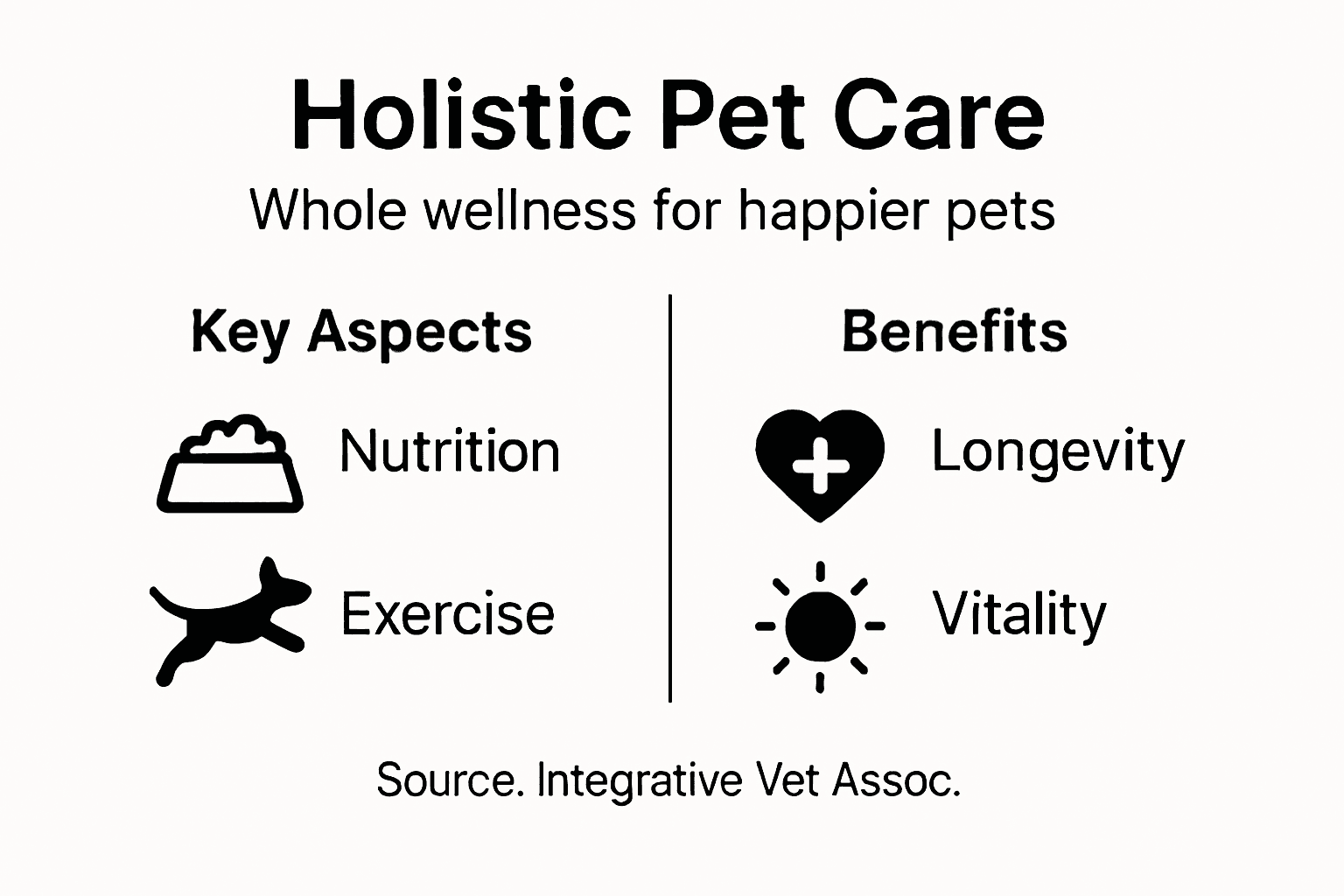
Holistic pet care represents a comprehensive approach to animal wellness that goes far beyond traditional veterinary treatments. Comprehensive health strategies emphasize treating the entire animal – not just managing isolated symptoms. This means considering physical, mental, environmental, and nutritional factors that collectively contribute to an animal’s overall well-being.
At its core, holistic pet care involves understanding that animals are complex living systems where every aspect of their health is interconnected. Unlike conventional medicine that often focuses on treating specific diseases, holistic approaches aim to:
- Prevent health issues before they emerge
- Support the body’s natural healing mechanisms
- Consider genetic, nutritional, and lifestyle factors
- Integrate multiple healing modalities
- Promote long-term wellness rather than temporary symptom management
Despite growing popularity, several myths persist about holistic pet care that can mislead well-intentioned pet owners. Common misconceptions include believing that holistic care means rejecting all traditional veterinary medicine or that natural treatments are always safer than conventional approaches. In reality, holistic pet care works best when it integrates both traditional and alternative methods, creating a balanced, personalized health strategy.
Holistic pet care myths range from simplistic to potentially dangerous. Some pet owners mistakenly believe that:
- Natural treatments are always safe
- Conventional veterinary medicine is entirely unnecessary
- Holistic care is just an expensive trend
- One-size-fits-all approaches work for all animals
The truth is far more nuanced. Holistic pet care requires careful, individualized assessment and should always involve professional veterinary guidance. Personalized health strategies now integrate genetic information, precise nutrition planning, and comprehensive wellness approaches to optimize animal health.

Here is a comparison of holistic and conventional pet care approaches:
| Aspect | Holistic Pet Care | Conventional Veterinary Care |
|---|---|---|
| Treatment Philosophy | Whole-animal wellness focus | Disease/symptom management |
| Prevention Strategy | Emphasizes prevention | Reacts to existing health issues |
| Modalities Utilized | Integrates alternative therapies | Primarily medical, pharmaceutical |
| Care Plan Customization | Personalized based on genetics | Standard protocols by diagnosis |
| Role of Nutrition | Integral part of wellness | Often secondary to medical treatment |
Pro tip: Consult with veterinarians who understand and support integrative medicine to develop the most effective holistic care plan for your specific pet.
Diet, nutrition, and species-appropriate feeding
Holistic pet nutrition goes beyond simply filling a food bowl – it’s about understanding the unique dietary requirements of each species. Natural diet principles emphasize whole, minimally processed ingredients that closely mirror an animal’s evolutionary nutritional needs. Cats and dogs have distinctly different metabolic profiles, which means their dietary requirements can vary dramatically.
The cornerstone of species-appropriate feeding involves recognizing fundamental nutritional differences:
- Dogs are omnivores with more flexible dietary needs
- Cats are obligate carnivores requiring high-protein diets
- Whole food ingredients provide more bioavailable nutrients
- Processed foods often lack essential nutritional components
- Individual animal health conditions impact dietary requirements
Macronutrient balance plays a critical role in developing a comprehensive nutrition strategy. For instance, cats require significantly higher protein intake compared to dogs due to their metabolic design. Holistic nutrition approaches recommend focusing on fresh proteins, healthy fats, and nutrient-dense vegetables to support overall wellness.
Transitioning to a holistic diet requires careful planning and gradual implementation. Pet owners should consider:
- Consulting with holistic veterinarians
- Gradually introducing new food components
- Monitoring animal’s response and health markers
- Adjusting diet based on age, weight, and activity level
- Supplementing with essential nutrients like Omega-3 fatty acids
Pro tip: Start dietary transitions slowly, mixing new foods with existing diet to prevent digestive upset and allow your pet’s system to adapt naturally.
Supplements for joint health and longevity
Joint health supplements represent a critical component of holistic pet care, offering proactive support for aging and active animals. Nutritional strategies for joint support focus on managing inflammation and preserving musculoskeletal integrity through targeted nutritional interventions. These supplements go beyond simple pain management, aiming to address the root causes of joint deterioration.
Key nutrients that support joint health and longevity include:
- Omega-3 fatty acids for reducing inflammation
- Chondroitin to support cartilage structure
- Glucosamine for joint lubrication
- Hyaluronic acid to maintain joint fluid
- Antioxidants to combat cellular damage
- Collagen for connective tissue support
Comprehensive supplement formulations can significantly impact an animal’s mobility and quality of life. Advanced joint supplement research demonstrates remarkable improvements in pets with osteoarthritis through carefully selected nutritional compounds. These may include specialized ingredients like eggshell membrane, krill oil, astaxanthin, and Boswellia Serrata extract, which work synergistically to support joint function.
Below is a reference summary highlighting key nutrients for joint health in holistic pet care:
| Nutrient | Main Benefit | Common Sources |
|---|---|---|
| Omega-3s | Reduces joint inflammation | Fish oil, krill oil |
| Glucosamine | Supports joint lubrication | Shellfish, supplement form |
| Chondroitin | Maintains cartilage | Animal cartilage, supplements |
| Collagen | Strengthens connective tissue | Beef, chicken, supplements |
| Hyaluronic Acid | Lubricates joint fluid | Supplement form |
| Antioxidants | Limits cellular damage | Berries, veggies, extracts |
Pet owners should consider implementing joint supplements strategically:
- Start supplements early as a preventative measure
- Consult with holistic veterinarians for personalized recommendations
- Monitor pet’s response and adjust dosage accordingly
- Combine supplements with appropriate exercise
- Consider breed-specific joint health requirements
Pro tip: Begin joint supplement regimens before visible signs of aging to establish a strong foundation for long-term musculoskeletal health.
Alternative therapies: what works for pets
Alternative veterinary therapies offer intriguing possibilities for holistic pet care, though scientific validation remains complex. Complementary veterinary medicine research reveals a landscape of promising yet inconsistent therapeutic approaches that require more rigorous investigation. These therapies range from traditional practices to innovative interventions designed to support animal wellness beyond conventional medical treatments.
Key alternative therapies that have shown potential include:
- Acupuncture for pain management
- Herbal medicine and phytotherapy
- Low-level laser therapy
- Massage and physical manipulation
- Homeopathic treatments
- Sound and music therapy
- Energy healing techniques
Integrative approaches are gaining traction as veterinarians recognize the complex interconnections between physical, emotional, and environmental factors in animal health. Animal-assisted therapy strategies demonstrate remarkable benefits in promoting wellbeing, reducing anxiety, and enhancing social interactions for both animals and humans. These therapies focus on treating the whole animal, not just isolated symptoms.
When considering alternative therapies, pet owners should:
- Consult with veterinarians trained in holistic medicine
- Research scientific evidence supporting specific treatments
- Understand that results can vary between individual animals
- Combine alternative therapies with conventional veterinary care
- Monitor and document treatment responses carefully
Pro tip: Always seek professional guidance and maintain open communication with your veterinarian when exploring alternative therapeutic interventions for your pet.
Preventive care and everyday wellness routines
Preventive pet care represents a proactive approach to maintaining animal health, focusing on early detection and holistic wellness strategies. Comprehensive wellness examinations serve as the cornerstone of long-term health management, enabling veterinarians to identify potential issues before they become serious medical concerns. This approach goes beyond traditional reactive treatments, emphasizing sustained health maintenance.
Key components of an effective preventive care routine include:
- Regular veterinary check-ups
- Annual comprehensive health screenings
- Updated vaccinations
- Dental hygiene maintenance
- Weight management
- Parasite prevention
- Mental health and behavioral assessments
- Age-appropriate nutritional support
Holistic wellness strategies integrate multiple aspects of pet health, recognizing the interconnected nature of physical, emotional, and environmental factors. Personalized pet wellness approaches emphasize creating tailored care plans that address individual animal needs, supporting immune function, reducing chronic disease risks, and enhancing overall quality of life.
Pet owners can implement preventive care by:
- Establishing consistent veterinary check-up schedules
- Maintaining detailed health records
- Monitoring subtle changes in behavior or physical condition
- Providing species-appropriate nutrition
- Ensuring regular exercise and mental stimulation
Pro tip: Create a comprehensive wellness calendar for your pet, tracking vaccinations, check-ups, and health milestones to ensure consistent preventive care.
Mistakes to avoid in holistic pet care
Holistic pet care requires a nuanced, patient approach that goes beyond simple medical treatments. Common holistic care mistakes often stem from well-intentioned but misguided attempts to transform an animal’s entire lifestyle overnight. Understanding these potential pitfalls is crucial for developing a truly effective wellness strategy that supports your pet’s unique needs.
Key mistakes pet owners frequently make include:
- Changing multiple aspects of care simultaneously
- Expecting immediate results from holistic interventions
- Ignoring individual pet’s specific health requirements
- Disregarding professional veterinary guidance
- Inconsistent implementation of wellness strategies
- Overlooking species-specific nutritional needs
- Failing to monitor subtle health changes
Holistic approach challenges require careful navigation. Comprehensive pet care strategies emphasize the importance of gradual transitions, continuous learning, and maintaining open communication with veterinary professionals. Pets need time to adapt to new nutrition, supplements, and lifestyle modifications.
To prevent holistic pet care missteps, owners should:
- Implement changes incrementally
- Consult holistic veterinary professionals
- Keep detailed health observation logs
- Remain flexible and patient
- Prioritize individual pet’s unique needs
Pro tip: Create a methodical, step-by-step wellness transition plan for your pet, allowing sufficient time to observe and adjust to each new intervention.
Support Your Pet’s Holistic Health Journey with Natural Solutions
The article highlights the challenges pet owners face in embracing holistic pet care such as integrating personalized nutrition, supplements for joint health, and alternative therapies while avoiding common mistakes. You want to provide your pet with the best whole-animal wellness approach that combines natural remedies and scientifically supported care. Key goals include preventing health issues before they arise, maintaining long-term vitality, and enhancing your pet’s quality of life through thoughtful, evidence-based strategies.
Empower yourself with trusted resources and herbal products that support your pet’s wellness goals at Homeremedyshop.com. Here you will find natural supplements, detailed guides, and wellness advice crafted to complement holistic care principles discussed in the article like species-appropriate feeding, joint health support, and preventive routines.

Take the next step in nurturing your pet’s wellbeing by exploring our expert-backed remedies and holistic wellness insights today. Visit Homeremedyshop.com and discover practical natural solutions designed to work alongside your veterinarian’s guidance for truly comprehensive care.
Frequently Asked Questions
What is holistic pet care?
Holistic pet care is an approach to animal wellness that treats the entire animal rather than just isolated symptoms. It considers physical, mental, environmental, and nutritional factors to promote overall well-being.
How does holistic pet care differ from conventional veterinary care?
Holistic pet care focuses on whole-animal wellness and prevention, integrating various healing modalities, while conventional veterinary care primarily addresses disease and symptom management through medical and pharmaceutical means.
What are some common myths about holistic pet care?
Common myths include the belief that holistic care ignores traditional veterinary medicine, that natural treatments are always safe, and that one-size-fits-all approaches are effective for all animals.
How can I implement holistic nutrition for my pet?
To implement holistic nutrition, consult with holistic veterinarians, gradually introduce species-appropriate foods, monitor your pet’s response, and consider necessary supplements for their specific health needs.
Recommended
- What Is a Holistic Diet and Why It Matters – Home Remedies
- Holistic Wellness: Achieving Whole-Body Health Naturally – Home Remedies
- Home Page – Home Remedies
- 7 Effective Home Remedies for Pet Fleas: Natural Tips
- Why Holistic Recovery Matters for Addiction Treatment | Glendora Recovery Center
