
Choosing a balanced, healthy lifestyle in a fast-paced world can feel like a constant challenge. Many people are turning to holistic wellness because it offers a broader view of health, where physical, mental, social, and even environmental aspects play an equal role. The World Health Organization describes wellness as a state of complete physical, mental, and social well-being, not just the absence of illness. Discover how these holistic principles can help you design a lasting self-healing and preventative health routine.
Table of Contents
- Holistic Wellness Principles And Core Concepts
- Types Of Holistic Self-Care Practices
- Key Benefits Of Natural Wellness Approaches
- Risks Of Conventional Products And Ingredients
- Alternatives To Chemical-Based Beauty Treatments
Key Takeaways
| Point | Details |
|---|---|
| Holistic Wellness Approach | Emphasizes interconnectedness of physical, mental, and social well-being for comprehensive health optimization. |
| Natural Wellness Benefits | Utilizes nature-based interventions to enhance physical and mental health, reducing reliance on synthetic treatments. |
| Risks of Conventional Products | Highlights potential health threats from synthetic chemicals in personal care products, encouraging informed consumer choices. |
| Sustainable Beauty Alternatives | Advocates for natural ingredients in beauty care that promote personal and environmental health, minimizing toxic exposure. |
Holistic Wellness Principles and Core Concepts
Holistic wellness represents a comprehensive approach to health that transcends traditional medical treatments by considering the entire human experience. The World Health Organization defines wellness as a state of complete physical, mental, and social well-being, emphasizing interconnectedness across multiple health dimensions.
At its core, holistic wellness integrates several key principles that guide individuals toward comprehensive health optimization:
- Physical Health: Focusing on nutrition, exercise, and preventative care
- Mental Wellness: Addressing emotional balance and psychological resilience
- Spiritual Connection: Exploring personal meaning and inner peace
- Environmental Awareness: Understanding how surroundings impact overall well-being
- Social Integration: Recognizing the importance of relationships and community support
The fundamental philosophy of holistic wellness acknowledges that human health is not merely the absence of disease, but a dynamic state of complete functional harmony. This approach recognizes that physical symptoms often reflect deeper systemic imbalances requiring multifaceted interventions.

To help clarify the holistic wellness approach, here is a breakdown of how its main principles interconnect:
| Principle | Focus Area | Interconnection Insight |
|---|---|---|
| Physical Health | Body and lifestyle | Impacts mental and emotional state |
| Mental Wellness | Emotional resilience | Supports physical and social health |
| Spiritual Connection | Inner peace and purpose | Enhances mental clarity |
| Environmental Awareness | Surroundings and lifestyle | Shapes physical and mental well-being |
| Social Integration | Relationships and community | Boosts emotional and physical health |
Wellness is not a destination, but a continuous journey of self-discovery and intentional living.
Modern holistic practices integrate traditional healing wisdom with contemporary scientific understanding, creating a nuanced framework for health maintenance. These approaches emphasize prevention, personal empowerment, and natural healing mechanisms over reactive medical interventions.
Pro tip: Begin your holistic wellness journey by conducting a comprehensive self-assessment of your physical, mental, and emotional health, identifying areas that require balanced attention and intentional improvement.
Types of Holistic Self-Care Practices
Holistic self-care encompasses a comprehensive approach to personal wellness that addresses multiple dimensions of human experience. The World Health Organization supports a broad framework of self-care interventions that extend far beyond traditional medical treatments, recognizing the interconnected nature of physical, mental, and emotional well-being.
Different types of holistic self-care practices can be categorized into several key domains:
Physical Self-Care:
- Regular exercise
- Nutritious diet
- Adequate sleep
- Preventative medical check-ups
Mental and Emotional Self-Care:
- Meditation
- Journaling
- Therapy or counseling
- Stress management techniques
Spiritual Self-Care:
- Mindfulness practices
- Personal reflection
- Connection with nature
- Exploring personal beliefs and values
Self-care is not selfish; it is a fundamental requirement for maintaining overall health and resilience.
Holistic self-care recognizes that each individual’s wellness journey is unique, requiring personalized strategies that adapt to changing life circumstances. By integrating multiple approaches, individuals can create a comprehensive wellness plan that addresses physical symptoms, emotional challenges, and spiritual growth simultaneously.
Modern research emphasizes the importance of viewing self-care as a dynamic, ongoing process rather than a static set of practices. This approach encourages continuous learning, adaptation, and personal growth across all dimensions of wellness.
Pro tip: Create a personalized self-care toolkit that includes practices from different wellness domains, allowing flexibility and comprehensive support for your holistic health journey.
Key Benefits of Natural Wellness Approaches
Natural wellness approaches represent a holistic strategy for achieving optimal health by leveraging the inherent healing power of nature and human biological systems. Scientific research increasingly validates the profound impact of nature-based interventions on human well-being, demonstrating comprehensive benefits that extend far beyond traditional medical treatments.
The key benefits of natural wellness approaches encompass multiple dimensions of human health:
Physical Health Benefits:
- Reduced inflammation
- Enhanced immune system function
- Improved metabolic processes
- Natural disease prevention
Mental Health Advantages:
- Stress reduction
- Improved cognitive function
- Enhanced emotional resilience
- Better mood regulation
Environmental and Holistic Benefits:
- Minimal chemical exposure
- Sustainable health practices
- Improved connection with natural systems
- Reduced environmental impact
Natural wellness is not just a treatment approach, but a comprehensive lifestyle philosophy that honors the intricate connection between human health and environmental balance.
Research from the World Health Organization highlights that natural environments significantly support human health, reducing chronic disease risks while promoting physical activity and social interaction. These approaches recognize that human wellness is deeply interconnected with broader ecological systems.
Holistic natural wellness transcends symptom management, focusing instead on root cause resolution and preventative strategies. By integrating traditional wisdom with modern scientific understanding, individuals can develop comprehensive approaches that support long-term health and vitality.
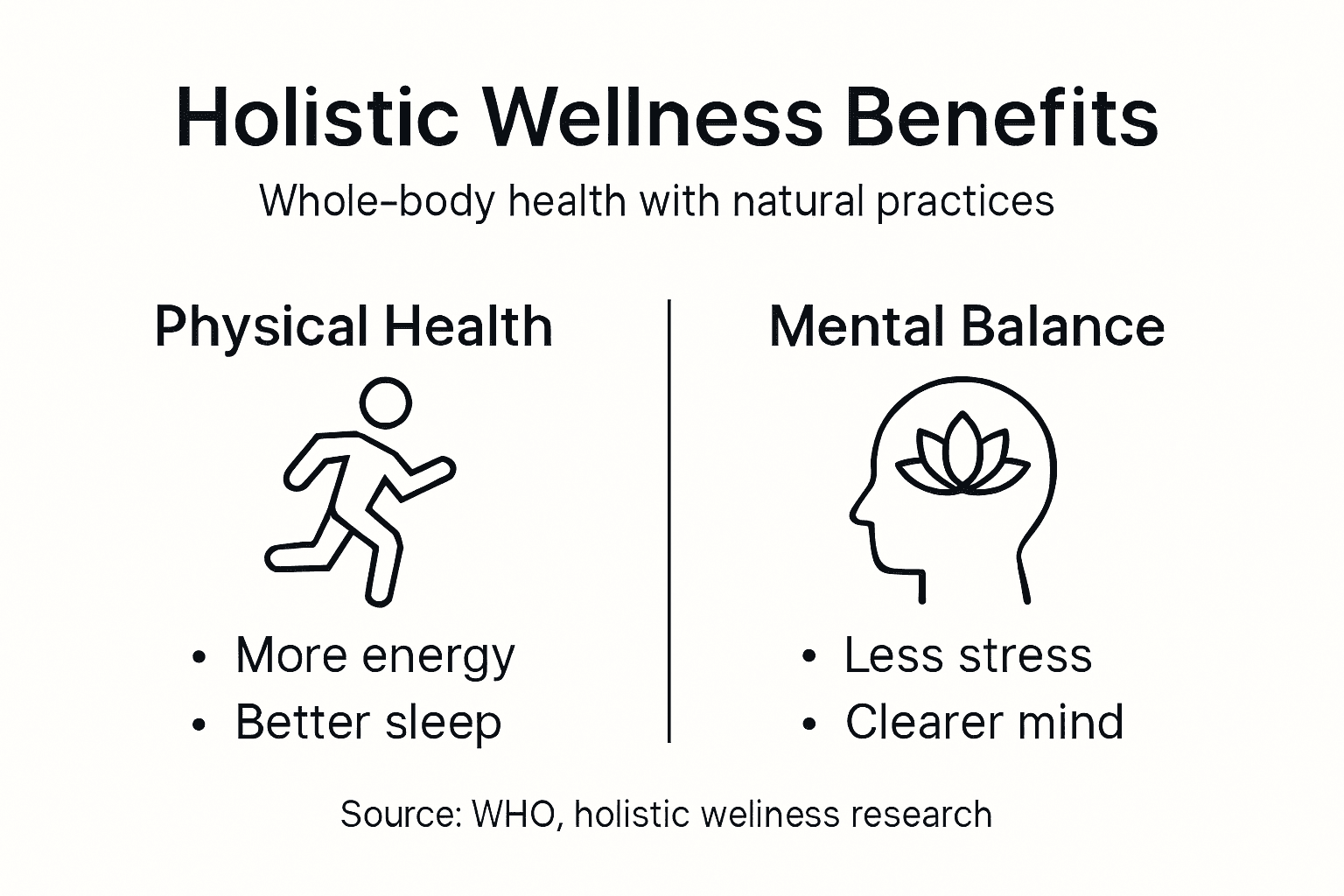
Pro tip: Begin incorporating natural wellness practices gradually, starting with simple interventions like outdoor meditation, herbal teas, or plant-based nutrition to build a sustainable holistic health foundation.
Risks of Conventional Products and Ingredients
Conventional personal care and health products often contain a complex array of synthetic chemicals that pose significant potential risks to human health. Scientific research increasingly reveals that chemical-based cosmetics linked to chronic diseases represent a substantial and often overlooked health concern for consumers.
Most conventional products contain potentially harmful ingredients across multiple categories:
Endocrine Disruptors:
- Parabens
- Phthalates
- Synthetic fragrances
- Triclosan
Carcinogenic Compounds:
- Formaldehyde
- Benzene derivatives
- Heavy metal contaminants
- Petrochemical residues
Skin and Systemic Irritants:
- Sulfates
- Mineral oils
- Synthetic preservatives
- Artificial colorants
The human body absorbs up to 60% of topically applied substances, making ingredient selection critically important for long-term health.
Regulatory bodies like the European Union are increasingly scrutinizing these risks, with emerging cosmetic ingredient safety regulations highlighting the need for more comprehensive testing and consumer protection. The growing body of research suggests that many conventional products contain ingredients with potential long-term health implications.
Understanding these risks empowers consumers to make more informed choices about the products they use daily. By recognizing the potential health impacts of synthetic ingredients, individuals can proactively select alternatives that support their overall wellness and minimize unnecessary chemical exposure.
Pro tip: Develop a habit of reading ingredient labels carefully, prioritizing products with transparent, natural ingredient lists and minimal synthetic chemical content.
Alternatives to Chemical-Based Beauty Treatments
The beauty industry is experiencing a transformative shift towards sustainable and safer product alternatives, prioritizing natural ingredients that promote both personal and environmental health. This evolution represents a critical response to growing consumer awareness about the potential risks associated with synthetic chemical treatments.
Natural beauty alternatives span multiple treatment categories:
Facial Care:
- Plant-based oils
- Herbal extracts
- Clay masks
- Honey-based treatments
Skin Moisturizing:
- Coconut oil
- Shea butter
- Aloe vera
- Jojoba oil
Hair Treatment:
- Argan oil
- Avocado masks
- Apple cider vinegar rinses
- Essential oil blends
Nature provides the most sophisticated and gentle beauty treatments, perfectly calibrated to human biological needs.
Recent scientific research demonstrates that eco-friendly beauty products can effectively match or exceed the performance of conventional chemical-based treatments. These natural alternatives not only minimize toxic exposure but also support skin health through biocompatible ingredients that work harmoniously with the body’s natural processes.
Holistic beauty approaches recognize that true skin health extends beyond superficial treatments, focusing instead on nourishment, protection, and long-term wellness. By selecting natural ingredients with proven therapeutic properties, individuals can create personalized beauty routines that support overall health and environmental sustainability.
Here’s how common chemical-based ingredients compare with their natural alternatives in beauty care:
| Use Case | Common Synthetic Ingredient | Natural Alternative | Benefit of Natural Option |
|---|---|---|---|
| Facial Care | Parabens | Green tea extract | Antioxidant and soothing |
| Skin Moisturizer | Mineral oil | Shea butter | Nourishes without residues |
| Hair Treatment | Sulfates | Argan oil | Gently conditions hair |
| Fragrance | Synthetic fragrances | Essential oils | Lower allergy risk |
Pro tip: Experiment with homemade beauty treatments using single-ingredient natural products to understand their unique benefits and develop a personalized, chemical-free skincare routine.
Embrace Holistic Wellness with Natural Remedies Today
Are you seeking a way to balance your physical health, mental resilience, and spiritual connection without relying on chemical-laden products The article highlights how holistic wellness integrates all aspects of well-being while warning about risks tied to conventional ingredients. If you want to take control of your wellness journey with safe, natural alternatives and personalized self-care strategies Homeremedyshop.com offers exactly what you need.
Discover an extensive selection of herbal supplements and home remedies that support natural healing and whole-body health. Act now to reduce exposure to harmful chemicals and enhance your vitality with proven natural solutions. Begin your path toward true wellness by exploring trusted guides and products at Homeremedyshop.com. Empower your health through knowledge and nature today.
Frequently Asked Questions
What are the main principles of holistic wellness?
Holistic wellness integrates several principles, including physical health, mental wellness, spiritual connection, environmental awareness, and social integration. These aspects are interconnected and aim to achieve comprehensive health optimization.
How can I start my holistic wellness journey?
Begin by conducting a self-assessment of your physical, mental, and emotional health. Identify areas that need attention and create a balanced plan focusing on nutrition, exercise, stress management, and spiritual practices.
What are some common holistic self-care practices?
Common holistic self-care practices include regular exercise, a nutritious diet, adequate sleep, meditation, journaling, mindfulness, and connecting with nature. These practices support multiple dimensions of wellness.
What are the benefits of using natural wellness approaches?
Natural wellness approaches promote physical health by reducing inflammation and improving immune function. They also enhance mental health by reducing stress and improving emotional resilience, while supporting environmental sustainability.
Recommended
- What Is a Holistic Diet and Why It Matters – Home Remedies
- Nautral Herbal Solutions for High Blood Pressure
- Spring Cleaning 101: Amazing Ways to Detoxify Your Body – Home Remedies
- Tips on How to Lose Weight without Exercise – Home Remedies
- Why Pure Water Boosts Health and Vitality – Coway Water Purifier
Pingback: Why Natural Skin Care Supports Lasting Wellness - Home Remedies