

Every parent faces confusion sorting through conflicting advice on what truly nourishes their family. A holistic diet stands out as a science-backed approach, valuing the integration of physical, mental, and emotional health in your daily meals. By debunking common myths and highlighting the principles of eating whole, minimally processed foods, you’ll discover how holistic nutrition promotes overall well-being and helps your family make choices that matter—including sustainable holistic diet for weight loss.
Table of Contents
- Defining A Holistic Diet And Common Myths
- Core Principles Of Holistic Eating Habits
- Types Of Holistic Diets And Key Differences
- Recognizing Body Signals And Adapting Foods
- Practical Benefits Over Modern Eating Patterns
- Mistakes To Avoid When Choosing Holistic Foods
Key Takeaways
| Point | Details |
|---|---|
| Holistic Diet Understanding | A holistic diet focuses on nourishing the body by recognizing the interconnection between food and overall well-being, rather than just calorie counting. |
| Core Principles | Essential aspects include consuming whole foods, understanding emotional impacts of food, and adapting to individual nutritional needs. |
| Body Signals | Developing interoceptive awareness helps individuals tune into their body’s signals for dietary adjustments and personalized nutrition strategies. |
| Avoiding Common Mistakes | Transitioning to a holistic diet requires gradual changes, understanding individual needs, and avoiding rigid or trendy eating patterns. |
Defining a holistic diet and common myths
A holistic diet goes far beyond simple calorie counting or following trendy nutrition plans. It represents a comprehensive approach to nourishing your body by understanding how different foods interact with your physical, mental, and emotional well-being. Holistic nutrition principles emphasize integrating multiple aspects of health into dietary choices.
Many people misunderstand holistic nutrition, believing it to be just another restrictive diet. In reality, it’s a nuanced strategy that considers individual body needs, lifestyle, and overall wellness. Common myths about holistic diets include:
- Holistic diets are extremely restrictive
- Only wealthy people can follow holistic nutrition plans
- Holistic eating requires complicated meal preparation
- These diets lack scientific foundation
Contrary to these misconceptions, holistic nutrition actually promotes eating whole, minimally processed foods that support comprehensive health. Nutrition experts recommend focusing on foods close to their natural state and balancing macronutrients and micronutrients.
The core philosophy of a holistic diet is understanding that food is more than just fuel. It’s information that communicates with your body’s systems, potentially influencing everything from hormone balance to immune function. This approach means paying attention to how different foods make you feel, not just their caloric content.
Pro tip: Start implementing holistic diet principles by gradually introducing whole foods and observing how they impact your energy, mood, and overall well-being.
Core principles of holistic eating habits
A holistic diet is fundamentally about understanding food as more than just nutrition—it’s a comprehensive approach to wellness that connects what we eat with how we feel. Holistic nutrition principles emphasize consuming whole, minimally processed foods that nourish both body and mind.
The core principles of holistic eating are built around several key concepts:
- Consuming nutrient-dense whole foods
- Prioritizing individual nutritional needs
- Understanding food’s emotional and physical impact
- Balancing macronutrients and micronutrients
- Considering sustainability and environmental impact
Holistic eating goes beyond traditional dietary approaches by recognizing the intricate connections between nutrition, lifestyle, and overall well-being. Sustainable dietary principles suggest that a truly effective diet must incorporate variety, balance, and moderation while supporting both personal and environmental health.

This approach encourages mindful eating, which means paying attention to hunger cues, eating slowly, and choosing foods that provide genuine nourishment. It’s not about strict rules or deprivation, but about creating a harmonious relationship with food that supports your entire system—physical, mental, and emotional.
Pro tip: Start your holistic eating journey by gradually introducing whole foods and observing how different nutritional choices impact your energy, mood, and overall wellness.
Types of holistic diets and key differences
Holistic diets are not one-size-fits-all approaches but rather nuanced nutritional strategies tailored to individual needs and wellness goals. Nutritional pattern comparisons reveal diverse dietary frameworks that share core principles of whole food consumption and nutrient optimization.
The primary types of holistic diets include:
Here’s a comparison of major holistic diet types and their unique health emphasis:
| Diet Type | Focus Foods | Main Health Benefits | Distinctive Factor |
|---|---|---|---|
| Mediterranean | Vegetables, olive oil, fish | Heart health, longevity | Balances fats and antioxidants |
| Plant-Based | Fruits, legumes, whole grains | Lower disease risk, weight control | Excludes most animal products |
| Alkaline | Leafy greens, vegetables | Decreased inflammation | Prioritizes foods for pH balance |
| Paleo | Lean meats, nuts, root vegetables | Improved digestion, metabolic function | Mimics ancestral eating |
| Traditional Asian | Rice, vegetables, fish, tofu | Enhanced immunity, energy | Seasonal and regional ingredient use |
- Mediterranean Diet: Emphasizes plant-based foods, olive oil, fish, and minimal red meat
- Plant-Based Diet: Focuses on vegetables, fruits, legumes, nuts, and whole grains
- Alkaline Diet: Prioritizes foods that balance body pH levels
- Paleo Diet: Centers on foods presumed eaten by early human ancestors
- Traditional Asian Diets: Highlight balanced, seasonal whole food consumption
Each dietary approach differs in its specific recommendations, but they converge on critical principles. Personalized dietary recommendations suggest that the most effective holistic diet adapts to an individual’s metabolic profile, health status, and nutritional requirements.
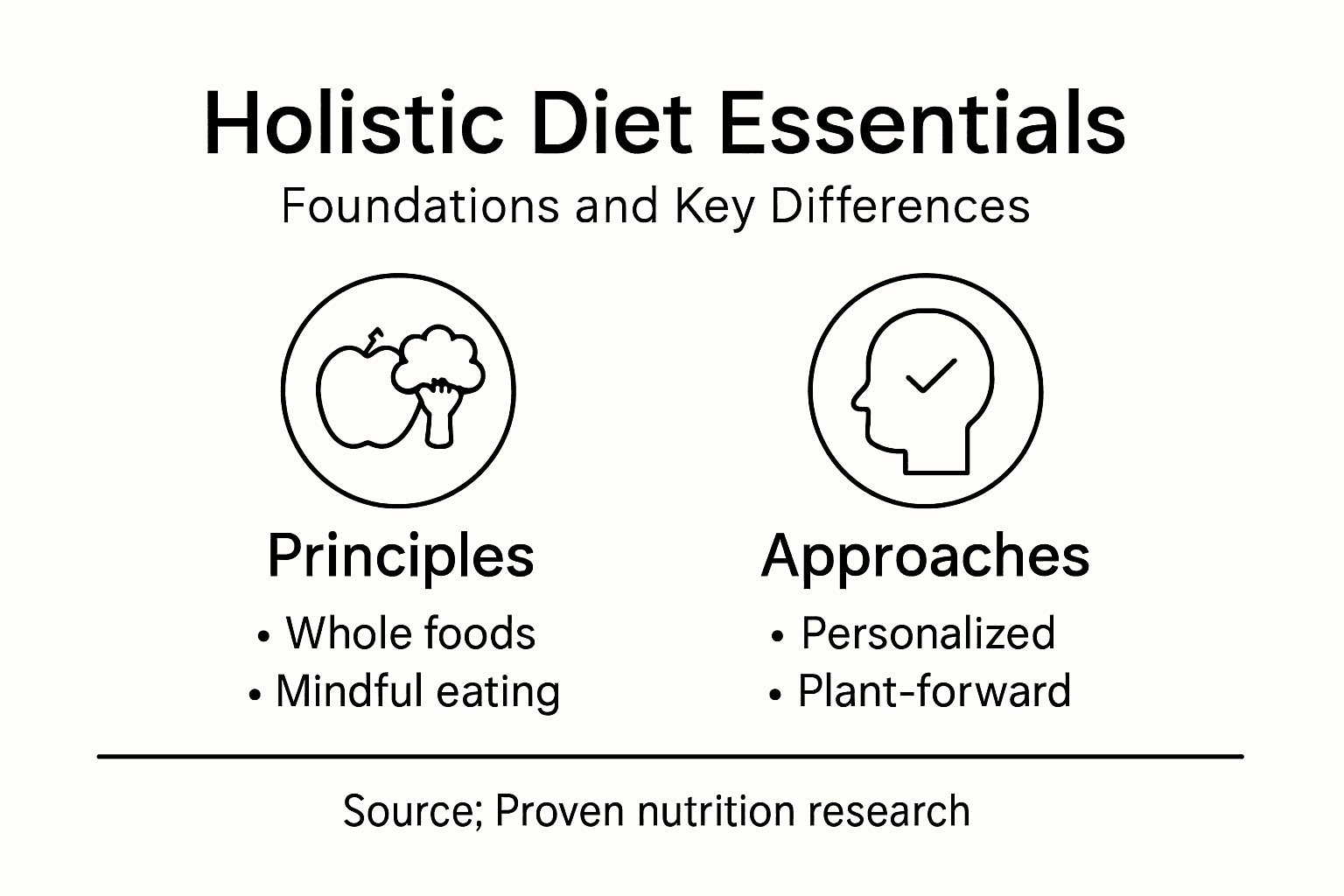
Understanding these differences allows individuals to select a holistic diet that resonates with their personal health objectives, cultural background, and physiological needs. The key is recognizing that nutrition is deeply personal and requires a thoughtful, adaptive approach.
Pro tip: Consult a nutritional professional to determine which holistic diet aligns best with your unique health profile and wellness goals.
How a Holistic Diet for Weight Loss Works Naturally
A holistic diet for weight loss represents a transformative approach that goes beyond traditional calorie-restriction methods, offering substantial advantages over modern eating patterns dominated by processed foods. When you embrace holistic nutrition, your body naturally releases unnecessary weight without the struggle of conventional dieting. This happens because whole food-based holistic diets provide comprehensive nourishment that addresses the root causes of weight gain—inflammation, hormonal imbalances, and nutrient deficiencies—rather than simply restricting calories.
The beauty of a holistic diet for weight loss is that it works with your body’s natural intelligence. When you consistently eat whole, minimally processed foods, several automatic processes occur:
- Your hunger hormones rebalance, reducing cravings and emotional eating
- Inflammation decreases, allowing your metabolism to function optimally
- Blood sugar stabilizes, preventing energy crashes and excessive fat storage
- Your body receives the nutrients it needs, eliminating the constant hunger signals caused by nutrient-poor processed foods
- Digestive health improves, enhancing nutrient absorption and waste elimination
Unlike restrictive diets that trigger your body’s starvation response and slow metabolism, a holistic diet provides abundant nutrition that signals safety to your system. This allows your body to release stored fat naturally because it’s no longer in survival mode. You’re not fighting against your biology—you’re supporting it.
Key insight: Weight loss through holistic nutrition isn’t about deprivation; it’s about nourishment. When your body receives what it truly needs through a holistic diet, it naturally finds its healthy weight without forcing or extreme measures. This makes holistic diet for weight loss not just effective, but sustainable for long-term health.
Recognizing body signals and adapting foods
Holistic nutrition centers on developing interoceptive awareness, which means learning to listen to your body’s subtle communication signals about nutrition and well-being. Mindful eating practices emphasize tuning into internal cues that reveal your body’s true nutritional needs beyond surface-level hunger.
Common body signals that indicate a need for dietary adjustment include:
- Persistent fatigue or low energy
- Frequent digestive discomfort
- Unexplained skin issues
- Recurring headaches
- Mood fluctuations
- Difficulty concentrating
- Irregular sleep patterns
Understanding these signals requires developing interoceptive awareness skills that help distinguish between genuine nutritional needs and emotional or habitual eating patterns. This approach transforms eating from a mechanical process to an intuitive, responsive experience that supports holistic health.
By paying attention to how different foods make you feel—both immediately and hours after consumption—you can create a personalized nutrition strategy that adapts to your body’s changing requirements. This might mean adjusting macronutrient ratios, introducing specific foods, or eliminating items that consistently trigger negative responses.
Pro tip: Keep a detailed food and symptom journal for two weeks to identify patterns and connections between your diet and physical well-being.
Practical benefits over modern eating patterns
Holistic nutrition represents a transformative approach that goes beyond traditional dietary recommendations, offering substantial advantages over modern eating patterns dominated by processed foods. Nutritional health strategies demonstrate that whole food-based diets provide more comprehensive health benefits compared to convenience-driven nutritional approaches.
Key practical benefits of holistic eating include:
- Enhanced long-term disease prevention
- More stable energy levels throughout the day
- Improved metabolic function
- Better digestive system performance
- Stronger immune system response
- More balanced hormonal health
- Reduced inflammation markers
Unlike conventional dietary approaches that focus solely on calorie counting, holistic nutrition methods address root causes of health issues by considering physical, emotional, and environmental factors. This comprehensive strategy helps individuals develop a more nuanced understanding of their nutritional needs beyond surface-level metrics.
By prioritizing whole, minimally processed foods and understanding individual bodily responses, holistic nutrition empowers people to make more informed dietary choices. The approach transforms eating from a mechanical process of consuming calories into a deliberate, mindful practice of nourishing one’s entire system.
Below is a summary of holistic diet benefits compared to modern processed-food eating patterns:
| Aspect | Holistic Diet Approach | Modern Eating Patterns | Long-Term Impact |
|---|---|---|---|
| Energy Levels | Consistent, balanced | Frequent fluctuations | Sustained focus and stamina |
| Disease Risk | Lowered through whole food | Increased due to processed foods | Higher prevention of chronic illness |
| Digestion | Enhanced by natural choices | Often impaired | Fewer digestive complaints |
| Immune Health | Strengthened system | Reduced resilience | Better response to illness |
| Inflammation | Actively reduced | Often triggered | Improved overall well-being |
Pro tip: Begin transitioning to a holistic diet by gradually replacing processed foods with whole, nutrient-dense alternatives and observing how your body responds.
Mistakes to avoid when choosing holistic foods
Transitioning to a holistic diet requires thoughtful strategy and self-awareness, not impulsive changes or blindly following trends. Common lifestyle adoption mistakes reveal that many individuals undermine their nutritional goals through uninformed choices.
Critical mistakes to avoid include:
- Changing everything overnight
- Ignoring individual body signals
- Pursuing trendy diets without research
- Neglecting mental and emotional well-being
- Expecting immediate transformation
- Disregarding personal nutritional needs
- Fixating on restrictive eating patterns
People often mistakenly believe that holistic eating means following a rigid, one-size-fits-all approach. In reality, it demands personalized understanding and gradual, sustainable modifications. This means listening to your body, understanding its unique responses, and making incremental changes that support your overall health.
Successful holistic nutrition requires patience, self-observation, and a willingness to adapt. It’s about creating a harmonious relationship with food that considers not just physical nutrition, but your entire well-being—including mental, emotional, and environmental factors.
Pro tip: Start your holistic nutrition journey by making small, consistent changes and tracking how different foods impact your energy, mood, and overall health.
Embrace a Holistic Diet to Transform Your Well-Being Today
Navigating the challenge of adopting a holistic diet means tuning in to your body’s unique signals and choosing whole, nutrient-dense foods that truly nourish your mind and body. If you are looking to move beyond restrictive diets and want to understand how to balance your nutritional needs naturally, you are not alone. This holistic approach emphasizes mindful eating, balancing macronutrients, and adapting your food choices based on what your body tells you — empowering you to improve energy, digestion, and overall wellness.
Discover how natural remedies and herbal supplements can complement your holistic eating habits by visiting Homeremedyshop.com. Our platform offers trusted guidance on holistic wellness along with natural solutions for skin health, inflammation reduction, and immune support that align perfectly with your nutritional goals. Take the first step today by exploring our in-depth guides and carefully selected products that help you nurture your body from the inside out. Start your journey to a balanced, vibrant life now by visiting Homeremedyshop.com and empower your health naturally.
Frequently Asked Questions
What is a holistic diet?
A holistic diet is a comprehensive approach to nutrition that considers the interaction of food with physical, mental, and emotional well-being, focusing on whole, minimally processed foods instead of calorie counting or restrictive eating.
What are the core principles of holistic eating?
The core principles of holistic eating include consuming nutrient-dense whole foods, prioritizing individual nutritional needs, understanding the emotional and physical impacts of food, balancing macronutrients and micronutrients, and considering sustainability in food choices.
How can I adapt my diet to align with holistic nutrition?
To align your diet with holistic nutrition, start by gradually introducing whole foods, paying attention to how different foods impact your energy and mood, and developing interoceptive awareness of your body’s signals about hunger and nutrition needs.
What are some common myths about holistic diets?
Common myths about holistic diets include the belief that they are extremely restrictive, only for wealthy individuals, require complicated meal preparation, or lack scientific foundation. In reality, holistic nutrition promotes balance and mindful eating.
Recommended
- Discover the Life-Changing Benefits of the Alkaline Diet Today!
- Tips on How to Lose Weight without Exercise – Home Remedies
- Home Page – Home Remedies
- 10 Tips for a Healthy 7 Day Diet Plan – Home Remedies
- Holistic Hair Care in 2025: Grow Stronger, Healthier Hair | MyHair
