
Home Remedies for Allergies: Natural Allergy Relief That Works

Written by Montoya Sigafoose, founder of Home Remedy Shop · Medically reviewed by Veronique Claes d’Erckenteel, D.C., chiropractor since 1991 · Last reviewed: 26 October 2026
The best home remedies for allergies give you immediate relief and help your body react less over time. For fast relief, keep saline drops nearby: a saline nose spray and eye drops rinse out pollen and dust straight away. Annatto (Bixa orellana) leaf is one of the most promising natural antihistamines, and local bee pollen and propolis, taken in the right season, work like a gentle “vaccine” for seasonal allergies. Add vitamin C, kefir or probiotics, steam with eucalyptus, peppermint or basil oil, and keep pollen and dust out of your home. It’s very hard to get rid of allergies permanently, but you can manage them really well with these natural remedies. Get emergency help for swelling of the lips, tongue or throat, wheezing or trouble breathing.
Allergies happen when your immune system overreacts to something harmless, like pollen, dust mites, mould or pet dander, and releases histamine. That’s what makes you sneeze, gives you a runny or blocked nose, itchy, watery eyes, an itchy throat, a cough and that heavy, tired feeling. In this guide I share what I do in my own allergy season, the natural antihistamines with research behind them, how to tell allergies from a cold, and how to make your home a calmer place for your immune system. For a blocked nose, see also how to unstuff your nose, or browse all our natural home remedies.
The short version
- Immediate relief: saline nose spray and saline eye drops, always nearby.
- Natural antihistamines: annatto leaf, nettle, quercetin, vitamin C.
- A natural “vaccine”: local bee pollen and propolis, in season (start tiny).
- Open your airways: steam with eucalyptus, peppermint or basil oil.
- Gut: kefir or probiotics daily.
- Home: keep pollen, dust and mould out.
- Swollen lips or throat, or trouble breathing: emergency.
Call emergency services for swelling of the lips, tongue, face or throat, wheezing or difficulty breathing, hives all over the body, dizziness or fainting after a food, sting or medicine: these are signs of a severe allergic reaction (anaphylaxis). See a doctor if allergies keep you awake, trigger asthma or wheezing, cause frequent sinus infections, or don’t improve with home care. Bee products (pollen, propolis, honey) can themselves trigger allergic reactions: avoid them if you’re allergic to bees or bee stings, and start with tiny amounts.
Table of Contents
- Seasonal Allergy Symptoms: Allergy or Cold?
- How to Get Rid of Allergies Fast
- My Allergy Season Routine
- 10 Home Remedies for Allergies (Natural Allergy Relief)
- The Best Natural Antihistamines
- How to Get Rid of Allergies in Your Home: Pollen, Dust and Mould
- Allergies in the Eyes, Throat and Cough
- Can You Get Rid of Allergies Permanently?
- Frequently Asked Questions
Seasonal Allergy Symptoms: Allergy or Cold?
Typical seasonal allergy symptoms are sneezing in bursts, a clear, runny nose, a blocked nose, itchy and watery eyes, an itchy nose, throat or ears, a tickly cough and tiredness. With pollen allergies, symptoms come every year in the same season and are worse on dry, windy days and outdoors. With mould allergies, they’re often worse in autumn, in damp rooms, or when leaves are falling and rotting. Dust mite and pet allergies cause symptoms all year round, often worst in the morning and in the bedroom.
| Allergy | Cold | |
|---|---|---|
| Itchy eyes and nose | Very common | Rare |
| Mucus | Clear and runny | Can thicken and turn yellow |
| Fever, aches | Never | Sometimes |
| How long | As long as you’re exposed: weeks or the whole season | 7 to 10 days |
| Starts | Suddenly, after exposure | Gradually |
How to Get Rid of Allergies Fast
- Rinse: saline nose spray and eye drops, straight away.
- Wash it off: change your clothes, wash your face and hands, and rinse your hair when you come in from outside.
- Steam: a bowl of hot water with 2 to 3 drops of eucalyptus, peppermint or basil oil.
- Cool the eyes: a cold, damp cloth or cooled chamomile tea bags on closed eyes.
- Close the windows on high-pollen days and use the car’s recirculation setting.
My Allergy Season Routine
I have my allergic season in October, when all the leaves are falling (a classic time for mould spores). This is what I do:
- Vitamin C every day, just for immunity.
- A couple of drops of propolis extract in a glass of water in the morning.
- My saline eye drops, always in my bag.
- Bee pollen every morning in kefir when my hay fever was through the roof.
- Eucalyptus, peppermint or basil steam when my nose and chest feel blocked.
10 Home Remedies for Allergies (Natural Allergy Relief)
1. Saline nose and eye drops
Make sure to have saline drops nearby: they offer immediate relief. Salt water rinses pollen, dust and mucus out of your nose and eyes before they can keep the reaction going.
- Nose: a saline spray or rinse 2 to 3 times a day, and always when you come in from outside.
- Eyes: preservative-free saline or artificial tear drops whenever your eyes itch or water.
- Homemade nose rinse: ½ teaspoon of salt and a pinch of baking soda in 250 ml of boiled, cooled water. Never use tap water straight from the tap.
What the research says: A Cochrane review found that saline nose rinses reduce allergy symptoms, with no side effects (Head et al., 2018). Rinsing the eyes with artificial tears washes out pollen and dilutes the substances that cause itching (Winters et al., 2024).
2. Annatto (Bixa orellana) leaf
The leaves of the annatto shrub (achiote), the same plant whose seeds colour cheese orange, are one of the most interesting natural antihistamines.
- Traditionally taken as a tea from the dried leaves, or as a standardised extract.
- Follow the product’s dosage; start low.
- Not in pregnancy, and stop if you react to it.
What the research says: In animal and cell studies, annatto leaf extract blocked the effects of histamine and calmed inflammation (Yong et al., 2013; Yong et al., 2015), and a review found it generally safe (Stohs, 2014). Human trials for allergies are still missing.
3. Propolis
Propolis, the resin bees use to seal and protect their hive, is my daily go-to in allergy season.
- A couple of drops of propolis extract in a glass of water every morning.
- Start with 1 drop to check you tolerate it.
- Not if you’re allergic to bees, bee products or poplar resin.
What the research says: A review of studies found that propolis has anti-allergic effects, calming mast cells and the immune response behind allergies (Liew et al., 2021).
4. Local bee pollen
Bee pollen and propolis work like a gentle, natural “vaccine” for seasonal allergies. The key: local products, taken in the right season, so they contain the local pollens you’re actually reacting to.
- Start with just a few granules a day and build up slowly to 1 teaspoon.
- Take it every morning, for example stirred into kefir or yoghurt.
- Begin a few weeks before your allergy season if you can.
- Don’t use it if you’ve ever reacted badly to bee stings, honey or bee products; skip it with uncontrolled asthma.
What the research says: Bee pollen calmed mast cells, the cells that release histamine, in lab studies (Ishikawa et al., 2008). It’s also a real allergen itself, and rare severe reactions have been reported (Choi et al., 2015), which is why you start with a few granules.
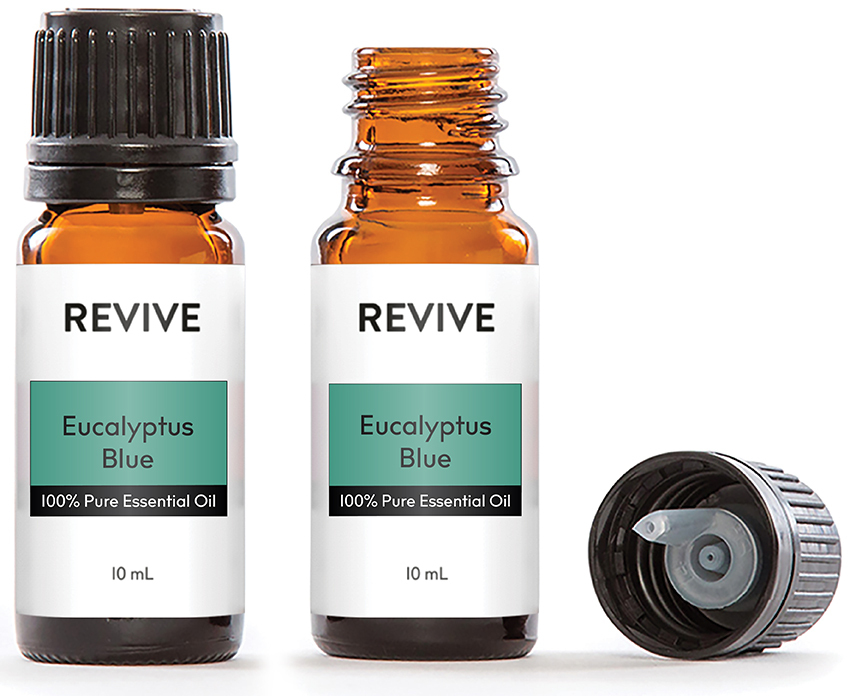
Breathe freely in allergy season
The oil that opens my airways
When my nose is blocked and my chest feels tight in allergy season, a few drops of eucalyptus in a bowl of hot water or a diffuser helps me breathe and keeps the mucus moving. Peppermint and basil work in a similar way.
- 2 to 3 drops in a bowl of hot water, breathe the steam for 5 minutes
- Or 3 to 5 drops in a diffuser in the bedroom
- Not for children under 2; not on the skin undiluted
- Skip it if strong smells trigger your asthma
Affiliate link: we may earn a small commission at no extra cost to you.
5. Local honey
Honey works on the same idea as bee pollen, and research backs the “local” part.
- 1 teaspoon of raw local honey a day, starting before your season.
- Never for babies under 12 months.
What the research says: Ordinary supermarket honey didn’t help in one trial (Rajan et al., 2002), but honey with added local birch pollen, taken before the season, reduced symptoms in people allergic to birch (Saarinen et al., 2011).
6. Vitamin C
For immunity, I take extra vitamin C throughout my allergy season.
- Eat plenty of citrus, kiwi, peppers and berries.
- A vitamin C supplement during your season if you like.
What the research says: Vitamin C is a mild natural antihistamine and supports the immune system (Trincianti et al., 2025).
7. Peppermint, eucalyptus or basil oil
These essential oils help you open your airways and stay as mucus-free as possible.
- 2 to 3 drops in a bowl of hot water; cover your head with a towel and breathe the steam for 5 minutes.
- Or a few drops in a diffuser.
- No eucalyptus or peppermint for children under 2; avoid if strong scents trigger asthma.
8. Kefir and probiotics
A healthy gut supports a calmer immune system. I eat my bee pollen in kefir for that reason.
- A glass of kefir or a bowl of plain yoghurt daily.
- Or a probiotic supplement during your season.
What the research says: A meta-analysis found probiotics improved allergic rhinitis symptoms and quality of life (Luo et al., 2022).
9. Nettle and quercetin
Two classic natural antihistamines from herbalism.
- Nettle tea, 2 to 3 cups a day in season.
- Quercetin-rich foods: onions, apples, capers, berries.
What the research says: In a small trial, freeze-dried nettle was rated better than placebo by people with hay fever (Mittman, 1990).
10. Butterbur (with care)
An extract of butterbur has some of the best evidence of any herb for hay fever.
- Only use a certified PA-free extract (the raw plant can harm the liver).
- Not in pregnancy or for children.
What the research says: In a randomised trial, a butterbur extract worked about as well as a standard antihistamine tablet for hay fever (Schapowal et al., 2002).
The Best Natural Antihistamines
Natural antihistamines either block histamine or calm the mast cells that release it. The most promising, from the remedies above:
- Annatto (Bixa orellana) leaf: blocks histamine effects in lab and animal research.
- Butterbur extract (PA-free): the strongest human evidence of any herb.
- Nettle: a classic hay fever herb with a small trial behind it.
- Quercetin: a plant flavonoid in onions, apples and capers that stabilises mast cells.
- Vitamin C: mild, safe and easy.
- Propolis and bee pollen: calm mast cells in lab studies (with the allergy caution above).
Natural allergy relief during pregnancy: stick to the gentlest options: saline nose and eye drops, steam with plain water, vitamin C from food, kefir and keeping your home allergen-free. Skip herbs, butterbur, bee pollen and essential oils unless your midwife agrees.
How to Get Rid of Allergies in Your Home: Pollen, Dust and Mould
- Pollen: keep windows closed in the morning and on windy days, dry laundry indoors in season, shower before bed.
- Dust mites: wash bedding weekly at 60°C, use allergen-proof covers, keep the bedroom simple and vacuum with a HEPA filter.
- Mould: keep humidity below 50%, air the house daily, dry the bathroom after showers, fix damp spots, and rake up wet leaves outside in autumn.
- Pets: keep them out of the bedroom and brush them outside.
- Air: an air purifier with a HEPA filter in the bedroom helps with all of the above.
Allergies in the Eyes, Throat and Cough
Eyes: preservative-free saline or artificial tear drops, cold compresses and cooled chamomile tea bags; don’t rub your eyes. Sore or itchy throat: gargle with warm salt water and sip warm water with honey (over 12 months). Allergy cough: usually caused by mucus dripping down the back of your throat; rinse your nose, steam and raise your pillow (see post-nasal drip and how to stop coughing). Runny nose: see how to stop a runny nose.
Can You Get Rid of Allergies Permanently?
Honestly, it’s very hard to get rid of allergies permanently. But you’re very capable of managing them with the remedies above, and many people find their symptoms become milder over the years when they combine local bee products, a healthy gut and a home with fewer triggers. Some allergies also fade with age. If allergies seriously affect your life, ask an allergist about allergen immunotherapy (allergy shots or tablets), the one treatment that retrains the immune system over several years.
Related Guides
- How to unstuff your nose
- How to stop a runny nose
- Post-nasal drip
- Sinus infection home remedies
- Essential oils for the airways
- Healing your gut naturally
Frequently Asked Questions
What are the best home remedies for allergies?
Saline nose and eye drops for immediate relief, annatto leaf, nettle and vitamin C as natural antihistamines, local bee pollen and propolis in season, steam with eucalyptus or peppermint oil, kefir, and keeping pollen, dust and mould out of your home.
How do you get rid of allergies fast?
Rinse your nose and eyes with saline, wash pollen off your face and hair, breathe steam with eucalyptus oil, and put a cold compress on itchy eyes.
What is the best natural antihistamine?
Annatto (Bixa orellana) leaf, butterbur extract, nettle, quercetin and vitamin C. Butterbur has the strongest human evidence; annatto is very promising in lab research.
Does bee pollen help allergies?
Local bee pollen, taken in the right season, works like a gentle “vaccine” for many people. Start with a few granules: it can cause allergic reactions, and avoid it if you’re allergic to bees.
Does local honey help allergies?
Ordinary honey didn’t help in a trial, but honey containing local pollen, taken before the season, reduced symptoms. Never give honey to babies under 12 months.
Is it a cold or allergies?
Allergies cause itchy eyes and nose, clear mucus and no fever, and last as long as you’re exposed. A cold can bring fever and aches, thicker mucus, and passes in 7 to 10 days.
Can you get rid of allergies permanently?
It’s very hard, but you can manage allergies well with natural remedies. Allergen immunotherapy from an allergist is the one treatment that retrains the immune system long term.
What helps allergies in the eyes?
Preservative-free saline or artificial tear drops, cold compresses and cooled chamomile tea bags. Don’t rub your eyes.
Why are my allergies worse in autumn?
Falling, rotting leaves release mould spores, and some weeds pollinate late. Rake up wet leaves, air your home and use saline drops.
Recommended
Some links on this page are affiliate links, marked as such. If you buy through them, we may earn a small commission at no extra cost to you. This article is for general information and does not replace a diagnosis from a qualified professional. Read our medical disclaimer or browse more natural remedies.
