
Written and medically reviewed by Veronique Claes d’Erckenteel, D.C., chiropractor since 1991 · Last reviewed: 20 October 2026
The best way to get your voice back with laryngitis is simple: stop talking and rest. Your vocal folds are swollen, and every word makes them rub together; silence lets them heal. Add lots of fluids, little to no alcohol, steam or a humidifier, and soothing remedies like honey, marshmallow root and chamomile tea. Don’t whisper: it strains your voice box more than soft talking. Most laryngitis is caused by a virus and gets better on its own within one to two weeks. See an ear, nose and throat specialist if you’re still hoarse after three weeks, and get help straight away if you struggle to breathe or swallow.
You wake up, open your mouth, and nothing comes out but a croak. Laryngitis is annoying, especially when your work depends on your voice, and the temptation is to push through it. That’s exactly what keeps it going. In our family, the rule is the same every time someone loses their voice: no talking, lots of fluids, no alcohol, and let the body do the rest. This guide explains why that works, and gives you 25 home remedies to support it.
The short version
- Rest your voice: talk as little as possible, and don’t whisper.
- Drink lots of fluids: water, herbal tea, warm broth.
- Little to no alcohol, and go easy on coffee: both dry you out.
- Breathe steam twice a day and run a cool mist humidifier at night.
- Soothe with honey, marshmallow root, chamomile and licorice.
- Antibiotics don’t help laryngitis: it’s almost always viral or from overuse.
- Still hoarse after 3 weeks? See an ENT specialist.
Get help straight away for trouble breathing, a harsh, high-pitched sound when breathing in, drooling or being unable to swallow, coughing up blood, or a child with a barking cough who struggles to breathe. Call 112 (Europe) or 911 (US).
Table of Contents
- What Is Laryngitis?
- Laryngitis Symptoms
- What Causes Laryngitis?
- The Best Remedy: Rest Your Voice
- 25 Home Remedies for Laryngitis
- How to Get Your Voice Back Fast
- How Long Does Laryngitis Last?
- Is Laryngitis Contagious?
- Laryngitis and Antibiotics
- Chronic Laryngitis
- Laryngitis in Children
- When to See a Doctor or ENT Specialist
- Frequently Asked Questions
What Is Laryngitis?
Laryngitis is inflammation of the larynx, your voice box, at the top of your windpipe. Inside it sit two small bands of muscle and tissue, the vocal folds. When you speak, they vibrate hundreds of times a second to make sound. When they swell, they can’t vibrate smoothly, so your voice turns hoarse, breathy or disappears completely.
- Acute laryngitis comes on suddenly, usually with a cold, and lasts less than three weeks.
- Chronic laryngitis lasts longer than three weeks and usually has an ongoing cause, like reflux, smoking or constant voice strain.
Laryngitis Symptoms
- A hoarse, rough, weak or breathy voice, or losing your voice completely
- A tickly, raw or sore throat
- A dry, irritating cough and the urge to keep clearing your throat
- A feeling of a lump in the throat
- Sometimes cold symptoms: a runny nose, a mild fever, tiredness, swollen glands
What Causes Laryngitis?
- Viruses: the most common cause, usually the same viruses as a cold or flu. This is viral laryngitis.
- Voice overuse: shouting at a match, singing, talking over noise, or teaching all day.
- Reflux: stomach acid rising up to the throat, often at night. See GERD cough remedies.
- Post nasal drip and allergies: mucus and allergens irritating the voice box. See post nasal drip.
- Smoking, alcohol and dry air: all dry out and irritate the vocal folds.
- Bacterial laryngitis is rare, and usually follows a viral infection.
The Best Remedy: Rest Your Voice
If you remember one thing from this page, let it be this: the best way to restore your voice and your larynx is to stop talking and rest. Swollen vocal folds heal the same way a sprained ankle does, by not using them. Every word you say makes them collide and vibrate, and pushing your voice while they’re inflamed can leave you hoarse for weeks instead of days. Rest is so important for healing vocal folds that after vocal fold surgery, voice rest is a standard part of recovery (systematic review, 2025).
- Talk as little as possible for two to three days. Use a notepad, your phone or gestures.
- Don’t whisper. It feels gentler, but in many people the voice box squeezes harder when whispering than when speaking softly (study on whispering, 2006). If you must speak, use a soft, relaxed, normal voice.
- Don’t clear your throat. It slams the vocal folds together. Swallow or sip water instead.
- No singing, shouting or phone calls.
- Rest your whole body. Stay home if you can: your body heals faster, and you won’t be tempted to talk.
25 Home Remedies for Laryngitis
1. Voice rest
The number one remedy, as above. Two to three days of near silence often does more than everything else on this list combined.
2. Lots of fluids
Your vocal folds need a thin, watery layer of mucus to vibrate smoothly. When you’re dehydrated, that layer gets thick and sticky, and your voice has to work harder (review on hydration and the vocal folds, 2010; study on hydration and vocal fatigue, 2003). Drink a glass of water, herbal tea or broth every hour you’re awake. Your wee should be pale.
3. Little to no alcohol
Alcohol dries out your throat and body, irritates the lining of your voice box and makes reflux worse. Skip it completely until your voice is back.
4. Go easy on coffee
Coffee and strong black tea are fine in small amounts, but balance every cup with an extra glass of water. Herbal teas are the better choice while you heal.
5. Steam inhalation
Steam is one of the few remedies that reaches your vocal folds directly. Moist air thins the mucus on the vocal folds and eases the effort of speaking. Lean over a bowl of hot (not boiling) water with a towel over your head for 10 minutes, twice a day, breathing through your mouth and nose. A hot shower works too.
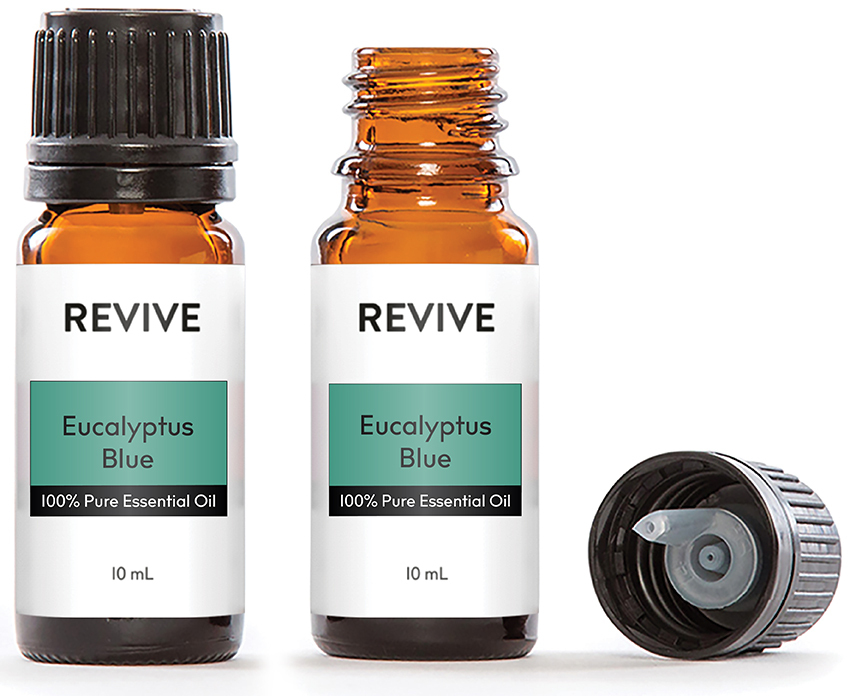
For your steam bowl
Eucalyptus steam for a sore voice box
Steam is one of the few things that reaches your vocal folds directly. A few drops of eucalyptus make it even more soothing for an inflamed throat and a blocked nose, which keeps you breathing through your nose instead of your mouth.
- Pure Eucalyptus globulus oil
- 2 to 3 drops in a bowl of steaming water, 10 minutes, twice a day
- Or 5 to 8 drops in the diffuser at night
- Not for children under 2; never to drink
Affiliate link: we may earn a small commission at no extra cost to you.
6. A cool mist humidifier
Dry air, especially from central heating, dries out your throat overnight. Run a cool mist humidifier in the bedroom and aim for 40 to 50% humidity. Clean it every day so it doesn’t grow mould.
7. Saline nebulizer
If you have a nebulizer at home, breathing in sterile saline (0.9%) for 10 minutes moistens the vocal folds directly: in singers whose throats had been dried out on purpose, nebulized saline made speaking feel easier (study in singers, 2015). Saline only, never essential oils.
8. Honey
Honey coats and soothes a raw throat and calms the dry cough that often comes with laryngitis (Oduwole et al., Cochrane). Take a spoonful on its own up to four times a day, or stir it into warm water or tea. Honey lozenges keep your throat moist too. From 12 months only. More in honey for cough.
9. Marshmallow root tea
Marshmallow root is full of mucilage, a soft gel that coats an irritated throat. A tea with marshmallow, slippery elm and licorice eased throat pain within 30 minutes in a placebo-controlled trial (Brinckmann et al., 2003). Soak a tablespoon of root in a cup of cold water for a few hours, strain and warm gently. Two hours apart from medicines.
10. Slippery elm
Another coating herb. Stir a teaspoon of the powder into a cup of warm water with honey and sip slowly.
11. Licorice root gargle
Licorice soothes and calms inflammation; gargling with it reduced sore throat after surgery in several trials (meta-analysis, 2018). Simmer a teaspoon of dried root for 10 minutes, cool, then gargle gently and spit. Skip licorice with high blood pressure, heart, kidney or liver problems, or in pregnancy.
12. Chamomile tea
Calming and anti-inflammatory, and lovely before bed (Srivastava et al., 2010). Steep a heaped teaspoon of flowers for 10 minutes. Once cooled, you can also gargle with it.
13. Sage gargle
Sage is the classic European throat herb: a sage spray eased acute throat inflammation within two hours (Hubbert et al., 2006). Steep a teaspoon of dried sage for 10 minutes, let it cool to warm and gargle. Not in pregnancy or with epilepsy.
14. Gentle salt water gargle
½ teaspoon of salt in a glass of lukewarm water. Gargle gently, without making a sound, two to three times a day, and spit it out. It soothes the throat and loosens mucus.
15. Ginger tea
Warming and anti-inflammatory. Simmer an inch of sliced fresh ginger for 10 minutes and add honey and a little lemon.
16. Warm water with honey and lemon
A classic. Warm, not hot, water with a teaspoon of honey and a squeeze of lemon. Go easy on the lemon if acid bothers you or you have reflux.
17. Turmeric milk
Simmer ½ teaspoon of turmeric with a pinch of black pepper in a cup of milk or plant milk, two to three times a day. Traditionally used to calm inflammation.
18. Clove tea
Cloves warm and gently numb the throat. Steep 3 to 4 whole cloves in a cup of boiling water for 10 minutes and add honey. (The old version of this article suggested clove oil in honey; that’s too strong for a raw throat.)
19. Cinnamon and honey tea
Steep a teaspoon of ground cinnamon in boiling water for 10 minutes, strain and add 2 to 3 teaspoons of honey. Up to three cups a day.
20. Garlic
Garlic is a traditional immune food; a daily garlic supplement meant fewer colds in a trial (Josling, 2001). Add crushed raw garlic to warm soups and dressings.
21. Onion syrup
Simmer a chopped onion in 2 cups of water until reduced and syrupy. Mix 2 tablespoons with a tablespoon of honey and a few drops of lemon in lukewarm water, twice a day.
22. Warm soups and broths
Easy to swallow, hydrating and nourishing. Chicken soup even calmed inflammation in the lab (Rennard et al., 2000). Choose homemade or low-salt.
23. Aloe vera and honey
Mix 2 teaspoons of fresh aloe vera gel (from the inner leaf only) with 2 teaspoons of honey, once a day. Traditionally used to soothe the throat.
24. Mullein and licorice infusion
Steep a teaspoon each of mullein leaf and licorice root and a tablespoon of marshmallow leaf in a cup of boiling water for 20 minutes. Strain through a coffee filter and add honey. (We’ve left out coltsfoot from the old recipe: it contains compounds that can harm the liver.)
25. Diluted apple cider vinegar
A traditional remedy: a tablespoon of raw apple cider vinegar with a teaspoon of honey in a glass of warm water. Always diluted, rinse your mouth with water afterwards, and skip it with reflux.
How to Get Your Voice Back Fast
There’s no shortcut that beats rest, but this is the fastest way I know to get your voice back, after being sick or after straining it:
- Stop talking for 24 to 48 hours, and don’t whisper.
- Drink a glass of water or herbal tea every hour.
- No alcohol and as little coffee as you can manage.
- Steam twice a day, 10 minutes each time.
- Sleep with a humidifier and your head raised.
- Soothe with honey, marshmallow root or chamomile tea.
- Come back gently: once your voice returns, speak softly and in short bursts for a few days.
Can you cure laryngitis in 24 hours? If it’s from overuse, a day of complete voice rest and lots of fluids can make a big difference. Viral laryngitis usually takes a few days to a week, whatever you do; these steps make sure you don’t drag it out.
How Long Does Laryngitis Last?
- Acute laryngitis from a virus: usually 3 to 7 days, up to two weeks.
- From voice strain: often a few days with proper rest.
- Chronic laryngitis: more than three weeks, until the cause is dealt with.
Is Laryngitis Contagious?
Laryngitis itself isn’t contagious, but the virus that often causes it is. If your laryngitis came with a cold, you can pass that cold on, mostly in the first few days, while you have a fever or a runny nose. Laryngitis from voice strain, reflux or smoking isn’t contagious at all. Should you stay home? If you can, yes: you’ll rest your voice, rest your body and protect your colleagues.
Laryngitis and Antibiotics
Antibiotics don’t help most laryngitis, because it’s caused by a virus or by overuse. A Cochrane review found that antibiotics didn’t make a meaningful difference to how quickly people with acute laryngitis got their voice back (Reveiz and Cardona, Cochrane, 2013). Rest, fluids and steam remain the treatment.
Chronic Laryngitis
When hoarseness lasts longer than three weeks or keeps coming back, look for the root cause:
- Reflux (especially “silent” reflux, without heartburn): hoarseness that’s worse in the morning, throat clearing, a lump feeling.
- Smoking or vaping.
- Daily voice strain: teachers, singers, call centre workers. A speech and voice therapist can teach you to use your voice without straining it.
- Allergies and post nasal drip.
- Dry air and dehydration, day after day.
Hoarseness that lasts more than three weeks should always be checked by an ENT specialist, especially if you smoke.
Laryngitis in Children
Children get laryngitis with colds too, and the same rules apply: rest the voice, lots of fluids, a humidifier, and honey from 12 months. In young children, a swollen voice box can cause croup: a barking, seal-like cough and a harsh sound when breathing in, often at night. Cool night air or a steamy bathroom often helps. Get help straight away if your child struggles to breathe, the harsh sound continues at rest, or they drool or can’t swallow. More in home remedies for cough in kids.
When to See a Doctor or ENT Specialist
- Emergency (112 / 911): trouble breathing, a harsh sound when breathing in, drooling or being unable to swallow, coughing up blood.
- An ENT specialist (ear, nose and throat) for hoarseness lasting more than three weeks, a voice that keeps disappearing, or hoarseness in a smoker.
- A speech and voice therapist if your work depends on your voice and you keep losing it.
- Your GP for a high fever, severe throat pain, or pain spreading to the ear.
More in when to see a doctor for a cough.
Frequently Asked Questions
What is the fastest way to cure laryngitis?
Stop talking and rest. Add lots of fluids, no alcohol, steam twice a day and a humidifier at night. Viral laryngitis usually clears in 3 to 7 days.
How do you get your voice back fast?
Rest your voice completely for 24 to 48 hours without whispering, drink water or herbal tea every hour, breathe steam and soothe your throat with honey. Then speak softly for a few days.
Is laryngitis contagious?
Laryngitis itself isn’t, but the cold or flu virus behind it can be, mostly in the first few days. Laryngitis from voice strain or reflux isn’t contagious.
Does a humidifier help laryngitis?
Yes. Moist air keeps your vocal folds hydrated and your throat from drying out overnight. Use a cool mist humidifier at 40 to 50% humidity and clean it daily.
How long does laryngitis last?
Usually 3 to 7 days, up to two weeks. Hoarseness lasting more than three weeks is chronic and should be checked by an ENT specialist.
Should you whisper with laryngitis?
No. Whispering often strains your voice box more than soft, normal speech. Rest your voice, and if you must speak, use a soft, relaxed voice.
Do you need antibiotics for laryngitis?
Usually not. Most laryngitis is caused by a virus or overuse, and a Cochrane review found antibiotics made no meaningful difference.
What should you not drink with laryngitis?
Alcohol, and too much coffee or strong tea: they dry out your throat. Very hot drinks can irritate it too. Choose water, warm herbal teas and broth.
Recommended
- Best Tea for Sore Throat and Cough
- Strep Throat Natural Treatment
- Post Nasal Drip
- GERD Cough Remedies
- Honey for Cough
Some links on this page are affiliate links, marked as such. If you buy through them, we may earn a small commission at no extra cost to you. This article is for general information and does not replace a diagnosis from a qualified professional. Read our medical disclaimer or browse more natural remedies.
