
25 Home Remedies for Bronchitis: How to Stop the Cough Naturally (Adults, Kids and Babies)

Written and medically reviewed by Veronique Claes d’Erckenteel, D.C., chiropractor since 1991 · Last reviewed: 20 October 2026
Most bronchitis is caused by a virus and clears up on its own in one to three weeks, which is why antibiotics rarely help and why home remedies are the natural place to start. The remedies that work best to stop a bronchitis cough are honey (from 12 months), thyme tea, eucalyptus in the diffuser at night (from age 2), warm Epsom salt baths, salt water nose rinses, steam, lots of warm fluids, rest and sleeping propped up. In our family these have carried three generations through bronchitis, and my grandson through bronchiolitis at five months old without any medicine: sleeping upright on his mother, saline rinses three times a day, long Epsom salt baths and a thyme, clove and chamomile steam.
Bronchitis is the cough that settles in your chest. It starts like a cold, and then the tickle moves down: a deep, rattling cough, thick mucus, a tight chest, sometimes a wheeze, and nights where you cough more than you sleep. The good news is that the body, even a baby’s body, is very capable of healing from it when you support it well. This guide brings together what has worked in our family for three generations, with the research behind it. It’s part of our cough series; for the cough in general, see how to stop coughing.
The short version
- About 9 in 10 cases of bronchitis are viral: antibiotics don’t help a virus.
- Best for the cough: honey (12 months+), thyme tea, steam, eucalyptus at night (2 years+).
- Warm Epsom salt baths relax the chest and help you sleep.
- Rinse the nose with salt water: mucus from the nose feeds the cough.
- Sleep propped up so mucus can drain.
- Babies: upright sleep on a parent, saline rinses, warm baths, a gentle thyme and chamomile steam.
- No eucalyptus or peppermint oil under age 2.
When the body needs more than remedies: skin pulling in between or under the ribs with each breath, pauses in breathing, grunting, blue or grey lips, fast breathing that doesn’t settle, or (in babies) drinking less than half the usual amount or far fewer wet nappies. These mean oxygen or fluids are needed, and no remedy replaces those. Call 112 (Europe) or 911 (US).
Table of Contents
- What Is Bronchitis?
- Why We Go Nature First
- Our Family’s Bronchiolitis Plan for a Baby
- 25 Home Remedies for Bronchitis
- How to Stop Coughing with Bronchitis
- How to Stop Coughing at Night with Bronchitis
- Bronchitis in Adults: My Eucalyptus Routine
- Bronchitis in Children: Oils by Age
- How Long Does Bronchitis Last?
- Chronic Bronchitis
- Frequently Asked Questions
What Is Bronchitis?
Bronchitis is inflammation of the bronchi, the airways that carry air into your lungs. The lining swells and makes extra mucus, and your body coughs to clear it.
- Acute bronchitis: usually follows a cold or flu, and the cough lasts one to three weeks. It’s caused by a virus in about 9 out of 10 cases.
- Bronchiolitis: the baby version. A virus (most often RSV) inflames the tiniest airways, the bronchioles, in babies under 2. It peaks around day 3 to 5 and the cough can linger for a few weeks.
- Chronic bronchitis: a cough with mucus on most days for at least three months, two years in a row. Usually linked to smoking or polluted air.
Symptoms: a deep cough with clear, white, yellow or green mucus (colour alone doesn’t mean bacteria), a tight or sore chest, a wheeze, a sore throat, tiredness and sometimes a mild fever.
Why We Go Nature First
Because bronchitis is almost always viral, the medicines most often handed out for it do very little:
- Antibiotics: a Cochrane review found they shortened a bronchitis cough by about half a day, while causing more side effects such as nausea and diarrhoea (Smith et al., Cochrane, 2017).
- Bronchodilators in babies with bronchiolitis: a Cochrane review found they didn’t improve oxygen levels, hospital admissions or how long babies were ill (Gadomski and Scribani, Cochrane, 2014), while causing side effects like a racing heart, trembling and more agitation (adverse effects review, 2015). Those side effects can make a parent think the bronchiolitis is getting worse, when it’s the medicine.
- A baby’s gut: in the first months of life, the gut microbiome is still being built, the same gut that will soon learn to handle solid food and deal with bad bacteria. Antibiotics in this window disturb it, with effects that research links to allergies and weight later on (review on the first 1000 days, 2021).
So in our family, we support the body instead: clear the airways, keep the mucus moving, keep the body warm, hydrated and rested, and let it do what it’s built to do.
Our Family’s Bronchiolitis Plan for a Baby
When my grandson had bronchiolitis at five months old, my daughter Montoya didn’t give him any medicine. This is what she did, and he came through it beautifully:
- Sleep upright on a parent. For two to three nights, he slept on top of her while she rested upright against pillows. Being upright helps the mucus drain and makes breathing easier, and being right there meant she could gently pat his back each time he coughed, so everything came out faster. Take turns with a partner, so the adult holding the baby stays awake, and never do this on a sofa.
- Salt water nose rinse three times a day. Babies only breathe through their nose, so a blocked nose makes feeding and breathing much harder. Use saline drops or spray from the pharmacy, a few drops in each nostril, then gently clear the mucus with a nasal aspirator, especially before feeds and sleep.
- Long warm baths with Epsom salt. A warm bath relaxes a baby who’s working hard to breathe, and the steam loosens mucus. We use a handful (about ½ cup) of Epsom salt in a baby bath at 37 °C, for as long as the water stays warm. Never leave a baby alone in the bath, and don’t let them drink the water: Epsom salt is a laxative.
- A thyme, clove and chamomile steam, three times a day. 1 drop of thyme oil, 1 drop of clove oil and 3 drops of chamomile oil in a bowl of steaming hot water, placed safely out of reach across the room, or in a diffuser. Be very strict: really not more than 1 drop of thyme and 1 of clove, or it will be far too strong for a baby. Never put essential oils in the nebulizer, on a baby’s skin or near the nose.
- Nebulize with saline. If you have a nebulizer, use it with sterile saline (0.9%) from the pharmacy. Nebulized salt water helps thin the mucus in babies with bronchiolitis (Zhang et al., Cochrane, 2017; Sarrell et al., 2002). Oils don’t mix with water, so in a nebulizer they would reach the smallest airways as pure oil droplets.
- Feed little and often. Breastfeeding or bottle feeds in smaller, more frequent amounts keep a baby hydrated without tiring them out.
Why these oils? In a review of essential oil compounds for children’s infections, Pauli and Schilcher found that compounds in thyme, clove (eugenol) and chamomile (bisabolol) act against bacteria such as Staphylococcus aureus and Streptococcus pneumoniae, and concluded that inhaling them is the sensible route for mild infections (Pauli and Schilcher, 2004). The same paper warns that menthol and camphor can stop a baby’s breathing, which is why peppermint and eucalyptus aren’t used under 2. Choose a gentle linalool type thyme, and know that Revive lists its clove oil as not for children: we use it only as that single drop in the steam bowl, never on the skin.
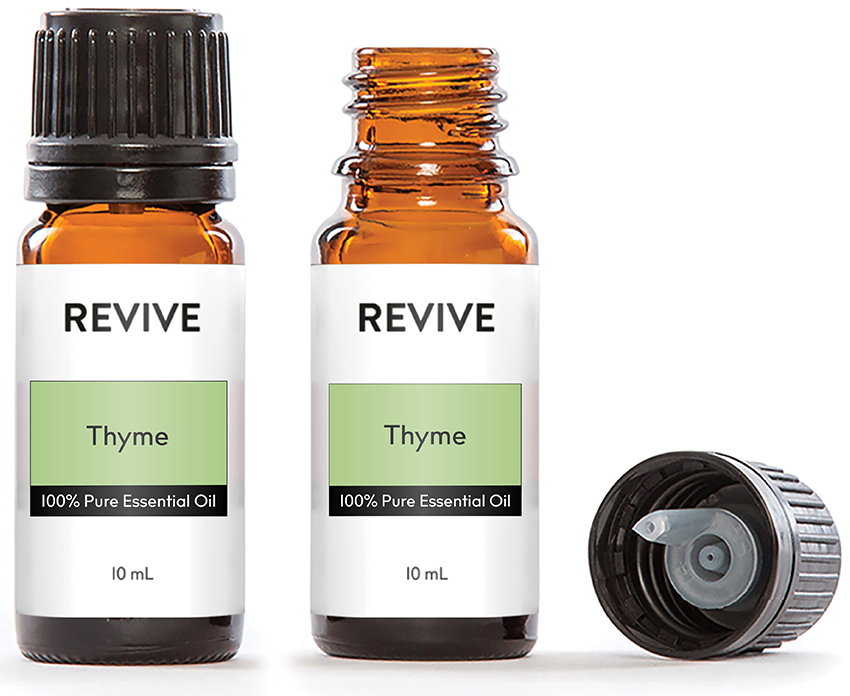
The gentle thyme
Thyme for little lungs
Not all thyme oil is the same. Thyme with a lot of thymol is strong and burns; the linalool type is soft enough for children, which is why this is the one I choose for steam in the nursery. Together with chamomile, it’s the base of our family’s bronchiolitis steam.
- Thymus vulgaris, linalool chemotype
- Babies: 1 drop in a bowl of hot water across the room, never more
- From age 2: 2 to 3 drops in the diffuser
- Never on a baby’s skin, never in the nose or the nebulizer
Affiliate link: we may earn a small commission at no extra cost to you. Find all the oils we use at Revive Essential Oils.
25 Home Remedies for Bronchitis
1. Honey
Honey coats the throat, calms the cough reflex and helps you sleep. A Cochrane review found it eased cough better than no treatment (Oduwole et al., Cochrane). Take a teaspoon on its own, in warm water with lemon, or make our onion honey: slice an onion, cover it with honey overnight and take a teaspoon four times a day. From 12 months only. More recipes in honey for cough.
2. Thyme tea
Thyme loosens mucus and calms the airways. A thyme and ivy extract reduced coughing fits in adults with acute bronchitis in a placebo-controlled trial (Kemmerich et al., 2006), and so did thyme with primrose root (Kemmerich, 2007). Steep a teaspoon of dried thyme in a cup of boiling water for 10 minutes, covered, and add honey. Three cups a day.
3. Eucalyptus in the diffuser
Eucalyptus is my oil for adult bronchitis. Its main compound, cineole, reduced coughing fits in adults with acute bronchitis (Fischer and Dethlefsen, 2013). 5 to 8 drops in the diffuser at night. From age 2 only.
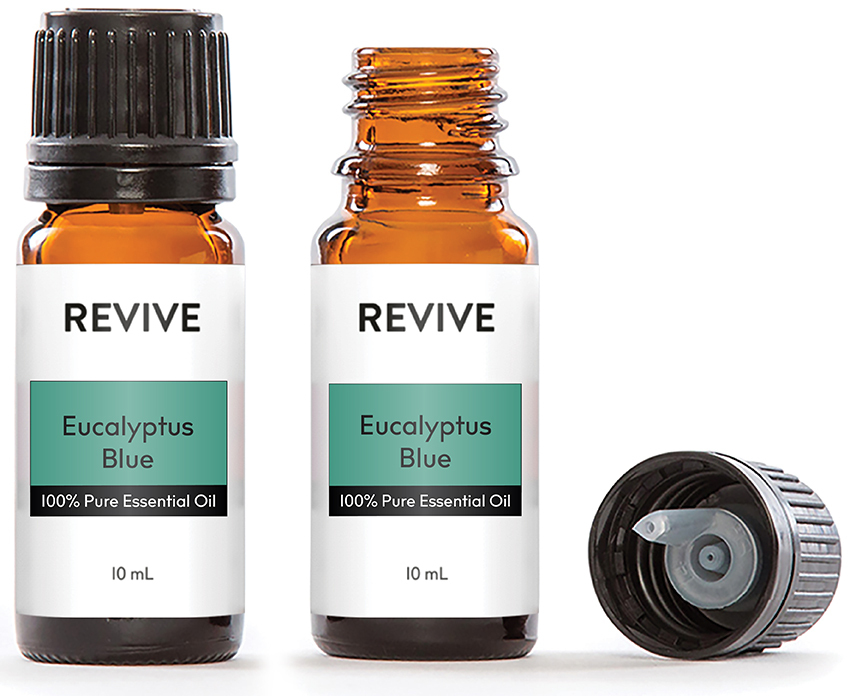
My oil for adult bronchitis
Eucalyptus for a chesty cough
Eucalyptus is my first choice for bronchitis in adults. Its main compound, cineole, eased cough and the number of coughing fits in a trial in adults with acute bronchitis. I use it in the diffuser at night and in my Epsom salt bath.
- Pure Eucalyptus globulus oil
- 5 to 8 drops in the diffuser at night
- 5 drops mixed into the Epsom salt before it goes in the bath
- Not for children under 2
Affiliate link: we may earn a small commission at no extra cost to you.
4. Epsom salt bath
A warm bath with Epsom salt (magnesium sulphate) relaxes the chest muscles that ache from coughing, and the steam loosens mucus. Lab research shows magnesium can pass through the skin, mainly through the hair follicles (Chandrasekaran et al., 2016); how much reaches the body is still debated (Gröber et al., 2017). For adults: 2 cups of Epsom salt in a full bath, 20 minutes, once or twice a day. Mix 5 drops of eucalyptus into the salt first, because oil floats on water.
5. Salt water nose rinse
Mucus running down from the nose feeds a bronchitis cough, especially at night. Rinse with a neti pot or squeeze bottle (adults and older children), or saline drops for babies, two to three times a day. Use sterile or boiled and cooled water. More in our post nasal drip guide.
6. Saline nebulizer
A nebulizer with sterile saline (0.9%) moistens the airways and thins sticky mucus, for babies, children and adults (Zhang et al., Cochrane, 2017). Two to three times a day. Saline only, never oils.
7. Herbal steam
Lean over a bowl of hot water with a towel over your head for 10 minutes, with 3 to 5 drops of eucalyptus, thyme or pine needle oil (adults). For babies and toddlers, the bowl goes across the room, never under a towel, with the gentle thyme and chamomile mix above.
8. Sleep propped up
Lying flat lets mucus pool in your throat and chest. Sleep on an extra pillow or two, or raise the head of the bed. For babies, see our plan above.
9. Cough it out, with a little help
The bronchitis cough is useful: it’s how your lungs clear the mucus. Don’t suppress a productive cough. Pat a child’s back gently with a cupped hand when they cough, and for adults, sit up, breathe in deeply and give two or three strong “huffs” to bring mucus up.
10. Warm fluids all day
Water, herbal teas and broth keep mucus thin and easy to cough up. Aim for a glass every hour you’re awake, and go easy on alcohol and coffee, which dry you out. A hot drink also brings fast relief from cough and chest symptoms (Sanu and Eccles, 2008).
11. Salt water gargle
½ teaspoon of salt in a glass of warm water, gargle and spit, three to four times a day, for the sore throat that comes with bronchitis. From about age 6.
12. Ginger tea
Ginger warms you, calms inflammation and relaxes the airways. Simmer 3 to 4 slices of fresh ginger for 10 minutes, with a clove and a pinch of black pepper if you like, and add honey and lemon.
13. Garlic
Garlic is a traditional immune food; in a trial, a daily garlic supplement meant fewer colds (Josling, 2001). Add raw crushed garlic to soups and dressings, or simmer 3 chopped cloves in a cup of milk and drink it warm at bedtime, as the old version of this article suggested.
14. Onion
Onion has been used for chest coughs for generations: as onion honey (see honey above), in soups, or as a warm onion poultice on the chest, a classic in European folk medicine.
15. Turmeric milk
Simmer a teaspoon of turmeric with a pinch of black pepper in a cup of milk or plant milk and drink it warm, up to twice a day. Traditionally used to calm inflammation. Skip it with gallstones or stomach ulcers.
16. Vitamin C
Vitamin C slightly shortens colds (Douglas and Hemilä, Cochrane). I use liposomal vitamin C, which is better absorbed, at 2 to 3 times the label dose while ill. Too much can loosen stools; cut back if it does, and skip high doses if you’ve had kidney stones. Fresh lemon and orange add a little too.
17. Pelargonium (South African geranium)
The best studied herbal remedy for bronchitis. A root extract eased acute bronchitis faster than placebo in adults (adult trial, 2007) and in children and teenagers (children trial, 2010). Use a ready-made preparation and follow the label for age. Not in pregnancy or with liver problems.
18. Mullein tea
Mullein leaf is a traditional lung herb for dry, irritated airways. Steep 1 to 2 teaspoons of dried leaves for 10 to 15 minutes, and strain through a coffee filter to remove the tiny hairs. Add honey.
19. Licorice root tea
Licorice soothes the throat and loosens mucus. Simmer a teaspoon of dried root for 10 minutes, one to two cups a day, for no more than a week or two. Skip it with high blood pressure, heart or kidney problems, or in pregnancy.
20. Ribwort plantain
Ribwort plantain (Plantago lanceolata) is a traditional European cough herb for irritated airways. Steep a teaspoon of the dried leaf in hot water for 10 minutes, or use a ready-made syrup.
21. Bay leaf tea
A traditional Mediterranean chest remedy: steep 2 to 3 dried bay leaves in boiling water for 10 minutes, add honey and sip warm.
22. Oregano oil (adults)
Oregano oil is very strong. Adults can take 1 drop in a teaspoon of honey or olive oil, once or twice a day, for a few days. Never neat under the tongue, where it burns. Not for children, or in pregnancy.
23. Chest rub
Mix 5 drops each of eucalyptus, thyme and rosemary oil into 4 tablespoons of coconut or olive oil and rub it into the chest and back at night (adults). For children aged 2 to 10, use 1 drop of each in the same amount of oil and leave out rosemary. Under 2: a little plain warm oil rubbed on the back, with no eucalyptus or peppermint.
24. Mustard plaster (adults)
A grandmother’s remedy: mix 1 tablespoon of mustard powder with 4 tablespoons of flour and enough warm water to make a paste, spread it between two layers of cotton cloth and lay it on the chest for up to 15 minutes. It brings warmth and circulation to the chest. Check the skin every few minutes and take it off if it burns. Never on children’s skin.
25. Rest, clean air and a humidifier
Your body heals while you rest and sleep: people who sleep less than seven hours catch colds more easily (Cohen et al., 2009). Run a cool mist humidifier, air your home every day, and stay away from smoke, scented candles, air fresheners and cleaning sprays, which irritate inflamed airways.
How to Stop Coughing with Bronchitis
A bronchitis cough is the body clearing mucus, so the aim isn’t to stop it completely but to make it easier and calmer:
- Loosen the mucus: warm fluids, steam, thyme tea and a saline nebulizer.
- Soothe the throat: honey, licorice or mullein tea and a salt water gargle.
- Clear the nose: salt water rinses, so mucus doesn’t drip down into your throat.
- Calm the airways: eucalyptus in the diffuser (from age 2), Epsom salt baths.
- Avoid triggers: smoke, cold air, perfume and dust.
More in how to stop coughing.
How to Stop Coughing at Night with Bronchitis
- Take an Epsom salt bath before bed, with eucalyptus mixed into the salt (adults).
- Take a spoonful of honey just before you lie down (from 12 months).
- Rinse your nose with salt water before bed.
- Run the diffuser with eucalyptus (from age 2), or thyme and chamomile for little ones.
- Sleep propped up on extra pillows.
- Keep the bedroom air moist with a humidifier, and not too warm.
- Keep water by the bed for coughing fits.
More tips in how to stop a cough at night.
Bronchitis in Adults: My Eucalyptus Routine
For adults, eucalyptus is the oil I reach for. Generally a diffuser at night is enough: 5 to 8 drops before bed, in the bedroom. When it’s really bad, a steam bowl with eucalyptus two to three times a day helps, and a saline nebulizer. And there’s nothing better than ending the day with a warm Epsom salt bath with eucalyptus: it’s a relaxing way to take care of yourself while your chest heals. Add thyme tea, honey and plenty of rest, and most adults are through the worst within a week.
Bronchitis in Children: Oils by Age
| Age | What we use |
|---|---|
| Under 2 | Thyme (linalool type), chamomile and a single drop of clove in a steam bowl across the room or a diffuser. No eucalyptus, no peppermint, no oils on the skin. Saline nose drops and nebulizer, Epsom salt baths, upright sleep. No honey under 12 months. |
| 2 to 6 | Eucalyptus or a kids’ blend in the diffuser, thyme and chamomile steam, a very diluted chest rub, honey, thyme tea, Epsom salt baths. |
| 6 and over | Everything above plus salt water gargles and steam under a towel with supervision. |
More in home remedies for cough in kids.
How Long Does Bronchitis Last?
- Acute bronchitis: the worst is over in about a week, but the cough can last three weeks.
- Bronchiolitis in babies: worst around day 3 to 5, most babies feel better within one to two weeks, and the cough can last up to four weeks.
- Chronic bronchitis: months, and it comes back.
Is bronchitis contagious? The virus behind it is, mostly in the first days. Wash your hands, cough into your elbow and keep babies away from people with colds.
Chronic Bronchitis
A cough with mucus that never really goes away is a sign the airways are being irritated day after day. Stopping smoking is by far the biggest step. Clean air at home, regular saline nebulizing, steam, Epsom salt baths, breathing exercises and staying active all support the lungs. A pulmonologist (lung specialist) can check what’s going on with breathing tests.
Frequently Asked Questions
What is the best home remedy for bronchitis?
Honey (from 12 months) and thyme tea for the cough, eucalyptus in the diffuser at night (from age 2), steam, warm Epsom salt baths, salt water nose rinses, plenty of fluids and rest.
How do you stop coughing with bronchitis?
Make the cough easier rather than stopping it: loosen mucus with warm fluids, steam and thyme tea, soothe the throat with honey, rinse your nose with salt water and calm the airways with eucalyptus and Epsom salt baths.
How do you stop coughing at night with bronchitis?
Take a warm Epsom salt bath with eucalyptus before bed, a spoonful of honey, rinse your nose, run a diffuser and a humidifier, and sleep propped up on extra pillows.
Do you need antibiotics for bronchitis?
Usually not. About 9 in 10 cases are viral, and a Cochrane review found antibiotics shortened the cough by only about half a day, with more side effects.
Can you treat bronchiolitis in a baby at home?
Most babies get through bronchiolitis at home. Keep them upright, rinse the nose with saline, give warm baths, feed little and often and use a gentle thyme and chamomile steam. Watch for skin pulling in between the ribs, pauses in breathing or drinking less than half the usual amount: then oxygen or fluids are needed.
Which essential oils are safe for a baby with bronchiolitis?
We use linalool type thyme, chamomile and a single drop of clove, in a bowl of hot water across the room or a diffuser. Never eucalyptus or peppermint under 2, never oils on a baby’s skin or in a nebulizer.
Does an Epsom salt bath help bronchitis?
A warm Epsom salt bath relaxes the chest muscles, loosens mucus with its steam and helps you sleep. Adults can mix eucalyptus into the salt before adding it to the bath.
How long does a bronchitis cough last?
The worst is usually over within a week, but the cough can linger for up to three weeks, and up to four weeks after bronchiolitis in babies.
Recommended
- How to Stop Coughing
- How to Stop Coughing at Night
- Home Remedies for Cough in Kids
- Honey for Cough
- Best Tea for Sore Throat and Cough
Some links on this page are affiliate links, marked as such. If you buy through them, we may earn a small commission at no extra cost to you. This article is for general information and does not replace a diagnosis from a qualified professional. Read our medical disclaimer or browse more natural remedies.
