

Most American parents worry when their child gets an infection, especially with the rise of antibiotic-resistant bacteria like MRSA. With nearly one-third of people carrying MRSA bacteria unknowingly, this concern is spreading worldwide. Parents everywhere want safe, natural solutions instead of relying on conventional antibiotics. This guide explains MRSA in simple terms, highlights why the problem is growing, and shows how natural remedies can support your efforts to keep your children healthy.
Table of Contents
- What Is MRSA and Why It Occurs
- Types of MRSA and Key Symptoms
- Immune-Boosting Nutrition for MRSA
- Topical Remedies for Skin Infections
- Herbal Supplements and Essential Oils
- Risks, Safety, and What to Avoid
Key Takeaways
| Point | Details |
|---|---|
| Understanding MRSA | MRSA is a antibiotic-resistant bacteria that poses significant health risks, particularly for children with compromised immune systems. |
| Importance of Hygiene | Teaching children proper hygiene practices, such as handwashing and avoiding the sharing of personal items, can help reduce the risk of MRSA transmission. |
| Nutritional Support | A diet rich in immune-boosting nutrients such as Vitamin C, D, Zinc, and Selenium is crucial for enhancing children’s ability to fight MRSA infections. |
| Caution with Treatments | While natural remedies can be beneficial, they should never replace medical advice; always consult healthcare professionals before beginning any alternative treatments. |
What Is MRSA and Why It Occurs
Methicillin-resistant Staphylococcus aureus (MRSA) represents a complex bacterial threat that impacts children’s health in significant ways. This powerful strain of bacteria differs from standard staphylococcus bacteria due to its remarkable resistance to multiple antibiotics, making infections challenging to treat. MRSA causes infections that can range from mild skin irritations to severe systemic complications.
MRSA typically spreads through direct physical contact and thrives in environments with close human interaction like schools, sports facilities, and healthcare settings. About one-third of people naturally carry this bacteria on their skin or inside their nasal passages without experiencing active infections. However, when MRSA enters the body through small cuts or breaks in the skin, it can rapidly multiply and cause painful infections that traditional antibiotics struggle to control.
The primary reason MRSA has become so problematic stems from decades of antibiotic overuse. As medical professionals prescribed antibiotics frequently, bacteria evolved and developed genetic mechanisms to resist standard treatment protocols. This bacterial strain can survive exposure to methicillin, oxacillin, and several other common antibiotics, making it particularly dangerous for children with compromised immune systems or existing health conditions.
Children are especially vulnerable to MRSA because of their developing immune systems and frequent close physical contact in communal settings like schools and daycare centers. Factors that increase MRSA risk include poor hygiene practices, frequent skin injuries, participation in contact sports, and living in crowded environments.
Pro tip: Teach children thorough handwashing techniques and encourage them to avoid sharing personal items like towels or athletic equipment to minimize MRSA transmission risks.
Types of MRSA and Key Symptoms
MRSA is categorized into two primary types, each presenting unique challenges and transmission patterns for children’s health. Healthcare-associated MRSA (HA-MRSA) primarily impacts patients within medical facilities, targeting individuals with weakened immune systems or those undergoing medical treatments. This variant tends to be more aggressive and can lead to severe systemic infections that require immediate medical intervention.
The second type, community-associated MRSA (CA-MRSA), typically affects otherwise healthy individuals in school, sports, and community settings. This strain often manifests as skin and soft tissue infections, presenting as red, swollen, and painful skin bumps that can be easily mistaken for insect bites. CA-MRSA spreads rapidly through direct physical contact and can quickly develop into more serious infections if left untreated.
Key symptoms of MRSA infections vary depending on the infection’s location and severity. Common indicators include:
- Skin lesions that appear red and swollen
- Painful bumps resembling pimples or spider bites
- Warm sensation around the infected area
- Presence of pus or drainage
- Unexplained fever
- Skin areas that feel tender or painful to touch
More serious MRSA infections can progress quickly, potentially leading to systemic complications like sepsis if not identified and treated promptly. Children with compromised immune systems, chronic skin conditions, or those participating in contact sports are at higher risk of developing more severe MRSA infections.
Pro tip: Regularly inspect your child’s skin for unexplained red bumps or sores, and seek medical attention if any suspicious skin changes persist beyond 24-48 hours.
Here is a comparison of Healthcare-Associated MRSA (HA-MRSA) and Community-Associated MRSA (CA-MRSA):
| Key Feature | HA-MRSA | CA-MRSA |
|---|---|---|
| Typical Environment | Hospitals, clinics | Schools, sports, communities |
| Affected Population | Immunocompromised or ill patients | Healthy children and young adults |
| Infection Severity | Often severe and systemic | Usually mild but can progress fast |
| Common Entry Points | Surgical sites, IV lines | Skin cuts, scrapes |
| Main Risk Factor | Recent hospitalization | Close contact, poor hygiene |
Immune-Boosting Nutrition for MRSA
Nutritional therapy plays a critical role in supporting children’s immune systems during MRSA infections, providing a natural approach to combating this challenging bacterial strain. Strategic dietary interventions can significantly enhance the body’s ability to fight off infections by strengthening immune responses and supporting overall healing mechanisms.
Key immune-boosting nutrients essential for children battling MRSA include:
- Vitamin C: Supports white blood cell production and enhances immune function
- Vitamin D: Helps regulate immune system responses
- Zinc: Critical for immune cell development and communication
- Selenium: Supports immune cell activity and reduces inflammation
Botanical supplements like echinacea and elderberry offer additional immune support by helping to reduce inflammation and combat bacterial growth. These natural compounds work synergistically with the body’s immune system, providing an extra layer of defense against MRSA infections.
Parents should focus on creating a nutrient-dense diet that includes foods rich in immune-supporting vitamins and minerals. Incorporate nutrient-packed superfoods like garlic, ginger, turmeric, and citrus fruits, which naturally boost immune function and support the body’s ability to fight off bacterial infections.
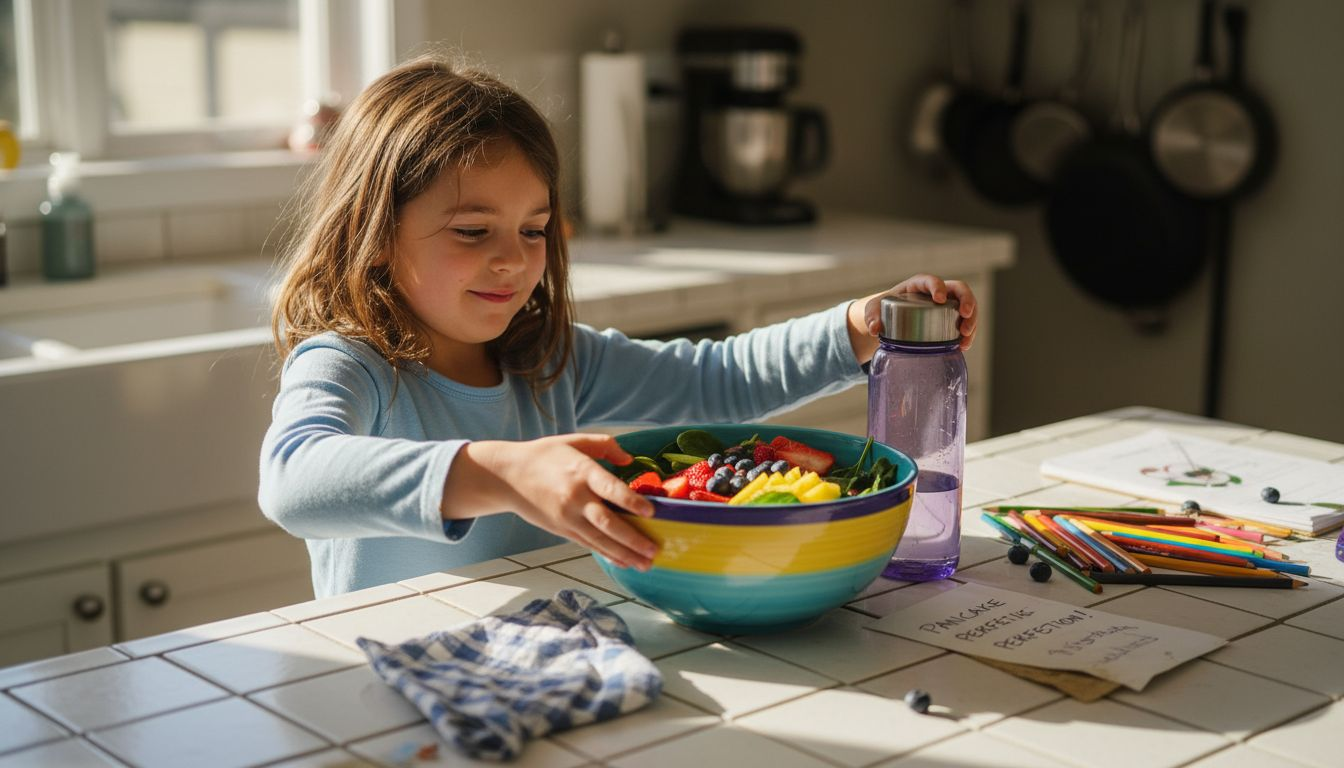
Pro tip: Create colorful, nutrient-rich smoothies for children that include immune-boosting ingredients like spinach, berries, and a small piece of ginger to make healthy eating more appealing and enjoyable.
The following table summarizes immune-boosting foods and their key nutrients relevant for children at risk of MRSA:
| Food Example | Main Beneficial Nutrient | Immune Function Support |
|---|---|---|
| Citrus fruits | Vitamin C | White blood cell production |
| Pumpkin seeds | Zinc | Immune cell growth and repair |
| Salmon | Vitamin D | Immune regulation and resilience |
| Brazil nuts | Selenium | Inflammation reduction |
| Spinach | Multiple (C, E, Zinc) | Overall immune response |
Topical Remedies for Skin Infections
Advanced topical treatments are emerging as powerful solutions for managing MRSA-associated skin infections, offering targeted approaches that can effectively combat bacterial growth without relying solely on systemic antibiotics. These innovative treatments focus on delivering concentrated antimicrobial agents directly to the infection site, minimizing potential side effects and addressing the challenges of antibiotic-resistant bacteria.
Natural topical remedies can provide significant support in managing MRSA skin infections. Effective options include:
- Colloidal silver: Demonstrates potent antimicrobial properties
- Garlic: Contains powerful natural antibacterial compounds
- Tea tree oil: Known for its strong antiseptic qualities
- Honey: Offers natural wound-healing and antibacterial benefits
Careful management of wound care is crucial in controlling MRSA skin infections, with antiseptic cleansers and specialized dressings playing a critical role in reducing bacterial spread. Home remedies for treating skin infections can complement medical treatments by supporting the body’s natural healing processes and preventing further bacterial growth.
Parents should approach topical treatments with caution, using gentle yet effective methods. Always clean the infected area thoroughly, apply natural antimicrobial agents carefully, and cover the wound with clean, breathable dressings. Monitor the infection closely and consult a healthcare professional if symptoms worsen or do not improve within a few days.
Pro tip: Create a natural healing solution by mixing equal parts organic honey and colloidal silver, applying it gently to the affected area with a clean cotton swab to support infection recovery.
Herbal Supplements and Essential Oils
Certain essential oils demonstrate powerful antibacterial properties against challenging MRSA strains, offering promising natural alternatives for managing bacterial infections in children. Geranium, tea tree, lemon peel, and peppermint oils have shown remarkable ability to disrupt bacterial survival mechanisms and inhibit biofilm formation, making them potential complementary treatments for MRSA.
Key essential oils and herbal supplements with proven antimicrobial benefits include:
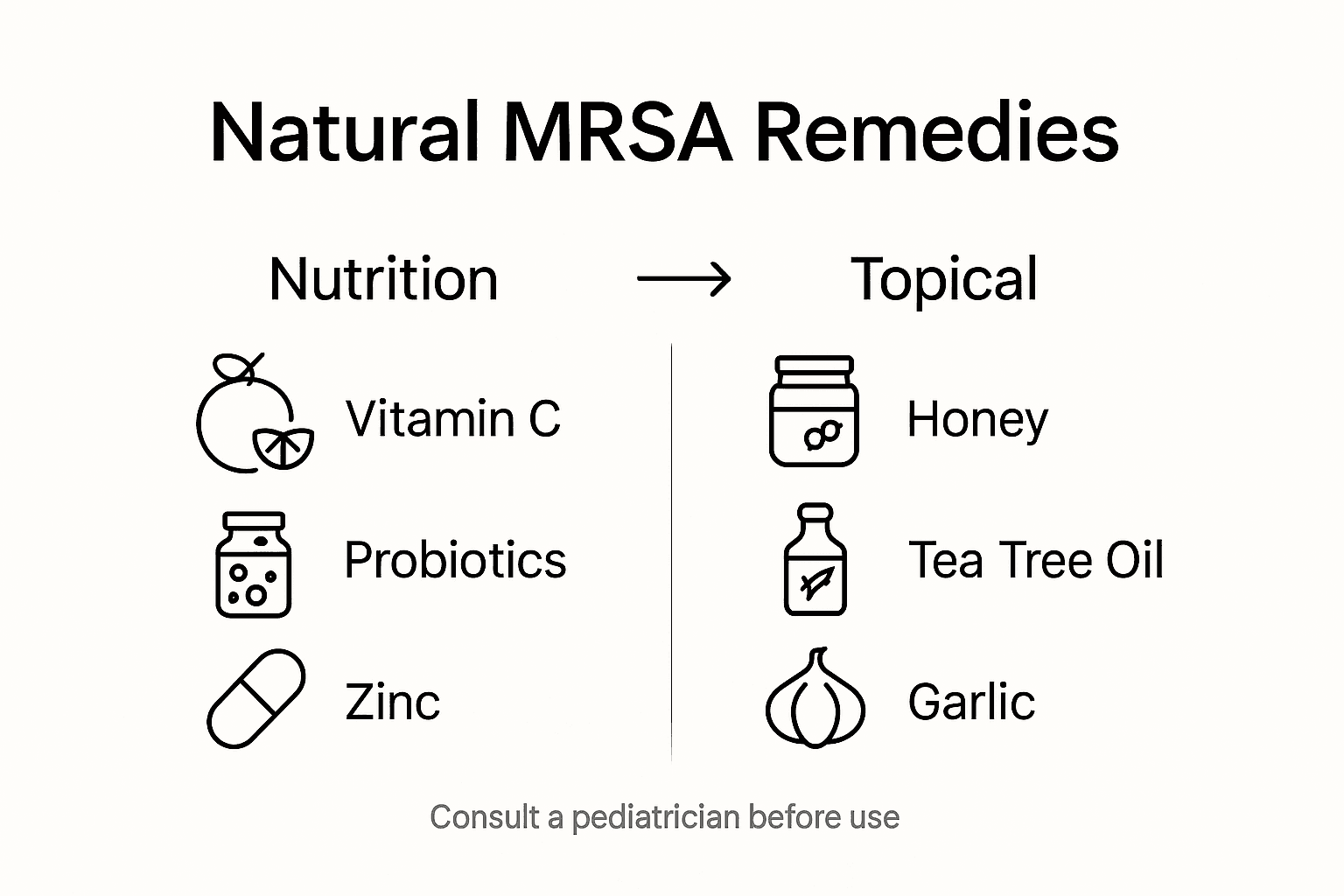
- Tea tree oil: Powerful natural antiseptic
- Oregano oil: Demonstrates strong antibacterial properties
- Thyme: Supports immune system function
- Eucalyptus: Helps reduce inflammation
- Geranium: Disrupts bacterial growth mechanisms
Plant extracts can work synergistically with traditional treatments, enhancing the effectiveness of conventional approaches to fighting MRSA. Exploring the best organic essential oils can provide parents with natural options for supporting their children’s healing process.
Parents should approach herbal treatments cautiously, understanding that while these natural remedies show promise, they should not replace professional medical advice. Always dilute essential oils properly, use high-quality organic sources, and consult with a healthcare professional before starting any alternative treatment regimen.
Pro tip: Create a gentle healing blend by mixing one drop of tea tree oil with a tablespoon of coconut oil, carefully testing for skin sensitivity before full application.
Risks, Safety, and What to Avoid
Managing MRSA requires careful navigation of potential risks and treatment challenges, especially when considering natural and alternative therapies for children. Parents must understand that while holistic approaches can support healing, they should never completely replace professional medical guidance or prescribed treatments.
Key risks and safety concerns to be aware of include:
- Delayed Treatment: Relying exclusively on home remedies can allow infections to worsen
- Incomplete Bacterial Elimination: Natural treatments may not fully eradicate MRSA
- Potential Allergic Reactions: Some herbal supplements can cause unexpected side effects
- Cross-Contamination: Improper handling of infected areas can spread bacteria
- Antibiotic Resistance: Inappropriate use of alternative treatments might contribute to bacterial adaptations
Novel treatment strategies require thorough evaluation to balance efficacy and safety, emphasizing the importance of a comprehensive approach to MRSA management. Parents should always consult healthcare professionals before implementing alternative treatments, ensuring that any natural remedies complement rather than replace medical interventions.
Parents must exercise extreme caution with home treatments. Avoid using unverified remedies, sharing personal items, and neglecting proper hygiene. Monitor infections closely, and seek immediate medical attention if symptoms worsen, spread, or do not improve within a short timeframe.
Pro tip: Create a dedicated care kit for managing potential infections, including clean gloves, antiseptic wipes, and prescribed medications, to minimize cross-contamination risks.
Empower Your Child’s Recovery with Natural MRSA Solutions
MRSA infections in children present unique challenges that demand safe and effective care strategies. This article highlights the importance of immune-boosting nutrition, natural topical remedies, and herbal supplements to support children’s health while combating antibiotic-resistant bacteria. Parents often struggle with finding trustworthy, holistic options that complement medical guidance to protect their kids from worsening infections and antibiotic resistance.
Discover a wide range of natural remedies and expert advice at Homeremedyshop.com designed specifically for managing skin infections and strengthening immunity. From immune-supporting superfoods to gentle topical treatments featuring ingredients like tea tree oil and honey, our collection empowers you to take control of your child’s health safely. Explore our home remedies for impetigo and skin infections and learn how holistic wellness approaches can complement traditional care. Don’t wait for infections to escalate. Visit us now and support your child’s healing journey naturally.
Frequently Asked Questions
What are effective natural treatments for MRSA in children?
Natural treatments for MRSA in children include topical remedies like colloidal silver, garlic, tea tree oil, and honey. These can help combat bacterial growth and support healing when applied to affected areas. Additionally, herbal supplements and essential oils, such as oregano and eucalyptus, can also offer antimicrobial benefits.
How can nutrition help boost a child’s immune system against MRSA?
A nutrient-dense diet rich in vitamin C, vitamin D, zinc, and selenium can significantly strengthen a child’s immune system. Foods like citrus fruits, pumpkin seeds, and salmon provide these essential nutrients, enhancing the body’s ability to fend off infections, including MRSA.
What are the main differences between Healthcare-Associated MRSA (HA-MRSA) and Community-Associated MRSA (CA-MRSA)?
HA-MRSA primarily affects individuals in healthcare settings and tends to be more severe, targeting immunocompromised patients. In contrast, CA-MRSA typically impacts otherwise healthy individuals in community environments and usually presents as mild skin infections that can worsen if left untreated.
What precautions should I take when using essential oils for treating MRSA?
When using essential oils, always dilute them properly and test for skin sensitivity before applying them to larger areas. Consult with a healthcare professional before starting any alternative treatment to ensure safety and efficacy.
Recommended
- 12 Home Remedies for Treating MRSA – Home Remedies
- How to Treat Impetigo Naturally: The Complete Home Recovery Guide – Home Remedies
- Natural Antibiotics: The Top 15 You Might Just Find in Your Home
- The Ultimate Molluscum Contagiosum Home Remedy List: 15 Solutions – Home Remedies
- Přírodní Máslo na Tetování – Péče a Hojení Po Tetování | mamradkerky.cz

