
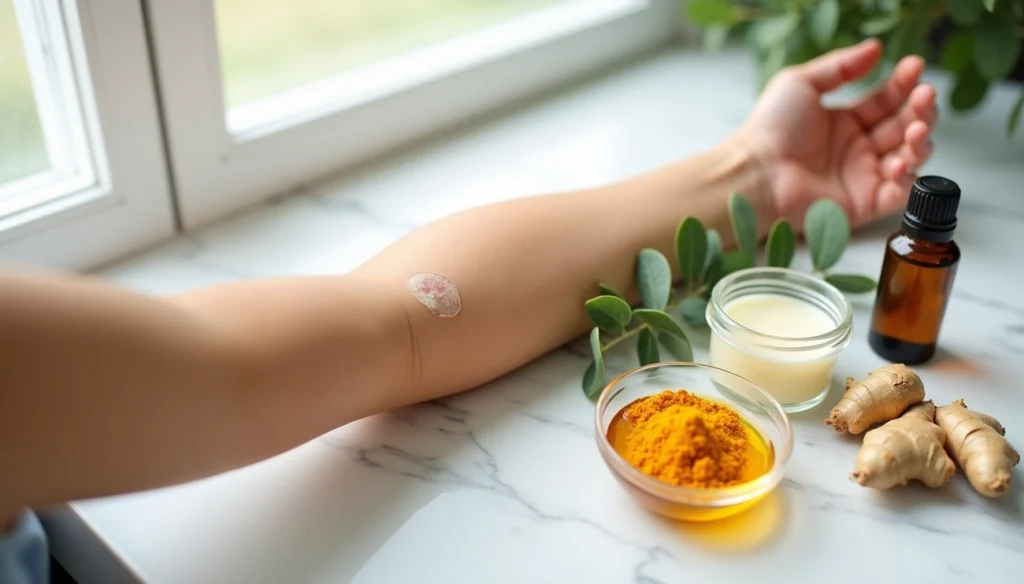
Although I’m a fan of conventional medicine, I’ve learned that impetigo responds beautifully when you support the body’s natural healing abilities. This bacterial skin infection, caused by Staphylococcus aureus and Streptococcus pyogenes bacteria, hits children hardest – accounting for about 10% of skin conditions in kids [1] and showing up most often between ages 2 and 5 [1].
I’ve found that mild impetigo cases do well with topical antibiotics [1], but the real magic happens when you add natural remedies that work alongside medical treatment. The condition loves warmer months when children play outdoors [6], and without proper care, it stays contagious for weeks [6]. But here’s what I’ve discovered: combining antibiotic cream with targeted natural approaches clears impetigo faster and keeps it from spreading to family members.
It’s important to understand that your body has powerful tools to fight this infection when given the right support. This includes both external treatments that tackle bacteria directly and internal support that strengthens your immune response. Therefore my approach always includes natural remedies that work with prescribed treatments rather than against them. The system I’ll share gives you both the medical foundation you need and the natural boost that speeds recovery.
4 Natural Remedy Steps to Treat Impetigo at Home
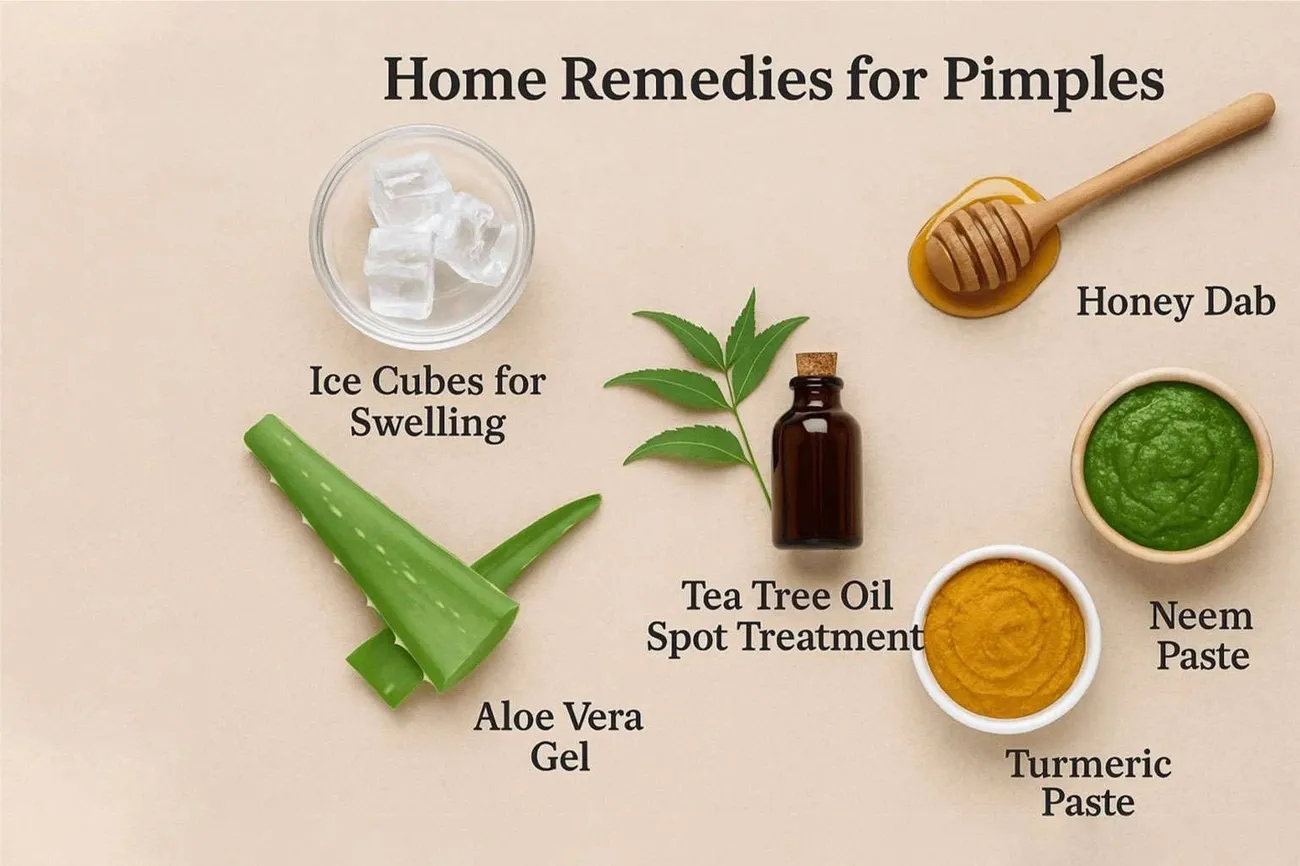
Image Source: Rasaderm
These four remedies work like a team – some fight bacteria on the surface while others strengthen your immune system from within. Each one targets the infection differently, giving your body multiple ways to heal faster.
Ginger poultice for antimicrobial support (or antibiotic cream)
Fresh ginger root packs serious punch against Staphylococcus bacteria [1]. The simplest approach is slicing fresh ginger and placing the cut side directly on impetigo sores. You’ll feel mild stinging – that’s the active compounds getting to work.
For a gentler option, juice the ginger root and dab it on with clean cotton. Too strong? Mix the ginger juice with a bit of water before applying. The key is getting those antimicrobial compounds right where the infection lives.
Tea tree oil and Eucalyptus oil for impetigo (diluted with coconut oil)
Tea tree oil goes after both Streptococcus and Staphylococcus bacteria that cause impetigo [7]. Research shows it can actually outperform conventional treatments for surface skin infections [7]. My recipe: mix 5-10 drops of tea tree oil with one tablespoon of coconut oil.
Add eucalyptus oil to this blend for extra antimicrobial power against impetigo bacteria [3]. Apply morning and evening – more often if you can manage it. The coconut oil delivers the essential oils deep into affected skin while keeping irritation minimal.
Turmeric and honey latte 3x daily to boost immunity
This warming drink fights infection from inside your body. Raw honey attacks both Staphylococcus and Streptococcus bacteria [1], while turmeric’s curcumin reduces inflammation and kills microbes [1]. Here’s how to make it:
1 cup warm milk (any type works)
1 teaspoon turmeric powder
1 teaspoon raw honey
Pinch of black pepper (boosts turmeric absorption by 2000%) [4]
¼ teaspoon cinnamon for taste
Drink this three times daily. Your immune system gets stronger while the infection gets weaker.
Natural cough syrup 3x daily to reduce internal infection
Ivy-based cough syrup gives your body another tool to fight infection internally. Ivy contain anti-infection compounds plus natural anti-inflammatory properties [5]. Making it takes patience but works beautifully.
How to Use These Remedies Safely
Safety matters when you’re using natural remedies for impetigo treatment. These treatments work well, but children’s skin needs extra care to avoid irritation or complications.
Check for skin sensitivity before applying
My suggestion is always to test any natural remedy before full application. You’ll want to avoid reactions that could make impetigo symptoms worse [6]. For a proper patch test:
Apply a small amount of the diluted remedy on the inner forearm
Wait 24 hours to check for redness, itching, or irritation
Proceed with full application only if no reaction occurs
Natural ingredients can still cause skin reactions, especially in sensitive individuals or those with allergies. If you notice increased irritation after using any remedy, stop immediately and consult your healthcare provider [1].
Essential oils on infants or toddlers only in large amount of coconut oil
Children’s skin requires much more caution with essential oils. Tea tree and eucalyptus oils must be heavily diluted when used on young children [1]. For infants and toddlers, I recommend using significantly more carrier oil than for adults—at least one tablespoon of coconut oil for every 1-2 drops of essential oil. This dilution minimizes risk while still providing antimicrobial benefits [6].
Remember that antibiotic cream applied every 8 hours remains your foundation for fast healing and preventing transmission [7]. Natural treatments work best alongside prescribed medications, not as replacements [1].
Do not apply garlic or ginger or pure essential oil on broken skin in children
Children should avoid certain remedies that cause irritation. Never apply garlic, ginger, or undiluted essential oils directly to children’s impetigo sores [1] [8]. These potent substances can trigger:
Skin irritation
Dermatitis
Discomfort or pain
Potential worsening of infection
Instead, stick with gentle options like properly diluted tea tree oil in coconut oil, continuing your morning and evening applications while maintaining the turmeric-honey drinks and natural cough syrup three times daily [8].
Why You might Still Need Antibiotic Cream or Oral antibiotics
Natural remedies work beautifully, but antibiotic cream remains easier than making ginger poultice, and thus your primary weapon against impetigo. Impetigo -without taking antibiotics internally – typically takes two to four weeks to clear [9] and asks a lot of work, whereas proper oral antibiotic treatment resolves infections in just 7-10 days [10].
Apply every 8 hours for fast healing
Antibiotic creams like mupirocin should be applied three times daily for optimal results [11]. I always recommend gently cleaning the area with warm, soapy water to remove crusts first [10]. This simple step allows the medication to penetrate the skin properly [12]. Clinical studies show topical antibiotics achieve success rates between 71% and 96% against impetigo-causing bacteria [13].
Prevents spreading to others
Antibiotic treatment directly stops bacterial transmission [14]. People with impetigo can return to school or work just 12 hours after starting antibiotic treatment [14], provided lesions stay covered. Since impetigo spreads easily, antibiotic treatment prevents household spread and community outbreaks.
Works best when combined with natural remedies
The real power comes from combining prescribed antibiotics with natural approaches. The turmeric-honey latte works internally alongside your topical antibiotics. The natural cough syrup supports your immune system three times daily. Remember that natural treatments should supplement—never replace—antibiotics [1]. Continue applying your tea tree and coconut oil mixture morning and evening between antibiotic applications for complete care.
Always finish your full antibiotic course even after symptoms improve [10] to prevent bacterial resistance and ensure complete recovery.
Daily Routine for Faster Recovery
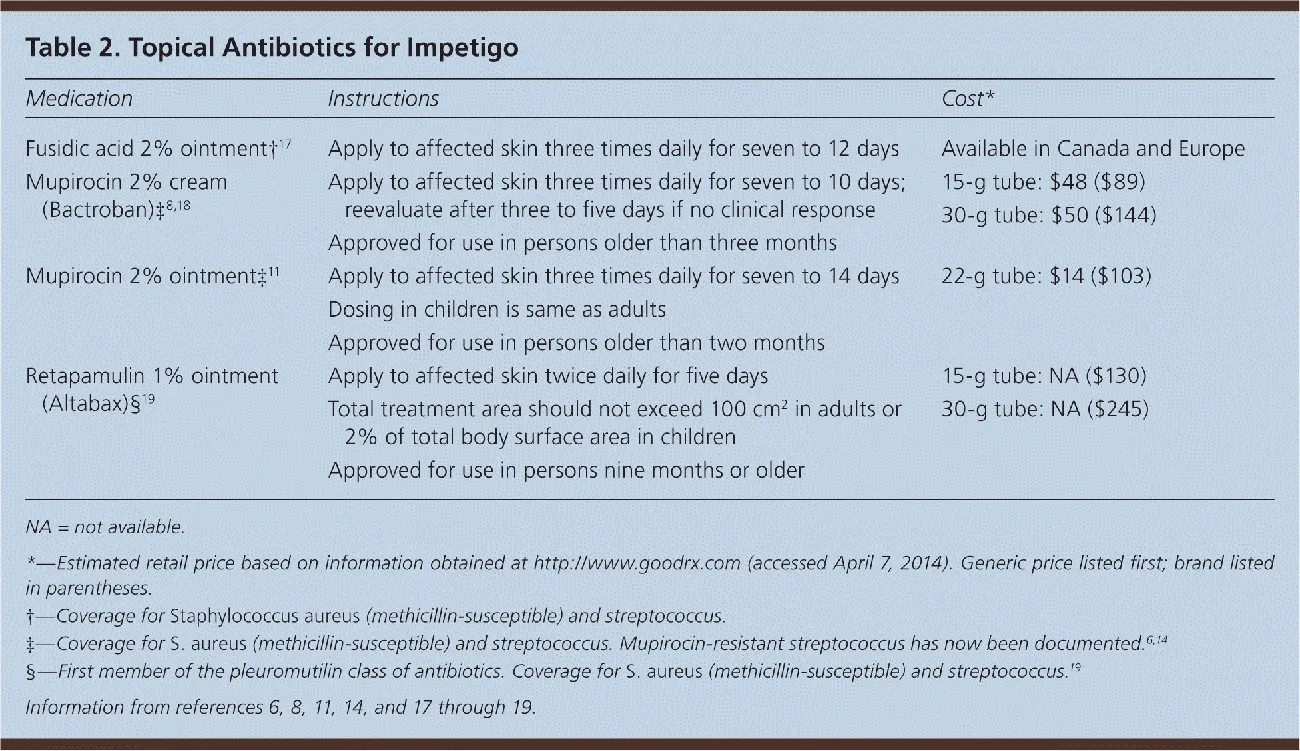
Image Source: AAFP
My suggestion is always to create a simple daily routine that works with your body’s natural healing rhythm. The treatments we’ve discussed need consistent timing to be most effective.
Morning and evening tea tree + coconut oil rub
Start and end each day with your tea tree oil mixture diluted in coconut oil. This combination delivers antibacterial properties directly where you need them [15]. Use a cotton swab to apply the mixture, working from the outside edges toward the center of each sore [2]. Both tea tree and coconut oils contain antimicrobial properties that effectively combat the bacteria causing impetigo [16].
Warm turmeric-honey drink 3x daily
Your turmeric-honey drink becomes a cornerstone of internal healing when taken three times daily. This warming combination brings together honey’s antimicrobial benefits with turmeric’s anti-inflammatory properties [15]. Mix turmeric powder with water into a paste or add it to warm milk with raw honey [16]. The curcumin in turmeric actively fights inflammation while supporting your immune system [15].
Use natural cough syrup to support immune system
The natural onion-honey cough syrup taken three times daily provides internal immune support [5]. This remedy contains antimicrobial compounds that work from within. For enhanced benefits, consider adding ginger or turmeric to the base mixture [5].
Keep sores clean and covered
Use a warm, soapy washcloth to gently remove crusts from impetigo sores [2]. This step allows treatments to penetrate effectively. Cover treated areas loosely with gauze or bandages to prevent spreading the infection [17]. Remember to wash towels, washcloths, and bed linens after each use [2].
Avoid scratching or touching the rash
Keep fingernails cut short and discourage touching or scratching the sores [2]. Every time the impetigo is touched, there’s risk of spreading to other body areas [2]. For children who scratch at night, cotton mittens or socks on hands can prevent unconscious scratching [2].
When Impetigo Won’t Quit: My Careful, Non-Antibiotic Approach
If impetigo really doesn’t want to go away, I look for options outside of antibiotics, because I’m heavily against using them unless absolutely unavoidable. I often turn to colloidal silver, since it’s a powerful antibacterial, but I use it very cautiously and in small amounts, because it can also irritate or damage the gut lining if taken too aggressively. I’m especially careful with toddlers, keeping any amount much lower for them. Even though it’s a natural option, it’s still potent, so treating it with respect and moderation is essential while watching closely for signs of improvement.
Don’t take more then 10 drops 2x a day
For children you can take this down to 3drops 2x a day.
Conclusion
Impetigo responds well to treatment when you give your body the right support. I’ve shared this complete system because it works – combining antibiotic cream with natural remedies delivers faster healing than either approach alone.
The body has remarkable tools to fight bacterial infections when properly supported. This includes both the topical treatments that tackle bacteria directly and the internal remedies that strengthen your immune response. Your tea tree and coconut oil applications work externally while the turmeric-honey drinks and natural cough syrup provide internal support.
What matters most is consistency with your treatment routine. Apply antibiotic cream every 8 hours as prescribed, but don’t stop there. Continue your morning and evening natural applications, drink your healing remedies three times daily, and keep those sores clean and covered.
Therefore my suggestion is always to use both medical treatment and natural support together rather than choosing one approach. The antibiotic cream handles the immediate bacterial threat while natural remedies help your body heal faster and more completely. Most cases clear within 7-10 days this way instead of dragging on for weeks.
Remember that preventing spread protects your family just as much as treating the infection itself. Keep fingernails short, avoid scratching, and wash everything that touches the affected areas. Your body knows how to heal impetigo – you’re simply giving it the tools it needs to do the job efficiently.
References
[1] – https://www.healthline.com/health/home-remedies-for-impetigo
[2] – https://my.clevelandclinic.org/health/diseases/15134-impetigo
[3] – https://www.rupahealth.com/post/integrative-dermatological-approaches-to-impetigo
[4] – https://shop-international.mokshalifestyle.com/blogs/news/gentle-healing-harnessing-essential-oils-impetigo-care
[5] – https://www.onlymyhealth.com/natural-remedies-to-manage-impetigo-1716898353
[6] – https://kripalu.org/living-kripalu/boost-your-immunity-ayurvedic-honey-turmeric-and-spice-remedy
[7] – https://thekitchenapothecary.com/a-simple-soothing-onion-honey-cough-syrup-recipe/
[8] – https://shop.mokshalifestyle.com/blogs/blog/tea-tree-oil-fight-impetigo-with-this-natural-remedy
[9] – https://www.bannerhealth.com/services/infectious-disease/treatment/impetigo
[10] – https://www.getlabtest.com/news/post/treat-impetigo-at-home
[11] – https://wchh.onlinelibrary.wiley.com/doi/10.1002/psb.1850
[12] – https://www.nhsinform.scot/illnesses-and-conditions/infections-and-poisoning/impetigo/
[13] – https://www.drugs.com/dosage/mupirocin-topical.html
[14] – https://www.mayoclinic.org/diseases-conditions/impetigo/diagnosis-treatment/drc-20352358
[15] – https://www.droracle.ai/articles/138190/what-is-the-recommended-antibiotic-regimen-for-impetigo-a
[16] – https://www.cdc.gov/group-a-strep/hcp/clinical-guidance/impetigo.html
[17] – https://www.nationwidechildrens.org/conditions/impetigo
[18] – https://drvaidji.com/blogs/knowledge-base/impetigo?srsltid=AfmBOorfMQMEaCNYb8ib7U1AdfPPVDxDXkOgpltzDV_jVh6nkiTQbZhh

