
If you’ve noticed small, pearl-like bumps on your skin or your child’s skin, you might be dealing with molluscum contagiosum. This common viral skin infection affects millions of people worldwide, particularly children, and while it’s generally harmless, it can be frustrating and concerning for parents and adults alike. Understanding molluscum contagiosum symptoms and treatment options—especially natural approaches—can help you navigate this condition with confidence.
What Is Molluscum Contagiosum?
Molluscum contagiosum is a viral skin infection caused by the molluscum contagiosum virus (MCV), a member of the poxvirus family. Unlike many viral infections, this one manifests exclusively on the skin, creating distinctive raised bumps that are usually painless but can sometimes become itchy or inflamed.
The good news? In hosts who are immune competent, MCV is a benign, self-limited viral infection of the skin that clears spontaneously, usually within a few months, rarely lasting up to a year. This means that for most healthy individuals, the body’s natural defense mechanisms are fully capable of eliminating the virus without intervention.
Understanding Molluscum Contagiosum Stages
The progression of molluscum contagiosum follows several distinct stages, and understanding these molluscum contagiosum stages can help you recognize what’s happening and set realistic expectations for healing.
Initial Stage (Weeks 1-2): After exposure to the virus, there’s typically an incubation period lasting anywhere from two to eight weeks. During this time, you won’t see any visible symptoms, but the virus is establishing itself in the skin cells.
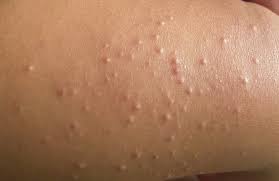
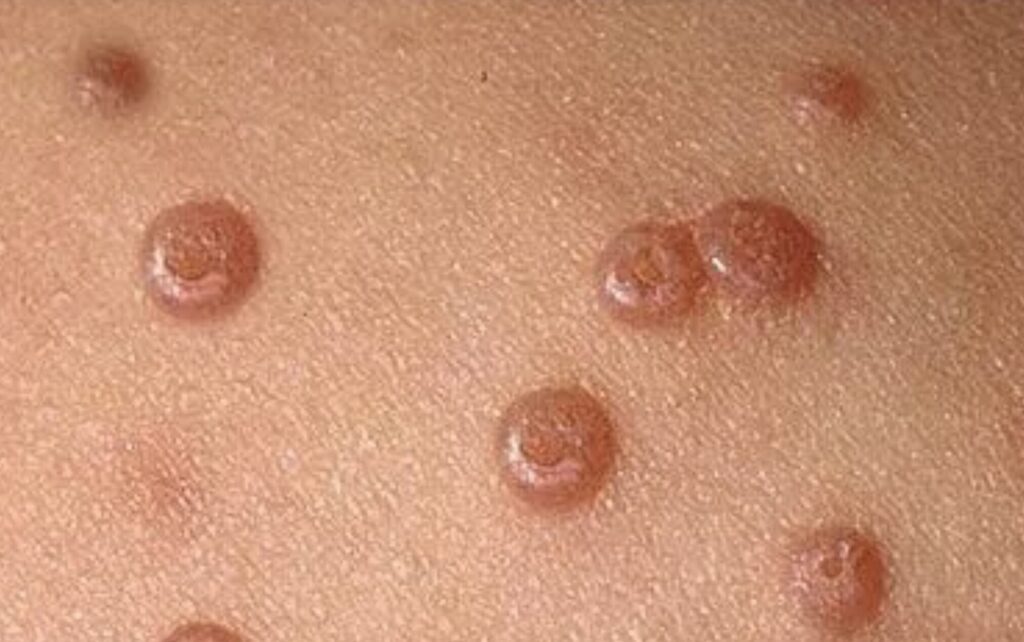
Development Stage (Weeks 2-8): Small bumps begin to appear on the skin. These lesions start as tiny, firm, dome-shaped papules that are flesh-colored, white, or slightly pink. They typically measure between 2-5 millimeters in diameter and have a characteristic central dimple or depression, which is one of the hallmark features of molluscum contagiosum.
Progression Stage (Months 2-6): The lesions may increase in number through autoinoculation—essentially, the virus spreading from one area of the body to another through scratching or touching. The bumps may become more numerous during this phase, and some may grow slightly larger. This can be the most frustrating stage for parents and patients, as it may seem like the condition is worsening.
Inflammatory Stage (Variable Timing): Some lesions begin to show signs of inflammation—becoming red, swollen, or tender. Interestingly, this inflammation is actually a positive sign that your immune system is actively recognizing and fighting the virus. This stage often precedes clearing.
Resolution Stage (Months 6-18): The lesions begin to disappear on their own. They may crust over slightly before fading completely. In most cases, molluscum contagiosum resolves without scarring, though scratching or picking at the lesions can increase the risk of scarring or secondary bacterial infection.
Molluscum Contagiosum Symptoms and Treatment: What You Need to Know
Recognizing molluscum contagiosum symptoms and treatment needs early can help you manage the condition more effectively and prevent its spread.
Common Symptoms
The primary symptom is the appearance of small, raised bumps on the skin. These lesions have several characteristic features:
- Round or dome-shaped with a smooth surface
- Firm to the touch
- Usually painless (though they can become itchy)
- Flesh-colored, pink, or white
- Often have a small dimple or pit in the center
- Typically appear in clusters
- Can occur anywhere on the body except the palms and soles
In children, these bumps commonly appear on the face, neck, armpits, arms, and hands. In adults, molluscum contagiosum often appears in the genital area, lower abdomen, and inner thighs, as it can be transmitted through sexual contact.
Molluscum Contagiosum in Newborns
While less common, molluscum contagiosum newborn cases do occur. Newborns and very young infants can contract the virus through close contact with infected family members or caregivers. In newborns, the lesions typically appear on the face, neck, or other areas that come into frequent contact with infected skin during holding or caregiving.
Parents should be particularly attentive to any unusual bumps in newborns and consult with a pediatrician for proper diagnosis. The good news is that the condition is just as self-limiting in infants as it is in older children, though parents understandably want to ensure their newborn is comfortable and the condition doesn’t spread.
Molluscum Contagiosum Eye: A Special Consideration
When molluscum contagiosum appears around or near the eye—often on the eyelid—it requires special attention. Molluscum contagiosum eye lesions can potentially cause conjunctivitis or other eye irritation if the lesions are close to the eye itself.
More importantly, persistent cases of molluscum contagiosum around the eye have been directly related to other underlying health issues, mainly autoimmune diseases, but specifically in cases involving patients taking methotrexate. Methotrexate is an immunosuppressive medication commonly used to treat conditions like rheumatoid arthritis, psoriasis, and other autoimmune disorders.
If you or your child develops molluscum contagiosum eye lesions, it’s important to see a healthcare provider, both to address the lesions safely (given their proximity to such a sensitive area) and to rule out any underlying immune system concerns.
The Connection Between Immune Function and Molluscum Contagiosum
Usually, our body is quite capable of dealing with the molluscum contagiosum virus. However, persistent skin infection with the virus can indicate underlying immunodeficiency. This doesn’t necessarily mean you have a serious immune disorder, but it does suggest that your immune system may need additional support.
If your molluscum contagiosum persists beyond 12-18 months, or if you’re experiencing frequent viral infections in general, it’s worth looking for other signs and seeing if there’s anything else you should be working on in your body. This might include:
- Chronic fatigue or frequent illness
- Slow wound healing
- Recurring infections (respiratory, skin, etc.)
- Unexplained weight changes
- Digestive issues
The precise mechanism of the human immune response to these viral skin diseases remains unclear. However, from a holistic point of view, it’s clear that the body needs support on underlying issues more than treatment targeting the molluscum contagiosum virus itself. This is where natural approaches and immune system support become particularly valuable.
Molluscum Contagiosum Treatment OTC and Medical Options
When it comes to molluscum contagiosum treatment otc and medical interventions, there are several options available, though many healthcare providers recommend watchful waiting given the self-limiting nature of the condition.
Over-the-Counter Options
Several molluscum contagiosum treatment otc products are marketed specifically for this condition:
- Topical retinoids: Some OTC products contain mild retinoids that may help accelerate skin cell turnover
- Salicylic acid products: These can sometimes help, though results vary
- Immune-modulating creams: Certain OTC formulations claim to boost local immune response
However, it’s important to note that the effectiveness of these treatments varies considerably, and many dermatologists question whether they actually speed resolution or simply coincide with the natural clearing process.
Medical Treatments
For cases that are bothering patients significantly, medical interventions include:
- Cryotherapy: Freezing the lesions with liquid nitrogen
- Curettage: Physically removing the lesions with a small surgical instrument
- Laser therapy: Using laser treatment to destroy the lesions
- Prescription topical medications: Including stronger retinoids or immune-modulating agents
These treatments can be effective but may cause discomfort, scarring, or other side effects. Many healthcare providers and parents prefer to avoid these interventions unless absolutely necessary, especially in children.
Molluscum Contagiosum Home Remedy Approaches: Natural Healing Strategies
Given the self-limiting nature of molluscum contagiosum and the potential downsides of medical interventions, many people seek molluscum contagiosum home remedy options. A holistic approach that supports overall immune function and skin health often yields the best results.
The Truth About Molluscum Contagiosum Tea Tree Oil
Before diving into recommended natural approaches, let’s address one of the most commonly suggested remedies: molluscum contagiosum tea tree oil treatment.
While tea tree oil is indeed a powerful antibacterial agent and has some antiviral properties, it’s important to understand its limitations. Tea tree oil is not particularly supportive for skin growth or skin barrier protection. Although it’s a great antibacterial oil, it won’t support your system adequately in combating this specific virus.
If you choose to use tea tree oil despite these limitations, it should always be diluted in a carrier oil (never applied directly to skin in its pure form), and you should discontinue use if any irritation develops. However, there are more effective natural approaches to consider.
Comprehensive Natural Healing Strategies for Molluscum Contagiosum
Instead of focusing solely on topical applications, a more effective molluscum contagiosum home remedy approach involves supporting your body’s natural immune response and overall health.
1. Omega-3 Fatty Acid Supplementation
When it comes to viral infections, what usually happens is that our white blood cells increase to combat the invader. We can support this process even more effectively through targeted nutrition.
Taking omega-3 fatty acids will not only support white blood cell function but also protect the cells of your skin more effectively. Omega-3s have well-documented anti-inflammatory properties and play a crucial role in cell membrane health, which is particularly important when dealing with a virus that specifically targets skin cells.
Practical Application:
- Take high-quality fish oil or algae-based omega-3 supplements
- Aim for approximately 3-4 grams of combined EPA and DHA daily
- Alternatively, increase dietary sources like wild-caught fatty fish, walnuts, flaxseeds, and chia seeds
- Consider having children take age-appropriate doses of omega-3 supplements (consult with a pediatrician for proper dosing)

- COMPLETE 5-IN-1 OMEGA SPECTRUM SUPPORT: Livingood Daily Omegas + Turmeric formula delivers omega 3 6 9 plus omega 7 in o…
- HIGH ABSORPTION TRIGLYCERIDE OILS PLUS EMULSIFIED TURMERIC: Our Omegas plus Turmeric supplement uses Omega 3 fish oil in…
- JOINT COMFORT AND CARDIOVASCULAR FUNCTION SUPPORT: Combining essential fatty acids with turmeric curcumin supplement, ou…
2. Strengthen Overall Immune Function
Since molluscum contagiosum is fundamentally an immune system issue, supporting your overall immune health is essential:
Vitamin D: Ensure adequate vitamin D levels through sun exposure, supplementation, or fortified foods. Vitamin D plays a critical role in immune regulation.
Vitamin C: This powerful antioxidant supports white blood cell function and overall immune response. Include plenty of citrus fruits, berries, bell peppers, and leafy greens in your diet.
Zinc: This mineral is crucial for immune cell development and function. Food sources include oysters, beef, pumpkin seeds, and lentils.
Probiotics: A healthy gut microbiome is intimately connected to immune function. Consider taking a high-quality probiotic supplement and eating fermented foods like yogurt, kefir, sauerkraut, and kimchi.
3. Support Skin Health from Within
Healthy, resilient skin is better equipped to fight off viral infections:
Adequate Hydration: Drink plenty of water throughout the day to keep skin cells well-hydrated and functioning optimally.
Antioxidant-Rich Foods: Berries, dark leafy greens, and colorful vegetables provide antioxidants that protect skin cells from damage.
Protein: Adequate protein intake supports tissue repair and immune function. Include clean sources like wild-caught fish, organic poultry, legumes, and nuts.
4. Minimize Spread and Support Healing
Keep Affected Areas Clean: Gently cleanse the affected areas with mild, fragrance-free soap and water.
Avoid Scratching: Scratching can spread the virus to other parts of the body and increase the risk of secondary bacterial infection. Keep fingernails trimmed short, especially in children.
Don’t Pick at Lesions: Resist the urge to squeeze or pick at the bumps, as this can cause scarring and spread the infection.
Cover When Appropriate: If lesions are in areas likely to be touched frequently or could spread to others, consider covering them with waterproof bandages.
Separate Personal Items: Don’t share towels, clothing, or other personal items that come into contact with affected skin.
5. Reduce Inflammation Naturally
Colloidal Oatmeal Baths: These can soothe itchy, irritated skin and may provide relief if the lesions become uncomfortable.
Aloe Vera Gel: Pure aloe vera has anti-inflammatory properties and can be gently applied to lesions to soothe irritation.
Coconut Oil: Unlike tea tree oil, coconut oil supports skin barrier function while also having some antimicrobial properties. It can be applied as a gentle, protective moisturizer.
- The amazing multipurpose skin soothing herbal salve that started it all. Perfect for use after a hard day of work or pla…
- Slow infused soothing herbal salve for more than just dry skin. Slowly cold infused for a minimum of 6 weeks with organi…
- As a mother owned business, with dreams for our grandchildren, we care about the Earth. We hope you do too. Keep our pla…
6. Manage Stress
Chronic stress suppresses immune function, which can prolong molluscum contagiosum infections. Incorporate stress-management practices like:
- Regular exercise (being mindful not to share equipment at gyms)
- Adequate sleep (7-9 hours for adults, more for children)
- Meditation or deep breathing exercises
- Time in nature
- Engaging in enjoyable activities
Timeline and Expectations
When using natural approaches for molluscum contagiosum home remedy treatment, it’s important to have realistic expectations. Unlike medical interventions that may remove lesions quickly (but don’t necessarily address underlying immune issues), natural approaches work by supporting your body’s own healing mechanisms.
You may begin to notice changes within 4-8 weeks of implementing comprehensive immune support strategies, but complete clearing may still take several months. The key is consistency and patience. Remember that the goal isn’t just to eliminate the visible lesions but to strengthen your immune system so your body can effectively clear the virus on its own.
When to Seek Medical Attention
While molluscum contagiosum is generally harmless and self-limiting, you should consult a healthcare provider if:
- Lesions appear near the eyes
- The infection persists beyond 18 months
- Lesions become very numerous (more than 30-40)
- Signs of secondary bacterial infection develop (increased redness, warmth, pus, pain)
- The lesions are causing significant psychological distress
- You have concerns about immune system function
- You’re pregnant and develop molluscum contagiosum
Prevention Strategies
Preventing molluscum contagiosum spread is important for both protecting others and preventing autoinoculation:
- Avoid direct skin-to-skin contact with infected individuals
- Don’t share towels, washcloths, clothing, or personal items
- Keep lesions covered when in communal settings like pools or gyms
- Practice good hand hygiene
- Avoid shaving over affected areas (this can spread the virus)
- Clean and disinfect surfaces that may come into contact with lesions
Final Thoughts: A Holistic Approach to Molluscum Contagiosum
Understanding molluscum contagiosum stages, symptoms, and treatment options—both conventional and natural—empowers you to make informed decisions about managing this common viral skin condition. While the bumps can be frustrating and sometimes embarrassing, remember that molluscum contagiosum is a sign that your immune system needs support rather than aggressive topical treatment.
By focusing on comprehensive immune support through omega-3 supplementation, proper nutrition, stress management, and healthy lifestyle practices, you’re not just addressing the visible lesions—you’re building a stronger, more resilient immune system that will serve your overall health long after the molluscum contagiosum has cleared.
The natural healing journey requires patience, but it offers the benefit of supporting your body’s innate wisdom and healing capacity. Whether you’re dealing with molluscum contagiosum in yourself, your child, or even a molluscum contagiosum newborn case, remember that this condition is temporary, and with the right support, your body is fully capable of overcoming it.
If you have persistent cases, especially molluscum contagiosum eye lesions or infections that last beyond the typical timeframe, use this as an opportunity to work with a healthcare provider to investigate and address any underlying immune system concerns. Sometimes, what seems like a simple skin condition can be your body’s way of alerting you to look deeper and address health issues that need attention.
With knowledge, patience, and a holistic approach that honors your body’s natural healing capabilities, you can navigate molluscum contagiosum with confidence and emerge with not just clear skin, but better overall health.

