
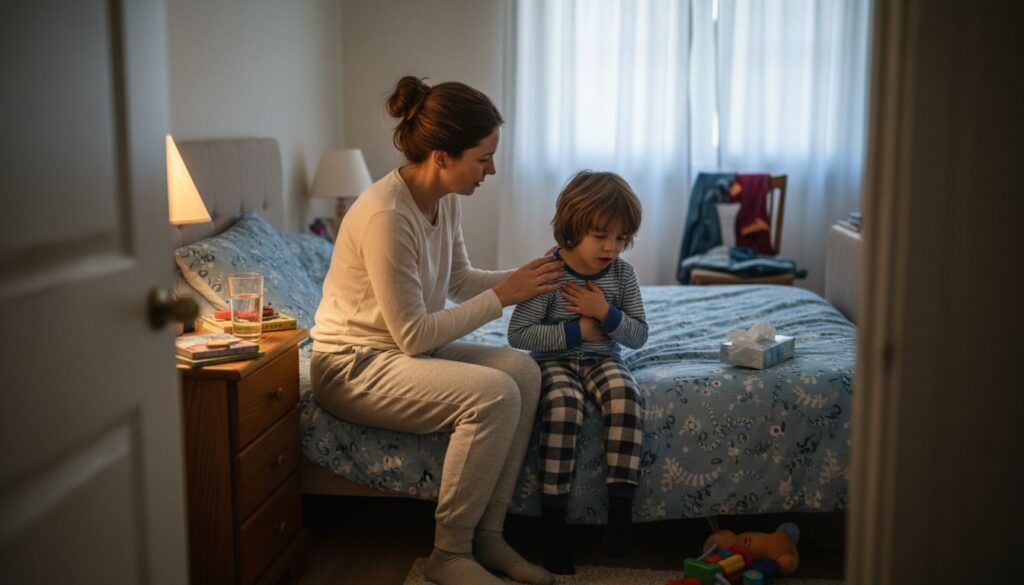
Every parent faces restless nights worrying about their child’s sudden, suffocating cough and searching for gentle ways to ease their discomfort. These nighttime coughing episodes are often triggered by airway inflammation, respiratory infections, or environmental irritants like smoke and pollution. For families hoping to avoid conventional medications, learning about natural home remedies and holistic health strategies can empower you to support your child’s breathing while promoting restful sleep.
Table of Contents
- What Causes Suffocating Cough at Night
- Recognizing Whooping Cough in Children
- Testing and Diagnosing Nighttime Coughs
- Natural Home Remedies for Relief
- Vitamin C and Other Holistic Approaches
- When Medical Care Is Absolutely Needed
Key Takeaways
| Point | Details |
|---|---|
| Causes of Nighttime Coughs | Common triggers include asthma, GERD, viral infections, croup, and postnasal drip. Environmental factors such as smoke and allergens also play a significant role. |
| Whooping Cough Symptoms | Intense coughing fits with a characteristic ‘whoop’ sound require immediate medical attention, especially in infants. Recognition of symptoms is crucial for timely intervention. |
| Natural Relief Methods | Remedies such as honey, warm fluids, and cool-mist humidifiers can help soothe nighttime coughs. Creating a calming bedtime routine can further alleviate symptoms. |
| When to Seek Medical Help | Urgent care is necessary if a child shows severe breathing difficulties, persistent high fever, or signs of respiratory distress. Monitoring for these symptoms is essential for timely medical evaluation. |
What Causes Suffocating Cough at Night
A suffocating cough at night can be terrifying for parents, especially when a child seems to struggle to breathe. Understanding the underlying causes helps families respond effectively and seek appropriate care. Respiratory infections and airway conditions are often responsible for these alarming nighttime coughing episodes.
Several specific conditions can trigger a suffocating cough during nighttime hours:
- Asthma: Inflammatory airway disease that frequently worsens at night
- Gastroesophageal Reflux Disease (GERD): Stomach acid irritates the throat
- Viral Respiratory Infections: Such as bronchiolitis or pneumonia
- Croup: A viral upper airway infection causing a distinctive barking cough
- Postnasal Drip: Mucus accumulation that triggers coughing
Environmental factors can also significantly contribute to nighttime coughing. Irritants like smoke, strong odors, pollution, and indoor allergens can trigger respiratory responses, causing children to experience more intense coughing episodes after laying down.
Children’s airways are more sensitive, making them more susceptible to inflammation and irritation during sleep.
Because nighttime coughs can stem from complex medical conditions, understanding the specific triggers becomes crucial for proper treatment. Postnasal drip and respiratory infections represent two primary culprits that parents should monitor closely.
Here’s a comparison of common nighttime cough causes and how they differ:
| Cause | Main Trigger | Typical Night Symptoms | Age Most Affected |
|---|---|---|---|
| Asthma | Airway inflammation | Wheezing, cough, breathless | School-age and older kids |
| GERD | Acid reflux | Throat irritation, coughing | All ages, toddlers upward |
| Croup | Viral infection | Barky cough, hoarse voice | Infants and toddlers |
| Postnasal Drip | Mucus drainage | Persistent, dry or wet cough | Older children/adolescents |
| Viral Infections | Respiratory viruses | Fever, congestion, cough | All pediatric age groups |
Pro tip: Keep a detailed symptom journal to help healthcare providers accurately diagnose the underlying cause of your child’s nighttime cough.
Recognizing Whooping Cough in Children
Whooping cough, or pertussis, is a serious bacterial respiratory infection that can be particularly dangerous for infants and young children. Characteristic symptoms develop rapidly and require immediate medical attention to prevent potential complications.
Key signs of whooping cough include:
- Intense, prolonged coughing fits that can last several weeks
- A distinctive “whooping” sound when inhaling after a coughing episode
- Initial cold-like symptoms that progress to severe coughing
- Potential apnea (breathing pauses) in infants instead of typical cough
- Exhaustion and difficulty breathing during coughing episodes
The infection typically progresses through three distinct stages:
- Catarrhal Stage: Mild cold-like symptoms appear
- Paroxysmal Stage: Severe, frequent coughing fits begin
- Convalescent Stage: Gradual recovery with lingering symptoms
Infants under six months are at highest risk and may not exhibit the classic “whoop” sound, making early detection critical.
Diagnostic testing and clinical assessment are crucial for confirming whooping cough. Healthcare providers typically use a combination of symptom evaluation, patient history, and laboratory tests to make an accurate diagnosis.
This table summarizes the key differences between nighttime coughs and whooping cough:
| Feature | Nighttime Cough (General) | Whooping Cough (Pertussis) |
|---|---|---|
| Main Cause | Allergy, asthma, reflux | Bacterial infection |
| Cough Sound | Dry or wet, variable | High-pitched “whoop” |
| Cough Pattern | Sporadic, may cluster | Repeated, intense fits |
| Major Concern | Sleep disruption | Severe, life-threatening |
| Risk Group | All children | Infants, unvaccinated kids |
Pro tip: Keep a detailed record of your child’s symptoms, including frequency and duration of coughing episodes, to help healthcare providers make a precise diagnosis.
Testing and Diagnosing Nighttime Coughs
Diagnosing the underlying cause of nighttime coughs in children requires a comprehensive and systematic approach. Objective lung sound analysis has emerged as a critical tool for healthcare providers to accurately assess respiratory conditions.
The diagnostic process typically involves several key steps:
- Detailed medical history review
- Comprehensive physical examination
- Symptom documentation and timeline tracking
- Potential diagnostic tests, including:
- Chest radiographs
- Pulmonary function tests
- Respiratory sound recordings
Healthcare professionals look for specific indicators that help pinpoint the root cause of nighttime coughing:
- Duration of cough (acute vs. chronic)
- Frequency and intensity of coughing episodes
- Associated symptoms like wheezing or difficulty breathing
- Potential environmental or allergic triggers
Accurate diagnosis requires careful observation and a holistic approach to understanding the child’s respiratory health.
Chronic cough evaluation protocols recommend documenting specific ‘cough pointers’ that can reveal underlying conditions such as asthma, infections, or potential foreign body issues.
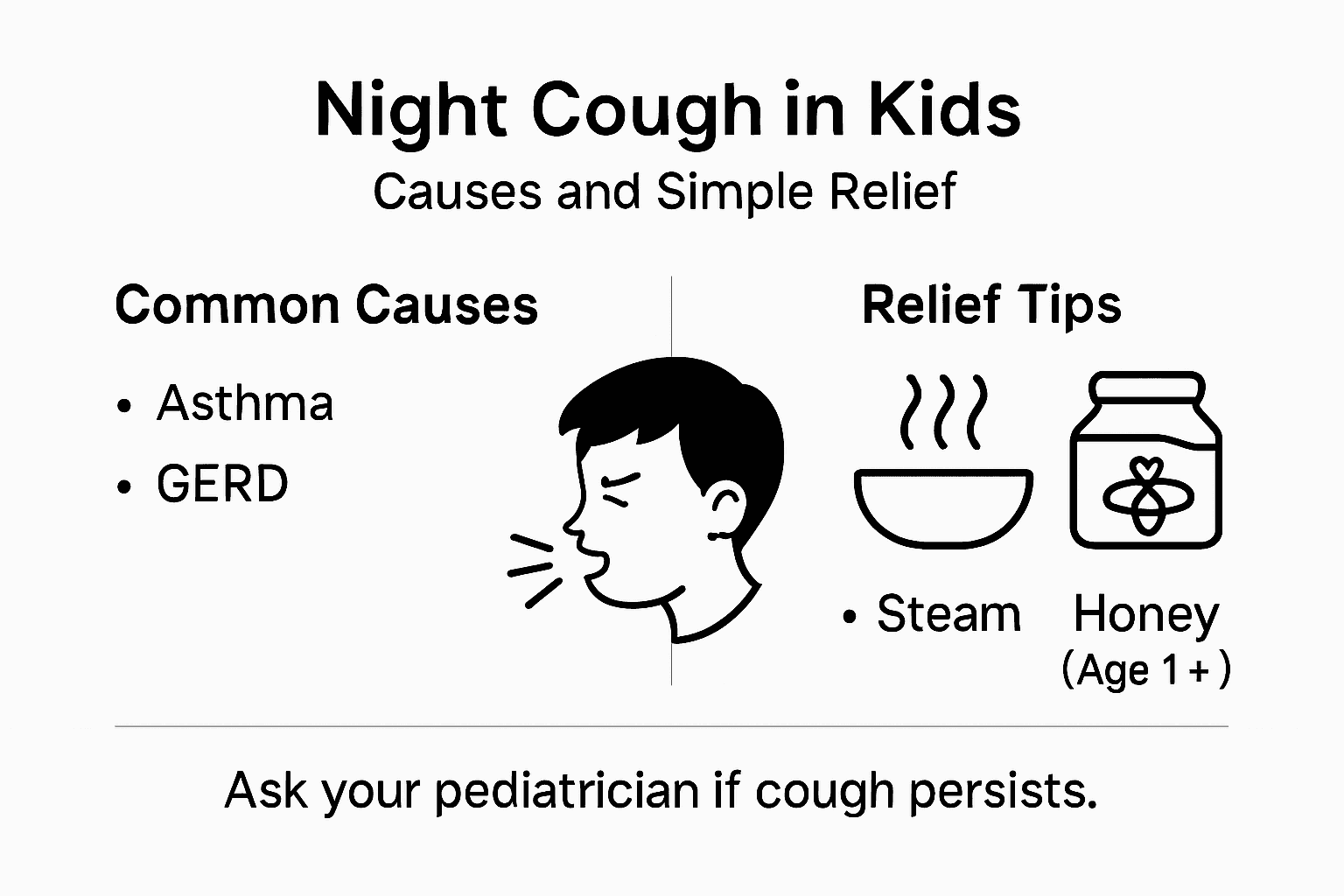
Pro tip: Keep a detailed nighttime cough diary, noting time, duration, and specific characteristics of each coughing episode to help healthcare providers make a more precise diagnosis.
Natural Home Remedies for Relief
Nighttime coughs can be distressing for both children and parents, but several natural remedies can provide significant relief. Natural home treatments offer gentle and effective strategies to soothe respiratory discomfort and help children breathe easier.
Key natural remedies for nighttime cough relief include:
- Honey: A powerful natural soother (for children over 1 year)
- Reduces coughing frequency
- Provides antimicrobial properties
- Soothes throat irritation
- Warm Fluids: Herbal teas and broths
- Hydrate the body
- Loosen mucus
- Provide comfort
- Humidity Management: Cool-mist humidifiers
- Prevent airway dryness
- Reduce mucus thickness
- Improve breathing comfort
Additional supportive techniques can help manage nighttime coughing:
- Elevate the child’s head slightly while sleeping
- Use saline nasal sprays to clear congestion
- Maintain a consistent, comfortable room temperature
- Ensure adequate hydration throughout the day
Gentle, natural approaches can often provide more comfort than aggressive medical interventions.
Steam inhalation techniques can also help clear airways and reduce mucus build-up, offering additional relief for children experiencing nighttime respiratory discomfort.
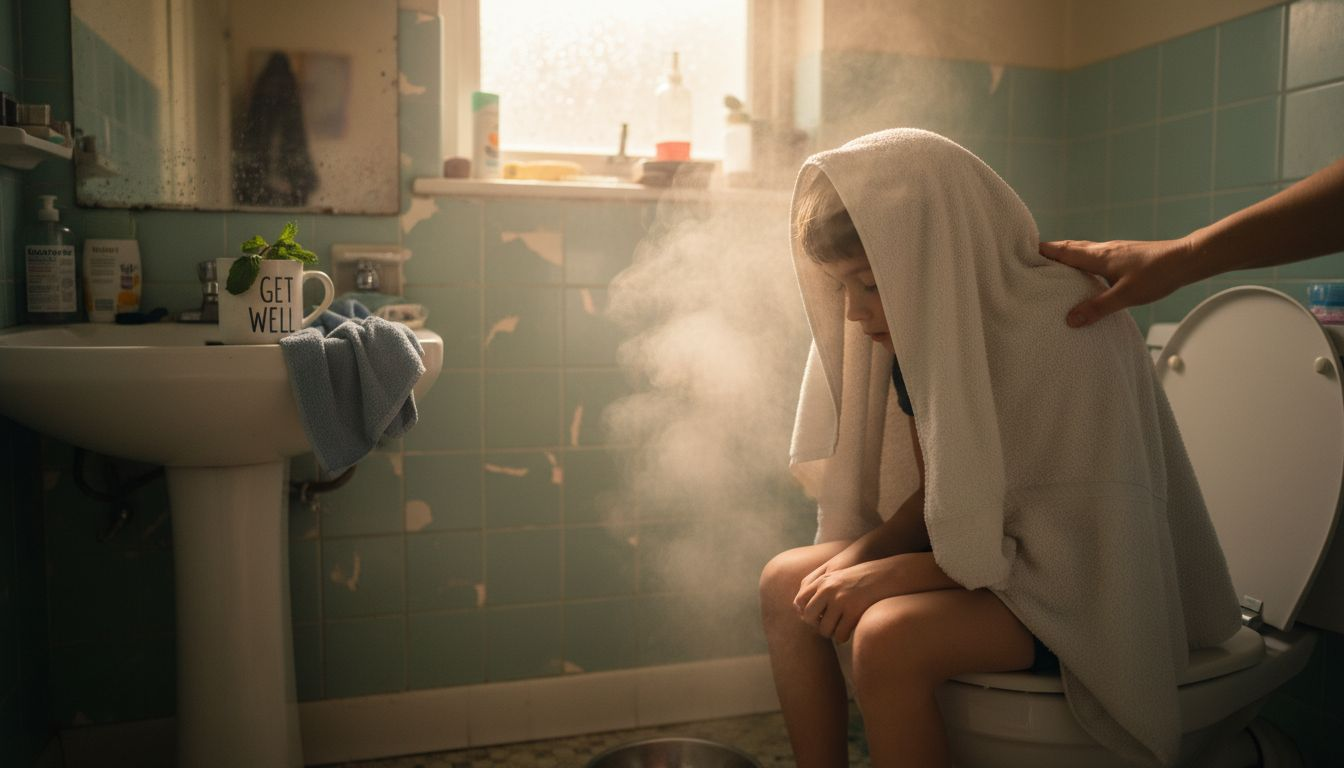
Pro tip: Create a soothing bedtime routine that includes warm herbal tea, gentle back rubs, and a calm environment to help reduce nighttime coughing episodes.
Vitamin C and Other Holistic Approaches
Holistic approaches to managing children’s respiratory health offer natural alternatives to conventional treatments. Complementary health strategies can provide supportive care for nighttime coughs and overall immune function.
Key holistic strategies for respiratory health include:
- Vitamin C Supplementation
- Supports immune system function
- Potentially reduces cold duration
- Safe for most children
- Probiotics
- Supports gut and immune health
- May reduce respiratory infection frequency
- Helps balance immune responses
- Nasal Saline Rinses
- Clears nasal passages
- Reduces mucus congestion
- Provides natural respiratory support
Vitamin C’s role in respiratory health is particularly noteworthy:
- Regular intake may shorten cold duration
- Most effective when taken consistently
- Helps support immune system resilience
- Safe and affordable option for children
Consistent, preventive approaches often yield better results than reactive treatments.
Regular vitamin C administration can reduce cold symptoms by approximately 14-15%, making it a valuable addition to a child’s wellness routine.
Pro tip: Consult with a pediatric healthcare provider to determine the appropriate vitamin C dosage for your child’s age and individual health needs.
When Medical Care Is Absolutely Needed
Some nighttime cough scenarios demand immediate medical intervention to prevent potentially serious health complications. Critical medical warning signs require parents to act quickly and seek professional healthcare assistance.
Urgent medical care is essential when a child experiences:
- Breathing Difficulties
- Labored or rapid breathing
- Visible chest wall retractions
- Wheezing or stridor
- Severe Symptoms
- Persistent high fever
- Blue-tinged lips or fingernails
- Prolonged coughing fits
- Additional Red Flags
- Chest pain
- Poor feeding in infants
- Cough lasting more than three weeks
Children requiring immediate medical evaluation may present with these specific warning signs:
- Sudden onset of intense coughing
- Inability to speak or catch breath
- Signs of respiratory distress
- Unusual sounds during breathing
Emergency medical care becomes critical when a child’s breathing is compromised or shows signs of significant respiratory infection.
Nighttime cough evaluation protocols recommend prompt professional assessment for persistent or severe respiratory symptoms to prevent potential complications.
Pro tip: Keep emergency contact information and your pediatrician’s number easily accessible, and trust your parental instincts if something seems seriously wrong with your child’s breathing.
Natural Solutions to Soothe Your Child’s Suffocating Night Cough
Nighttime coughing fits can be frightening for both children and parents, especially when the cough feels suffocating or leads to difficulty breathing. If your child struggles with asthma, postnasal drip, or viral respiratory infections as described in the article, finding safe and effective natural remedies is essential to provide relief and improve their sleep quality. At Homeremedyshop.com, we understand these challenges and offer a range of herbal supplements, soothing blends, and holistic wellness advice designed specifically to calm children’s respiratory discomfort naturally.

Take control of your child’s nighttime cough today by exploring gentle home treatments like honey-based remedies and safe humidifiers with our trusted guidance. Visit our site now for detailed natural remedy guides and carefully selected products that support breathing wellness. Your child’s comfort and peaceful sleep are just a click away at Homeremedyshop.com, where healing begins with nature.
Frequently Asked Questions
What causes a suffocating cough at night in children?
A suffocating cough at night in children can be caused by several conditions, including asthma, GERD, viral respiratory infections, croup, and postnasal drip. Environmental factors such as allergens and irritants can also contribute to nighttime coughing.
How can I relieve my child’s nighttime cough naturally?
Natural remedies for relieving nighttime cough in children include giving honey (for kids over one year), warm fluids like herbal teas, and using cool-mist humidifiers to keep the air moist. Elevating their head while sleeping and using saline nasal sprays can also help.
When should I seek medical attention for my child’s nighttime cough?
You should seek immediate medical attention if your child shows signs of breathing difficulties, has a high fever, displays blue-tinged lips or nails, or experiences a cough that lasts more than three weeks. These could indicate a more serious condition that requires professional care.
Is vitamin C helpful for managing coughs in children?
Yes, vitamin C can support your child’s immune system and may help reduce the duration of colds, which can indirectly alleviate cough symptoms. Regular intake of vitamin C is recommended as part of a child’s wellness routine, but it’s best to consult with a pediatric healthcare provider for dosage recommendations.