
Over half of American adults believe that every cough signals something serious, yet this common symptom is often misunderstood. Coughing not only disrupts daily routines but also sparks confusion and worry about when to seek treatment or which remedies actually work. Unpacking the real causes behind cough and sorting fact from fiction helps you make informed choices, avoid unnecessary anxiety, and discover which natural solutions offer genuine relief.
Table of Contents
- Understanding Cough: Causes and Common Myths
- Natural Variations: Types of Home Remedies
- How Herbal Ingredients Work Against Cough
- Using Essential Oil Diffusers for Relief
- Daily Rituals: Ginger, Lemon, and Honey Mixture
- Safety and Choosing Remedies for Children
Key Takeaways
| Point | Details |
|---|---|
| Coughs as Protective Mechanisms | Coughing is a natural body response that helps clear irritants from the respiratory system, not always indicative of serious illness. |
| Home Remedies for Cough Relief | Natural remedies, such as herbal infusions and honey mixtures, effectively manage cough symptoms and support respiratory health. |
| Careful Selection for Children | Pediatric cough management requires safe, age-appropriate remedies, with emphasis on consulting healthcare professionals. |
| Tracking Symptoms | Keeping a detailed log of cough characteristics aids healthcare providers in diagnosing and treating underlying issues effectively. |
Understanding Cough: Causes and Common Myths
A cough is more than just an annoying reflex – it’s a critical defensive mechanism designed to protect our respiratory system. Understanding the cough mechanism reveals how our body actively responds to potential threats in our airways. When irritants like dust, mucus, or microbes enter the respiratory tract, specialized nerve endings trigger a powerful expulsion response meant to clear these potential hazards.
Contrary to popular belief, not all coughs are signs of serious illness. Occasional coughing is actually a normal, healthy function of our lungs. Research from lung health experts demonstrates that coughs serve as an essential protective mechanism, helping to remove foreign particles and maintain clear airways. Some common myths persist about coughs, such as believing every cough indicates infection or requires immediate medical intervention.
Coughs can originate from numerous sources, ranging from viral infections and allergies to environmental irritants and chronic conditions like asthma. Acute viral upper respiratory infections remain the most frequent cause of short-term coughing episodes. Recognizing the underlying trigger helps determine appropriate treatment strategies, whether that involves rest, hydration, or targeted natural remedies.
Pro Tip: Track Your Cough Details: Maintain a simple log noting cough duration, frequency, and any accompanying symptoms to help healthcare professionals accurately diagnose potential underlying conditions.
Natural Variations: Types of Home Remedies
Home remedies represent a time-honored approach to managing cough symptoms, drawing from traditional herbal knowledge and natural healing practices. Research into traditional cough treatments/D0505015028.pdf) reveals a rich tapestry of botanical solutions that have been used for generations to provide relief from respiratory discomfort. These natural interventions encompass a wide range of therapeutic approaches, from herbal infusions to plant-based extracts that target different aspects of cough and respiratory health.
Herbal remedies stand out as particularly effective natural interventions for cough management. Key botanical solutions include marshmallow root, which creates a protective coating in the throat, licorice root known for its soothing properties, and onion preparations that help reduce inflammation. Each remedy offers unique mechanisms of action, addressing symptoms through natural compounds that support respiratory function and provide symptomatic relief.

The diversity of home remedies extends beyond herbal solutions to include dietary interventions, hydration strategies, and respiratory support techniques. Steam inhalation, honey-based mixtures, ginger tea, and herbal broths represent versatile approaches that can be easily prepared at home. These methods not only target cough symptoms but also support overall immune function and provide holistic respiratory support.
Here’s a summary of common home remedies and their primary effects on cough symptoms:
| Remedy Type | Main Ingredients | Primary Benefit |
|---|---|---|
| Herbal Infusion | Marshmallow, licorice, onion | Soothes throat and reduces inflammation |
| Honey Mixture | Honey, lemon, ginger | Coats throat, boosts immunity |
| Steam Inhalation | Water, essential oils | Clears congestion, eases breathing |
| Ginger Tea | Fresh ginger, hot water | Reduces mucus, calms cough |
| Herbal Broth | Various herbs, vegetables | Hydrates and supports recovery |
Pro Tip: Remedy Rotation Strategy: Alternate between different natural remedies to prevent your body from becoming accustomed to a single treatment and to maximize the therapeutic benefits of various botanical interventions.
How Herbal Ingredients Work Against Cough
Herbal ingredients demonstrate remarkable mechanisms for combating cough symptoms through complex biological interactions. These natural compounds work by addressing multiple aspects of respiratory distress, including inflammation, viral activity, and oxidative stress. The intricate biochemical pathways of herbal extracts provide a multifaceted approach to respiratory health that goes beyond simple symptom suppression.
Botanical compounds like black currant, caraway, and ginger offer powerful therapeutic properties that target cough at its root. These ingredients contain potent antiviral, anti-inflammatory, and antioxidant molecules that help reduce respiratory inflammation, neutralize harmful pathogens, and support the body’s natural healing processes. For instance, ginger contains compounds that can help relax airways, reduce mucus production, and decrease inflammatory responses that contribute to persistent coughing.
Traditional medical practices have long recognized the healing potential of herbal remedies. Historical medical manuscripts document extensive use of plant-based treatments, categorizing specific herbs according to their effectiveness against different types of cough. This accumulated wisdom reveals how nature provides sophisticated molecular tools for respiratory health, with each herb offering unique therapeutic mechanisms that work synergistically to support the body’s natural defense systems.
Pro Tip: Herbal Synergy Strategy: Combine different herbal ingredients strategically to enhance their individual therapeutic properties and create a more comprehensive approach to managing cough symptoms.
Using Essential Oil Diffusers for Relief
Essential oil diffusers offer a powerful approach to alleviating respiratory discomfort and managing cough symptoms naturally. These devices transform liquid essential oils into fine, therapeutic vapor that can be easily inhaled, providing targeted relief for respiratory challenges. The microscopic oil particles help open airways, reduce inflammation, and create a soothing environment that supports respiratory health.
Respiratory-focused essential oils like eucalyptus, peppermint, and thyme contain powerful molecular compounds that actively combat cough-related symptoms. Chest rub ingredients such as menthol and camphor demonstrate similar therapeutic mechanisms, helping to clear nasal passages, reduce mucus production, and provide a cooling sensation that can help calm respiratory irritation. Adults can enhance their diffuser experience by adding a few drops of thyme oil, which has potent antibacterial properties, while maintaining caution with children’s exposure.
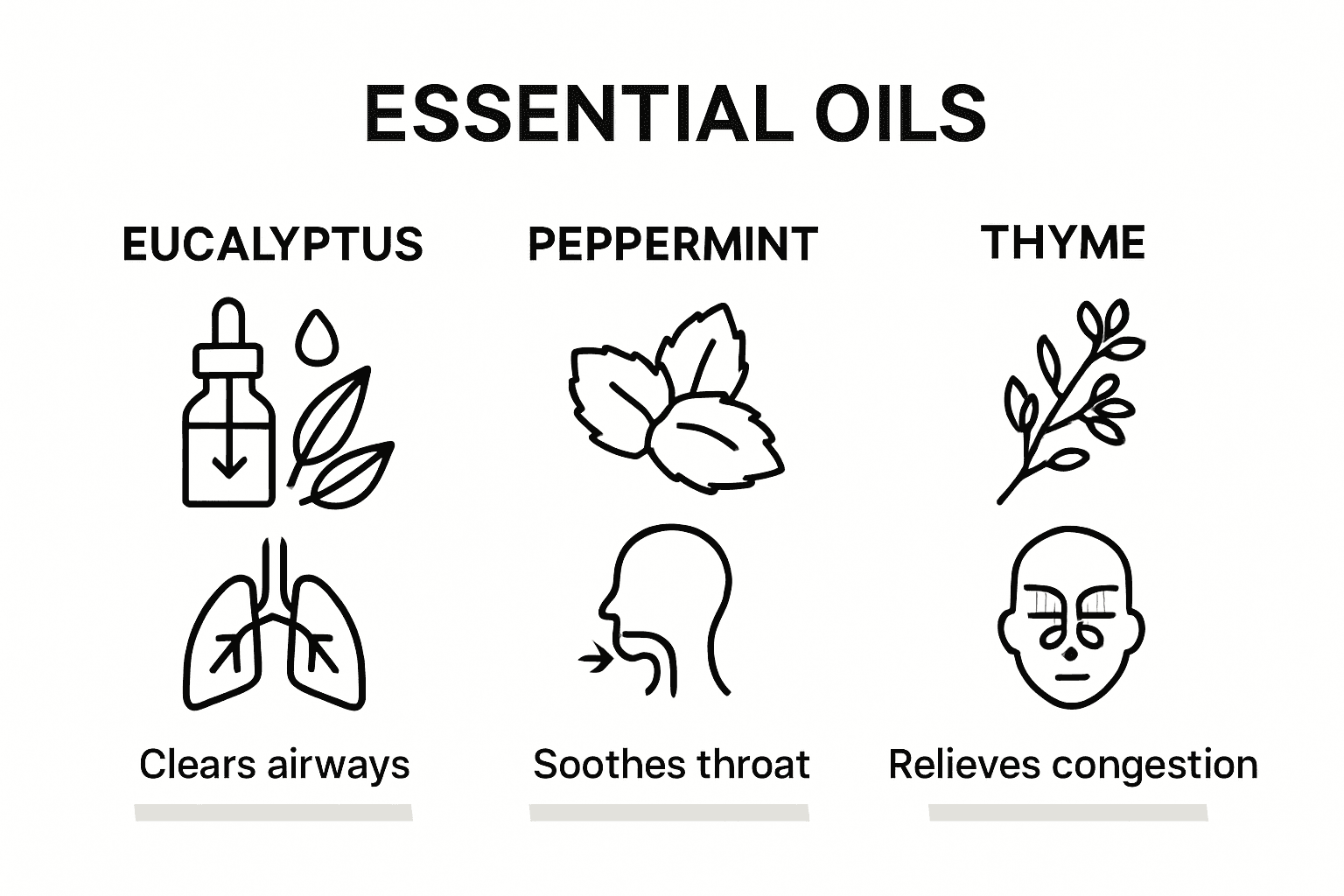
Diffuser usage requires careful consideration of oil selection and application. Different essential oils offer unique benefits – eucalyptus helps clear congestion, lavender promotes relaxation, and tea tree oil provides antimicrobial support. The key is understanding each oil’s specific properties and using them strategically to address individual respiratory needs. Proper dilution and moderation are crucial to ensure safe and effective treatment.
Here’s a comparison of essential oils commonly used for cough relief:
| Essential Oil | Main Active Compounds | Key Respiratory Effect |
|---|---|---|
| Eucalyptus | 1,8-cineole | Opens airways, clears mucus |
| Peppermint | Menthol | Cools, eases irritation |
| Thyme | Thymol, carvacrol | Antibacterial, soothes cough |
| Tea Tree | Terpinen-4-ol | Antimicrobial, reduces inflammation |
| Lavender | Linalool | Relaxes airways, eases stress |
Pro Tip: Oil Rotation Method: Alternate between different essential oils in your diffuser to prevent olfactory fatigue and maximize the therapeutic benefits of various respiratory support compounds.
Daily Rituals: Ginger, Lemon, and Honey Mixture
Scientific research confirms the remarkable therapeutic potential/D0505015028.pdf) of a simple morning mixture combining ginger, lemon, and honey. This powerful combination creates a natural remedy that addresses multiple aspects of respiratory health, offering a holistic approach to managing cough symptoms. The synergistic properties of these ingredients work together to boost immune function, reduce inflammation, and provide soothing relief for irritated respiratory passages.
Ginger’s potent compounds deliver powerful anti-inflammatory and antimicrobial benefits that directly target the underlying causes of cough. When combined with fresh lemon, which provides a rich source of vitamin C, and raw honey known for its natural antibacterial properties, this mixture becomes a concentrated wellness elixir. The preparation is straightforward – grate fresh ginger root, squeeze half a lemon into warm water, and add a tablespoon of raw honey to create a morning drink that supports respiratory health and strengthens the body’s natural defense mechanisms.
The morning ritual goes beyond simple symptom management. Each ingredient brings unique therapeutic qualities to the mixture. Ginger helps reduce mucus production and calm respiratory inflammation, lemon provides immune-boosting antioxidants, and honey creates a protective coating that soothes throat irritation. The warm water helps improve absorption and provides additional hydration, making this a comprehensive approach to natural respiratory support. Regular consumption can help prevent recurring cough symptoms and support overall immune function.
Pro Tip: Temperature Precision: Always use warm – not hot – water when preparing your ginger, lemon, and honey mixture to preserve the delicate enzymes and maximize the therapeutic benefits of each ingredient.
Safety and Choosing Remedies for Children
Understanding the nuanced approach to pediatric cough management requires careful consideration of safety, effectiveness, and age-appropriate interventions. Children’s respiratory systems are more delicate and sensitive compared to adults, necessitating a more cautious and targeted approach to natural remedies. Parents must recognize that not all adult treatments are suitable for children, and consulting healthcare professionals remains the most critical first step in managing persistent cough symptoms.
Natural remedy selection for children demands meticulous evaluation of ingredient safety and potential interactions. Essential oils, while beneficial for adults, can be particularly risky for young children – especially those under two years old. Potential hazards include respiratory irritation, allergic reactions, and systemic absorption risks. Some safe alternatives include gentle honey-based mixtures (for children over one year), warm herbal teas with pediatrician approval, and humidity management through cool mist humidifiers that can help soothe respiratory passages without introducing complex chemical compounds.
Comprehensive medical guidance emphasizes the importance of distinguishing between temporary respiratory irritation and potentially serious underlying conditions. Warning signs that require immediate medical attention include persistent coughs lasting more than three weeks, high fever, difficulty breathing, chest pain, or unusual color changes in mucus. Parents should maintain a detailed symptom log, noting cough frequency, duration, and any accompanying symptoms to provide precise information to healthcare providers.
Pro Tip: Symptom Documentation Strategy: Create a simple tracking sheet recording your child’s cough details, including time of day, duration, and any potential triggers to help medical professionals accurately diagnose and treat respiratory issues.
Discover Natural Relief for Your Cough Today
Dealing with persistent cough can be frustrating and exhausting. This article highlights how natural remedies like herbal infusions, essential oils, and soothing mixtures such as ginger, lemon, and honey can effectively manage cough symptoms while supporting your immune system. If you want to take control of your respiratory health with trusted natural solutions backed by tradition and science, you are in the right place.

Explore a wide selection of carefully curated herbal supplements and holistic wellness products at Homeremedyshop.com where every item supports your body’s natural healing process. Learn how to safely use essential oils, discover effective home remedies, and access expert tips by visiting Natural Remedies for Common Ailments for detailed guides. Don’t wait for your cough to worsen take action now to soothe irritation, reduce inflammation, and breathe easier with our trusted natural therapies.
Frequently Asked Questions
What are some effective home remedies for alleviating cough?
Common home remedies include herbal infusions with marshmallow and licorice root, honey mixtures with lemon and ginger, steam inhalation, and ginger tea. These remedies help soothe the throat, reduce inflammation, and clear congestion.
How does ginger help in relieving cough symptoms?
Ginger contains potent anti-inflammatory and antimicrobial compounds that help reduce mucus production, calm respiratory inflammation, and soothe irritated throat tissues.
Are there any essential oils recommended for cough relief?
Yes, essential oils like eucalyptus, peppermint, and thyme are beneficial for alleviating cough symptoms. They can help open airways, reduce irritation, and provide antimicrobial support when used in a diffuser.
Can children safely use home remedies for cough?
While some natural remedies like honey (for children over one year) and warm herbal teas can be safe, it’s critical to choose age-appropriate options. Always consult with a healthcare professional before using remedies for children, especially concerning essential oils.
Recommended
- 20 DIY Homemade Cough Syrups – Home Remedies
- 15 Quick Home Remedies for Dry Cough – Home Remedies
- 22 Natural Cough Suppressants for Home Use

Pingback: 7 Essential Natural Remedies for Parents to Try Now
Pingback: How to Stop Wheezing and Cure Wheezing Naturally
Pingback: Suffocating Cough at Night: Natural Relief for Kids - Home Remedies