
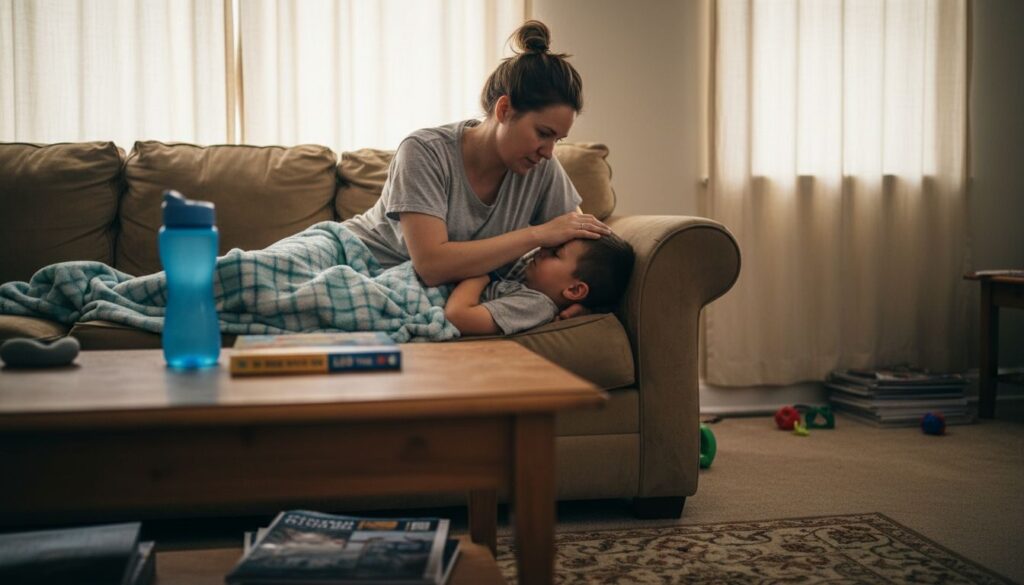
Every health-conscious parent faces tough decisions when their child’s temperature spikes, and it is no surprise that more than 50 percent of American parents search for natural remedies before reaching for medication. Fever is a frequent part of childhood and triggers real concerns, especially for those who want to avoid conventional drugs. This guide empowers parents with proven natural methods to ease fever safely and supports their children’s recovery, emphasizing comfort and the body’s own defenses.
Table of Contents
- Fever in Children: Body’s Natural Defense
- Types of Fevers and When to Worry
- Benefits of Supporting, Not Suppressing, Fever
- Natural Remedies for Comfort and Recovery
- Common Mistakes to Avoid When Treating Fever
Key Takeaways
| Point | Details |
|---|---|
| Fever as a Defense Mechanism | Fever is a natural bodily response that helps children combat infections by creating an inhospitable environment for pathogens. |
| Monitoring is Key | Parents should monitor their child’s fever and overall well-being, noting the duration and associated symptoms before seeking medical intervention. |
| Supporting Recovery | Focus on supporting your child’s comfort with hydration and rest, rather than aggressively reducing fever, to allow the immune system to function effectively. |
| Avoid Common Mistakes | Refrain from automatically administering medication or overreacting to fever; understanding the protective role of fever is crucial for effective management. |
Fever in Children: Body’s Natural Defense
Fever is not an illness but a powerful defense mechanism that helps children fight infections. When a virus or bacteria enters a child’s body, the immune system responds by intentionally raising body temperature to create an inhospitable environment for harmful pathogens. Complex immune responses activate through specialized cells called pyrogens, signaling the brain’s hypothalamus to increase body temperature.
The human body uses fever as a strategic biological weapon against microorganisms. Elevated temperatures make it difficult for viruses and bacteria to survive and multiply, effectively slowing down their growth and progression. By creating an environment that challenges pathogen survival, the body stimulates increased white blood cell production and accelerates antibody creation, which ultimately helps the immune system combat the underlying infection more efficiently.
Children’s developing immune systems often generate higher and more frequent fevers compared to adults. A temperature of 100.4°F or higher indicates the body is actively defending itself. While fever can seem concerning, it represents a natural healing process. The body’s immune defense mechanism works to protect against potential infections by creating conditions that support faster recovery.
Pro tip: Monitor your child’s temperature and overall well-being, but avoid interrupting the body’s natural healing process with immediate fever reduction unless the temperature becomes extremely high or your child shows significant distress.
Types of Fevers and When to Worry
Fever is a complex physiological response that varies across different age groups and severity levels. Fever classifications range from low-grade temperatures between 100°-102°F to high-grade fevers reaching 104°-105°F. Low-grade fevers are typically beneficial, signaling the body’s active immune response and rarely requiring intervention. Moderate fevers between 102°-104°F might cause discomfort and may need careful monitoring.
Children can experience fevers from multiple sources, including viral infections, bacterial infections, vaccine responses, and rarely more serious conditions. Pediatric fever causes include common illnesses like colds and flu, urinary tract infections, and occasionally more complex medical situations. The underlying cause, duration, and accompanying symptoms help determine the appropriate response. Notably, viral infections are the most frequent fever triggers, with bacterial infections occurring less commonly.
Here’s a quick reference table showing common fever causes in children and their typical symptoms:
| Cause | Common Symptoms | Usual Duration | Frequency in Children |
|---|---|---|---|
| Viral Infection | Cough, runny nose | 2-4 days | Very common |
| Bacterial Infection | Sore throat, pain, rash | 3-7 days | Less common |
| Vaccine Response | Mild fever, achiness | 1-2 days | Occasional |
| Other Conditions | Specific symptoms vary | Variable | Rare |
Certain fever scenarios demand immediate medical attention. Infants under three months with any fever require urgent medical evaluation. High fevers exceeding 104°F, fevers lasting more than three days, or those accompanied by severe symptoms like persistent lethargy, difficulty breathing, or unusual rashes warrant professional medical assessment. Parents should carefully observe their child’s overall condition, noting not just temperature but also hydration levels, energy, and additional symptoms.
Pro tip: Keep a detailed fever log tracking temperature, time, duration, and accompanying symptoms to provide comprehensive information to healthcare professionals if medical consultation becomes necessary.
Benefits of Supporting, Not Suppressing, Fever
Fever is a powerful healing mechanism that supports the body’s natural defense system. Immune system activation occurs through elevated body temperature, creating an inhospitable environment for harmful pathogens. By increasing white blood cell activity and stimulating antibody production, fever helps children’s bodies effectively combat infections without external intervention.
The body’s natural healing process involves complex immunological responses that are disrupted by premature fever reduction. Mild to moderate fevers serve critical biological functions, including accelerating metabolic processes that help destroy invading microorganisms. Symptoms like tiredness and reduced appetite are not negative side effects but strategic mechanisms that redirect the body’s energy toward fighting infection. Unnecessarily suppressing fever can potentially prolong illness and interfere with the immune system’s natural healing strategies.
Parents should focus on supporting their child’s comfort during fever rather than eliminating the temperature itself. Hydration, rest, and gentle monitoring are more beneficial than immediately reaching for fever-reducing medications. Pediatric fever management emphasizes understanding fever as a helpful immune response, not a dangerous condition. By providing supportive care and allowing the body’s natural defense mechanisms to function, parents can help their children recover more effectively and efficiently.
Pro tip: Create a calm, restful environment for your child during fever, focusing on hydration and gentle comfort measures that support the body’s natural healing process.
Natural Remedies for Comfort and Recovery
Managing fever in children requires a holistic approach that prioritizes comfort and supports the body’s natural healing process. Effective home fever management centers on maintaining hydration, ensuring proper rest, and creating a supportive environment. Offering plenty of fluids like water, diluted fruit juices, and electrolyte solutions helps prevent dehydration and supports the body’s immune response during fever.
Hydration and temperature regulation are critical components of natural fever care. Light, breathable clothing and maintaining a cool room temperature can help children feel more comfortable without disrupting their body’s natural healing mechanisms. Cool compresses applied to the forehead or back of the neck can provide temporary relief, but parents should avoid overcooking the child or using ice-cold treatments that might shock the system. Pediatric comfort strategies emphasize gentle, supportive approaches that work with the body’s natural defense systems rather than against them.
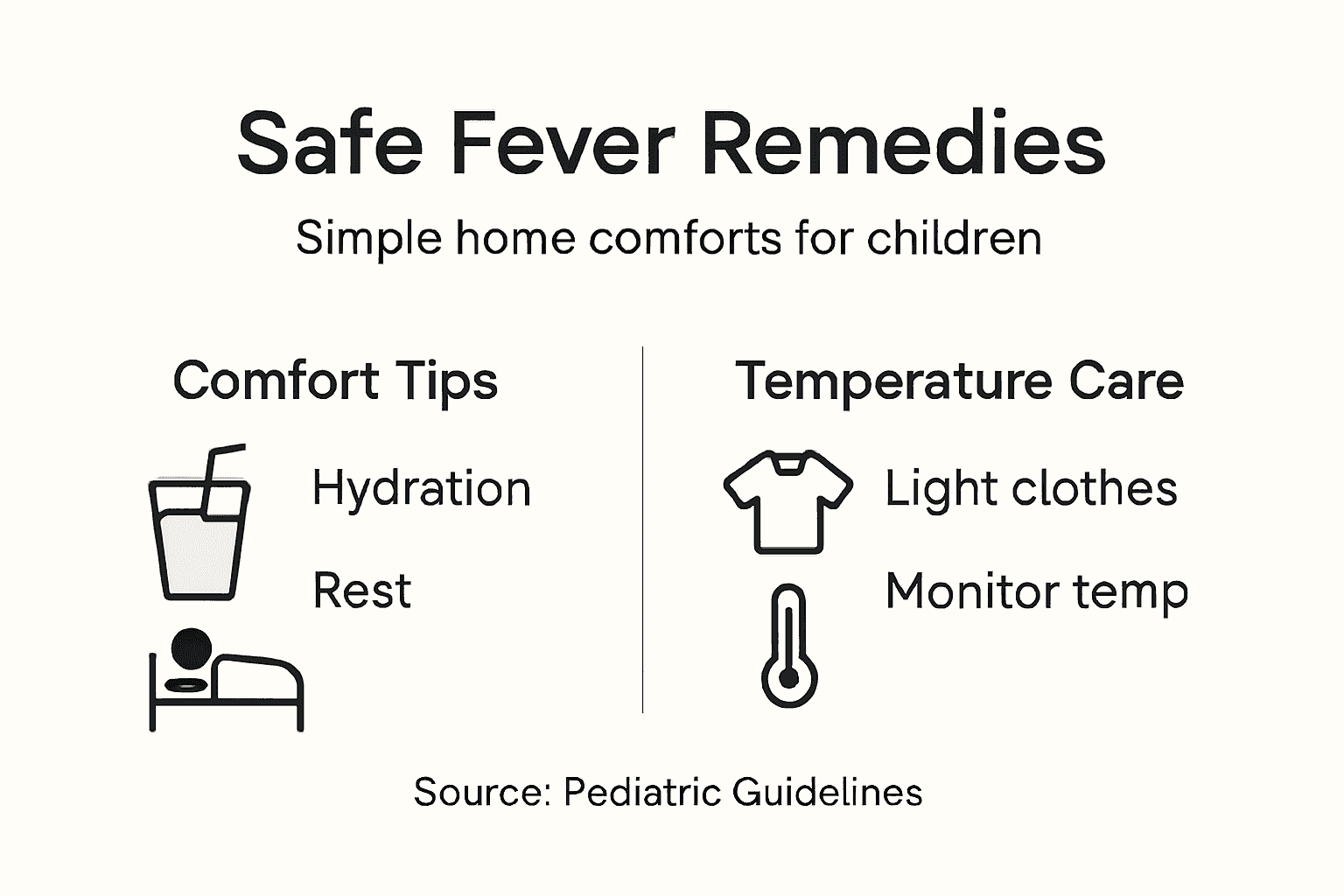
Accurate temperature monitoring is essential for understanding and managing childhood fever. Parents should use age-appropriate thermometers and understand the nuanced approach to fever management. Rectal thermometers are recommended for children under three years, providing the most accurate readings. While fever-reducing medications can be used, they should be approached cautiously and only when the child is significantly uncomfortable or the fever reaches higher dangerous temperatures.
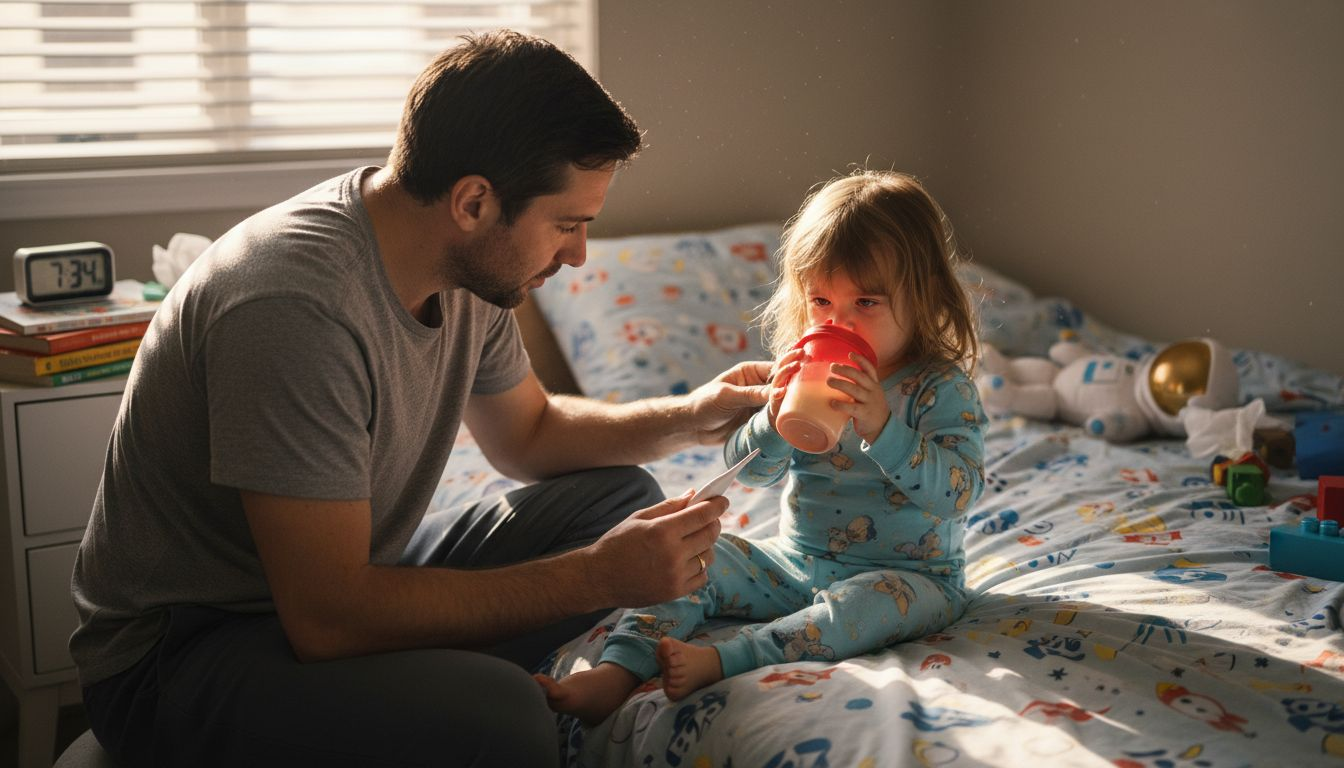
The following table summarizes recommended thermometer types by age group for accurate fever monitoring:
| Age Group | Recommended Thermometer | Why Recommended |
|---|---|---|
| 0-3 months | Rectal | Most accurate for infants |
| 3 months-4 yrs | Rectal or axillary | Better accuracy for young child |
| Over 4 years | Oral or tympanic | Convenient and sufficiently precise |
Pro tip: Create a calm recovery area with soft blankets, quiet activities, and easy-to-digest fluids to support your child’s natural healing process during fever.
Common Mistakes to Avoid When Treating Fever
Parents often make critical errors when managing their child’s fever, potentially compromising the body’s natural healing process. Common fever treatment mistakes include automatically reaching for medication, misunderstanding fever’s protective role, and overreacting to temperature readings. The most dangerous misconception is believing every fever requires immediate medical intervention or pharmaceutical reduction, which can actually interfere with the immune system’s natural defense mechanisms.
Medication misuse represents a significant risk in childhood fever management. Inappropriate dosing of acetaminophen or ibuprofen, alternating medications without professional guidance, and using aspirin can create dangerous health complications. Parents should never administer multiple fever-reducing medicines simultaneously or rely solely on temperature readings without observing their child’s overall condition. Pediatric fever medication risks emphasize the importance of understanding individual medication guidelines and recognizing that comfort matters more than the precise numerical temperature.
Environmental management during fever also involves avoiding common misconceptions. Over-bundling children, using cold baths or alcohol rubs, and attempting aggressive temperature reduction can paradoxically increase discomfort and potentially worsen the body’s natural healing response. Instead, parents should focus on maintaining a comfortable environment, ensuring proper hydration, and allowing the body to fight infection through its inherent immune mechanisms. Watching the child’s behavior, energy levels, and overall well-being provides more meaningful insights than fixating on thermometer readings.
Pro tip: Create a fever management checklist that prioritizes observation, hydration, and comfort over aggressive temperature reduction.
Discover Safe Natural Remedies to Support Your Child’s Healing
Managing a child’s fever naturally can feel overwhelming when you want to provide comfort without disrupting their body’s powerful immune response. This article highlights the importance of trusting the body’s own fever mechanisms while gently supporting recovery with hydration, rest, and temperature regulation. If you want to avoid unnecessary medication and learn trusted home remedies that work alongside your child’s natural defenses, you are in the right place.

Explore a variety of natural solutions and expert advice at Homeremedyshop.com to help soothe your child’s fever safely. Our carefully selected herbal supplements, detailed guides on home remedies, and holistic wellness tips empower you to support your child’s health naturally and effectively. Take control of fever management today by visiting natural remedies for children and start nurturing your child’s recovery the smart way.
Frequently Asked Questions
What are safe home remedies for reducing fever in children?
Home remedies for reducing fever in children include maintaining hydration with water and electrolyte solutions, using cool compresses on the forehead or back of the neck, and creating a calm, cool environment to promote comfort and rest.
How can I ensure my child stays hydrated during a fever?
Encourage your child to drink plenty of fluids, such as water, diluted fruit juices, or oral rehydration solutions. These will help to prevent dehydration and support their immune response during the fever.
When should I seek medical attention for my child’s fever?
You should seek medical attention for your child if they are under three months with any fever, if the fever exceeds 104°F, if it lasts longer than three days, or if your child exhibits severe symptoms such as persistent lethargy, difficulty breathing, or unusual rashes.
Can I use fever-reducing medications immediately when my child has a fever?
It’s advisable to focus on supporting your child’s comfort naturally before turning to fever-reducing medications. Use them only if the child is significantly uncomfortable or the fever reaches dangerously high temperatures.
Recommended
- 26 Home Remedies for Reducing Fever – Home Remedies
- 15 Home Remedies for Fever in Toddlers – Home Remedies
- How to Break a Fever: 5 Safe Remedies Try at Home – Home Remedies
- Home Remedy for Toddler Cough – Natural Home Remedies
