
You wake up and notice your hands or ankles feel unusually puffy, even though you have not had an injury. For many adults across North America and Europe, swelling can appear suddenly and linger for days, causing discomfort and confusion. The real surprise is that swelling often develops from chronic inflammation or fluid buildup—not just trauma. This guide reveals why swelling happens for reasons beyond injuries, helping you understand your body’s signals and find natural solutions that genuinely work.
Table of Contents
- Swelling Causes Beyond Injury
- Types of Limb Swelling Explained
- How Natural Remedies Alleviate Swelling
- Hydration and Electrolytes in Swelling Control
- Temperature Therapy: Hot and Cold Approaches
- Common Mistakes and What to Avoid
Key Takeaways
| Point | Details |
|---|---|
| Swelling Can Be Non-Injury Related | Swelling often results from chronic inflammation or fluid retention rather than acute injuries. Understanding the specific cause is essential for effective treatment. |
| Different Types of Limb Swelling | Types of swelling, such as peripheral edema, lymphedema, and inflammatory swelling, require distinct treatment approaches based on their underlying causes. |
| Natural Remedies for Swelling Reduction | Strategies like elevation, compression, hydration, and temperature therapy can help manage swelling more effectively than isolated methods. |
| Avoid Common Mistakes | Applying heat too soon, using overly tight compression, and neglecting to investigate the cause of swelling can worsen the condition. Proper application and consistency are crucial. |
Swelling Causes Beyond Injury
When most people think about swelling, they picture the immediate aftermath of an injury—a twisted ankle or bruised knee. But the truth is, swelling in your hands, legs, and arms often has nothing to do with trauma at all. Your body can retain fluid and develop inflammation for dozens of different reasons, many of which are entirely preventable or manageable with the right approach. Understanding these causes is your first step toward addressing the root problem rather than just treating the symptom.
Swelling frequently stems from chronic inflammation rather than acute injury. This is where things get interesting. Your body experiences two distinct types of inflammation: acute inflammation, which is your body’s protective response to injury or infection and typically resolves within days, and chronic inflammation, which lingers long-term and can damage healthy tissues over time. Chronic inflammation contributes to serious conditions like heart disease, diabetes, arthritis, and bowel diseases. Beyond inflammation, swelling can result from fluid accumulation in tissues due to poor circulation, lymphatic system dysfunction, hormonal changes, dietary factors, or underlying health conditions. When you sit for extended periods, your circulation slows and fluid pools in your lower extremities. Similarly, excessive sodium intake causes your body to retain water as it attempts to maintain electrolyte balance. Hormonal fluctuations during certain times of the month can trigger temporary swelling. Even allergies and sensitivities can prompt your body to hold onto fluid as part of an inflammatory response.
The key distinction is that swelling reflects fluid buildup or inflammation in tissues, which can happen for reasons completely separate from injury. Your kidneys, heart, or liver function can influence how your body manages fluid. Medications like certain blood pressure drugs or hormonal contraceptives sometimes cause swelling as a side effect. Nutritional deficiencies, particularly in protein or certain minerals, can weaken your body’s ability to regulate fluid distribution. Recognizing which category your swelling falls into matters enormously because the treatment strategy shifts accordingly. A swollen leg from poor lymphatic drainage needs different attention than swelling from high sodium consumption or hormonal shifts.
Pro tip: Track when your swelling appears and what precedes it (dietary choices, activity level, time of month, or medication changes) to identify patterns and pinpoint whether your swelling stems from circulation issues, fluid retention, inflammation, or hormonal factors.
Types of Limb Swelling Explained
Limb swelling comes in several distinct varieties, and understanding which type you’re experiencing makes a significant difference in how you treat it. Not all swelling behaves the same way, and the underlying mechanisms differ considerably. Some types respond beautifully to simple home strategies, while others require more targeted approaches. The good news is that once you identify what you’re dealing with, you can address it directly rather than guessing at solutions.
Peripheral edema is one of the most common forms you’ll encounter. This occurs when fluid accumulates in your limbs due to increased capillary pressure, decreased plasma oncotic pressure, poor lymphatic drainage, or certain medications. Think of it as your body holding onto excess water in the spaces between cells. You might notice pitting edema, where pressing your thumb into the swollen area leaves an indentation that takes time to disappear, or non-pitting edema, where the swelling bounces back immediately. Peripheral edema often affects your feet, ankles, and lower legs, especially after sitting for extended periods or standing all day.
Lymphedema represents a different beast altogether. This chronic swelling from lymphatic blockage typically affects one arm or leg and develops when your lymphatic system cannot drain fluid properly. There are two types: primary lymphedema stems from genetic or developmental issues with your lymphatic system, while secondary lymphedema develops after infections, cancer treatments, or injuries that damage lymph vessels. Lymphedema feels heavier and tighter than regular swelling, your skin may feel thick and leathery, and you might experience restricted movement or discomfort. This type of swelling usually doesn’t pit and feels consistently firm to the touch.
Another category worth understanding is inflammatory swelling, which accompanies conditions like arthritis or autoimmune disorders. This type involves your body’s inflammatory response causing fluid accumulation alongside tissue inflammation. It often appears along with pain, warmth, and redness in the affected area. You might also experience medication-induced swelling, which develops as a side effect from blood pressure medications, hormonal contraceptives, or other drugs that affect fluid balance or circulation.
The key takeaway is recognizing which category describes your situation. Swelling from poor circulation responds differently than swelling from inflammation, which responds differently than lymphatic issues. Your treatment strategy, whether using compression, elevation, heat therapy, or natural remedies like white willow bark, depends entirely on understanding your specific type of swelling.
Pro tip: Note whether your swelling is pitting or non-pitting, whether it affects one limb or both, and whether it appears in the morning or builds throughout the day—these details help you identify your swelling type and choose the most effective natural treatment approach.
Here’s a clear comparison of common limb swelling types and their key features:
| Type of Swelling | Main Cause | Typical Locations | Notable Characteristics |
|---|---|---|---|
| Peripheral edema | Fluid retention, medications | Feet, ankles, lower legs | Pitting or non-pitting, soft |
| Lymphedema | Lymphatic blockage | Single arm or leg | Firm, non-pitting, thick skin |
| Inflammatory swelling | Autoimmune, infections | Joints, limbs | Pain, redness, warmth |
| Medication-induced | Drug side effects | Various | Swelling after new meds |
How Natural Remedies Alleviate Swelling
Natural remedies work by addressing the core mechanisms behind swelling rather than just masking symptoms. Your body’s inflammatory response and fluid retention follow predictable patterns, which means you can interrupt these patterns using time-tested approaches. The beauty of natural solutions is that they typically work with your body’s healing processes instead of against them, creating lasting improvements rather than temporary relief. Understanding how these remedies function helps you use them more effectively and stack them together for greater impact.
The foundation of swelling reduction starts with strategic physical interventions. Elevation above heart level promotes fluid reabsorption, which is why propping your leg on pillows while resting works so effectively. When your swollen limb sits higher than your heart, gravity naturally encourages fluid to drain back toward your core rather than pooling in your extremities. Combined with rest, this approach gives your lymphatic system the opportunity to process accumulated fluid. Cold therapy works differently by constricting blood vessels and reducing inflammation at the cellular level. When you apply cold packs, the tissues tighten temporarily, which decreases swelling and numbs pain signals. Compression wraps work alongside these methods by physically supporting tissues and preventing fluid from accumulating in the first place. Think of compression like a gentle squeeze that keeps fluid moving rather than allowing it to settle.
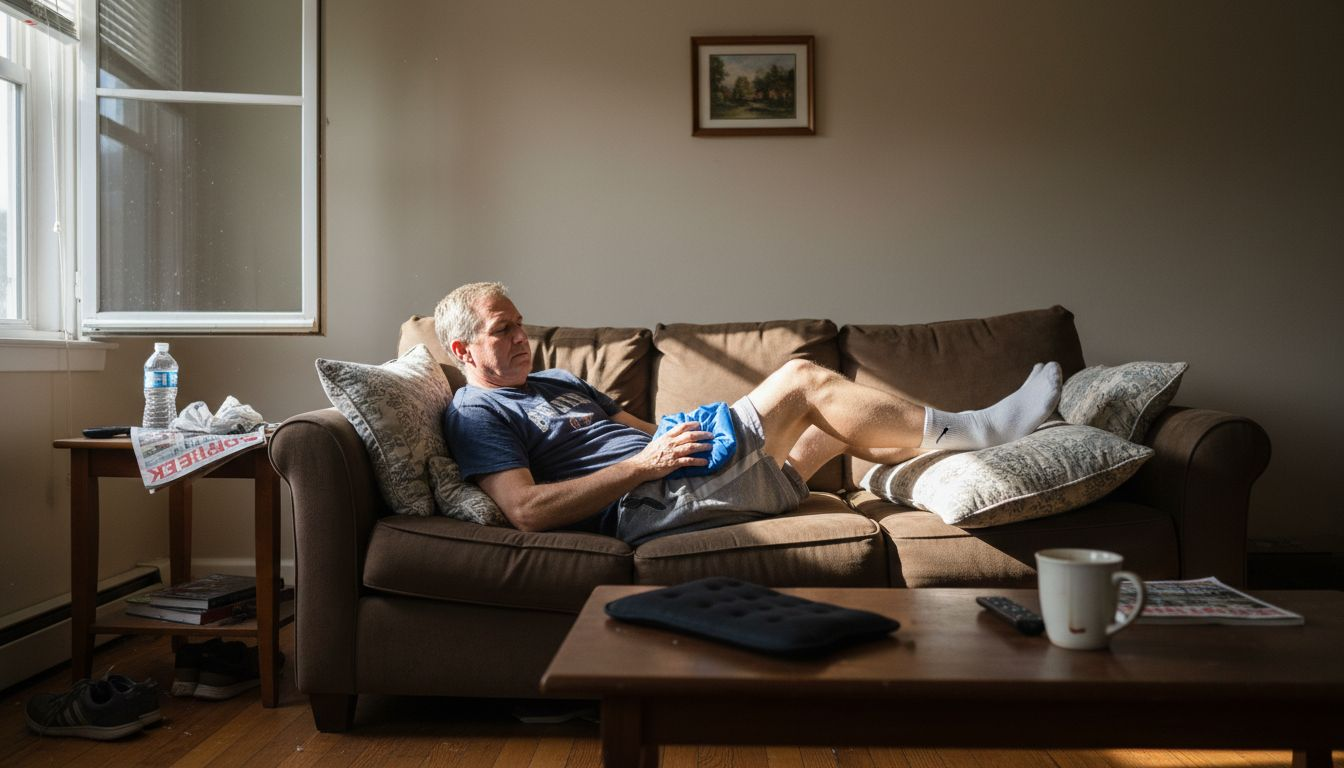
Herbal remedies address swelling from the inside out by reducing inflammation systemically. White willow bark stands out because it contains compounds similar to aspirin that calm inflammatory responses throughout your body without the stomach upset. Unlike pharmaceutical options, white willow bark works gradually and gently. Proper hydration, particularly with electrolytes like coconut water or mineral salts, paradoxically reduces swelling by supporting your kidneys’ ability to regulate fluid balance. When you’re dehydrated, your body holds onto water desperately, causing retention. Other natural approaches include turmeric for its powerful anti-inflammatory compounds, ginger for circulation improvement, and magnesium for muscle relaxation and fluid regulation. Temperature therapy creates a powerful effect through contrast: alternating between warm and cool treatments (something you can experience at spas with hot and cold plunges) stimulates circulation and lymphatic drainage. The warm water dilates blood vessels and increases flow, while cold water constricts them, creating a pumping action that moves stagnant fluid.
The synergy between these approaches amplifies results. Using compression while elevated, taking white willow bark, drinking electrolyte-enhanced water, and incorporating temperature therapy creates a comprehensive assault on swelling from multiple angles. Your body responds to this multi-pronged approach much more effectively than any single remedy alone.
Pro tip: Start your day with elevated legs for 15 minutes before getting out of bed, apply compression before standing for long periods, drink electrolyte-rich water throughout the day, and use temperature therapy (hot shower followed by a brief cool rinse) in the evening to maximize your natural swelling reduction.
To better understand how natural remedies support swelling reduction, see this summary:
| Remedy/Method | Key Mechanism | Typical Benefit | Notable Consideration |
|---|---|---|---|
| Elevation | Gravity aids drainage | Rapid fluid reduction | Works best above heart level |
| Compression | Limits fluid accumulation | Prevents new swelling | Use proper fit, not excessive |
| Cold therapy | Blood vessel constriction | Eases acute swelling | Limit to 15-20 minutes per use |
| Herbal remedies | Reduces inflammation | Systemic improvements | Gradual, gentle effects |
| Hydration/Electrolytes | Supports kidney function | Reduces fluid retention | Prefer natural sources |
Natural Remedies To Reduce Swelling:
Here’s a simple and commonly used white willow bark tea recipe, traditionally used to support relief from aches, inflammation, and fever.
White Willow Bark Tea Recipe
Ingredients
1 teaspoon dried white willow bark (cut or powdered)
1 cup (240 ml) water
Honey or lemon (optional)
Instructions
Add water to a small pot and bring to a gentle boil.
Add the white willow bark.
Reduce heat and simmer for 10–15 minutes.
Remove from heat and let steep another 5 minutes.
Strain into a cup.
Add honey or lemon if desired.
Drink warm.
Typical Use
Traditionally consumed 1–2 times daily as needed.
Safety Notes
White willow bark contains compounds similar to aspirin.
Avoid if you:
Are allergic to aspirin or salicylates
Take blood thinners
Have stomach ulcers
Are pregnant or breastfeeding
Are giving to children or teenagers
Have kidney disorders
Stop use if stomach irritation or allergic symptoms occur.
Turmeric Latte (Golden Milk) Recipe
A turmeric latte, often called golden milk, is a warm, soothing drink traditionally used to support inflammation balance and digestion.
Ingredients (1 serving)
1 cup milk or plant-based milk (almond, coconut, or oat work well)
½ teaspoon ground turmeric
¼ teaspoon ground cinnamon
Pinch of ground ginger or fresh grated ginger (optional)
Pinch of black pepper (helps turmeric absorption)
1 teaspoon honey or maple syrup (optional)
½ teaspoon coconut oil or ghee (optional, for creaminess)
Instructions
Pour milk into a small saucepan.
Add turmeric, cinnamon, ginger, and black pepper.
Warm over medium-low heat, stirring gently for 3–5 minutes. Do not boil.
Remove from heat and stir in honey or maple syrup.
Pour into a mug and enjoy warm.
Optional Additions
Vanilla extract for flavor
Nutmeg or cardamom for extra spice
Collagen powder or ashwagandha for wellness blends
Best Time to Drink
Many people enjoy it:
Before bed for relaxation
After meals for digestion support
During cold or flu season
Hydration and Electrolytes in Swelling Control
Hydration and electrolyte balance represent one of the most overlooked yet powerful tools for controlling swelling. Most people assume that swelling means they should drink less water, but the opposite is actually true. When your body lacks proper hydration, it desperately clings to every drop of fluid it can find, causing retention and swelling. This counterintuitive reality puzzles many people until they understand the science behind it. Your kidneys, heart, and circulatory system all depend on adequate water and electrolytes to function properly. Without them, your body malfunctions, and swelling becomes inevitable.
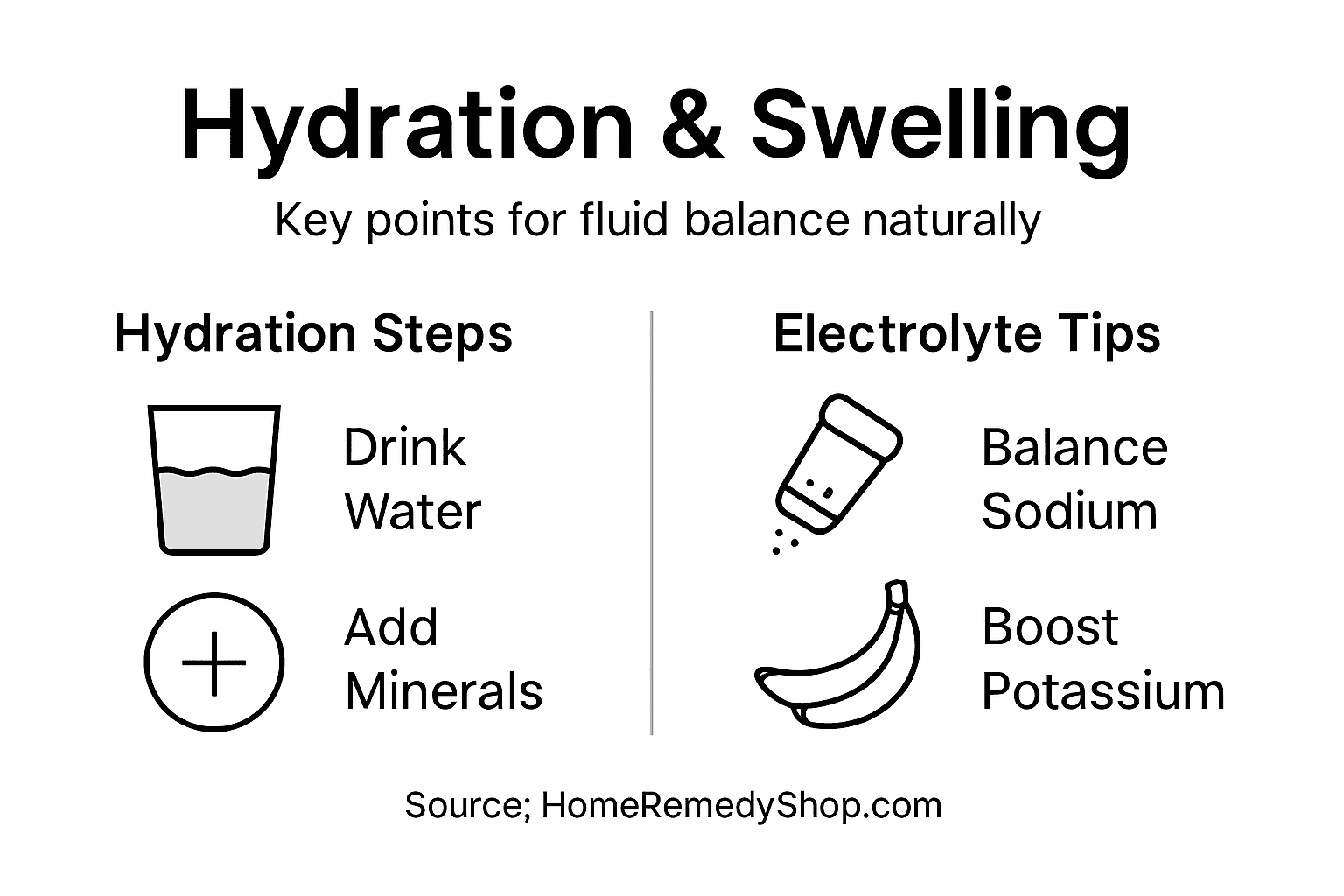
Electrolytes like sodium, potassium, magnesium, and calcium orchestrate a delicate dance that regulates water distribution throughout your body. These minerals work alongside water to maintain proper fluid balance between your bloodstream and the spaces around your cells. When electrolytes fall out of balance, your body cannot maintain this equilibrium, and excess fluid leaks into tissues, creating visible swelling. Think of electrolytes as the bouncers at a club, deciding which water molecules enter tissues and which stay in the bloodstream. Without enough of these minerals present, water distribution becomes chaotic. Sodium often gets blamed for swelling, but the real culprit is sodium imbalance rather than sodium itself. Your body needs sodium to retain water appropriately, but extreme amounts without corresponding potassium and other minerals causes problems. Coconut water, mineral salts, and foods like bananas and leafy greens provide natural electrolyte sources that work far better than grabbing processed sports drinks loaded with sugar.
Proper hydration works with electrolytes to prevent the fluid regulation problems that cause swelling. When you maintain adequate water intake paired with balanced electrolytes, your body distributes fluid evenly throughout tissues rather than allowing it to pool in your extremities. Many people experiencing swelling actually need to increase their water consumption significantly. Start drinking water consistently throughout the day rather than guzzling large amounts at once. Pair this with electrolyte sources to maximize the benefit. If you have cardiovascular or kidney concerns, electrolyte intake becomes even more critical because these organs regulate fluid balance. Your kidneys filter blood and decide how much water to retain or excrete, a process that depends heavily on proper electrolyte signaling. When electrolyte balance suffers, your kidneys cannot function optimally, and swelling results.
The practical strategy involves drinking half your body weight in ounces of water daily while incorporating electrolyte sources. If you weigh 160 pounds, aim for 80 ounces of water. Add electrolytes through coconut water, mineral salts, herbal teas, or whole foods rather than relying on artificial replacements. This combination addresses the root cause of many swelling cases rather than merely treating symptoms.
Pro tip: Drink one liter of water with a pinch of mineral salt or one cup of coconut water added in the morning, then continue hydrating throughout the day with plain water, ensuring you maintain consistent electrolyte balance that supports your body’s natural ability to prevent and reduce swelling.
Temperature Therapy: Hot and Cold Approaches
Temperature therapy represents one of the most accessible and effective tools for managing swelling, yet most people use it incorrectly or incompletely. Your body responds dramatically to temperature changes, and strategic application of heat and cold creates measurable reductions in fluid accumulation and inflammation. The key is understanding when to use each approach and how to combine them for maximum impact. Many spas and wellness centers have discovered what your grandparents already knew: alternating between hot and cold treatments creates powerful healing effects that single-temperature approaches cannot match.
Cold therapy works immediately by constricting blood vessels and reducing the inflammatory cascade. Cold treatment reduces inflammation and numbs pain by slowing cellular activity in swollen tissues. When you apply ice packs or cold water to a swollen area, the cold causes blood vessels to tighten, which decreases blood flow to that region temporarily. This reduced circulation means less fluid leaks into tissues and existing swelling begins draining. Cold therapy works best in the acute phase of swelling, ideally within the first 48 hours, though it remains useful for chronic swelling as well. Apply cold for 15 to 20 minutes at a time, never exceeding 30 minutes, and always protect your skin with a thin cloth barrier to prevent frostbite or skin damage.
Heat therapy operates through opposite mechanisms, increasing blood flow and relaxing muscles and connective tissue. Heat works best for chronic swelling, stiffness, and cases where circulation needs improvement. When you apply warmth to swollen areas, blood vessels dilate and circulation increases, which sounds counterintuitive for swelling reduction. However, improved blood flow helps your lymphatic system drain accumulated fluid more efficiently. Heat also relaxes tight muscles that restrict circulation, allowing better fluid movement throughout the limb. Apply heat for 15 to 20 minutes using warm water, heating pads, or warm compresses. The real magic happens when you combine both approaches. Alternating between hot and cold treatments creates a pumping action that moves stagnant fluid, similar to what happens during contrast therapy at spas with hot and cold plunges. Start with heat for 3 minutes, switch to cold for 1 minute, and repeat this cycle 3 to 4 times, always ending with cold. This contrast therapy stimulates your lymphatic system far more effectively than either temperature alone.
Practical application matters significantly. Never apply extreme temperatures directly to skin. Use lukewarm to warm water rather than scalding hot, and use cool rather than freezing cold. Always protect your skin with a thin layer of fabric. If you have sensory issues, diabetes, or circulatory problems, consult your healthcare provider before beginning temperature therapy. Time your treatments strategically: use cold in the morning to reduce overnight swelling, and use heat or contrast therapy in the evening when muscles are tightest.
Pro tip: Begin each morning with 15 minutes of cold water immersion or ice packs on swollen limbs, then finish your day with 10 minutes of contrast therapy (alternating 3 minutes warm, 1 minute cold, repeated 3 times), which maximizes your body’s natural drainage and prevents fluid from pooling overnight.
Common Mistakes and What to Avoid
Well-intentioned efforts to reduce swelling often backfire because people apply remedies incorrectly or at the wrong time. Understanding what not to do is just as important as knowing what to do. These mistakes range from simple timing errors to dangerous applications that can worsen swelling dramatically. Learning from others’ missteps saves you weeks of frustration and prevents your swelling from escalating into more serious problems.
One of the biggest errors is applying heat immediately after swelling begins. Many people grab a heating pad the moment they notice puffiness, thinking warmth will help. Applying heat too soon during acute inflammation worsens swelling because it increases blood flow to already inflamed tissues, pushing more fluid into the area. Heat belongs in the chronic phase, weeks after initial swelling develops, not in the first 48 hours. Similarly, applying ice directly to skin without protection causes frostbite and tissue damage. Wrap ice packs in cloth and limit application to 15 to 20 minutes maximum. Leaving ice on for 30 minutes or longer damages skin permanently. Another critical mistake involves compression garments worn too tightly. People assume that maximum compression creates maximum results, but overly tight garments cut off circulation, trap fluid below the compression point, and sometimes create two swollen areas instead of one. Compression should feel snug but allow you to slip a finger underneath comfortably.
Neglecting elevation and rest represents another common pitfall. You cannot expect swelling to resolve while standing all day or sleeping without pillow support under your swollen limb. Persistent swelling accompanied by redness, warmth, or pain requires medical evaluation because these signs indicate infection or serious underlying conditions. Ignoring these warning signs and continuing self-treatment delays proper diagnosis and allows complications to develop. Many people also make the mistake of addressing swelling without investigating its cause. If you have heart, kidney, or liver issues, treating swelling symptomatically while the underlying disease progresses leads nowhere. Get evaluated to understand why you’re swelling in the first place.
Another mistake involves inconsistent application of remedies. Taking white willow bark once or using compression for a single day produces no results. Swelling reduction requires consistent, sustained effort over weeks. Expect gradual improvements rather than overnight transformations. Finally, many people fail to combine approaches. Using only elevation or only hydration or only temperature therapy produces minimal results. Your best outcomes come from stacking multiple strategies: elevation plus compression plus hydration plus temperature therapy plus herbal remedies working together simultaneously.
Pro tip: Before starting any swelling reduction protocol, note the color, temperature, and firmness of your skin, and if you observe redness, unusual warmth, or tenderness that worsens despite treatment, stop home remedies immediately and seek professional medical evaluation to rule out infection or serious underlying conditions.
Discover Natural Solutions to Reduce Swelling Effectively
If you have been struggling with persistent swelling caused by fluid retention, inflammation, or circulation issues, you understand how uncomfortable and frustrating it can be. This article highlights the importance of addressing swelling with safe, natural approaches such as elevation, compression, hydration, herbal remedies like white willow bark, and temperature therapy. At the heart of these methods is your desire to regain comfort and improve your limb health without relying on harsh medications or risky treatments.
Take control of swelling today by exploring trusted natural remedies and holistic wellness products at Homeremedyshop.com. Our carefully curated selection and in-depth guides empower you to support your body’s healing processes naturally. Visit now to find solutions that fit your needs and start your journey toward lasting relief and improved well-being.
Frequently Asked Questions
What are some natural remedies for reducing swelling?
Natural remedies for reducing swelling include elevation of the affected limb, cold therapy to constrict blood flow, compression wraps to limit fluid accumulation, and herbal remedies like white willow bark and turmeric.
How does hydration help in reducing swelling?
Proper hydration helps prevent your body from retaining excess fluid. When you’re adequately hydrated, your kidneys can regulate fluid balance, reducing the chances of swelling.
What is the difference between pitting and non-pitting edema?
Pitting edema leaves an indentation when pressed, while non-pitting edema does not. Pitting edema is often seen in conditions like peripheral edema, whereas non-pitting is common in lymphedema.
Why should I avoid applying heat immediately after swelling appears?
Applying heat during the acute phase of swelling can worsen the condition by increasing blood flow to already inflamed tissues, leading to more fluid leakage. Heat is best used after the initial swelling subsides.
Recommended
- How to Reduce Swelling at Home with 15 Natural Remedies
- 15 Home Remedies for Edema – Home Remedies
- 15 Home Remedies for Swollen Feet – Home Remedies
- 15 Best Home Remedies for Swollen Feet – Home Remedies
- Natural Remedies for Singers: Boost Your Vocal Strength Easily – TMRG Solutions

Pingback: How to Conceal a Black Eye Naturally and Safely - Home Remedies