

Every athlete recognizes the frustration when muscle soreness lingers long after a hard session. Ignoring proper recovery can sabotage even the best training plans, leaving you tired, sore, and at risk for setbacks. Prioritizing muscle recovery does more than just relieve discomfort—it helps your body adapt, rebuild, and prevent injury, supporting steady performance improvements. This guide unpacks how natural, holistic tactics repair muscle tissue and why thoughtful recovery routines are non-negotiable for long-term progress.
Table of Contents
- What Is Muscle Recovery And Why It Matters
- Exploring Muscle Recovery Methods And Types
- Epsom Salt Baths For Relieving Soreness
- Creatine For Cellular Energy Restoration
- Comparing Natural And Pharmaceutical Options
- Common Pitfalls In Muscle Recovery Routines
Key Takeaways
| Point | Details |
|---|---|
| Muscle Recovery is Essential | Recovery is crucial for muscle repair and growth, occurring after workouts when muscles rebuild stronger. Ignoring recovery leads to fatigue and increased injury risk. |
| Active and Passive Recovery | Incorporate both active (light movement) and passive (complete rest) recovery methods for optimal healing. This combination ensures effective muscle repair and prepares the body for future workouts. |
| Nutrition and Hydration Matter | Proper nutrition and hydration are critical components of recovery. Consuming adequate nutrients and staying hydrated enhances muscle repair and overall performance. |
| Prioritize Sleep for Recovery | Quality sleep is vital as it facilitates muscle rebuilding and hormonal balance. Aim for seven to nine hours of sleep nightly to maximize recovery potential. |
What Is Muscle Recovery and Why It Matters
Muscle recovery is the biological process where your body repairs and strengthens muscle tissue after exercise-induced microtrauma. Think of it this way: when you lift weights or push hard during training, you create tiny tears in your muscle fibers. Your body doesn’t actually get stronger during the workout itself. Instead, the magic happens during recovery, when your muscles repair those fibers and rebuild them stronger than before. This is why muscle tissue repair and strengthening is just as important as the training itself.
Without proper recovery, your body never gets the chance to complete this repair process. You’d accumulate fatigue, increase your risk of injury, and actually move backward instead of forward. This is where the concept of “overtraining” comes in. Many athletes think more is always better, but that’s where they sabotage themselves. Recovery from training is crucial for physical activity and wellness, helping restore homeostasis after the stress your muscles experience during exercise. When you prioritize recovery, you’re allowing your body to adapt, rebuild, and prepare for your next training session. The recovery period is when your nervous system stabilizes, your hormones rebalance, and your muscles actually become stronger and more resilient.
What makes recovery so vital is that timelines vary depending on the severity of the exercise and individual factors like age, fitness level, and nutrition. A light workout might need 24 hours of recovery, while an intense training session could require 48 hours or more. This isn’t weakness or laziness on your part. This is your body’s physiological reality. Young athletes with excellent nutrition and sleep might recover faster than someone balancing training with high stress or poor sleep. The recovery process involves complex biological adaptations: replenishing energy stores, reducing inflammation, synthesizing new muscle proteins, and restoring your musculoskeletal system to baseline. When you skip recovery, these processes get interrupted, and you’re left feeling perpetually sore, tired, and vulnerable to injuries that set you back weeks or months. Conversely, athletes who respect recovery return stronger and faster because they give their bodies the window it needs to rebuild.
Pro tip: Track your recovery by monitoring how you feel during your next training session; if you’re still sore or fatigued, extend your recovery time by another day before hitting those same muscle groups again.
Exploring Muscle Recovery Methods and Types
Muscle recovery is not one-size-fits-all. There are multiple methods and recovery types working together to help your body bounce back from training stress. Think of recovery like a toolkit where different tools handle different jobs. Some methods address soreness directly, others restore energy levels, and still others help your nervous system calm down. When you understand the different recovery approaches available, you can build a personalized strategy that actually works for your body rather than following generic advice that might not fit your situation.
Active recovery and passive recovery are the two main categories you need to understand. Active recovery involves light movement like easy walking, swimming, or yoga on your off days. This gentle activity increases blood flow to your muscles without causing new microtrauma, helping flush out metabolic waste products that build up during hard training. Passive recovery, on the other hand, means complete rest where you’re not exercising at all. This includes sleeping, sitting on the couch, or just letting your body do its repair work without additional movement demands. The best approach usually combines both: you might do light yoga on one recovery day and take a completely off day the next. Beyond these physical methods, multiple recovery tactics including nutrition, hydration, and sleep work together to support your body’s repair process. Nutrition provides the amino acids and carbohydrates your muscles need to rebuild. Hydration keeps your body functioning at peak efficiency for protein synthesis and waste removal. Sleep is where most of the actual muscle-building magic happens, as growth hormone spikes during deep sleep phases.
You also need to know about passive modalities like stretching, foam rolling, massage, and temperature therapy. Stretching increases flexibility and can reduce soreness when done after workouts. Foam rolling applies pressure to tight muscle tissue, improving blood flow and breaking up adhesions that restrict movement. Massage, whether self-administered or professional, accomplishes similar goals by manipulating soft tissue to enhance recovery. Temperature therapy includes both heat and cold applications: cold reduces acute inflammation right after intense training, while heat applied hours later promotes blood flow and relaxation. Different techniques vary in effectiveness based on individual needs, which is why some athletes swear by ice baths while others prefer sauna sessions. The reality is your body responds to what works best for your particular situation, genetics, and training style.
Natural remedies fit beautifully into this recovery framework. Herbal teas with anti-inflammatory compounds, magnesium supplementation for muscle relaxation, and foods rich in antioxidants all support your body’s natural healing processes. Many athletes combine these approaches with the physical methods mentioned above, creating a comprehensive recovery strategy. The key is consistency and tailoring your approach based on how your body responds.
Pro tip: Rotate between two or three recovery methods throughout your week rather than relying on just one, since your body adapts to repeated stimuli and becomes less responsive over time.
Here’s a summary comparing major muscle recovery methods and their unique benefits:
| Method | Main Focus | Typical Duration | Key Benefit |
|---|---|---|---|
| Active Recovery | Light movement | 20-45 minutes | Boosts blood flow, reduces waste |
| Passive Recovery | Total rest/sleep | 7-9 hours | Hormonal balance, rebuilds tissue |
| Epsom Salt Bath | Mineral absorption | 20-30 minutes | Reduces inflammation, eases soreness |
| Creatine Supplement | Energy restoration | Weeks (daily use) | Faster ATP regeneration, faster repair |
| Stretching/Massage | Flexibility/tissue | 10-30 minutes | Relaxes muscles, improves mobility |
| Temperature Therapy | Inflammation relief | 10-20 minutes | Reduces swelling or boosts circulation |
| Natural Remedies | Relaxation/support | 5-30 minutes | Gentle healing, supports recovery |
Epsom Salt Baths for Relieving Soreness
Epsom salt baths are one of the most accessible and effective natural remedies for post-workout muscle soreness. Unlike table salt, Epsom salt contains magnesium sulfate, a compound that works differently in your body. When you dissolve Epsom salt in warm water and soak, the magnesium and sulfate ions are absorbed through your skin directly into your muscle tissue. This transdermal absorption bypasses your digestive system, allowing these minerals to reach sore muscles quickly and efficiently. The warm water itself triggers vasodilation, meaning your blood vessels expand and send more oxygen and nutrient-rich blood to your exhausted muscles. This combination of heat and mineral absorption creates a powerful recovery environment that reduces inflammation at the cellular level and eases the deep muscle aches that make moving painful the day after hard training.
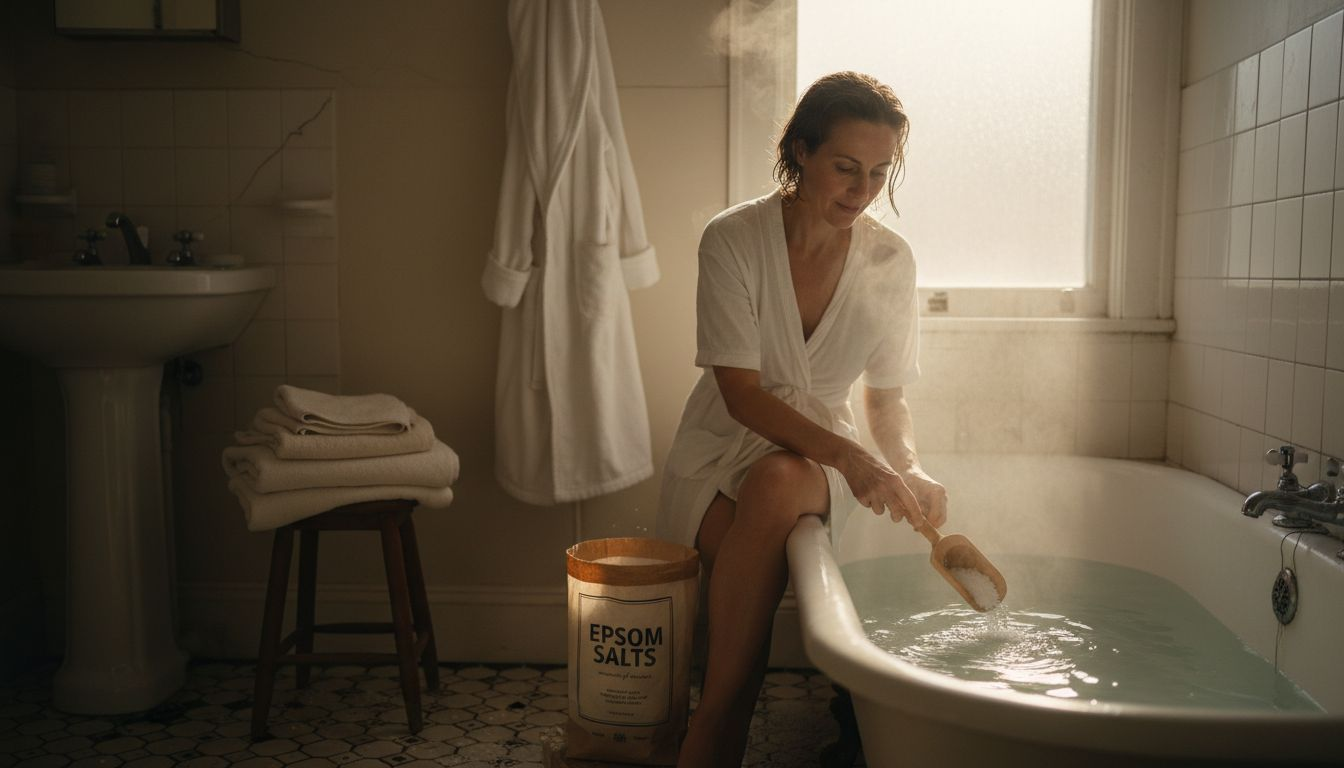
Magnesium sulfate absorbed through the skin reduces inflammation and eases muscle pain while promoting the relaxation and sleep quality that your body desperately needs for actual repair to happen. Many athletes overlook the sleep component of recovery, but it’s where growth hormone peaks and your muscles truly rebuild themselves stronger. When you soak in an Epsom salt bath, the magnesium actually calms your nervous system by activating your parasympathetic response, the “rest and digest” mode that prepares your body for quality sleep. You’ll notice this effect within 20 minutes of soaking as your muscles relax and tension melts away. The soreness doesn’t vanish instantly, but the bath creates an optimal environment for healing by reducing inflammation, improving circulation, and preparing your nervous system for recovery sleep.
Using Epsom salt baths correctly matters for getting results. Add one to two cups of Epsom salt to a warm bathtub and soak for 20 to 30 minutes. The water should be comfortably warm, not scorching hot, because excessive heat can actually increase inflammation. Soak as soon as possible after your workout, ideally within two hours, when inflammation is most active. You can use Epsom salt baths up to three times per week without issues, though most athletes find once or twice weekly provides sufficient recovery support. Some people add essential oils like lavender or eucalyptus to enhance relaxation, though the Epsom salt alone does the heavy lifting for muscle recovery. The magnesium absorption continues working for hours after you exit the bath, so don’t rinse off immediately. Give yourself at least 30 minutes after soaking before showering to allow maximum mineral absorption.
Many athletes combine Epsom salt baths with other recovery methods for synergistic effects. You might take an Epsom salt bath on one recovery day and use natural muscle relaxers on another day, rotating approaches to keep your body responsive. The key advantage of Epsom salt baths is that they work well for both acute soreness from recent workouts and chronic muscle tension from accumulated training stress. They’re also completely safe with zero side effects for most people, making them an ideal foundation for any natural recovery protocol. Athletes with kidney issues or those taking certain medications should consult their healthcare provider, but for most fitness enthusiasts, Epsom salt baths represent a simple, affordable, science-backed tool that delivers real results.
Pro tip: Schedule your Epsom salt bath for the evening after intense training so the magnesium absorption supports better sleep quality that same night, amplifying your recovery results.
Creatine for Cellular Energy Restoration
Creatine is a naturally occurring compound found in your muscles that your body uses to generate energy during intense physical activity. Think of it as your muscles’ emergency fuel tank. When you perform explosive movements like sprinting, heavy lifting, or intense interval training, your muscles rapidly burn through ATP, the molecule that powers muscle contractions. Once ATP is depleted, your muscles turn to phosphocreatine, a stored form of creatine that quickly regenerates ATP and keeps your muscles firing at maximum capacity. The problem is your body produces limited creatine naturally from amino acids in your liver and kidneys, which means your phosphocreatine stores deplete faster than they can be replenished during sustained high-intensity efforts. This is where supplementation comes in. Creatine supplementation increases muscle phosphocreatine stores, enhancing anaerobic performance and supporting muscle recovery by giving your muscles more fuel for intense training and faster ATP regeneration between sets.
Understanding how creatine supports recovery requires knowing what happens at the cellular level. During intense training, your muscles don’t just get pumped and tired. They experience metabolic stress and microtrauma that triggers your body’s repair response. Creatine accelerates this repair process by ensuring your muscle cells have sufficient energy to synthesize new proteins and clear metabolic waste products that accumulate during hard training. When your ATP levels stay higher with creatine supplementation, your muscles can complete repair processes more efficiently, reducing recovery time and the duration of soreness. This means you recover faster between workouts and can train more frequently without compromising your body’s ability to repair itself. Athletes who supplement with creatine report shorter recovery windows and reduced delayed-onset muscle soreness, allowing them to maintain training intensity across multiple sessions per week.
Creatine monohydrate is the most researched and cost-effective form available. The standard approach involves a loading phase where you take five grams four times daily for five to seven days, then maintain with three to five grams daily. Skip the loading phase if you prefer a slower approach by simply taking three to five grams daily for three to four weeks until your muscles reach saturation. Your body absorbs creatine better when combined with carbohydrates and protein, so take your dose with a meal containing both macronutrients. Consistency matters more than anything else with creatine. You need sustained supplementation to build up phosphocreatine stores in your muscles, and benefits take weeks to become noticeable. Most athletes report feeling stronger and recovering faster after two to three weeks of daily supplementation.
Creatine is completely safe for most athletes, with decades of research supporting its efficacy and safety profile. It’s naturally present in meat and fish, so you’re simply increasing dietary intake to optimal levels for athletic performance. Creatine pulls water into muscle cells, which means you need to drink more water throughout the day to stay properly hydrated. Many athletes combine creatine with other recovery strategies for comprehensive support. You might use creatine for systemic cellular energy restoration while using Epsom salt baths for localized inflammation reduction, creating a multi-layered recovery approach that addresses different aspects of the healing process.
Pro tip: Take your daily creatine dose with your post-workout meal containing carbohydrates and protein to maximize absorption and enhance the recovery benefits when your muscles are most receptive to nutrients.
Comparing Natural and Pharmaceutical Options
When muscle soreness strikes, you face a choice. Do you reach for over-the-counter pain relievers like ibuprofen or naproxen, or do you try natural remedies like Epsom salt baths and herbal supplements? This isn’t a simple either-or decision. Both approaches have legitimate benefits and drawbacks, and understanding the differences helps you make an informed choice based on your specific situation, health status, and recovery goals. Pharmaceutical anti-inflammatories work quickly and effectively by blocking the enzymes responsible for inflammation and pain signaling. You take a pill and feel relief within 30 to 60 minutes. The problem is that inflammation, while uncomfortable, is actually part of your body’s healing process. When you suppress it too aggressively, you might reduce soreness but simultaneously slow down the adaptive responses that make your muscles stronger. Additionally, long-term use of anti-inflammatory drugs carries risks including gastrointestinal issues, cardiovascular concerns, and potential kidney problems with sustained use.
Natural remedies take a different approach. Rather than forcefully suppressing inflammation, they support your body’s natural healing processes while managing pain through relaxation and improved circulation. Natural supplements like magnesium effectively relieve musculoskeletal pain with fewer side effects than anti-inflammatory pharmaceuticals, making them ideal for athletes prioritizing long-term health alongside performance. Epsom salt baths, herbal teas, and magnesium supplementation work gradually but gently, allowing your nervous system to relax while your body completes its repair work. The trade-off is that natural remedies typically take longer to show results. You won’t feel instant relief like you would with a pain pill, but you’ll experience a gradual reduction in soreness over several hours or days while simultaneously supporting your body’s healing mechanisms. This approach aligns better with the holistic recovery philosophy that respects your body’s intelligence rather than overriding it.
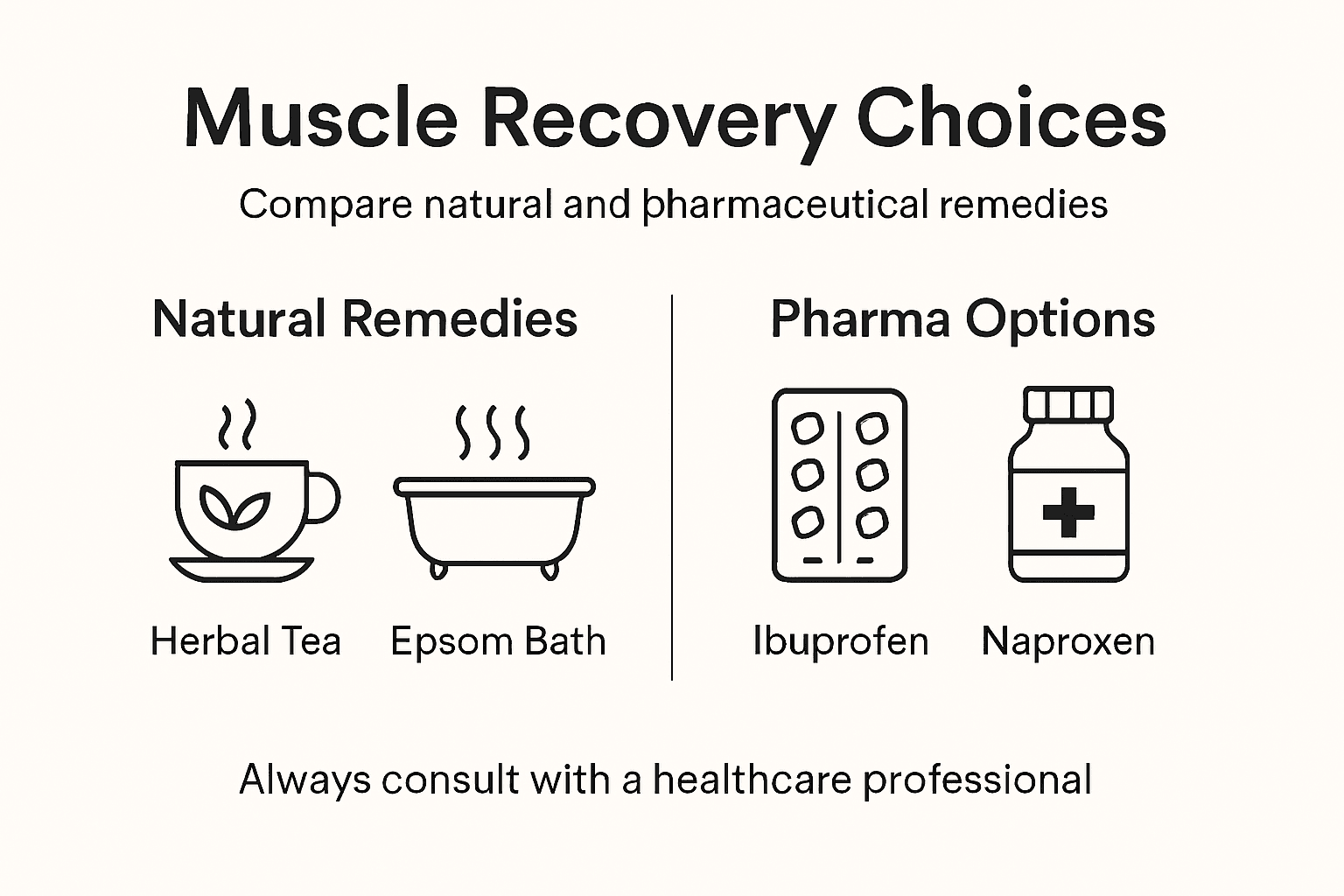
The best strategy for most athletes combines both approaches strategically. Use pharmaceutical anti-inflammatories sparingly for severe acute pain that prevents normal function or sleep, but rely on natural remedies for routine post-workout soreness. This means taking ibuprofen only when truly necessary rather than automatically after every tough session, which allows your body to mount full inflammatory responses most of the time. For your regular recovery protocol, prioritize natural methods: Epsom salt baths two to three times weekly, consistent magnesium supplementation, adequate hydration, quality sleep, and active recovery movement. This balanced approach gives you the benefits of both worlds without the cumulative risks of chronic pharmaceutical use. Athletes who adopt this strategy report faster long-term adaptation, fewer injuries, and better sustained performance because their bodies complete full recovery cycles instead of having inflammation artificially suppressed.
Consider your individual factors when deciding which approach fits your situation. If you have a history of gastrointestinal issues, kidney concerns, or take blood thinners, natural remedies become even more attractive since they carry minimal systemic risks. If you’re training for competition and need rapid recovery between high-volume sessions, you might use pharmaceuticals more strategically during peak training blocks. If you’re managing chronic muscle tension from work stress or aging, natural remedies offer sustainable long-term solutions without the side effect burden. The key is informed decision-making rather than default reflexes. Talk with your healthcare provider about your specific situation, especially if you have underlying health conditions or take medications. They can help you develop a personalized recovery strategy that balances effectiveness, safety, and your unique health profile.
Pro tip: Reserve pharmaceutical anti-inflammatories for instances when soreness severely limits your function or sleep quality, and use natural remedies as your primary recovery tool to maximize your body’s adaptive responses while protecting long-term health.
The following table highlights differences between natural remedies and pharmaceutical options for muscle recovery:
| Approach | Onset of Relief | Long-term Effects | Typical Risks |
|---|---|---|---|
| Natural Remedies | Gradual (hours/days) | Supports holistic adaptation | Minimal side effects |
| Pharmaceuticals | Rapid (30-60 minutes) | May slow muscle adaptation | GI, kidney, cardiovascular |
Common Pitfalls in Muscle Recovery Routines
Most athletes sabotage their own recovery without realizing it. They crush themselves in the gym, follow decent nutrition protocols, then undermine all that effort by committing one of several predictable mistakes that slow healing and increase injury risk. The most dangerous pitfall is insufficient rest combined with overtraining mentality. Athletes believe more is always better, so they train intensely every single day or push harder on recovery days when they should be moving gently. This creates a situation called nonfunctional overreaching where your body accumulates fatigue faster than it can recover. Understanding the stress-recovery balance and individualizing recovery plans helps prevent burnout and optimizes how your body adapts to training stimulus. Your nervous system needs downtime. Your hormones need rebalancing. Your muscles need time to rebuild and strengthen. When you never give your body this window, you plateau in performance, feel perpetually tired, get sick more often, and eventually crash into injury that forces months off training anyway. The athletes who progress fastest aren’t those who train hardest every day. They’re the ones who respect recovery as seriously as they respect training intensity.
Another massive mistake is chronic dehydration throughout the day. Athletes think hydration only matters during workouts, so they drink water during exercise then ignore hydration the rest of the day. This is backward. Your muscles recover between workouts, not during them. Dehydration exacerbates muscle damage and prolongs recovery by disrupting cellular function and reducing blood flow, which means inadequate hydration throughout your entire day actively prevents healing. Your cells can’t synthesize new proteins without sufficient water. Metabolic waste products can’t be flushed out efficiently. Your immune system can’t function optimally. Most athletes are chronically dehydrated without realizing it, walking around 2 to 3 percent below optimal hydration levels. This modest dehydration state seems invisible but measurably impairs recovery, reduces strength, and slows muscle protein synthesis. Start drinking water consistently from the moment you wake up. Aim for half your body weight in ounces throughout the day. If you weigh 180 pounds, drink 90 ounces of water daily before factoring in workout sweat loss.
Nutrition timing and composition represent another critical recovery mistake. Athletes eat enough calories overall but distribute them poorly relative to training. They train hard in the morning without fueling properly beforehand, then don’t eat adequately in the post-workout window when muscle protein synthesis peaks. They skip breakfast entirely or eat carbohydrate-only meals without sufficient protein. They prioritize training volume but neglect the specific nutrients that actually rebuild muscle tissue. Your muscles need amino acids and carbohydrates in sufficient quantities at the right times. Post-workout windows matter because your muscles are primed to absorb nutrients and initiate repair. Skipping this window or eating inadequately during it wastes training stimulus. Similarly, athletes often use recovery methods in isolation rather than synergistically. They take an Epsom salt bath but skip hydration and sleep. They supplement with creatine but don’t lift hard enough to trigger adaptation. Recovery is a complete system where individual components support each other. Missing one pillar reduces effectiveness of the others.
Sleep deprivation stands as perhaps the most underestimated recovery killer. Athletes obsess over supplements and massage while sleeping five or six hours nightly, fundamentally misunderstanding that growth hormone spikes occur during deep sleep phases. You cannot out-supplement bad sleep. No natural remedy replaces the cellular repair work that happens during quality sleep. If you’re not sleeping seven to nine hours nightly, every other recovery strategy is working with one hand tied behind its back. Your nervous system stays in sympathetic overdrive. Your cortisol levels stay elevated. Your immune system stays compromised. Your muscles can’t fully rebuild. Prioritize sleep like you prioritize training. Dark room. Cool temperature. Consistent bedtime. No screens before bed. These boring fundamentals matter more than any supplement you could take.
Pro tip: Track your recovery metrics for one week by rating your sleep quality, daily hydration consistency, and post-workout nutrition timing on a scale of one to ten, then identify which single metric is lowest and focus on improving that one factor before adding new recovery techniques.
Unlock the Power of Natural Muscle Recovery Today
Struggling with lingering muscle soreness or looking for proven natural ways to speed up healing after intense workouts The article highlights key challenges like inflammation, soreness, and the critical need for smart recovery strategies such as Epsom salt baths and magnesium supplementation to support your body’s repair process. If you want to stop feeling stuck in the cycle of fatigue and slow healing then it’s time to embrace holistic solutions that work with your body rather than against it.

Discover a curated selection of trusted herbal supplements and natural remedies designed to relieve inflammation, enhance circulation, and restore hormonal balance at Homeremedyshop.com. Whether you want to boost your recovery with magnesium-rich products, add calming herbal teas, or explore natural muscle relaxers, you’ll find detailed guides and effective wellness tools to build a personalized recovery routine. Don’t wait until soreness limits your progress. Visit our website now to empower your healing journey and reclaim your strength with nature’s best support.
Frequently Asked Questions
What is muscle recovery and why is it important?
Muscle recovery is the process where the body repairs and strengthens muscle tissue after exercise-induced microtrauma. Proper recovery is crucial because it allows muscles to rebuild stronger, reduces the risk of injury, and restores overall physical function.
How can Epsom salt baths help with muscle recovery?
Epsom salt baths help by allowing magnesium sulfate to be absorbed through the skin, which reduces inflammation and eases muscle soreness. The warm water promotes blood flow to muscles, creating an optimal environment for healing post-exercise.
How does creatine support recovery and muscle energy?
Creatine aids recovery by replenishing phosphocreatine stores in muscles, which helps regenerate ATP during high-intensity exercise. This ensures that your muscles have enough energy to repair themselves efficiently after workouts, leading to reduced recovery time and soreness.
What are some common mistakes in muscle recovery routines?
Common mistakes include insufficient rest, chronic dehydration, poor nutrition timing, and neglecting sleep. These factors can impede the recovery process and increase the risk of injury, making it important to address them for effective recovery.
Recommended
- The Ultimate Guide to Muscle Recovery – Home Remedies
- Natural Muscle Relaxers You Can Make At Home – Home Remedies
- 15 Home Remedies for Relieving a Pulled Muscle – Home Remedies
- 15 Soothing Home Remedies for Leg Cramps – Home Remedies
