

Over 80 percent of sexually active adults worldwide will face Human Papillomavirus at some point, yet myths about genital warts still fuel confusion and stigma, even among American women dedicated to holistic wellness. For health-conscious readers who value natural approaches and personal empowerment, understanding the facts and exploring time-tested remedies can transform self-care and confidence. Discover essential insights about genital warts, HPV, and practical, gentle strategies that support a proactive, well-informed approach to intimate health.
Table of Contents
- Genital Warts and Hpv: Key Facts and Myths
- How Genital Warts Develop and Spread
- Natural Remedies: Tea Tree Oil and More
- Boosting Immunity for Wart Recovery
- Safe Sex Practices and Preventing Recurrence
Key Takeaways
| Point | Details |
|---|---|
| Understanding HPV Prevalence | Approximately 80% of sexually active individuals will contract at least one strain of HPV during their lifetime. Most infections clear naturally without causing visible symptoms or health issues. |
| Preventive Measures | Safe sexual practices, including using barrier protection and regular screenings, are crucial for minimizing HPV transmission and preventive health. |
| Immune System Importance | A robust immune system can effectively combat HPV; maintaining balanced nutrition, exercise, and stress management supports immune health. |
| Natural and Medical Treatments | While natural remedies like tea tree oil may offer relief, consult healthcare professionals for effective management and consider vaccination for prevention. |
Genital Warts and HPV: Key Facts and Myths
Genital warts represent a complex viral infection caused by specific strains of human papillomavirus (HPV), which are primarily transmitted through sexual contact. Certain types of HPV can lead to visible genital warts, making understanding this condition crucial for sexual health.
Contrary to popular misconceptions, HPV is extremely common. Research indicates that approximately 80% of sexually active individuals will contract at least one HPV strain during their lifetime. However, not all HPV infections result in visible warts or long-term health complications. Many people’s immune systems successfully clear the virus without intervention.
The key characteristics of genital warts include their transmission method, appearance, and potential health implications. They typically manifest as small, flesh-colored or grayish growths in the genital region. While some strains are considered low-risk and primarily cosmetic, others can potentially lead to more serious health concerns like cervical cancer.
Pro Tip for Prevention: Practice safe sexual behaviors by using barrier protection, getting regular medical screenings, and maintaining a strong immune system through balanced nutrition and stress management.
Key HPV Facts:
Here is a summary of key differences between low-risk and high-risk HPV types:
| Characteristic | Low-Risk HPV Types | High-Risk HPV Types |
|---|---|---|
| Wart Formation | Often cause genital warts | Rarely cause warts |
| Cancer Association | Not linked to cancer | Associated with cancer risk |
| Symptoms | Usually mild or cosmetic | Often asymptomatic |
| Prevention Methods | Vaccination, safe sex | Vaccination, regular screening |
- Transmitted through skin-to-skin sexual contact
- Can be present without visible symptoms
- Most infections clear naturally within two years
- Vaccination can prevent certain high-risk HPV strains
How Genital Warts Develop and Spread
Genital warts are a viral infection with complex transmission dynamics that extend beyond simple sexual contact. Specific HPV subtypes can lead to visible wart formation, making understanding their development critical for sexual health awareness.
The transmission of genital warts occurs through multiple pathways. Direct skin-to-skin contact during sexual activities represents the primary mode of viral spread, including vaginal, anal, and oral sexual encounters. Critically, transmission can happen even when no visible warts are present, as asymptomatic carriers can unknowingly spread the virus.
Genital warts can develop in various anatomical regions, including the vagina, cervix, external genitals, and rectal area. The incubation period varies significantly, with some individuals experiencing wart emergence within weeks of exposure, while others might develop symptoms months after initial infection. This variability makes tracking and preventing transmission challenging.
Transmission Risks:
- Sexual contact with an infected partner
- Potential transmission during childbirth
- Possible spread through non-penetrative intimate contact
- Higher risk with multiple sexual partners
Pro Tip for Awareness: Regular medical screenings and open communication with sexual partners can significantly reduce the risk of HPV transmission and complications.
Natural Remedies: Tea Tree Oil and More
Tea tree oil emerges as a promising natural approach for addressing genital warts, with numerous individuals seeking alternative treatments. Dermatological experts caution against using non-specialized treatments without professional guidance, emphasizing the importance of careful application and medical consultation.
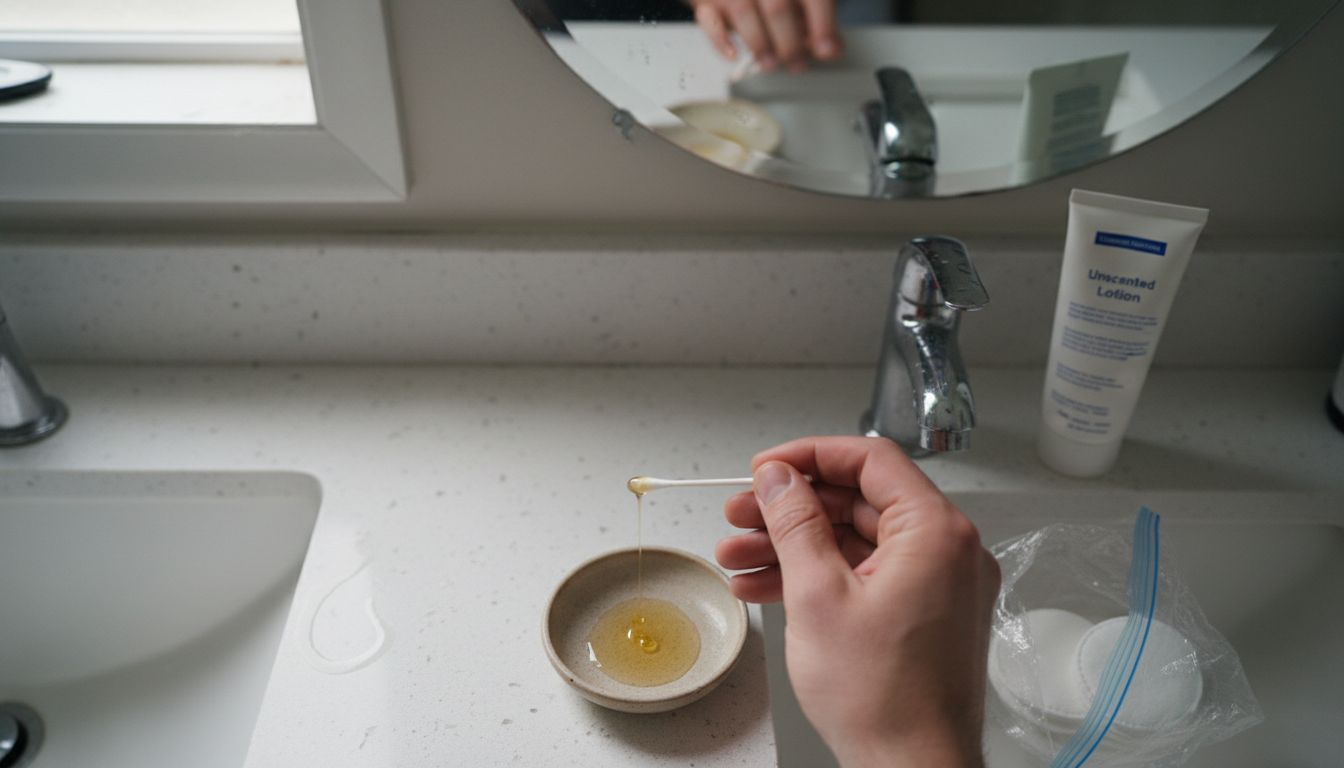
The potential of tea tree oil stems from its antimicrobial and antiviral properties. When considering this natural remedy, it is crucial to use only high-quality, pure essential oil and apply it with extreme precision. Dilution is critical – undiluted tea tree oil can cause skin irritation and potentially worsen the condition. Medical professionals recommend consulting healthcare providers before attempting any home treatment to ensure safety and effectiveness.
Beyond tea tree oil, several complementary natural approaches may support immune system function and potentially help manage HPV. These include immune-boosting supplements like zinc, vitamin C, and medicinal mushroom extracts. However, it is essential to understand that while these approaches might provide supportive care, they are not guaranteed to eliminate genital warts completely.
Natural Support Strategies:
- Use high-quality, pure tea tree oil
- Dilute essential oils properly
- Maintain a balanced, nutrient-rich diet
- Support overall immune system health
- Practice stress reduction techniques
Pro Tip for Natural Treatment: Always perform a patch test with diluted tea tree oil and consult a healthcare professional before starting any alternative treatment regimen for genital warts.
The following table compares various natural and medical approaches for managing genital warts:
| Approach | Main Benefit | Limitation |
|---|---|---|
| Tea tree oil (diluted) | May reduce wart size or discomfort | Can cause irritation, consult doctor |
| Immune-boosting nutrition | Supports body’s virus defense | Not a direct cure |
| Prescription medications | Promotes wart clearance | May need repeat applications |
| HPV vaccination | Prevents new HPV infections | Does not treat existing warts |
Boosting Immunity for Wart Recovery
Immune system function plays a critical role in combating Human Papillomavirus (HPV) and supporting natural wart recovery. Global health experts emphasize that most HPV infections can be successfully cleared by a robust immune response-and-cervical-cancer), highlighting the importance of comprehensive immune support strategies.
Building a resilient immune system requires a multifaceted approach. Key strategies include consuming nutrient-dense foods rich in vitamins C and D, zinc, and antioxidants. Regular moderate exercise, stress management techniques like meditation, and ensuring adequate sleep can significantly enhance the body’s natural defense mechanisms. These lifestyle modifications create an internal environment less hospitable to viral persistence.
Nutritional supplementation can provide targeted immune support during HPV recovery. Specific supplements like medicinal mushroom extracts (reishi, shiitake), beta-glucans, and probiotics may help modulate immune response. Herbal adaptogens such as ashwagandha and echinacea can also support immune system resilience, potentially accelerating the body’s ability to combat viral infections.
Immune Boosting Strategies:
- Consume antioxidant-rich foods
- Practice stress reduction techniques
- Maintain consistent sleep schedule
- Include immune-supporting supplements
- Stay hydrated
Pro Tip for Immune Health: Develop a comprehensive wellness routine that combines nutrition, exercise, stress management, and targeted supplementation to support your body’s natural healing mechanisms.
Safe Sex Practices and Preventing Recurrence
Sexual health requires proactive strategies to minimize HPV transmission and prevent genital wart recurrence. Public health guidelines emphasize that while protective measures can reduce risk, they cannot guarantee complete prevention, underscoring the importance of comprehensive sexual awareness.
Condom use remains a critical first line of defense, though not an absolute protection against HPV transmission. Partners should engage in open communication about sexual health, undergo regular screenings, and consider HPV vaccination. Mutual testing, understanding individual infection status, and implementing periods of abstinence during active wart episodes can significantly reduce transmission risks.
Beyond physical protection, emotional and psychological aspects of managing genital warts are equally important. Reducing sexual partners, maintaining long-term monogamous relationships, and prioritizing mutual trust and transparency can create a supportive environment for sexual health management. Regular medical consultations, understanding individual immune responses, and adopting holistic wellness approaches contribute to comprehensive HPV management.
Transmission Prevention Strategies:
- Use high-quality latex or polyurethane condoms
- Get regular HPV screenings
- Communicate openly with sexual partners
- Consider HPV vaccination
- Practice periodic sexual health check-ups
Pro Tip for Safe Intimacy: Develop a collaborative approach to sexual health with your partner, focusing on mutual understanding, regular testing, and proactive prevention strategies.
Discover Natural Solutions That Support Genital Wart Recovery
Dealing with genital warts can be challenging and stressful. The article emphasizes the importance of safe application of natural remedies like tea tree oil, boosting immunity, and practicing safe sex to manage and reduce symptoms effectively. If you are seeking trusted natural remedies, immune-supporting supplements, and detailed home treatment guides, it is vital to have access to reliable products and well-researched advice.

Visit Homeremedyshop.com to explore a wide range of herbal supplements and home remedy guides designed to empower your body’s natural healing process. Our carefully curated selection supports immune health and offers natural alternatives for wart management. Start your journey toward safer, holistic care today by browsing expert-backed recommendations and quality products at Homeremedyshop.com and learn more about natural antiviral remedies that complement your health regimen.
Take control of your health with knowledge and natural options that work. Visit us now and find the support you need to manage HPV safely and effectively.
Frequently Asked Questions
What are some effective home remedies for genital warts?
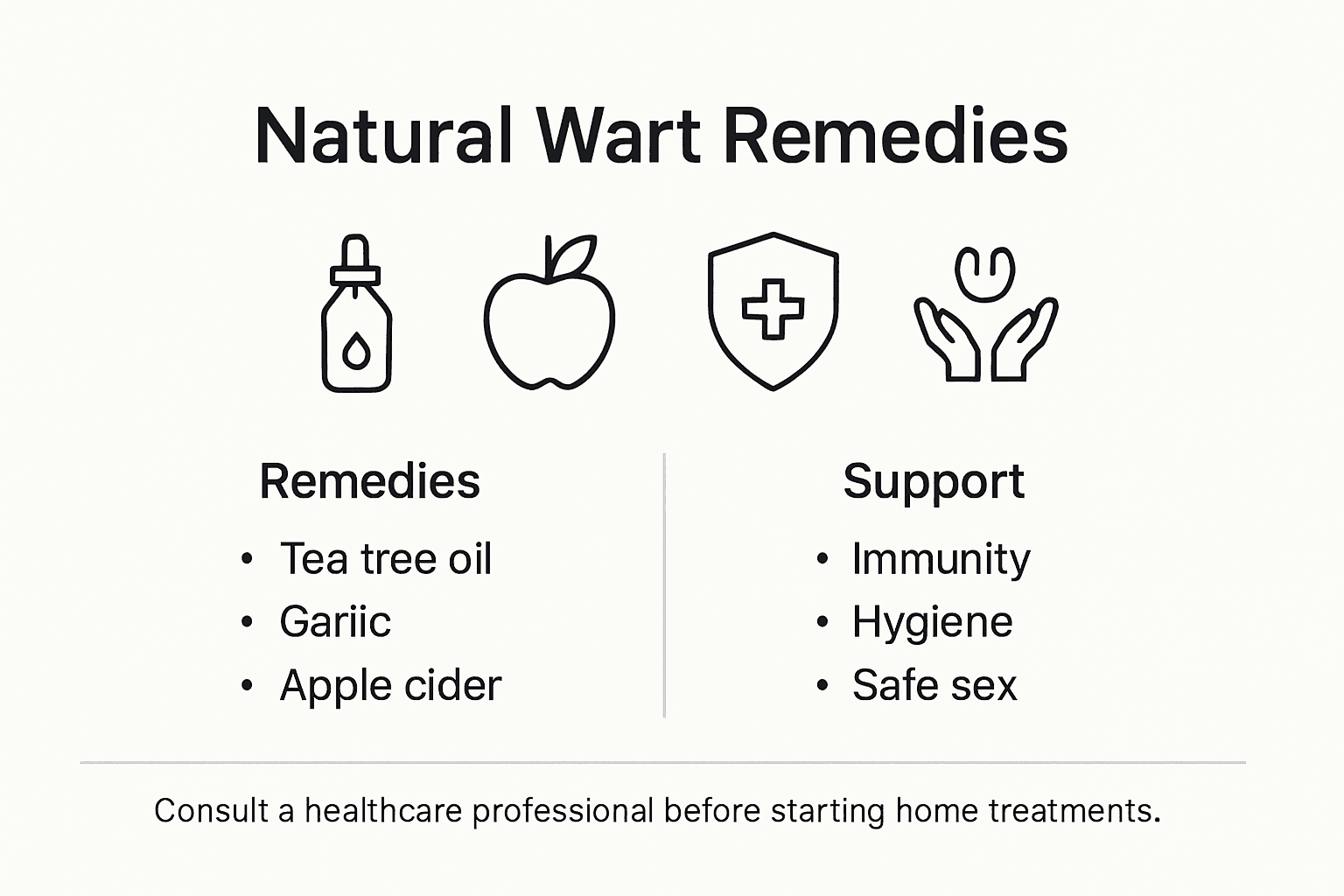
Home remedies such as tea tree oil, apple cider vinegar, and garlic may help manage genital warts due to their antiviral properties. However, it’s important to use them cautiously and consult a healthcare professional before starting any treatment.
How should tea tree oil be used for treating genital warts?
To use tea tree oil, apply a diluted solution directly to the affected area. Mix a few drops of pure tea tree oil with a carrier oil, like coconut oil, to avoid skin irritation. Always perform a patch test first and consult with a healthcare provider for guidance.
Can dietary changes support genital wart treatment?
Yes, maintaining a balanced diet rich in vitamins C and D, zinc, and antioxidants can support your immune system, which plays a key role in managing HPV infections and potentially aiding in wart recovery.
Are natural remedies a guaranteed way to eliminate genital warts?
Natural remedies may provide supportive care but are not guaranteed to eliminate genital warts completely. It’s essential to consult with a healthcare professional for appropriate medical treatments and advice on using home remedies.
Recommended
- Home Remedies for Genital Warts – Home Remedies
- 10 Home Remedies for Facial Warts – Home Remedies
- 11 Home Remedies for Plantar Warts that Work Wonders
- How to Get Rid of a Wart on Your Face Without Leaving Your Home
