
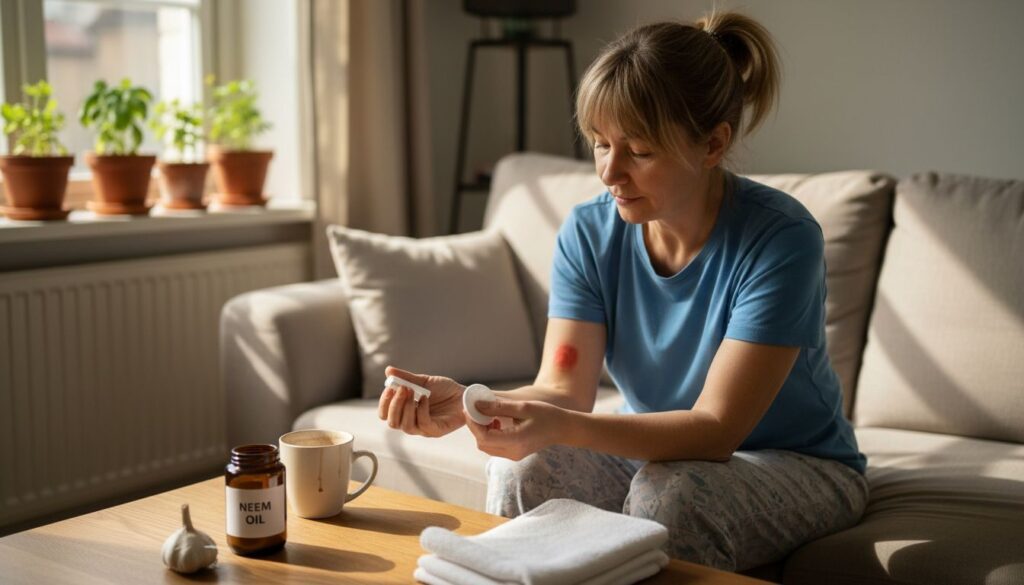
Dealing with painful, swollen skin bumps can disrupt even the healthiest routines, especially when boils appear on sensitive areas like the face, neck, or thighs. These uncomfortable infections caused by Staphylococcus aureus, a bacteria often found on human skin, can quickly become a source of frustration while affecting daily comfort. Discover how natural ingredients like garlic, green clay, neem oil, and aloe vera may offer gentle yet effective support in easing symptoms and promoting recovery for those seeking holistic, evidence-based care.
Table of Contents
- What Are Boils And Why They Form
- Common Types Of Boils And Key Symptoms
- Natural Remedies: Garlic, Green Clay, Neem Oil
- Using Aloe Vera For Soothing And Exfoliation
- Risks And When To Seek Medical Attention
Key Takeaways for Boils on skin
| Point | Details |
|---|---|
| Understanding Boils | Boils are painful skin infections usually caused by Staphylococcus aureus, often forming around hair follicles. |
| Types of Boils | Common types include simple boils, carbuncles, recurring boils, and cystic boils, each with different implications for medical attention. |
| Natural Remedies | Garlic, green clay, neem oil, and aloe vera can effectively treat boils and promote healing while maintaining skin hygiene. |
| When to Seek Help | Immediate medical attention is necessary for large boils, persistent symptoms, or signs of infection spreading to surrounding areas. |
What Are Boils and Why They Form
Boils are painful, pus-filled skin infections that develop around hair follicles. Skin infections caused by staph bacteria can create these uncomfortable and sometimes alarming skin lesions that range from small, pimple-like bumps to large, golf ball-sized swollen areas.
Bacterial Origin: Most boils are triggered by Staphylococcus aureus, a common bacteria that lives on human skin. When this bacteria enters a hair follicle through a small cut or scrape, it can cause an infection that leads to boil formation.
The development of boils typically involves several key stages:
- Initial bacterial invasion of a hair follicle
- Inflammatory response by the body’s immune system
- Accumulation of white blood cells and pus
- Formation of a painful, swollen, red bump
- Potential rupture and drainage of infected material
Certain individuals are more susceptible to developing boils, including:
- People with weakened immune systems
- Individuals with chronic health conditions like diabetes
- Those with poor personal hygiene
- People who are frequently exposed to bacterial environments
Pro tip: Maintain good personal hygiene and avoid sharing personal items like towels to reduce your risk of developing boils.
Common Types of Boils and Key Symptoms
Boil types vary based on their location, severity, and the extent of infection. Boils and carbuncles differ significantly in their characteristics and potential health implications.
The primary types of skin infections include:
- Simple Boils (Furuncles): Single, painful infections in one hair follicle
- Carbuncles: Deeper, cluster infections involving multiple connected hair follicles
- Recurring Boils: Repeated infections in the same area
- Cystic Boils: Large, deep infections that may require medical intervention
Key symptoms that characterize different boil types include:
Here’s a comparison of boil types and their typical clinical impact:
| Boil Type | Typical Size | Possible Complications | Medical Attention Needed |
|---|---|---|---|
| Simple Boil | Small, localized | Minimal scarring post-healing | Usually not required |
| Carbuncle | Larger, clustered | May leave scarring, deeper infection | Frequently required |
| Recurring Boil | Varies, recurrent | Increased risk of spread | Recommended |
| Cystic Boil | Large and deep | Abscess formation, may need draining | Essential |
- Reddish or purplish tender bumps
- Painful swelling around the infected area
- White or yellow pus-filled centers
- Potential fever or chills with more severe infections
- Possible spreading of infection to surrounding skin
Boils commonly appear in specific body regions such as:
- Face
- Back of neck
- Armpits
- Thighs
- Buttocks
Warning Signs: If boils are accompanied by high fever, multiple boil formations, or signs of rapid spreading, immediate medical consultation is recommended.
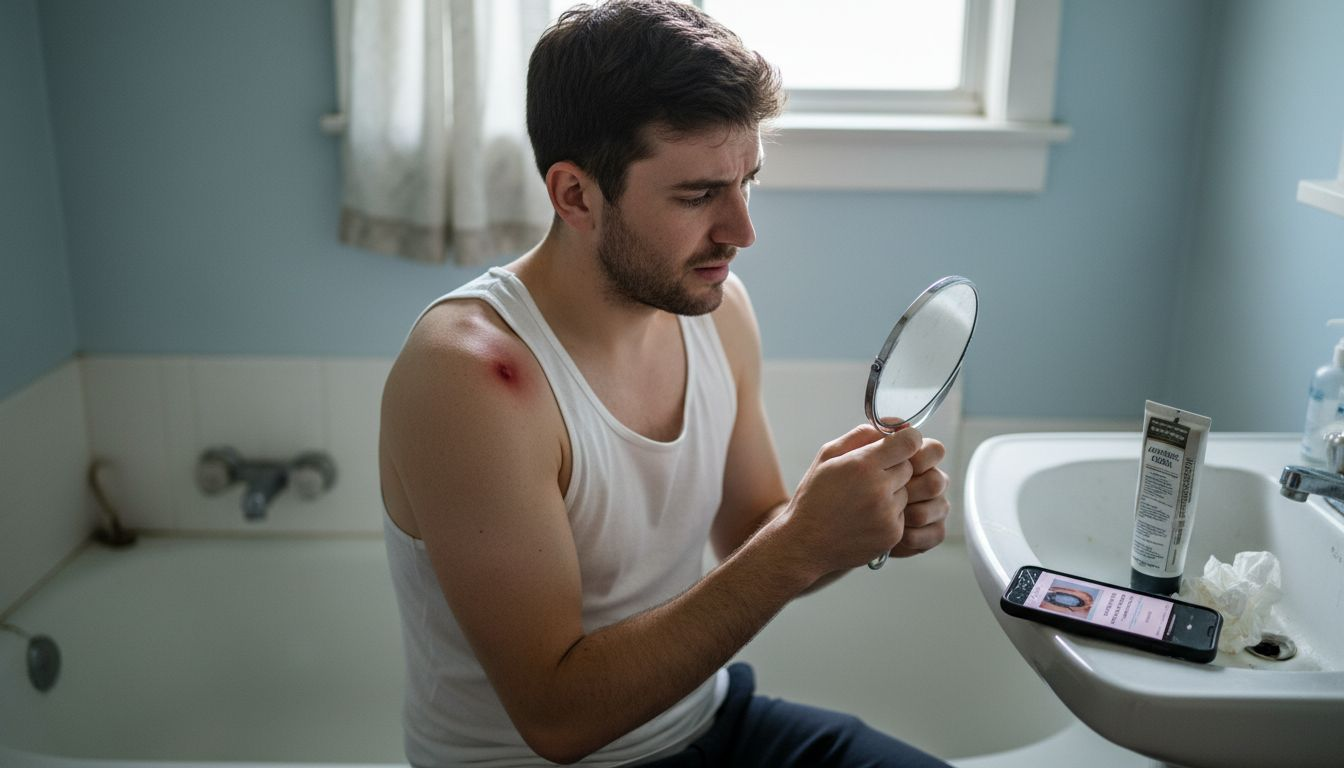
Pro tip: Monitor boil symptoms closely and seek professional medical advice if the infection appears persistent or shows signs of spreading beyond the initial site.
Home remedies for boils: Garlic, Green Clay, Neem Oil
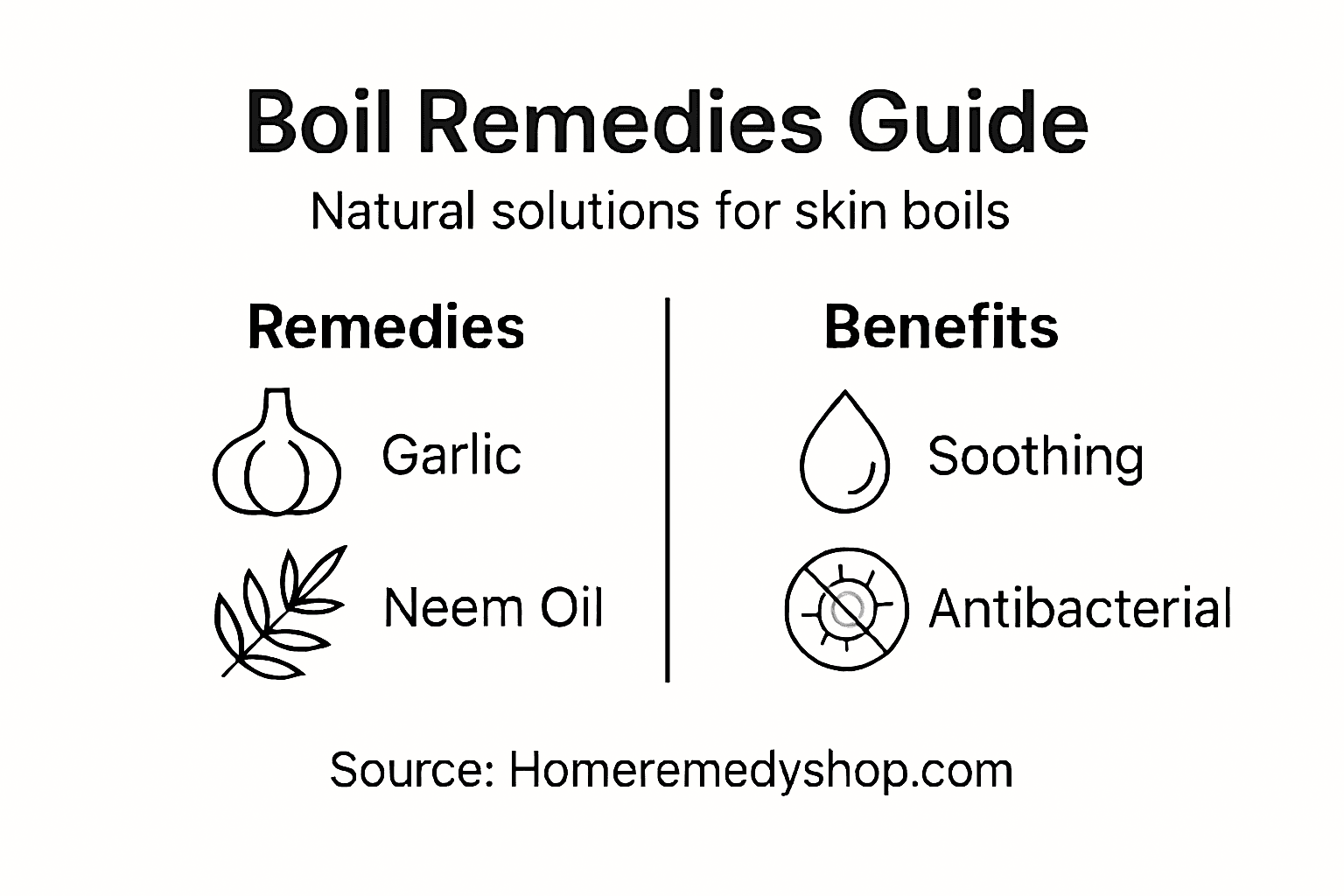
Home remedies for boils offer powerful alternatives for treating boils, with natural treatments for infections providing effective home-based solutions. Each remedy brings unique antibacterial and healing properties to combat skin infections.
Garlic Treatment:
- Paste fresh garlic directly on the boil
- Apply once per boil occurrence
- Contains powerful natural antibacterial compounds
- Helps draw out infection and reduce inflammation
Green Clay Application:
- Clean the affected area thoroughly
- Apply a thin layer of green clay
- Leave on for 15-20 minutes
- Rinse with lukewarm water
- Repeat every 3-5 days
Neem Oil Benefits:
- Potent antibacterial properties
- Reduces skin inflammation
- Can be applied directly to boil
- Helps prevent bacterial spread
Green clay and neem oil work synergistically to combat bacterial infections and support skin healing.
Recommended Application Techniques:
- For garlic: Paste directly on boil
- For green clay: Apply every 3-5 days
- For neem oil: Use when garlic is unavailable
- Exfoliate area with aloe vera between treatments
Pro tip: Alternate between these natural remedies and maintain consistent hygiene to prevent boil recurrence and support faster healing.
Below is a quick reference for selecting natural remedies based on boil severity and skin needs:
| Remedy | Best For | Unique Benefit | Application Frequency |
|---|---|---|---|
| Garlic Paste | Mild boils, early stage | Fast antibacterial action | Once per occurrence |
| Green Clay | Oily or inflamed skin | Absorbs toxins, soothes skin | Every 3-5 days |
| Neem Oil | Persistent outbreaks | Prevents bacterial spread | Alternate use |
| Aloe Vera | Sensitive or healing skin | Moisturizes, reduces redness | 2-3 times daily |
Using Aloe Vera for Soothing and Exfoliation
Aloe vera offers remarkable healing properties, with skin-soothing botanical treatments providing natural relief for boil-related skin irritations. This succulent plant contains powerful compounds that can significantly improve skin healing and reduce inflammation.
Aloe Vera Benefits for Boil Treatment:
- Accelerates wound healing process
- Reduces skin inflammation
- Provides natural cooling effect
- Moisturizes and softens skin
- Contains antibacterial properties
Exfoliation Techniques with Aloe Vera:
- Clean the affected area gently
- Apply pure aloe vera gel
- Use light, circular motions
- Rinse with lukewarm water
- Pat dry with clean towel
Key Healing Compounds:
- Vitamins A, C, and E
- Enzymes that support skin repair
- Natural minerals
- Antioxidant compounds
- Anti-inflammatory agents
Aloe vera works by penetrating the skin’s surface, delivering healing compounds directly to the affected area.
Application Frequency:
- For boil areas: 2-3 times daily
- Between other treatments
- As part of overall skin care routine
- Always use fresh, pure aloe vera gel
Pro tip: Store fresh aloe vera gel in a cool, dark place and replace every week to maintain maximum potency and prevent bacterial growth.
Risks and When to Seek Medical Attention
Bacterial boil infections can escalate quickly, requiring careful monitoring and timely medical intervention. Understanding the warning signs can prevent serious complications and protect your overall health.
High-Risk Scenarios Requiring Immediate Medical Attention:
- Boils larger than 2 inches in diameter
- Boils on sensitive areas like face or near eyes
- Persistent or recurring boil formations
- Accompanying high fever
- Multiple boils developing simultaneously
- Severe, worsening pain
Critical Warning Signs:
- Fever above 100.4°F
- Red streaks extending from boil
- Significant swelling
- Signs of systemic infection
- No improvement after 1-2 weeks of home treatment
Vulnerable Population Warning Signs:
- Diabetic individuals
- People with compromised immune systems
- Those with chronic health conditions
- Individuals on immunosuppressive medications
Prompt medical attention can prevent serious bacterial spread and potential complications.
Risk Assessment Checklist:
- Track boil size and progression
- Monitor overall health symptoms
- Note pain intensity and changes
- Observe surrounding skin condition
Pro tip: When in doubt about a boil’s severity, consult a healthcare professional to prevent potential infections from escalating.
Frequently Asked Questions
How can garlic be used to treat boils?
To treat boils, apply a paste of fresh garlic directly onto the boil once per occurrence. Garlic has powerful antibacterial properties that can help draw out infection and reduce inflammation.
What natural remedies are effective for boils?
Natural remedies effective for boils include garlic, green clay, and neem oil. Each remedy offers unique antibacterial and healing properties that can help combat and soothe the infection.
How often should green clay be applied for boil treatment?
Green clay should be applied as a thin layer on the affected area and left on for 15-20 minutes. This treatment can be repeated every 3-5 days for best results.
Can aloe vera be used alongside other home treatments for boils?
Yes, aloe vera can be used in conjunction with other treatments for boils. It helps soothe skin irritation and accelerates the healing process when applied 2-3 times daily.
Recommended
- Home Remedies for Boils That Really Work
- Essential Oil for Skin Boil: Choosing out of 15 Options – Home Remedies
- Get Rid of a Boil on Buttcheek
- 11 Home Remedies for Scalp Folliculitis – Home Remedies
- Natural Oils for Hair Growth: Proven Benefits and Uses | MyHair
