
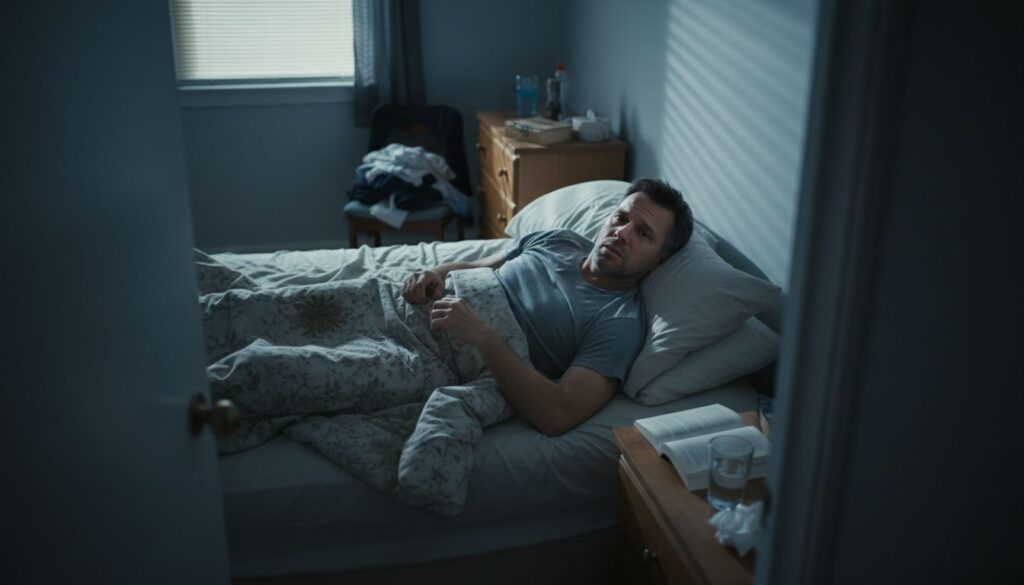
Waking up each morning with a sore jaw or aching teeth can turn restful nights into a daily struggle. Many adults across the world find themselves dealing with sleep bruxism, a condition where involuntary teeth grinding disrupts both dental health and sleep quality. With causes ranging from stress and anxiety to genetics and lifestyle habits like caffeine or alcohol use, the search for gentle and effective remedies matters more than ever. This guide brings together holistic strategies and natural solutions to help you ease grinding, support deep sleep, and protect your long-term wellness.
Table of Contents
- Understanding Sleep Teeth Grinding (Bruxism)
- Common Causes and Risk Factors
- Recognizing Symptoms and Variations
- Stress Reduction for Better Sleep
- Jaw and Neck Massage Techniques
- Protecting Teeth With Night Guards
Key Takeaways
| Point | Details |
|---|---|
| Understanding Bruxism | Sleep bruxism is an involuntary teeth grinding condition, affecting 8-10% of the population, driven by various factors including stress and genetics. |
| Impact of Lifestyle Choices | Lifestyle factors such as caffeine, alcohol, and medications can exacerbate bruxism symptoms and lead to dental damage if left untreated. |
| Effective Management Techniques | Stress reduction techniques, routine jaw and neck massages, and consistent use of night guards can significantly alleviate symptoms of bruxism. |
| Consultation is Key | It is essential to consult a dentist for proper diagnosis and treatment, including custom night guards for optimal protection of teeth. |
Understanding Sleep Teeth Grinding (Bruxism)
Sleep bruxism is an involuntary grinding or clenching of your teeth that happens while you’re asleep. Unlike daytime teeth clenching, which you might catch yourself doing during stressful moments, sleep bruxism occurs without your awareness or control. You might not even realize you’re doing it until someone mentions the sound, or you wake up with a sore jaw and tired facial muscles. The term “bruxism” comes from the Greek word for grinding, and it’s far more common than most people think. Approximately 8 to 10 percent of the population experiences sleep bruxism regularly, though some studies suggest the actual number could be higher when mild cases are included.
What makes sleep bruxism different from other sleep disorders is that it involves specific neural circuitry controlling jaw movements, which means your brain is essentially sending signals that tell your jaw muscles to contract forcefully and repeatedly. This isn’t a simple habit or a sign of weakness. It’s a complex condition with multiple contributing factors including genetic predisposition, stress and anxiety levels, sleep quality disruptions, caffeine and alcohol consumption, and even certain medications. Some people are simply born with a higher likelihood of developing bruxism due to their family history. Others develop it in response to life circumstances like work pressure, relationship issues, or major life transitions. What’s crucial to understand is that bruxism functions as a centrally-controlled condition with systemic risk factors, not merely a dysfunctional movement habit you can simply choose to stop.
The consequences of untreated sleep bruxism extend beyond just being annoyed by the grinding noise. Over time, the repetitive pressure and friction can cause tooth surface loss, fractures, and hypersensitive teeth, along with muscle hypertrophy in your jaw, periodontal damage, and persistent headaches. Many people wake up with tension in their neck and shoulders because the grinding activity tightens muscles throughout the jaw and upper neck region. Your teeth can develop flat surfaces from constant grinding, and your enamel wears away unevenly. The good news is that mild bruxism may not require aggressive treatment, but once symptoms like tooth damage, jaw pain, or fatigue appear, intervention becomes important.
Pro tip: If you suspect you have sleep bruxism, keep a simple sleep journal for one week noting any morning jaw soreness, headaches, or tooth sensitivity, and share these observations with your dentist who can examine your teeth for telltale wear patterns.
Common Causes and Risk Factors
Stress stands out as one of the most significant triggers for sleep bruxism, which is why understanding your personal stress levels matters. When you’re dealing with work pressure, relationship conflicts, financial worries, or major life changes, your body responds by tensing muscles throughout your jaw and neck, even while you sleep. Your nervous system stays in overdrive, and teeth grinding becomes a physical outlet for that internal tension. Anxiety amplifies this effect, creating a cycle where worry feeds into muscle tension, which intensifies the grinding. The connection between stress and bruxism is so strong that many people notice their grinding worsens during particularly demanding periods in their lives.
Beyond psychological factors, your lifestyle choices play a surprisingly large role in bruxism severity. Alcohol and caffeine intake can significantly trigger or worsen grinding episodes, especially when consumed close to bedtime. Alcohol disrupts your sleep quality and relaxes your jaw muscles in ways that promote grinding, while caffeine overstimulates your nervous system and keeps you in a heightened state of alertness. Smoking and tobacco use also contribute to the problem by affecting your sleep architecture and increasing muscle tension. Certain medications present another hidden culprit, particularly antidepressants, ADHD stimulants, and other psychiatric medications that can trigger or intensify bruxism as a side effect. If you’ve recently started a new medication and noticed increased jaw tension or morning headaches, that timing might not be coincidental.
Genetic predisposition means some people are simply born with a higher likelihood of developing bruxism, particularly if family members grind their teeth. Sleep disorders like sleep apnea create the perfect environment for bruxism to develop, since your brain’s arousal patterns during fragmented sleep can trigger jaw clenching. Your age, overall health status, and even personality traits like perfectionism or competitiveness can influence your susceptibility. The reality is that bruxism rarely has just one cause. Most people experience it due to a combination of factors working together, which is why your treatment needs to address multiple angles simultaneously.
Pro tip: Track what happens 2 to 3 hours before your bedtime for one week, noting your stress level, caffeine intake, alcohol consumption, and any medication changes, then compare these notes with your morning jaw soreness to identify your personal grinding triggers.
Here’s a summary of major sleep bruxism causes and their typical impact:
| Cause or Risk Factor | Typical Impact on Bruxism | Common Signs Linked to Factor |
|---|---|---|
| Stress and Anxiety | Increased grinding frequency | Morning jaw tension |
| Alcohol/Caffeine Use | Poor sleep, worsened grinding | Headaches, enamel sensitivity |
| Genetic Predisposition | Higher lifetime risk | Family history noted |
| Medications | Trigger or intensify symptoms | Sudden onset jaw soreness |
| Sleep Disorders | Sleep fragmentation worsens it | Nighttime jaw locking |
| Tobacco Use | Elevated muscle tension | Persistent facial discomfort |
Recognizing Symptoms and Variations
You might not realize you’re grinding your teeth at night because it happens while you’re unconscious. Many people discover they have bruxism only when a bed partner mentions the grinding noise or when a dentist spots the telltale signs during a routine checkup. The symptoms of sleep bruxism vary widely depending on severity and frequency, but certain patterns emerge. Loud grinding or clenching sounds that disturb your sleep partner represent one of the most obvious indicators. Some people experience rhythmic grinding episodes, while others have sustained clenching periods where their jaw muscles lock tightly. The sounds can range from subtle clicking to audible grinding that echoes through a bedroom.
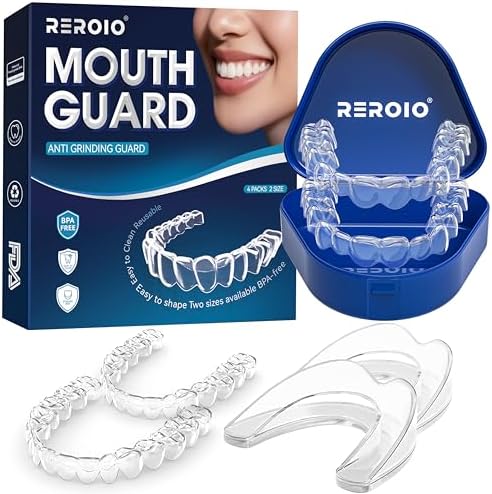
- Easy to use and comfortable: Soak the product in hot water at a specified temperature (158-176°F) for 15-20 seconds, the…
- Safe material and excellent design: This anti grinding guard is designed to prevent teeth grinding and clenching at nigh…
- Suitable for most people: Our multi-functional mouthguard Through the way of keeping upper and lower teeth separated dur…
Physical symptoms often develop gradually and might seem unrelated to your teeth at first. You may notice jaw muscle soreness or tightness when you wake up, similar to the feeling after an intense workout but occurring without any exercise. Your teeth might feel tender or sensitive, especially to temperature changes or pressure. Look for visible tooth wear, including flattened or chipped teeth, which your dentist can identify during examination. Some people experience headaches that start at the temples and radiate outward, often worse in the morning. Jaw pain and temporomandibular joint issues can develop, causing difficulty chewing or opening your mouth fully. Ear pain unrelated to ear infection sometimes accompanies bruxism because jaw tension radiates to nearby structures. Tooth enamel wear creates increased tooth sensitivity, making cold foods and hot beverages uncomfortable.
It’s important to recognize that symptoms of bruxism can include teeth grinding, jaw tightness, headaches, and jaw locking, and severity differs significantly between individuals. Some people grind only occasionally with minimal consequences, while others experience severe grinding multiple times per night that causes substantial dental damage and sleep disruption. You might be completely unaware of your grinding until someone else points it out or dental damage becomes visible. Variations also depend on whether your bruxism is sleep-related or awake bruxism, as these are etiologically distinct conditions requiring different management approaches.
Pro tip: Place a voice recorder or use your smartphone’s voice memo app on your nightstand for one night to capture audio evidence of grinding, then play it back during the day to confirm the noise pattern and severity before your dental appointment.
Stress Reduction for Better Sleep
The connection between stress and teeth grinding runs deeper than you might realize. When stress activates your nervous system, it doesn’t just keep you mentally alert; it triggers physical changes throughout your body, including increased muscle tension in your jaw. Stress activates neurobiological pathways leading to increased autonomic nervous system activity, which directly intensifies bruxism frequency during sleep. This means that managing stress isn’t just about feeling calmer during the day; it’s a direct intervention for reducing nighttime teeth grinding. Your evening routine becomes your first line of defense against bruxism. Creating a wind-down period at least one to two hours before bed signals to your body that it’s time to shift out of fight-or-flight mode. This transition period allows your nervous system to downregulate, your heart rate to slow, and your jaw muscles to relax before you sleep.
Practical stress reduction techniques fit naturally into an evening routine without requiring specialized equipment or lengthy time commitments. Start by limiting screen exposure an hour before bed, since blue light suppresses melatonin production and keeps your mind overstimulated. Try gentle activities like deep breathing exercises, progressive muscle relaxation, or meditation, which have demonstrated effectiveness in reducing both stress and bruxism occurrences. Consuming calming foods like those rich in magnesium and B vitamins can support your nervous system’s ability to relax. Relaxation techniques and meditation can alleviate symptoms and improve sleep quality specifically for bruxism patients. Consider incorporating warm herbal teas, journaling about your worries to externalize stress, or gentle stretching that targets your neck and shoulder muscles where tension accumulates.
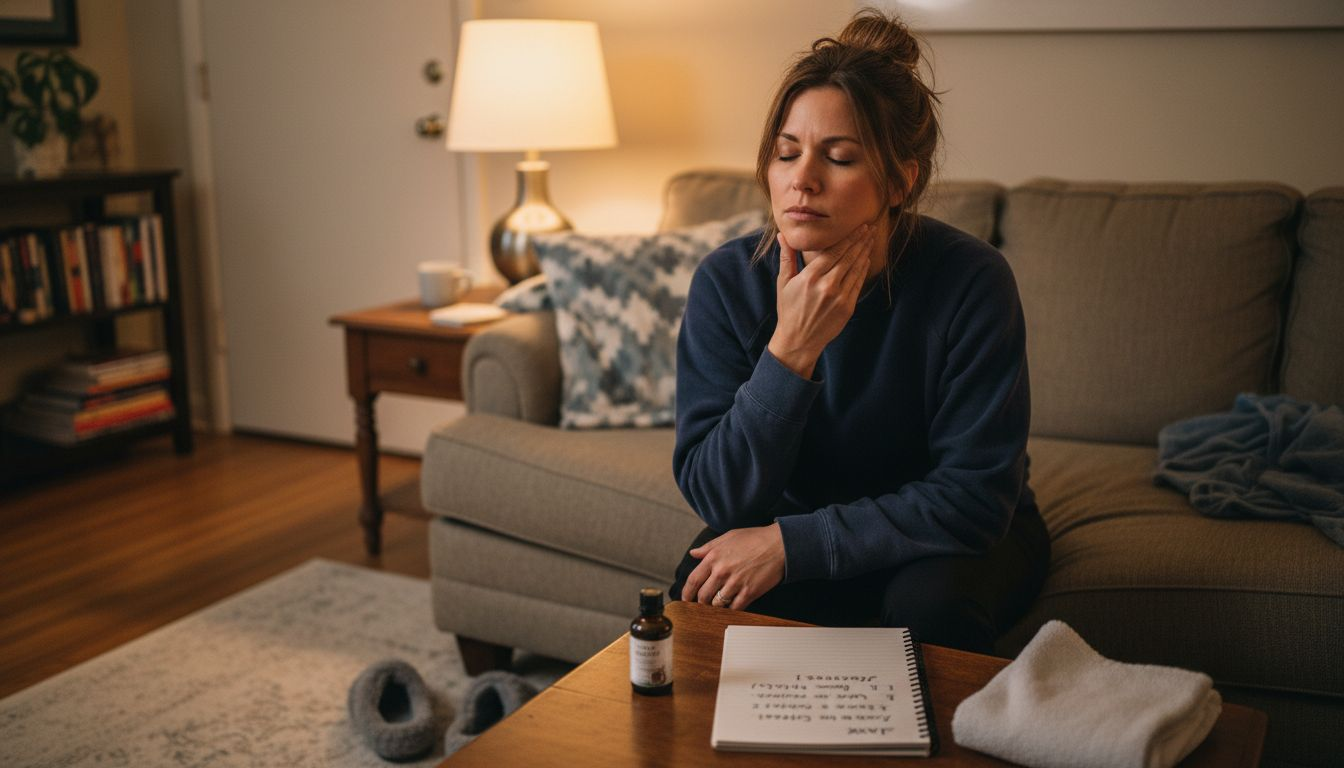
Massage represents a particularly effective stress reduction tool because it directly addresses the physical tension feeding your bruxism. Gentle self massage of your mandible, jaw, and neck for 5 to 10 minutes before bed releases muscle tension that builds up throughout the day. Work your fingers along your jaw line, applying moderate pressure to tight areas, then move up to your temples and across your neck and shoulders. This hands-on approach combines stress relief with direct treatment of the muscles involved in grinding. Consistency matters more than intensity, so even brief nightly sessions produce cumulative benefits over weeks. Pair massage with your other evening relaxation practices to create a layered approach that addresses stress from multiple angles.
Pro tip: Set a specific bedtime 30 minutes earlier than usual and dedicate this time exclusively to a consistent evening routine including 10 minutes of jaw and neck massage, deep breathing, and one calming activity like herbal tea or journaling, then track your morning jaw soreness for two weeks to measure improvement.
Jaw and Neck Massage Techniques
Massage therapy offers one of the most accessible and immediate ways to address the physical tension driving your bruxism. Unlike other interventions, you can perform effective massage techniques yourself at home without special equipment or professional appointments. Deep-stripping and trigger-point pressure release massage showed significant improvement in sleep quality, jaw mobility, and muscle pain threshold, making hands-on therapy a scientifically validated approach for bruxism relief. The key to success lies in consistency and technique. Perform your massage routine 5 to 10 minutes before bed, when your muscles are still warm but your mind is beginning to wind down. This timing allows you to release accumulated tension from the day while priming your muscles for relaxation during sleep.
Targeted Jaw Massage Sequence
Start with your masseter muscle, which runs along your jawline from your cheekbone to your lower jaw. Using your fingertips or knuckles, apply moderate circular pressure to this muscle, working from your temple toward your chin. You should feel the muscle relax under your touch. Move next to your temporalis muscle at your temples, applying gentle circular motions with your fingertips. This muscle stores tremendous tension from stress and concentration. Gradually work along your entire jawline, pausing at any tight spots to apply sustained pressure for 10 to 15 seconds. Don’t rush this process. Your jaw contains multiple small muscle groups, and thorough attention to each area yields better results.
Neck and Shoulder Release
Tension in your neck and shoulders directly connects to jaw clenching, so addressing this area is crucial. Massage combined with relaxation techniques provides superior improvements in muscle pain, anxiety, stress, and sleep quality. Using your opposite hand, reach over your shoulder and apply sustained pressure to the muscle that runs from your neck to your shoulder. Hold each point for 15 to 20 seconds, then release and move to the next spot. Perform gentle neck stretches by slowly tilting your head toward each shoulder, holding for 20 seconds without forcing the movement. This combination of massage and stretching releases the postural tension that accumulates during your day and feeds into nighttime grinding.
Pro tip: Use a tennis ball against a wall to apply consistent pressure to tight spots in your upper back and shoulders for one minute per side, then immediately follow with your jaw massage routine to maximize the relaxation effect throughout your entire jaw and neck complex.
Protecting Teeth With Night Guards
While stress reduction and massage address the root causes of bruxism, your teeth still need physical protection from the grinding forces happening every night. A night guard (also called a mouth guard or bite guard) acts as a barrier between your upper and lower teeth, absorbing the force of grinding and preventing direct tooth contact. Night guards create a protective barrier that prevents tooth-to-tooth contact, reducing damage from grinding forces. This simple device prevents tooth wear, fractures, jaw pain, and other complications that develop over time from untreated bruxism. Unlike treating the underlying causes of grinding, which takes time and consistency, a night guard provides immediate mechanical protection. You can start using one tonight and experience damage prevention from the first night you wear it.
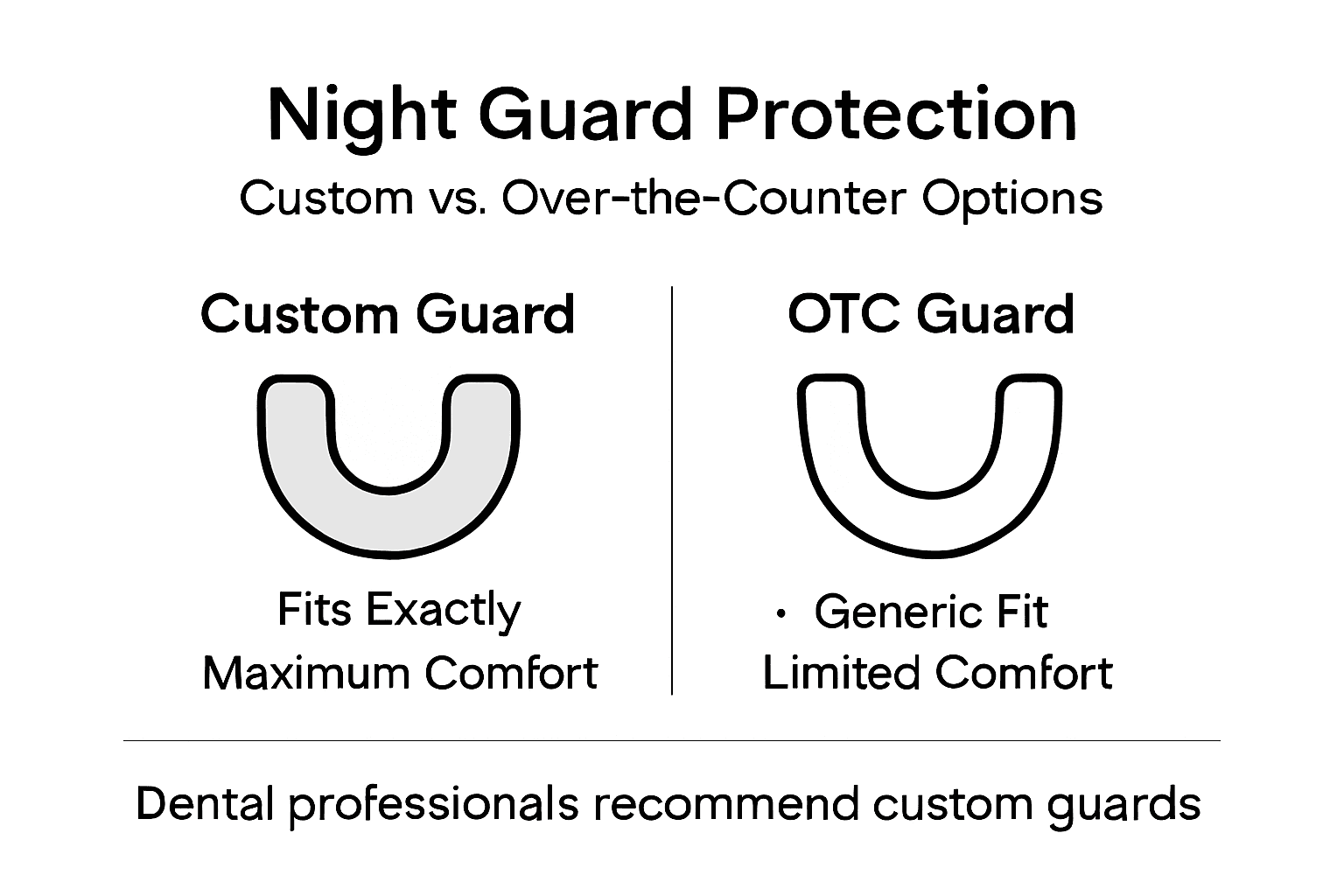
Not all night guards offer the same level of protection or comfort. Custom-fitted night guards created by your dentist provide superior benefits compared to over-the-counter options. Your dentist takes an impression of your teeth and creates a guard specifically molded to your bite, ensuring optimal fit and maximum comfort. Custom guards last longer, fit more securely, and feel less intrusive than generic options. They also allow for proper jaw positioning and muscle relaxation during sleep. Over-the-counter guards work in a pinch and cost less initially, but they often feel bulky, cause gagging, and may not properly protect your back teeth where the most damaging grinding often occurs. Oral appliances like night guards absorb and redistribute grinding forces, preventing tooth wear and damage while reducing muscle activity. The investment in a custom guard typically pays for itself within a few years by preventing costly dental repairs.
For quick reference, here’s how custom and over-the-counter night guards compare:
| Feature | Custom Night Guard | Over-the-Counter Guard |
|---|---|---|
| Fit and Comfort | Tailored to your bite | Generic, may feel bulky |
| Durability | Lasts several years | May wear out quickly |
| Protection Level | Maximum tooth protection | Moderate, limited coverage |
| Cost | Higher initial investment | Budget-friendly option |
| Adjustability | Dentist can refit if needed | Fixed, less customizable |
Getting Started With a Night Guard
Schedule an appointment with your dentist to discuss your bruxism and get fitted for a custom guard. Mention any specific symptoms you experience, like morning jaw pain or headaches, so your dentist can create a guard suited to your situation. Once you receive your custom guard, expect a brief adjustment period of a few nights as your mouth adapts to the foreign object. Sleep with the guard every single night, not just occasionally, since inconsistent use means inconsistent protection. Clean your guard daily with lukewarm water and mild soap, and store it in a ventilated case to prevent bacterial growth. Replace your guard every 3 to 5 years or sooner if it shows wear, cracks, or no longer fits properly as your teeth shift slightly over time.
Pro tip: Wear your night guard for two weeks consistently while maintaining your evening stress reduction routine and massage practice, then assess your morning jaw soreness and tooth sensitivity to confirm the combined protective and therapeutic approach is working effectively.
Discover Natural Relief for Sleep Teeth Grinding Today
Struggling with sleep bruxism and the discomfort of jaw soreness, headaches, or worn teeth can feel overwhelming. This article highlights how stress, lifestyle factors, and muscle tension contribute to grinding your teeth at night. If you are seeking effective natural ways to manage these symptoms and protect your smile without relying on harsh chemicals or complicated treatments you deserve a simple and holistic approach. Our natural remedies collection focuses on calming nerves and relaxing muscles to ease the tension that triggers bruxism.

Take control of your nighttime teeth grinding by exploring our expert-backed herbal supplements and wellness guides tailored for stress relief and muscle relaxation. Begin your journey toward peaceful sleep and reduced jaw pain now. Visit Homeremedyshop.com for all-in-one solutions that support your body’s natural healing. Don’t wait for damage to worsen; start your holistic relief strategy today and experience the difference.
Learn more about natural methods to support restful sleep and stress management at Homeremedyshop.com.
Frequently Asked Questions
What are the common causes of teeth grinding during sleep?
Common causes of sleep bruxism include stress and anxiety, lifestyle choices like alcohol and caffeine consumption, genetic predisposition, certain medications, and sleep disorders such as sleep apnea.
How can I reduce stress to help with teeth grinding?
To reduce stress, consider incorporating relaxation techniques into your evening routine, such as deep breathing exercises, progressive muscle relaxation, meditation, or gentle stretching. Massaging your jaw and neck can also help release tension.
What is the difference between a custom night guard and an over-the-counter night guard?
Custom night guards are tailored specifically to your teeth and provide maximum comfort and protection, while over-the-counter guards are generic, often bulky, and may not offer the same level of protection. Custom guards are typically more durable and allow for better jaw positioning.
How can I tell if I have sleep bruxism?
You might not realize you’re grinding your teeth until someone points it out, or you may notice symptoms like jaw soreness, headaches, or visible wear on your teeth. Keeping a sleep journal to track these signs can help identify potential bruxism.
Recommended
- How to Stop Grinding Teeth with 15 Home Remedies – Home Remedies
- 23 Home Remedies to Cure Toothache Naturally and Safely – Home Remedies
- 14 Toothache Home Remedies You Can Use + Infographic – Home Remedies
- 7 Home Remedies for Quick Wisdom Teeth Pain Relief – Home Remedies
