

Managing Type 2 diabetes often means facing confusing advice and persistent myths that can cloud your health decisions. This chronic condition involves much more than just sugar intake, with genetics, age, ethnicity, and physical inactivity playing major roles. For health-conscious adults seeking natural ways to enhance wellness, understanding the true nature of Type 2 diabetes and exploring approaches like cellular renewal, exercise, whole food nutrition, and herbal supplements opens new possibilities for proactive self-care.
Table of Contents
- Defining Diabetes Type 2 And Common Myths
- Triggering Autophagy For Cellular Renewal
- Boosting Insulin Sensitivity Through Exercise
- Whole Foods And Anti-Inflammatory Diets
- Herbal Supplements And Natural Remedies
- Risks, Medication Pitfalls, And Safety Advice
Key Takeaways
| Point | Details |
|---|---|
| Understanding Type 2 Diabetes | It is a complex disorder influenced by genetics, age, and lifestyle, not just sugar intake. Effective management requires acknowledging multiple risk factors beyond weight. |
| Importance of Autophagy | Promoting cellular renewal through lifestyle changes can enhance metabolic health and reduce insulin resistance. Strategic interventions like intermittent fasting are essential. |
| Value of Exercise | Regular physical activity significantly boosts insulin sensitivity and metabolic health. A balanced routine combining aerobic and resistance training is crucial for effective diabetes management. |
| Nutritional Interventions | Whole foods and anti-inflammatory diets are foundational in diabetes management. Focus on nutrient-dense foods to combat inflammation and support metabolic function. |
Defining Diabetes Type 2 and Common Myths
Type 2 diabetes is a complex metabolic disorder affecting millions of Americans, characterized by insulin resistance and elevated blood sugar levels. Unlike popular misconceptions, this chronic condition involves far more than simply consuming too much sugar. Understanding diabetes mechanisms reveals a nuanced health challenge involving multiple physiological factors.
Contrary to widespread belief, type 2 diabetes does not exclusively target overweight individuals. While excess weight increases risk, factors like genetics, age, ethnicity, and lifestyle play significant roles. Research indicates approximately 90-95% of diabetes cases are type 2, developing predominantly in adults but increasingly affecting younger populations. Genetic predisposition, physical inactivity, and metabolic disruptions contribute more substantially than dietary sugar alone.
Several persistent myths surrounding type 2 diabetes require debunking. Many people mistakenly believe the condition results from personal failure or poor self-control. In reality, diabetes represents a complex interplay of genetic, environmental, and lifestyle influences. Metabolic health research demonstrates that individual susceptibility varies widely, making sweeping generalizations inappropriate. Understanding these nuances helps reduce stigma and promotes more compassionate, effective management strategies.
Pro tip: Schedule regular comprehensive metabolic screenings, especially if you have family history or multiple risk factors, to detect potential insulin resistance early and implement preventative lifestyle modifications.
Triggering Autophagy for Cellular Renewal
Autophagy represents a critical cellular maintenance mechanism that plays a fundamental role in metabolic health, particularly for individuals managing type 2 diabetes. Cellular renewal processes involve systematically breaking down and recycling damaged cellular components, essentially performing an internal housekeeping function that helps restore metabolic efficiency.

In type 2 diabetes, impaired autophagy contributes significantly to insulin resistance and metabolic dysfunction. When cellular components become damaged or inefficient, the body’s ability to regulate glucose and manage energy metabolism becomes compromised. Metabolic homeostasis research demonstrates that restoring autophagy could potentially reverse some underlying mechanisms of insulin resistance, offering a promising therapeutic approach.
Triggering autophagy involves strategic lifestyle interventions that encourage cellular cleanup and regeneration. Intermittent fasting, prolonged exercise, reduced caloric intake, and specific nutrient protocols can activate these critical cellular renewal pathways. By implementing targeted strategies that promote autophagy, individuals with type 2 diabetes may improve insulin sensitivity, reduce inflammation, and support overall metabolic health.
Pro tip: Practice time-restricted eating by consuming meals within an 8-10 hour window and fasting for 14-16 hours overnight to naturally stimulate autophagy and improve metabolic function.
Boosting Insulin Sensitivity Through Exercise
Exercise represents a powerful natural intervention for managing type 2 diabetes, offering a multifaceted approach to improving metabolic health. Physical activity strategies demonstrate that targeted movement can dramatically enhance insulin sensitivity, helping the body more effectively regulate blood glucose levels and reduce diabetes-related complications.
Different types of exercise provide unique benefits for metabolic function. Aerobic activities like walking, swimming, and cycling help muscles utilize glucose more efficiently, while resistance training builds muscle mass that naturally improves insulin receptor sensitivity. Daily physical activity research reveals that total accumulated movement matters more than intense, sporadic workouts, emphasizing the importance of consistent, moderate activity throughout the day.
Designing an effective exercise strategy for type 2 diabetes requires a personalized approach. Individuals should aim for a combination of cardiovascular exercise and strength training, typically 150 minutes of moderate activity per week. This might include 30-minute walks five days a week, complemented by two to three strength training sessions targeting major muscle groups. The key is finding enjoyable, sustainable activities that can be maintained long-term, making exercise a natural part of daily life.
Pro tip: Start with short, 10-minute exercise segments throughout the day if a full workout seems overwhelming, gradually building endurance and consistency in your physical activity routine.
Whole Foods And Anti-Inflammatory Diets
Nutrition plays a critical role in managing type 2 diabetes, with whole foods offering a powerful strategy for reducing inflammation and improving metabolic health. Anti-inflammatory food strategies demonstrate how specific dietary choices can directly combat the underlying inflammatory processes that contribute to insulin resistance and pancreatic damage.
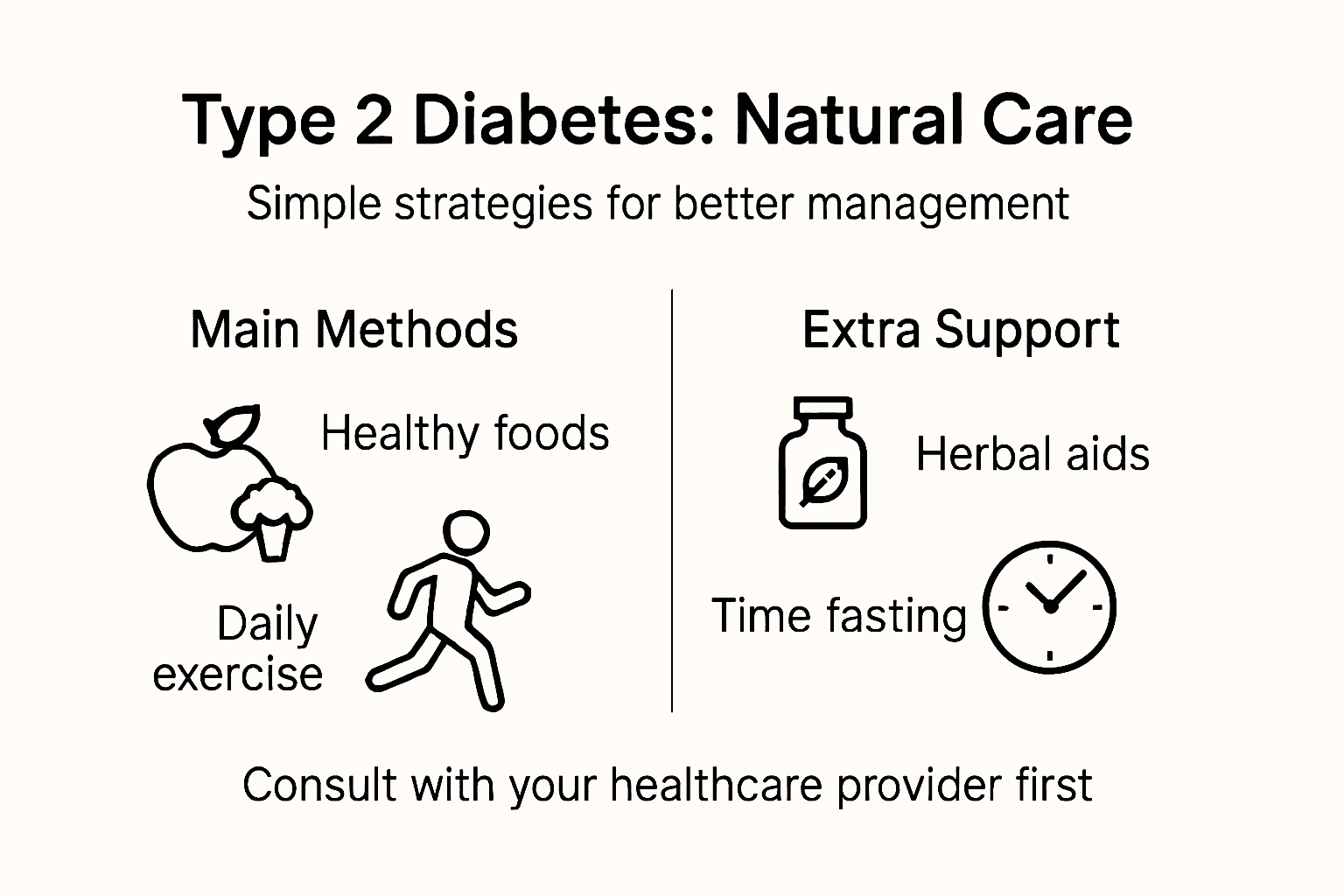
A comprehensive anti-inflammatory diet focuses on nutrient-dense whole foods that support cellular health and metabolic function. Key components include colorful fruits and vegetables, fatty fish rich in omega-3s, nuts, seeds, and whole grains. Dietary inflammation research indicates that these foods work synergistically to reduce chronic inflammation, improve insulin sensitivity, and support overall metabolic wellness. By prioritizing these whole food choices and minimizing processed ingredients, individuals can create a powerful nutritional approach to managing type 2 diabetes.
Specific anti-inflammatory foods offer targeted benefits for diabetes management. Berries provide powerful antioxidants, cruciferous vegetables support cellular detoxification, and fatty fish like salmon help regulate inflammatory responses. Practical implementation involves gradually replacing processed foods with whole food alternatives, creating meals that are both nutritionally dense and metabolically supportive. The goal is to transform eating from a potential risk factor to a therapeutic intervention for type 2 diabetes.
Pro tip: Aim to fill half your plate with colorful vegetables at each meal, gradually introducing a variety of anti-inflammatory foods to make dietary changes sustainable and enjoyable.
Herbal Supplements and Natural Remedies
Natural remedies offer promising complementary approaches for managing type 2 diabetes, providing potential support alongside conventional treatments. Herbal supplement research reveals several botanicals and compounds that demonstrate potential in improving glucose control and insulin sensitivity, though scientific validation remains ongoing.
Key herbal supplements have shown noteworthy interactions with metabolic processes. American ginseng, Gymnema sylvestre, and Coccinia indica have preliminary evidence suggesting glucose regulation benefits. Compounds like chromium and berberine demonstrate potential for enhancing insulin sensitivity and supporting blood sugar management. Dietary supplement insights emphasize the importance of medical supervision and recognize that these supplements should complement, not replace, standard diabetes care.
Navigating herbal supplements requires careful consideration and professional guidance. Each individual’s metabolic response varies, making personalized medical consultation critical. Quality, dosage, and potential interactions with existing medications represent significant factors in safely integrating natural remedies. Patients should prioritize scientifically backed supplements, maintain transparent communication with healthcare providers, and view these interventions as part of a comprehensive diabetes management strategy.
Pro tip: Always consult your healthcare provider before starting any herbal supplement, bringing a detailed list of current medications to assess potential interactions and appropriateness for your specific health profile.
Here’s a comparison of major lifestyle interventions for managing type 2 diabetes:
| Intervention Type | Primary Mechanism | Key Benefits | Example Strategy |
|---|---|---|---|
| Regular Exercise | Increases insulin uptake | Lowers blood glucose | 30-minute walks + resistance |
| Autophagy Activation | Enhances cellular cleanup | Reduces insulin resistance | Intermittent fasting |
| Whole Food Nutrition | Reduces inflammation | Supports metabolic function | Veggies and omega-3 rich foods |
| Herbal Supplements | Alters glucose metabolism | Complements medication | Berberine, ginseng under care |
Risks, Medication Pitfalls, and Safety Advice
Type 2 diabetes introduces complex health challenges that extend far beyond blood sugar management. Cardiovascular disease risks are particularly significant, with uncontrolled diabetes potentially leading to serious complications including heart disease, stroke, kidney damage, and nerve deterioration.
Medication management represents a critical aspect of diabetes treatment that requires careful navigation. Common pitfalls include overreliance on pharmaceutical interventions without addressing lifestyle factors, potential medication side effects, and the risk of hypoglycemia. Cardiovascular risk management emphasizes the importance of personalized care plans that balance glycemic control with overall health considerations. Patients must work closely with healthcare providers to monitor medication effectiveness, adjust dosages, and understand potential interactions.
Effective diabetes management demands a holistic approach that considers individual health profiles, genetic predispositions, and comprehensive risk factors. This means going beyond simple medication compliance to understanding how different treatments interact with your body’s unique metabolic processes. Regular medical screenings, comprehensive blood work, and proactive lifestyle modifications are essential in mitigating the long-term risks associated with type 2 diabetes.
Below is a summary of common medication pitfalls and risk factors for type 2 diabetes:
| Issue | Risk Factor | Potential Impact | Prevention Tip |
|---|---|---|---|
| Medication Overuse | Ignoring lifestyle changes | Increased side effects | Integrate exercise and diet |
| Hypoglycemia Risk | Dosage mismanagement | Dangerously low blood sugar | Monitor blood glucose regularly |
| Drug Interactions | Multiple prescriptions | Unintended health effects | Consult healthcare provider often |
| Chronic Inflammation | Poor nutrition, inactivity | Elevated diabetes complications | Adopt anti-inflammatory diet |
Pro tip: Maintain a detailed health journal tracking medication effects, blood sugar readings, diet, and exercise to provide your healthcare provider with comprehensive insights during medical consultations.
Discover Natural Solutions to Support Your Type 2 Diabetes Journey
Managing type 2 diabetes naturally means addressing the root causes like insulin resistance, chronic inflammation, and cellular health. This article highlights powerful approaches including autophagy activation, anti-inflammatory diets, and herbal supplements that can transform your metabolic wellness. If you are seeking effective natural remedies and trustworthy guidance to support your goals, Homeremedyshop.com offers a curated selection of herbal supplements and holistic wellness resources designed with your health in mind.

Take control of your diabetes management today by exploring expertly crafted natural treatments that complement your lifestyle. Visit Homeremedyshop.com for in-depth guides, quality herbal products, and practical tips. Empower your self-healing journey now and discover ways to boost insulin sensitivity, reduce inflammation, and promote cellular renewal safely and naturally.
Frequently Asked Questions
What are some natural treatments for managing type 2 diabetes?
Natural treatments include exercise, autophagy activation through time-restricted eating, and following an anti-inflammatory diet rich in whole foods. Herbal supplements like American ginseng and berberine may also aid blood sugar control.
How does exercise improve insulin sensitivity in people with type 2 diabetes?
Exercise enhances insulin sensitivity by allowing muscles to utilize glucose more efficiently. Regular physical activity, including both aerobic and resistance training, helps to regulate blood sugar levels effectively.
What is autophagy, and why is it important for metabolic health?
Autophagy is a cellular maintenance process that breaks down and recycles damaged components. It is crucial for improving metabolic health and insulin sensitivity, particularly in individuals with type 2 diabetes.
How can I incorporate whole foods into my diet for better diabetes management?
Focus on filling your plate with colorful fruits and vegetables, fatty fish high in omega-3s, nuts, seeds, and whole grains. Gradually replace processed foods with these nutrient-dense options to support metabolic wellness.
Recommended
- Top 15 Home Remedies to Treat Diabetes – Home Remedies
- How to Prevent Diabetes Naturally: 6 Tips – Home Remedies
- 15 Home Remedies for Lowering Blood Sugar (with Pictures)
- 15 Super Foods to Curb Diabetes – Home Remedies
