
Natural Cough Suppressants: Why Your Cough Is Working for You (and 20 Remedies That Help It)

Written and medically reviewed by Veronique Claes d’Erckenteel, D.C., chiropractor since 1991 · Last reviewed: 20 October 2026
From a holistic point of view, you never really want to suppress a cough. Your cough has a job: it moves the phlegm that captures viruses and bacteria in your lungs and throat, and gets it out. So the best “natural cough suppressants” aren’t suppressants at all. Honey, thyme tea, licorice and marshmallow root, steam, salt water gargles and plenty of warm fluids are tools that soothe your throat, thin the mucus and support your immune system, so each cough clears more and you get better faster. Keep coughing until you’re truly better, and care for the whole of you while you do: rest, good food, quiet time and clean air.
When a cough keeps you up at night or interrupts every conversation, the first thing most of us want is for it to stop. That’s understandable. But a cough isn’t the illness; it’s your body fighting the illness. Covering it up can feel like relief while slowing down what your body is trying to do. This guide shifts the question from “how do I stop this cough?” to “how do I help my body finish the job?”, with 20 remedies that do exactly that. It’s part of our cough series; for an overview, see how to stop coughing.
The short version
- Your cough is a cleaning reflex: it clears phlegm full of viruses and bacteria.
- Suppressing a wet cough keeps that phlegm in your lungs.
- Natural “suppressants” are really helpers: they soothe, thin mucus and support immunity.
- Best tools: honey (12 months+), thyme tea, licorice, marshmallow, steam, warm fluids.
- Dry, tickly cough at night: soothe the throat so you can sleep, because sleep heals.
- Care for the whole of you: rest, good food, quiet time, clean air.
When a cough needs more than home care: struggling to breathe, ribs pulling in, gasping, blue lips, chest pain or tightness spreading to the arm or jaw, or coughing up blood. Call 112 (Europe) or 911 (US). All the warning signs are in when to see a doctor for a cough.
Table of Contents
- Why You Shouldn’t Suppress a Cough
- Productive vs Non-Productive Cough
- Embrace the Cough: Care for Your Whole Self
- 20 Natural Cough Remedies That Help Your Cough Work
- A Dry Cough at Night: Calm, Don’t Suppress
- Children and Cough Medicine
- Coughing While Pregnant
- Coughing in Public
- Frequently Asked Questions
Why You Shouldn’t Suppress a Cough
Your airways are lined with a thin layer of mucus and millions of tiny hairs. The mucus catches viruses, bacteria, dust and pollen; the hairs sweep it upwards. When you’re ill, your body makes extra mucus to trap even more, and that’s more than the hairs can move. That’s when the cough steps in: a powerful blast of air that pushes the mucus up and out (review on mucus and cough). When the cough is too weak to do this, mucus stays behind in the lungs, which is exactly what doctors try to prevent in people who can’t cough well (review on ineffective cough, 2017).
So when you suppress a wet, chesty cough, the phlegm and everything it has captured stays where it is. Your body has to work longer to clear it.
And the medicines sold to stop coughs? A Cochrane review of over-the-counter cough medicines found no good evidence that they work better than placebo for an acute cough (Smith et al., Cochrane, 2014).
That’s why I see natural remedies differently. They aren’t there to shut your cough down. They’re tools that help your immune system get rid of viruses and bacteria faster, so the cough can stop by itself, because the job is done.
Productive vs Non-Productive Cough
- Productive (wet) cough: you cough up phlegm. This cough is doing exactly what it should. Never suppress it. Help it with fluids, steam, thyme and honey with black pepper, which thin and loosen the mucus. Is a productive cough good? Yes, it’s your lungs cleaning themselves.
- Non-productive (dry) cough: a tickly, irritating cough with little or no phlegm, often from an irritated throat, mucus dripping down from the nose, or at the end of a cold. Here the goal is to soothe the irritation so the throat can heal: honey, licorice, marshmallow root, slippery elm and moist air. More in our dry cough remedies.
Many coughs start dry and become wet, or the other way round. Listen to what your cough is doing and choose your tools accordingly.
Embrace the Cough: Care for Your Whole Self
This is the most important part of this article. Instead of covering up a symptom, I’d invite you to embrace it: your body is telling you it’s busy healing and needs your support. Taking care of your wellbeing in all senses is the real medicine:
- Relaxation: slow down, cancel what can wait and let your body put its energy into healing. People under more stress catch more colds (Cohen et al., 1991).
- Sleep: people who sleep less than seven hours catch colds almost three times more easily than those who sleep eight or more (Cohen et al., 2009).
- Good food: warm soups and broths, vegetables, garlic, onion, ginger and fruit. Go easy on sugar, alcohol and heavily processed food while you heal.
- Self reflection: a cough often comes when we’ve been running on empty. What was going on before you got ill? What does your body need more of, or less of?
- Clean up your environment: air your home every day, wash your bedding, fix damp and mould, and stay away from smoke, perfume, air fresheners and cleaning sprays that keep your airways irritated.
20 Natural Cough Remedies That Help Your Cough Work
1. A spoonful of honey
The best known “natural cough suppressant”, and for good reason: honey coats an irritated throat and calms the tickle, without stopping the lungs from clearing. A Cochrane review found honey eased cough in children better than no treatment (Oduwole et al., Cochrane). Take a teaspoon as needed, especially before bed. From 12 months only. More in honey for cough.
2. Honey and cinnamon
Mix 4 tablespoons of raw honey with 1 tablespoon of ground cinnamon, keep it in a jar and take a teaspoon at the first tickle. Warming, soothing and a classic in our family.
3. Honey and black pepper (for a wet cough)
Black pepper gets mucus moving. Stir 2 tablespoons of honey and 1 teaspoon of ground black pepper into a cup of hot water, steep for 10 minutes and sip. Ideal for a chesty cough that needs help bringing phlegm up.
4. Thyme tea
Thyme loosens mucus and relaxes the airways, so a cough becomes more productive and less exhausting. A thyme and ivy extract reduced coughing fits in adults with acute bronchitis (Kemmerich et al., 2006). Steep 2 teaspoons of dried thyme in a cup of boiling water for 10 minutes, covered, and add honey.
5. Licorice root tea
Licorice soothes the throat and helps loosen mucus. Steep a teaspoon of dried root in a cup of boiling water for 10 minutes. No more than one to two cups a day, for a week or two at most, and not with high blood pressure, heart or kidney problems, or in pregnancy.
6. Marshmallow root
Marshmallow root is full of mucilage, a soft gel that coats an irritated throat. A tea combining marshmallow, slippery elm and licorice eased throat pain within 30 minutes in a placebo-controlled trial (Brinckmann et al., 2003). Soak a tablespoon of root in cold water for a few hours, strain and warm gently. Take it two hours apart from medicines.
7. Slippery elm
Another coating herb for a dry, raw throat. Stir a teaspoon of the powder into a cup of warm water, or steep a tablespoon of bark for 10 minutes, and add honey.
8. Ginger tea
Ginger warms you, calms inflammation and relaxes the airways. Simmer an inch of sliced fresh ginger in a cup of water for 10 minutes and add honey and lemon.
9. Salt water gargle
Gargle with a teaspoon of salt in a glass of warm water and spit it out, three to four times a day. It loosens mucus at the back of the throat and calms swelling. Regular gargling even lowered the number of colds in a Japanese trial (Satomura et al., 2005). From about age 6.
10. A steamy shower
Steam moistens the airways and loosens mucus so you can cough it up. Sit in a steamy bathroom for 10 to 15 minutes, especially before bed. If your cough is linked to asthma, see whether steam suits you, as it can trigger some people.
11. Lots of warm fluids
Water, herbal teas and broth keep mucus thin, so each cough clears more. A hot drink also brings fast relief from cough and cold symptoms (Sanu and Eccles, 2008). Aim for a glass every hour you’re awake.
12. Elderberry syrup
Elderberry supports the immune system; it shortened colds in air travellers (Tiralongo et al., 2016). Simmer 85 g (3 oz) of dried elderberries with 700 ml (24 oz) of water, 2 tablespoons of grated ginger and a teaspoon of cinnamon for about an hour, until reduced by half. Strain, cool and stir in 1 cup of raw honey. Take a tablespoon a day, or three times a day when ill. Keep it in the fridge for up to two weeks. More recipes in DIY homemade cough syrups.
13. Wild cherry bark
A traditional North American remedy for a dry, irritating cough, usually taken as a syrup or tea. Use it for a few days only, as the bark contains compounds that turn into cyanide in large amounts. Not for children, or in pregnancy or breastfeeding.
14. Peppermint tea
Peppermint cools the throat and makes breathing feel easier. Steep a teaspoon of dried leaves for 10 minutes and add honey. Skip it with reflux. Peppermint essential oil isn’t used under 2.
15. Homemade vapour rub
Melt ½ cup of coconut oil with 2 tablespoons of beeswax, let it cool slightly, then stir in 20 drops of eucalyptus and 20 drops of peppermint oil and pour into a jar. Rub it on the chest and back at night (adults). For children aged 2 to 10, use 5 drops of each. Under 2: leave out eucalyptus and peppermint completely. Eucalyptus’s main compound, cineole, reduced coughing fits in adults with acute bronchitis (Fischer and Dethlefsen, 2013).
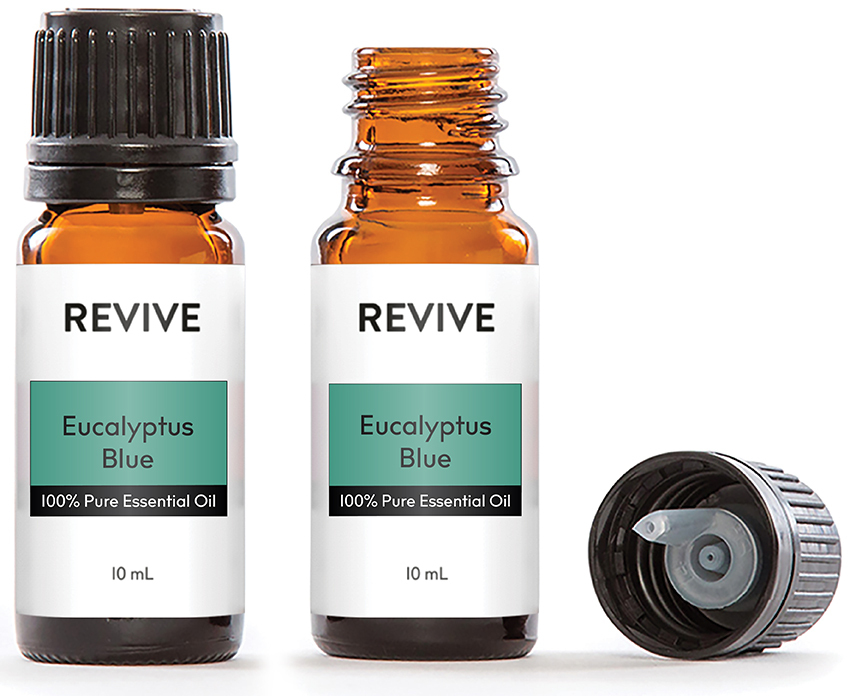
For the homemade vapour rub
Eucalyptus to help your lungs do their work
Eucalyptus doesn’t stop a cough; it helps it work. Its main compound, cineole, loosens mucus and calms inflamed airways, so each cough clears more. It’s the base of our homemade vapour rub and our night diffuser.
- Pure Eucalyptus globulus oil
- Vapour rub: 20 drops in ½ cup of coconut oil with beeswax
- Diffuser: 5 to 8 drops at night
- Not for children under 2
Affiliate link: we may earn a small commission at no extra cost to you.
16. Probiotics
Most of your immune system lives in your gut. Probiotics are a long-term tool rather than a quick fix: a review found they lowered the number of upper airway infections in adults (systematic review, 2020). Fermented foods like kefir, yogurt, sauerkraut and kimchi count too.
17. Pineapple (bromelain)
Pineapple contains bromelain, an enzyme traditionally used to thin mucus and calm inflammation. Fresh pineapple or pineapple juice with a little honey is a tasty way to take it. Bromelain supplements can interact with blood thinners.
18. Warm milk with butter or golden milk
A traditional bedtime drink for a dry cough: warm a cup of whole milk (or plant milk) with a teaspoon of butter or a teaspoon of turmeric and a pinch of black pepper. Coating, warming and comforting.
19. Fresh air
Stale, dry, overheated air irritates the airways. Air your bedroom every day, keep it cool rather than warm at night, and take a short walk outside if you feel up to it. Use a humidifier when the heating is on.
20. Rest
The most underrated cough remedy of all. Every hour you rest is energy your body can put into healing. Lie propped up on pillows so mucus can drain, and give yourself permission to do nothing.
A Dry Cough at Night: Calm, Don’t Suppress
Night is when a cough is hardest to bear, and sleep is when your body heals most. A dry, tickly cough that keeps you awake isn’t clearing much, so this is where calming the irritation makes sense:
- A spoonful of honey just before bed (from 12 months).
- Sleep propped up so mucus doesn’t drip down the back of your throat.
- A humidifier in the bedroom, and a glass of water by the bed.
- Eucalyptus in the diffuser (from age 2) or a little vapour rub.
- A steamy shower or warm bath before bed.
If you wake up coughing up phlegm, that’s good: let it come out. More in how to stop a cough at night.
Children and Cough Medicine
Children cough a lot: eight or more colds a year is normal for little ones, and each can leave a cough for weeks. Over-the-counter cough and cold medicines aren’t recommended for young children: they haven’t been shown to work in children and have caused serious side effects (review, 2021). Honey from 12 months, thyme tea, steam, saline nose drops, fluids and rest are the tools I’d reach for. More in home remedies for cough in kids.
Coughing While Pregnant
Honey, ginger and lemon tea, salt water gargles, steam, warm fluids, rest and sleeping propped up are all gentle choices in pregnancy. Avoid licorice root, wild cherry bark and medicinal amounts of herbs, and talk to your midwife before using essential oils.
Coughing in Public
- Everyone coughs: there’s nothing to be embarrassed about. Your body is doing its job.
- Cough into your elbow, not your hand, and wash your hands often.
- Carry water and honey sweets for a dry, tickly throat.
- Stay home in the first days when you’re most contagious, if you can. It’s also the best time to rest.
Frequently Asked Questions
What is the best natural cough suppressant?
Honey (from 12 months). It soothes the throat and calms the tickle without stopping your lungs from clearing mucus. Thyme tea, licorice and marshmallow root are good additions.
Should you suppress a cough?
From a holistic point of view, no. A cough clears phlegm that captures viruses and bacteria. Help it work with fluids, steam and herbs, and only calm a dry, tickly cough so you can sleep.
Is a productive cough good?
Yes. A productive cough brings up phlegm, which is your lungs cleaning themselves. Don’t suppress it; help it with warm fluids, steam, thyme tea and honey with black pepper.
What is the difference between a productive and a non-productive cough?
A productive cough brings up phlegm; a non-productive cough is dry and tickly with little or no phlegm, often from an irritated throat or post nasal drip.
How do you make a homemade cough suppressant?
Mix 4 tablespoons of raw honey with 1 tablespoon of cinnamon, or steep 2 teaspoons of thyme in boiling water and add honey. For a wet cough, stir honey and black pepper into hot water.
Does honey suppress a cough?
Honey calms the cough reflex by coating and soothing the throat, so you cough less from irritation, while your lungs can still clear mucus. Never give honey to babies under 12 months.
How does a cough suppressant work?
Medicines dampen the cough reflex in the brain or numb the airways. Natural remedies work differently: they soothe the throat, thin the mucus and support the immune system, so the cough becomes more effective and settles once the job is done.
How long should a cough last?
A cough after a cold often lasts up to three weeks. See your doctor if it lasts more than three weeks in adults or four in children, or for any of the warning signs.
Recommended
- How to Stop Coughing
- Honey for Cough
- Home Remedies for Dry Cough
- How to Get Rid of Phlegm
- When to See a Doctor for a Cough
Some links on this page are affiliate links, marked as such. If you buy through them, we may earn a small commission at no extra cost to you. This article is for general information and does not replace a diagnosis from a qualified professional. Read our medical disclaimer or browse more natural remedies.

Pingback: Easy Home Remedies for Alleviating Cough Naturally