

Dealing with a painful, swollen bump on your forehead can make even the simplest daily routine uncomfortable. For many health-conscious individuals, understanding what sparks these skin eruptions matters because it is not just about surface irritation but also the underlying health factors involved. While boils are commonly linked to bacterial infections, some studies have suggested that allergic reactions or food intolerances may also contribute to recurring skin inflammation in certain individuals. Sensitivities to foods such as dairy, gluten, or other dietary triggers may worsen inflammatory responses in susceptible people. Understanding both infectious and potential internal triggers can help support your skin’s healing process naturally.
Table of Contents
- What Causes Boils on the Forehead
- Recognizing Symptoms and Types of Boils
- Effective Natural Skin Care for Boils
- Herbal Supplements and Dietary Changes
- What to Avoid With Forehead Boils
Key Takeaways
| Point | Details |
|---|---|
| Boil Causes | Boils on the forehead are primarily caused by Staphylococcus aureus entering through skin breaks, exacerbated by factors like poor hygiene and compromised immunity. |
| Types of Boils | Common types include Furuncles, Carbuncles, Cystic Boils, and Pilonidal Boils, each varying in severity and symptoms. |
| Natural Treatments | Effective remedies include warm compresses, turmeric paste, and tea tree oil to promote healing and reduce inflammation. |
| Prevention Practices | Avoid squeezing boils, practice good hygiene, and maintain a balanced diet to prevent future occurrences and support skin health. |
What Causes Boils on the Forehead
Boils on the forehead are painful, inflammatory skin infections that develop when bacteria infiltrate hair follicles. These pus-filled bumps are typically triggered by Staphylococcus aureus bacteria entering through tiny breaks in the skin.
Several factors contribute to forehead boil development. Individuals with compromised immune systems, diabetes, or chronic skin conditions like eczema face higher risks. Skin trauma such as minor cuts, insect bites, or persistent friction can create entry points for bacterial infections. Sweaty environments and poor personal hygiene can also increase susceptibility to these uncomfortable skin eruptions.
In addition to bacterial infection, some research has suggested that recurrent boils or chronic skin infections may be associated in certain individuals with allergic reactions or dietary intolerances that influence inflammatory responses in the body. Sensitivities to foods such as dairy, gluten, or other allergens may potentially aggravate skin inflammation, although responses vary widely between individuals and more research is still needed. Identifying personal dietary triggers may help reduce recurrence for some people.
The biological mechanism behind boil formation involves bacterial invasion of hair follicles. When Staphylococcus aureus enters through microscopic skin breaks, the body’s immune response triggers inflammation. White blood cells rush to the infected site, causing redness, swelling, and the characteristic pus-filled bump. Forehead boils often emerge in areas with active hair follicles and frequent skin contact.
Recognizing Symptoms and Types of Boils
Boils represent inflammatory skin infections that manifest through distinctive symptoms of painful skin lesions. These painful lumps typically begin as small, tender, pinkish-red swollen spots that progressively develop into larger, more complex skin eruptions.
The primary types of boils include:
- Furuncles: Single painful bumps typically caused by bacterial infections in hair follicles
- Carbuncles: Clusters of interconnected boils that indicate more severe infections
- Cystic Boils: Deep-seated boils that form beneath the skin’s surface
- Pilonidal Boils: Specific boils that develop near the tailbone area
Clinical symptoms of boils encompass several key indicators. These include localized redness, noticeable swelling, intense warmth around the affected area, and significant pain. As the infection progresses, the boil will typically develop a whitish or yellowish center filled with pus. Some individuals might experience additional systemic symptoms like mild fever, fatigue, and general malaise, particularly with larger or more widespread infections.
Here’s a quick comparison of boil types and how their severity and symptoms differ:
| Boil Type | Severity Level | Common Area | Notable Symptoms |
|---|---|---|---|
| Furuncle | Mild to Moderate | Hairy skin areas | Red, tender bump with pus center |
| Carbuncle | Moderate to Severe | Multiple follicles | Grouped boils, fever possible |
| Cystic Boil | Deep Severe | Under skin surface | Larger, painful lump, may scar |
| Pilonidal Boil | Variable | Near tailbone | Swelling, may drain fluid |
Pro tip: Monitor any boil that grows larger than a golf ball, becomes increasingly painful, or is accompanied by a fever, as these could indicate a more serious infection requiring medical attention.
Effective Natural Skin Care for Boils
Natural skin care for boils involves a holistic approach focused on gentle healing techniques. Dermatologists recommend using warm compresses multiple times daily to encourage natural drainage and promote healing of the infected area.
Key natural remedies for boil treatment include:
- Turmeric Paste: Contains powerful anti-inflammatory properties
- Tea Tree Oil: Natural antibacterial agent when properly diluted
- Neem Oil: Helps reduce inflammation and fight bacterial growth
- Castor Oil: Supports skin healing and reduces swelling
Proper skin care techniques are crucial in managing boil infections. This includes maintaining excellent hygiene, avoiding unnecessary touching or squeezing of the boil, and keeping the affected area clean and dry. Applying diluted essential oils with antiseptic properties can help prevent bacterial spread and support the body’s natural healing process. Nutritional support through immune-boosting foods and staying hydrated can also enhance the skin’s ability to fight infections.
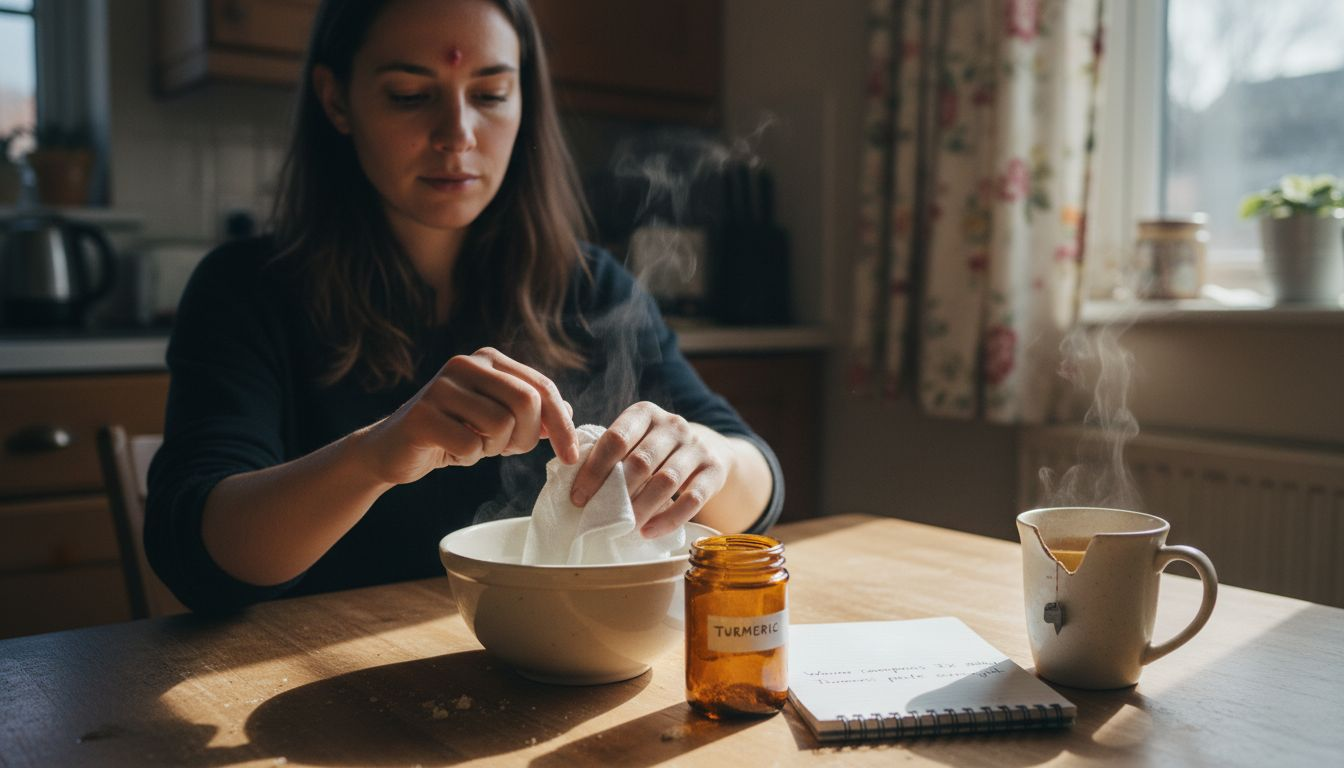
Pro tip: Create a healing compress by mixing a few drops of tea tree oil with warm water and applying gently to the affected area, being careful to use clean gauze and avoid direct skin irritation.
Herbal Supplements and Dietary Changes
Addressing boil recovery requires a comprehensive approach that includes targeted herbal supplements and dietary modifications. Specific herbal remedies can support the body’s natural healing process and boost immune function, potentially reducing boil recurrence and promoting faster recovery.
Key herbal supplements for managing boils include:
- Turmeric: Powerful anti-inflammatory and healing properties
- Tea Tree Oil: Natural antibacterial and antiseptic agent
- Neem Oil: Supports immune response and reduces infection risk
- Echinacea: Enhances overall immune system functionality
Dietary changes play a crucial role in supporting skin health and preventing boil formation. Nutrition experts recommend focusing on foods rich in vitamins A, C, and E, along with zinc and selenium. These nutrients support immune function and skin healing. Reducing sugar intake, increasing protein consumption, and staying hydrated can help create an internal environment less conducive to bacterial growth. Avoiding processed foods and incorporating more whole grains, lean proteins, and fresh vegetables can significantly improve overall skin health and resilience.
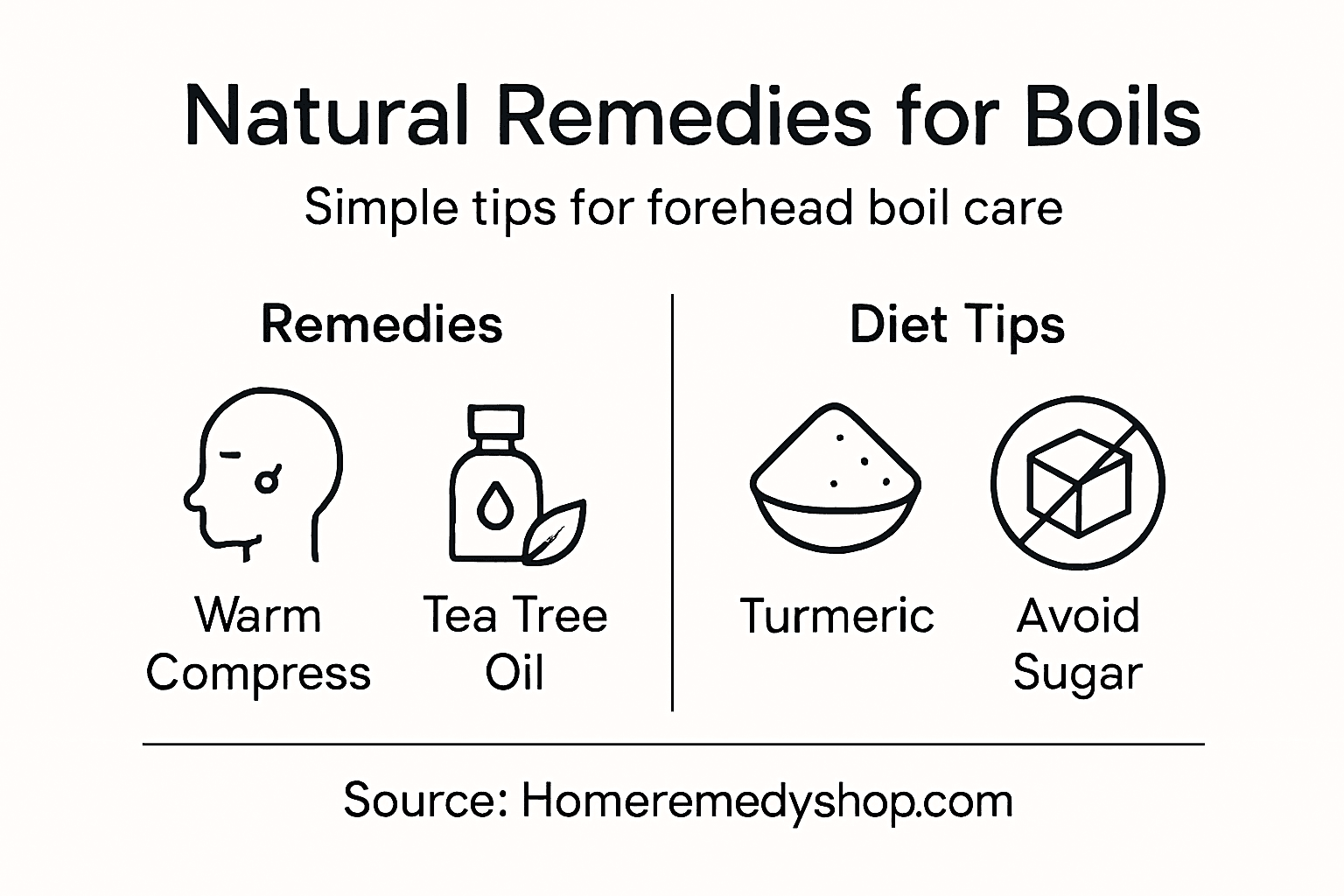
Pro tip: Incorporate a daily supplement of 500mg turmeric with black pepper extract to improve absorption and maximize anti-inflammatory benefits.
What to Avoid With Forehead Boils
Managing forehead boils requires careful attention to prevent infection spread and complications. Medical experts strongly advise against self-treatment that could potentially worsen the condition or cause further skin damage.
Key actions to strictly avoid include:
- Do Not Squeeze or Pop: Attempting to lance or squeeze boils can spread bacterial infection
- Avoid Direct Contact: Refrain from touching or scratching the boil with unclean hands
- Skip Tight Clothing: Wear loose, breathable clothing around the affected area
- Stop Shaving: Discontinue shaving near the boil to prevent bacterial transmission
- No Shared Linens: Avoid sharing towels, washcloths, or personal hygiene items
Dietary and lifestyle factors can also impact boil development and healing. Individuals should minimize sugar intake, reduce processed food consumption, and avoid environments that promote bacterial growth. Stress, poor hygiene, and compromised immune systems can increase susceptibility to recurring boils. Maintaining proper skin hygiene, using clean personal items, and keeping the forehead area dry and clean are crucial preventive strategies.
This summary highlights how lifestyle and diet can influence boil prevention and recovery:
| Factor | Positive Practice | Negative Practice | Impact on Boils |
|---|---|---|---|
| Facial Hygiene | Daily antibacterial wash | Infrequent washing | Reduces infection risk |
| Diet Quality | Whole grains, proteins | High sugar, processed foods | Supports immune function |
| Clothing Choice | Loose, breathable | Tight, non-breathable | Lowers skin irritation |
| Immune Support | Adequate vitamins & rest | Chronic stress, poor sleep | Fewer recurrences |
Pro tip: Use disposable paper towels when cleaning the boil area and immediately discard them to prevent potential bacterial spread.
Discover Natural Solutions for Forehead Boils and Skin Care
Struggling with painful boils on your forehead can feel overwhelming, especially when faced with persistent redness, swelling, and discomfort. This article highlights how boils develop from bacterial infections in hair follicles and the importance of gentle yet effective care. If you want to support your skin’s healing with natural remedies like turmeric paste or tea tree oil and learn how to prevent recurrence through diet and lifestyle, explore trusted holistic options tailored to your needs.
Take control of your skin health today by visiting Homeremedyshop.com, your go-to source for herbal supplements, detailed home remedies, and expert wellness guidance. Learn about using anti-inflammatory herbs and immune-boosting nutrition to accelerate recovery from boils and reduce flare-ups. Don’t wait for discomfort to worsen. Start your natural healing journey now with reliable products and information designed just for you. Check out our comprehensive guides and herbal solutions at Homeremedyshop.com to make a lasting change in your skin care routine.
Frequently Asked Questions
What are the common causes of boils on the forehead?
Boils on the forehead are commonly caused by bacterial infections, particularly from Staphylococcus aureus. They develop when bacteria enter hair follicles through small skin breaks, which can be exacerbated by factors such as poor hygiene, skin trauma, or conditions like diabetes.
How can I treat a boil on my forehead naturally?
Natural treatments for forehead boils include applying warm compresses to encourage drainage. Other remedies like turmeric paste, diluted tea tree oil, and neem oil can help reduce inflammation and fight bacteria when applied carefully to the affected area.
What should I avoid when dealing with forehead boils?
To prevent infection and complications, avoid squeezing or popping the boils, touching them with unclean hands, wearing tight clothing around the area, and sharing personal items like towels or washcloths. Proper hygiene is essential for healing.
How do dietary changes help in preventing boils?
Dietary changes can play a crucial role in preventing boils by supporting immune health. Focus on consuming foods rich in vitamins A, C, and E, and minerals like zinc. Reducing sugar intake and processing foods can create a less conducive environment for bacterial growth, promoting overall skin health.
Recommended
- Home Remedies for Boils That Really Work
- Essential Oil for Skin Boil: Choosing out of 15 Options – Home Remedies
- Get Rid of a Boil on Buttcheek
- 11 Home Remedies for Scalp Folliculitis – Home Remedies
