

Managing your blood pressure can feel challenging, especially when each reading brings new questions. For health-conscious adults focused on natural remedies, understanding what those numbers mean helps guide everyday choices. With both systolic and diastolic values offering insights into your heart’s wellness, recognizing the signs of hypertension and knowing how to respond becomes a vital step toward protecting your long-term health.
Table of Contents
- What Blood Pressure Levels Really Mean
- Types of Blood Pressure Readings Explained
- How to Read and Monitor Your Blood Pressure
- Emotions, Stress, and Their Impact on BP
- Natural Ways to Manage Hypertension
Key Takeaways
| Point | Details |
|---|---|
| Understanding Blood Pressure Levels | Blood pressure is measured in systolic and diastolic readings, indicating heart health and risks. Regular monitoring is essential to prevent complications. |
| Categories of Blood Pressure | Blood pressure is categorized from normal to hypertensive crisis, with each level indicating varied health implications. Timely intervention is crucial, especially for higher stages. |
| Impact of Lifestyle on Blood Pressure | Healthy lifestyle changes like diet, exercise, and stress management can effectively lower blood pressure, often rivaling medication efficacy. Consistency is key for lasting results. |
| Role of Stress | Chronic stress can elevate blood pressure. Employing stress management techniques is vital for maintaining cardiovascular health. |
What Blood Pressure Levels Really Mean
Understanding your blood pressure levels is crucial for maintaining overall health. Blood pressure measurements reveal two critical numbers that tell a complex story about your cardiovascular system.
Blood pressure is recorded as two measurements: systolic and diastolic pressure. Systolic pressure represents the force when your heart beats, while diastolic pressure indicates the pressure when your heart rests between beats. Together, these numbers provide a snapshot of your heart’s health.
- Normal Blood Pressure: Less than 120/80 mm Hg
- Elevated Blood Pressure: 120-129/Less than 80 mm Hg
- Stage 1 Hypertension: 130-139/80-89 mm Hg
- Stage 2 Hypertension: 140/90 mm Hg or higher
As we age, our blood vessels naturally become stiffer, which can contribute to rising blood pressure. Health risks associated with hypertension include potential damage to vital organs and increased chances of heart disease and stroke. Monitoring these levels helps prevent serious health complications.
Why Blood Pressure Matters:
- Indicates cardiovascular system health
- Helps predict potential heart disease risks
- Provides early warning signs of potential health issues
- Guides lifestyle and medical interventions
Pro tip: Schedule regular blood pressure checks with your healthcare provider and maintain a home monitoring routine to track your cardiovascular health effectively.
Types of Blood Pressure Readings Explained
Blood pressure readings provide a crucial snapshot of your cardiovascular health through two key numbers: systolic and diastolic pressure. Understanding these measurements helps identify potential health risks and guide appropriate medical interventions.

Blood pressure categories range from normal to critical, with each level indicating different health implications:
Here’s how blood pressure categories compare and what each means for your health:
| Category | Systolic/Diastolic (mm Hg) | Health Implication |
|---|---|---|
| Normal | <120/<80 | Optimal heart health |
| Elevated | 120-129/<80 | Increased risk, monitor |
| Stage 1 Hypertension | 130-139/80-89 | Early intervention needed |
| Stage 2 Hypertension | ≥140/≥90 | High risk, urgent action |
| Hypertensive Crisis | >180/>120 | Immediate medical attention |
- Normal Blood Pressure: Below 120/80 mm Hg
- Elevated Blood Pressure: 120-129/Less than 80 mm Hg
- Stage 1 Hypertension: 130-139/80-89 mm Hg
- Stage 2 Hypertension: 140/90 mm Hg or higher
- Hypertensive Crisis: Over 180/120 mm Hg
Important Factors Affecting Blood Pressure:
- Physical activity level
- Stress and emotional state
- Time of day
- Recent food or caffeine intake
- Medication
- Body position during measurement
Blood pressure measurements can fluctuate based on multiple factors, making it essential to take multiple readings for accurate assessment. Systolic pressure (the top number) often receives more clinical attention, as it tends to signal greater cardiovascular risk.
Why Different Blood Pressure Types Matter:
- Helps identify potential health risks
- Guides medical treatment strategies
- Provides early warning of cardiovascular issues
- Enables proactive health management
Consistent monitoring and understanding of blood pressure types can be a lifesaving approach to preventive healthcare.
Pro tip: Invest in a reliable home blood pressure monitor and keep a log of your readings to discuss with your healthcare provider during regular check-ups.
How to Read and Monitor Your Blood Pressure
Self-measured blood pressure is a powerful tool for understanding and managing your cardiovascular health. Accurate monitoring requires more than just taking a single reading – it involves a systematic approach that provides meaningful insights into your overall health.
To effectively read and monitor your blood pressure, follow these essential guidelines:
- Choose a validated blood pressure monitor
- Select the correct cuff size for accurate measurements
- Prepare your body before measurement
- Follow consistent measuring techniques
- Record and track your readings
Preparing for an Accurate Blood Pressure Reading:
- Avoid caffeine and smoking 30 minutes before measuring
- Rest for 5 minutes before taking the reading
- Sit with back supported and feet flat on the floor
- Keep your arm supported at heart level
- Use the same arm for consistent measurements
Home blood pressure monitoring requires precision and consistency. Take multiple readings spaced a few minutes apart and calculate the average to get the most accurate representation of your blood pressure.
Key Tips for Reliable Measurements:
- Measure at the same time each day
- Keep a detailed log of your readings
- Note any factors that might influence your blood pressure
- Share your log with your healthcare provider
Consistent and accurate blood pressure monitoring can help prevent serious cardiovascular complications and provide early warning of potential health risks.
Pro tip: Invest in a digital blood pressure monitor with memory storage to easily track and share your readings with your healthcare provider.
Emotions, Stress, and Their Impact on BP
Stress and its physiological impact on blood pressure reveals a complex relationship between emotional states and cardiovascular health. When we experience stress, our body releases hormones that temporarily elevate blood pressure, creating a cascade of physiological responses.
How Stress Affects Blood Pressure:
- Triggers hormone surge
- Increases heart rate
- Constricts blood vessels
- Activates fight-or-flight response
- Disrupts normal cardiovascular functioning
The body’s stress response is designed as a short-term survival mechanism. However, chronic stress can lead to prolonged blood pressure elevation and potential long-term health complications. Stress management techniques play a crucial role in mitigating these potential risks.
Emotional Triggers That Impact Blood Pressure:
- Intense anger
- Persistent anxiety
- Work-related pressure
- Financial worries
- Relationship conflicts
- Major life transitions
Recognizing and addressing emotional stressors can be as important as medical interventions in managing blood pressure.
Pro tip: Practice daily stress reduction techniques like deep breathing, meditation, or gentle exercise to help regulate your body’s stress response and support cardiovascular health.
Natural Ways to Manage Hypertension
Natural approaches to managing blood pressure offer powerful alternatives to traditional medication, focusing on lifestyle modifications that can significantly improve cardiovascular health.
Key Lifestyle Modifications for Hypertension Management:
- Reduce sodium intake
- Increase potassium consumption
- Maintain healthy body weight
- Engage in regular physical activity
- Practice stress management techniques
Dietary choices play a crucial role in blood pressure control. A heart-healthy diet rich in fruits, vegetables, and low-fat dairy while minimizing saturated fats can create meaningful improvements. Comprehensive lifestyle interventions can sometimes be as effective as medication in managing hypertension.
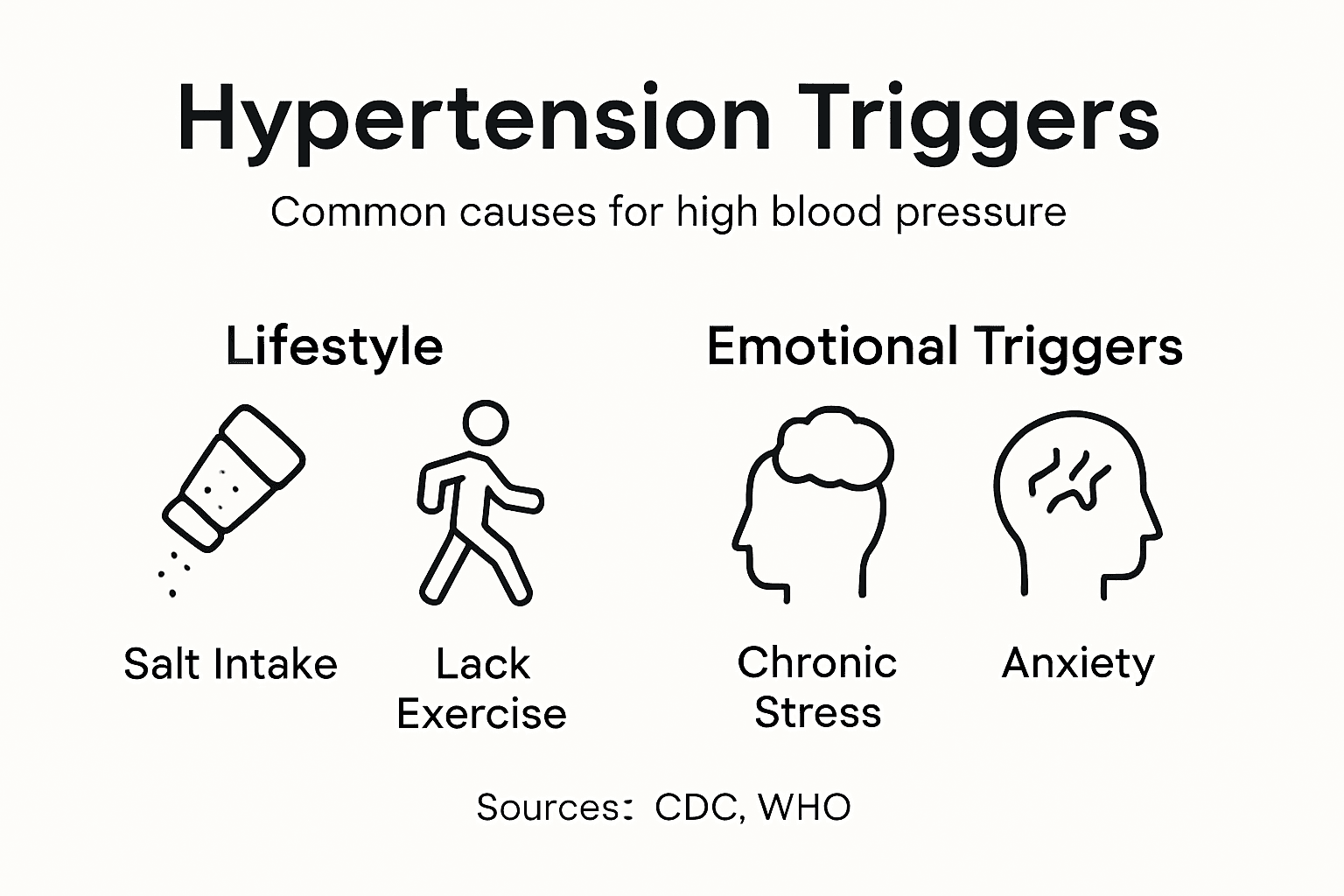
Compare the effects of common lifestyle changes on blood pressure:
| Lifestyle Change | Impact on Blood Pressure | Additional Benefits |
|---|---|---|
| Reducing sodium | Lowers systolic readings | Supports kidney function |
| Regular exercise | Sustained pressure reduction | Improves heart strength |
| Managing stress | Stabilizes fluctuations | Enhances mood |
| Increased potassium | Balances sodium, lowers pressure | Aids muscle health |
| Limiting alcohol | Prevents pressure spikes | Supports liver health |
Specific Natural Management Strategies:
- Practice daily meditation
- Incorporate yoga and gentle exercise
- Consume heart-healthy foods
- Limit alcohol consumption
- Quit smoking
- Maintain consistent sleep patterns
Small, consistent changes in daily habits can produce significant improvements in blood pressure management and overall cardiovascular health.
Pro tip: Create a personalized lifestyle plan that integrates multiple natural strategies, and consistently track your blood pressure to measure the effectiveness of your approach.
Take Control of Your Blood Pressure Naturally Today
Understanding what triggers hypertension and how emotional stress, diet, and lifestyle changes impact your blood pressure can be overwhelming. This article highlights key challenges like stress-induced spikes, dietary influences, and the importance of consistent monitoring. If you are looking for natural methods to manage and support healthy blood pressure levels without relying solely on medication, you are not alone.
Explore powerful herbal supplements and holistic wellness advice designed to help you reduce hypertension risks and improve cardiovascular health at Homeremedyshop.com. Learn about proven natural remedies, stress management techniques, and lifestyle tips that align perfectly with the science-backed information in this article. Don’t wait for hypertension to take control. Visit Homeremedyshop.com now and start your journey toward balanced blood pressure and lasting wellness.
Frequently Asked Questions
What are the different blood pressure levels and their meanings?
Blood pressure levels are categorized as follows: Normal (<120/80 mm Hg), Elevated (120-129/<80 mm Hg), Stage 1 Hypertension (130-139/80-89 mm Hg), Stage 2 Hypertension (140/90 mm Hg or higher), and Hypertensive Crisis (>180/>120 mm Hg). Each category signifies a different level of cardiovascular health and risk.
How does stress impact blood pressure readings?
Stress can temporarily increase blood pressure due to hormone release that raises heart rate and constricts blood vessels. Chronic stress can lead to consistently elevated blood pressure, making stress management vital for overall heart health.
What lifestyle changes can help manage hypertension naturally?
Key lifestyle changes include reducing sodium intake, increasing potassium consumption, maintaining a healthy weight, engaging in regular physical activity, and practicing stress management techniques, which can collectively improve blood pressure levels and cardiovascular health.
How can I accurately monitor my blood pressure at home?
To accurately monitor your blood pressure at home, use a validated blood pressure monitor, select the appropriate cuff size, avoid caffeine and smoking before taking a reading, and record multiple readings at the same time each day to get accurate results.
Recommended
- Monitor Blood Pressure At Home – Home Remedy Shop
- Nautral Herbal Solutions for High Blood Pressure
- 15 Quick and Natural Home Remedies for Low Blood Pressure – Home Remedies
- 15 Super Foods to Lower High Blood Pressure – Home Remedies
- What you eat can make you more relaxed and more resistant to hoarsenes – TMRG Solutions
