
Over 45 percent of American adults have high blood pressure, yet many remain unaware of its true impact. Understanding how blood pressure shapes everyday health is essential, since imbalances can quietly lead to major complications over time. This guide unpacks what blood pressure really means, how to measure it naturally at home, and the benefits of taking a proactive approach for long-term wellness.
Table of Contents
- Understanding Blood Pressure and Its Role
- How Blood Pressure Is Measured Naturally
- Health Risks of Uncontrolled Blood Pressure
- Benefits of Natural Monitoring Approaches
- Common Mistakes When Tracking Naturally
Key Takeaways
| Point | Details |
|---|---|
| Importance of Blood Pressure | Blood pressure is a key indicator of cardiovascular health and should be regularly monitored to prevent complications. |
| Natural Measurement Techniques | Home monitoring of blood pressure offers a proactive approach to managing health, utilizing both manual and digital methods. |
| Risks of Uncontrolled Hypertension | Prolonged high blood pressure can silently damage major organ systems, leading to severe health conditions. |
| Common Tracking Mistakes | Accuracy in blood pressure measurement is crucial; avoid errors by following standardized protocols and ensuring proper technique. |
Understanding Blood Pressure and Its Role
Blood pressure represents the critical force that moves blood through your cardiovascular system, acting as a fundamental indicator of overall health. This essential physiological measurement reveals how effectively your heart pumps blood and how your arteries respond to that circulation.
At its core, blood pressure measures the pressure inside your blood vessels during two specific moments: when the heart contracts (systolic pressure) and when it rests between beats (diastolic pressure). Understanding hypertension requires examining its causes and implications across multiple bodily systems. Healthcare professionals typically express blood pressure as two numbers – such as 120/80 mmHg – which represent systolic and diastolic pressures respectively.
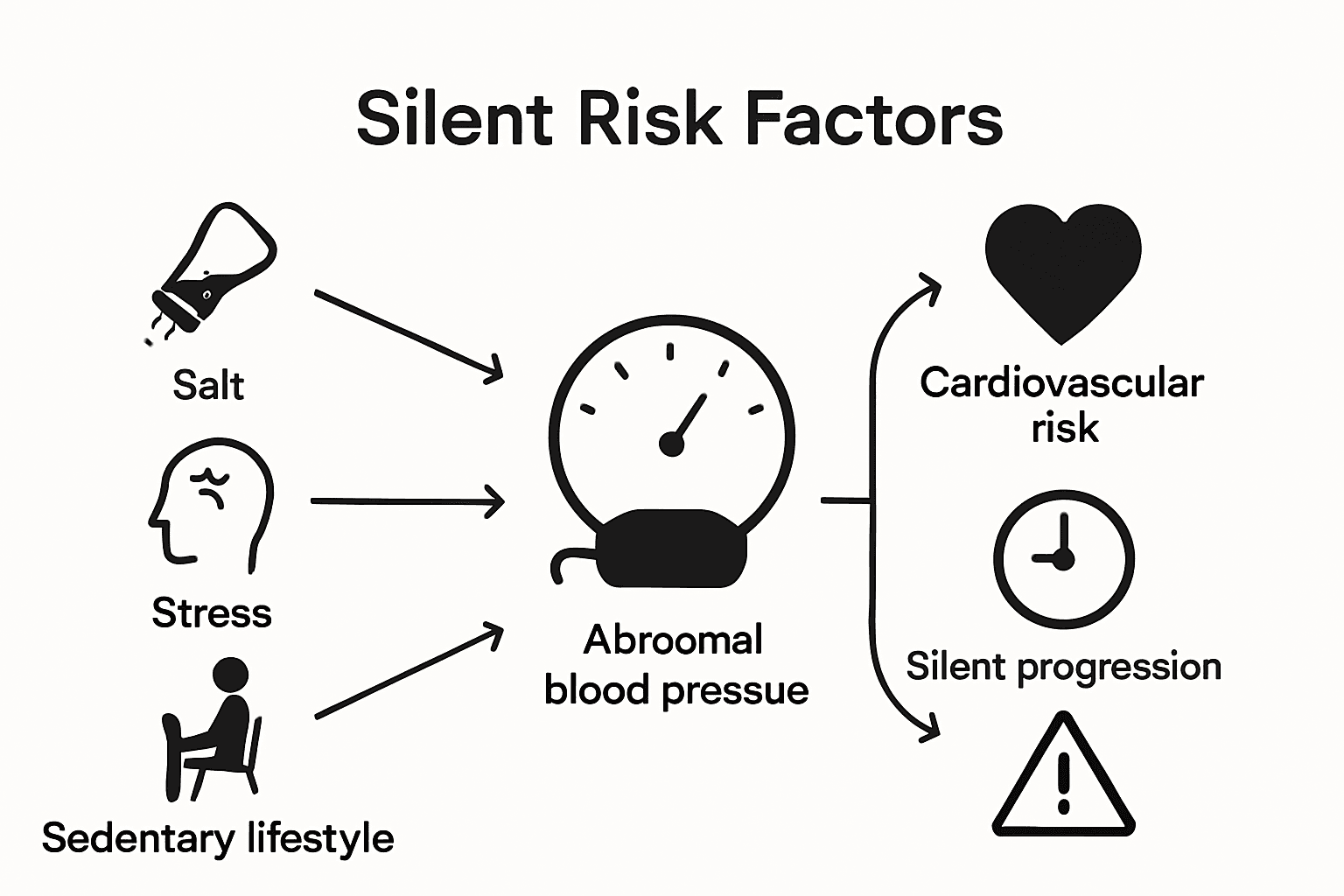
The human body maintains blood pressure through a complex interplay of factors including heart function, blood vessel elasticity, blood volume, and hormonal regulation. Some key influences include:
- Genetic predisposition
- Age
- Stress levels
- Dietary habits
- Physical activity
- Underlying health conditions
Risk factors for abnormal blood pressure can develop gradually, often without noticeable symptoms. This silent progression makes regular monitoring crucial for preventing potential cardiovascular complications. Metabolomic research continues exploring how metabolic changes connect with blood pressure variations, offering promising insights into early detection and intervention strategies.
Pro Health Tip: Schedule regular blood pressure screenings with your healthcare provider, even if you feel healthy. Early detection can prevent long-term cardiovascular risks and help you maintain optimal wellness.
How Blood Pressure Is Measured Naturally
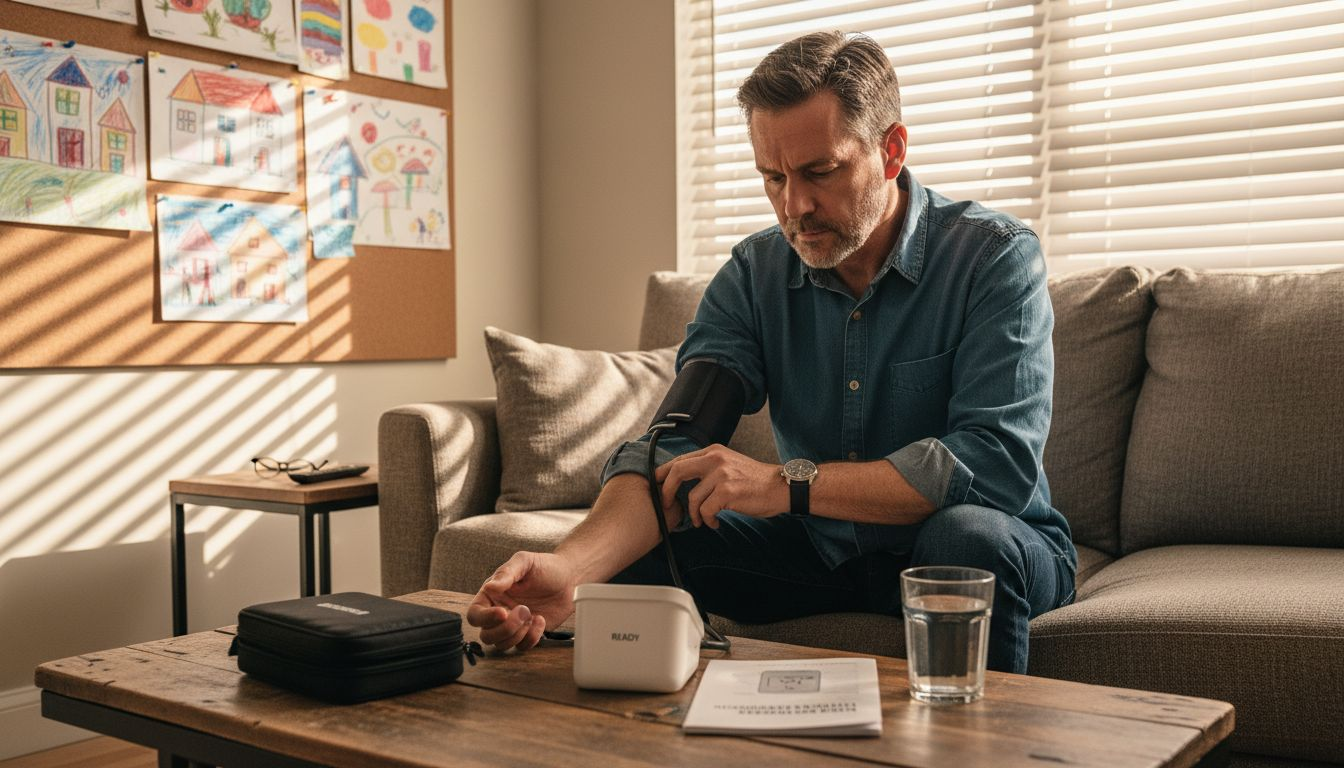
Measuring blood pressure naturally involves several precise methods that help individuals track their cardiovascular health without extensive medical equipment. Home-based blood pressure monitoring offers significant advantages in understanding personal health trends, allowing for proactive management of potential hypertension risks.
Manual measurement techniques remain foundational in blood pressure assessment. Traditional methods involve using a sphygmomanometer, which includes an inflatable arm cuff connected to a pressure gauge. Healthcare professionals typically listen for specific sounds using a stethoscope while gradually releasing pressure, identifying systolic and diastolic readings through audible pulse changes.
Modern technology has expanded natural measurement options, introducing digital and smartphone-compatible devices that provide quick, accurate readings. These innovative tools offer several benefits:
- Easy-to-read digital displays
- Automatic pulse and pressure calculation
- Memory storage for tracking historical measurements
- Portable design for convenient monitoring
- Minimal training required for accurate use
Technological advancements have transformed blood pressure evaluation methods, making home monitoring more accessible and precise. Individuals can now obtain clinical-grade measurements without visiting healthcare facilities, empowering personal health management.
Pro Health Monitoring Tip: Take multiple readings at different times of day and in various physical positions to ensure consistent and accurate blood pressure tracking. Maintain a log to share with your healthcare provider during regular check-ups.
Here’s a comparison of common methods for measuring blood pressure naturally:
| Method | Equipment Needed | Typical Accuracy | Suitability for Home Use |
|---|---|---|---|
| Manual (sphygmomanometer) | Cuff, stethoscope | High if used correctly | Best for trained users |
| Digital monitor | Automatic cuff device | Consistently reliable | Excellent for most individuals |
| Smartphone-compatible | Mobile device, special app | Varies by device quality | Convenient, often easy to use |
Health Risks of Uncontrolled Blood Pressure
Uncontrolled blood pressure represents a silent yet potentially devastating health threat that can progressively damage multiple bodily systems. Unlike acute medical conditions with immediate symptoms, hypertension quietly undermines cardiovascular and organ health through sustained physiological stress and damage.
Comprehensive research highlights the extensive health risks associated with prolonged high blood pressure, revealing a complex network of potential complications. The primary systems most vulnerable to hypertension’s damaging effects include:
- Cardiovascular system
- Neurological pathways
- Kidney function
- Circulatory networks
- Cerebrovascular structures
The cardiovascular system bears the brunt of uncontrolled blood pressure’s impact. Persistently high pressure forces the heart to work harder, leading to potential complications such as:
- Arterial wall thickening
- Reduced blood vessel elasticity
- Increased risk of heart attack
- Potential heart muscle enlargement
- Higher likelihood of stroke
Studies demonstrate that nearly one-third of the United States population faces significant health risks from uncontrolled hypertension, underscoring the critical importance of proactive management and regular monitoring. Chronic high blood pressure can trigger a cascade of health problems, potentially leading to long-term disability or life-threatening conditions.
Pro Health Prevention Tip: Schedule comprehensive cardiovascular screenings annually and maintain a detailed health log tracking your blood pressure readings, lifestyle changes, and any observed symptoms to help your healthcare provider develop targeted prevention strategies.
Below is a summary of the primary consequences of uncontrolled blood pressure on major organ systems:
| Organ/System | Typical Damage Caused | Potential Long-Term Effect |
|---|---|---|
| Heart | Increased workload; thickened walls | Heart failure or attack |
| Kidneys | Damaged blood vessels | Chronic kidney disease |
| Brain | Weakened vessels; reduced flow | Higher stroke and dementia risk |
| Blood Vessels | Loss of elasticity | Aneurysm or arterial disease |
Benefits of Natural Monitoring Approaches
Home blood pressure monitoring represents a powerful strategy for individuals seeking proactive health management, offering unprecedented insights into personal cardiovascular wellness. Self-measured blood pressure techniques provide simple and effective ways to track health trends, empowering patients to take control of their physiological well-being.
Natural monitoring approaches deliver multiple comprehensive advantages that traditional clinical measurements cannot match. These benefits include:
- Continuous tracking without clinical environment stress
- Real-time understanding of personal blood pressure variations
- Reduced healthcare costs through preventive self-management
- Enhanced patient engagement in personal health journey
- Immediate feedback on lifestyle modifications
Digital technologies have revolutionized home monitoring, introducing sophisticated tools that transform complex medical tracking into user-friendly experiences. Telemonitoring techniques have proven especially effective for managing hypertensive populations, allowing individuals to collect precise data without frequent medical visits.
The psychological benefits of natural monitoring cannot be overstated. By providing individuals direct access to their health metrics, these approaches reduce anxiety, increase personal accountability, and create a proactive approach to cardiovascular wellness. Understanding one’s body becomes an empowering experience of continuous health education and self-awareness.
Pro Health Tracking Tip: Invest in a reliable home blood pressure monitor and establish a consistent daily measurement routine, ideally at the same time each day and under similar physical conditions to ensure accurate tracking.
Common Mistakes When Tracking Naturally
Blood pressure tracking requires precision and careful attention to detail, with even minor errors potentially compromising the accuracy of your health measurements. Home measurement techniques demand careful implementation to ensure reliable results, making awareness of common pitfalls crucial for effective self-monitoring.
Individuals frequently make several critical errors that can distort their blood pressure readings:
- Measuring immediately after physical activity
- Using an incorrectly sized blood pressure cuff
- Talking or moving during measurement
- Consuming caffeine or tobacco before testing
- Failing to rest for 5 minutes prior to measurement
- Positioning the arm incorrectly
- Inconsistent measurement times
Diagnostic evaluation methods reveal that improper tracking techniques can significantly compromise health assessments, potentially leading to misdiagnosis or inappropriate treatment strategies. The environment and personal state during measurement play a substantial role in obtaining accurate readings.
Psychological factors also impact blood pressure tracking. Anxiety about measurement, known as “white coat syndrome,” can artificially elevate readings. This phenomenon underscores the importance of creating a calm, consistent measurement environment that mimics your typical daily conditions.
Pro Precision Tip: Create a standardized tracking protocol by establishing a dedicated measurement space, using the same device, and following consistent pre-measurement preparation steps to maximize accuracy and reliability.
Take Control of Your Blood Pressure with Natural Solutions
Managing blood pressure naturally can be challenging without the right tools and knowledge. This article highlights common pain points such as the risks of uncontrolled blood pressure, the importance of precise self-monitoring, and avoiding common tracking mistakes. You need easy-to-use, reliable methods that fit your lifestyle and empower you to protect your heart, kidneys, and overall well-being.
Discover effective natural remedies and holistic wellness tips tailored for blood pressure support at Homeremedyshop.com. From proven herbal supplements to detailed home monitoring guides, you get trusted solutions designed to complement your healthy routine and reduce dependence on clinical visits.
Start your journey toward balanced blood pressure today. Visit Homeremedyshop.com now for expert advice and natural products that help you monitor and maintain your cardiovascular health with confidence. Learn more about natural blood pressure management and take proactive steps before complications arise.
Frequently Asked Questions
What are the benefits of monitoring blood pressure naturally?
Monitoring blood pressure naturally allows for continuous tracking without the stress of a clinical environment. It provides real-time insights into personal health, reduces healthcare costs through preventive measures, and enhances patient engagement in managing their cardiovascular wellness.
How can I accurately measure my blood pressure at home?
To measure blood pressure accurately at home, use a reliable monitor, follow manufacturer instructions, and take readings at the same time each day under similar conditions. Ensure you are seated comfortably, rested for at least five minutes, and avoid talking during the measurement.
What common mistakes should I avoid when tracking blood pressure?
Common mistakes include measuring after physical activity, using an improperly sized cuff, talking during the reading, and not resting beforehand. Establishing a consistent measurement routine and protocol can help improve accuracy.
What should I consider when choosing a blood pressure monitoring device?
When selecting a blood pressure monitor, consider factors such as accuracy, ease of use, whether it’s digital or manual, and if it has memory storage for tracking historical data. Ensure it is suitable for home use and fits comfortably on your arm.
Recommended
- Home Page – Home Remedies
- 15 Healthy Foods That Lower Blood Sugar to Cook and Enjoy – Home Remedies
- 15 Home Remedies for Heart Palpitations – Home Remedies
- Causes of Low Body Temperature: 15 Natural Ways to Eliminate Them
Article generated by BabyLoveGrowth

