
Dry skin impacts nearly 50 million American adults every year, disrupting daily comfort and confidence as climate changes and hormonal shifts take their toll. For women navigating their thirties and forties, dryness often feels relentless no matter the season. Understanding the science behind skin moisture loss and learning how to support hydration through holistic, evidence-backed solutions brings relief within reach. This guide reveals practical remedies, nutritional strategies, and simple routines to restore your skin’s natural glow.
Table of Contents
- What Is Dry Skin and Why It Happens
- Common Triggers and Misconceptions
- Natural Hydration and Dietary Solutions
- Topical Care: What to Use or Avoid
- Foods to Eat and Those to Limit
Key Takeaways
| Point | Details |
|---|---|
| Understanding Dry Skin | Dry skin, or xerosis, results from moisture loss and is influenced by environmental factors like weather and personal hygiene. |
| Common Triggers | Frequent handwashing, harsh soaps, and hot baths can exacerbate dry skin. Prevention includes using moisturizers and adjusting bathing habits. |
| Dietary Impact | Consuming omega-3 rich foods and hydrating produce can enhance skin hydration. Avoiding processed foods and excessive caffeine is also crucial. |
| Topical Care | Select gentle, fragrance-free products and moisturize immediately after bathing to retain hydration. Avoid alcohol-based products that can irritate the skin. |
What Is Dry Skin and Why It Happens
Dry skin, scientifically termed xerosis or xeroderma, represents a common condition characterized by rough, itchy, and flaky skin that disrupts the body’s natural protective barrier. This condition occurs when the skin loses excessive moisture, making it vulnerable to external irritants and environmental stressors.
The primary mechanism behind dry skin involves the disruption of the stratum corneum, the outermost layer of skin responsible for retaining moisture. When this protective layer becomes compromised, it fails to maintain adequate hydration, leading to visible symptoms like scaling, cracking, and persistent itchiness. Environmental factors play a significant role in this process, with cold weather, low humidity, excessive bathing, and harsh chemical exposure contributing to moisture depletion.
Multiple factors can trigger dry skin development, including age, climate, personal hygiene habits, and underlying health conditions. Older adults are particularly susceptible due to decreased natural oil production, while individuals living in arid or cold regions experience more frequent skin dryness. Frequent handwashing, use of harsh soaps, hot water bathing, and prolonged sun exposure can further exacerbate the condition, stripping away the skin’s natural protective oils.
Pro tip: Invest in a humidifier to maintain optimal indoor moisture levels and help prevent dry skin by restoring ambient humidity.
Common Triggers and Misconceptions
Dry skin results from multiple environmental and physiological triggers, which range from climate conditions to personal hygiene habits. Cold, arid environments significantly contribute to moisture loss, while indoor heating systems further exacerbate skin dehydration by reducing ambient humidity and stripping natural skin oils.
Common misconceptions about dry skin can lead to ineffective treatment approaches. Many people incorrectly believe that dry skin is always a sign of serious medical conditions, whereas in most cases, it stems from routine lifestyle and environmental factors. Certain health conditions and medications like hypothyroidism, HIV treatments, and age-related changes can indeed influence skin hydration, but external factors play an equally significant role.
Specific triggers include frequent handwashing, prolonged hot showers, harsh chemical-based soaps, excessive bathing, and wearing fabrics that irritate the skin. Individuals with occupations requiring repeated hand sanitization or those living in extreme climates are particularly susceptible to developing chronic dry skin conditions. Aging also naturally reduces the skin’s ability to retain moisture, making older adults more vulnerable to dryness and related skin complications.

Here is a comparison of common triggers of dry skin and preventive strategies:
| Trigger or Factor | How It Affects Skin | Prevention Tip |
|---|---|---|
| Cold, dry climate | Reduces humidity, dries skin | Use a humidifier indoors |
| Frequent handwashing | Strips natural oils | Apply moisturizer after washing |
| Hot showers | Damages protective barrier | Bathe in lukewarm water |
| Harsh soaps and detergents | Remove essential skin oils | Choose gentle, fragrance-free cleansers |
| Aging | Decreases oil production | Use richer moisturizers |
Pro tip: Switch to lukewarm water when bathing and use gentle, fragrance-free cleansers to minimize skin irritation and moisture loss.
Natural Hydration and Dietary Solutions
Maintaining optimal skin hydration requires a comprehensive approach that addresses both internal and external moisture needs. Water intake plays a critical role in supporting overall skin health, with experts recommending at least eight glasses of water daily to maintain proper hydration and support the body’s natural moisture regulation mechanisms.
Nutrition plays an equally important part in combating dry skin, with specific foods offering targeted benefits for skin hydration. Omega-3 rich foods like salmon, chia seeds, and walnuts help reinforce the skin’s natural lipid barrier, while foods high in hyaluronic acid such as bone broth and sweet potatoes enhance the skin’s ability to retain moisture. Antioxidant-packed fruits and vegetables like watermelon, cucumber, and berries contribute additional hydration and support skin cell regeneration.
Beyond dietary choices, holistic hydration strategies include reducing caffeine and alcohol consumption, which can contribute to dehydration. Incorporating hydrating beverages like herbal teas, coconut water, and infused water can provide additional moisture support. Supplementing with electrolyte-rich drinks and consuming water-dense foods can help maintain optimal hydration levels and support the skin’s natural moisture balance.
Pro tip: Create a daily hydration tracker to ensure consistent water intake and monitor your skin’s moisture levels.
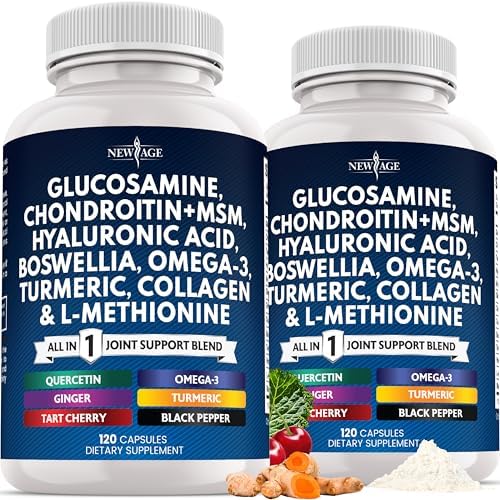
- Glucosamine Chondroitin MSM Health Supplement – All in 1 glucosamine sulfate, chondroitin sulfate, and MSM
- MSM with Boswellia, Ginger, and Quercetin
- Made with turmeric, collagen for women
Topical Care: What to Use or Avoid
Selecting the right skincare products is crucial for managing dry skin effectively. Dermatologists recommend using gentle, fragrance-free cleansers that preserve the skin’s natural protective barrier while avoiding harsh soaps that strip away essential oils. Moisturizing immediately after bathing, while the skin is still damp, helps lock in hydration and supports the skin’s natural healing processes.
When choosing topical treatments, prioritize creams and ointments over lightweight lotions. Products containing ingredients like petroleum jelly, shea butter, and mineral oil create a protective barrier that prevents moisture loss. Natural oils such as coconut oil, jojoba oil, and almond oil can also provide deep hydration without clogging pores. Avoid alcohol-based products, synthetic fragrances, and harsh chemical exfoliants that can further irritate and dry out sensitive skin.
Protective strategies extend beyond product selection. Wearing soft, breathable gloves in cold or dry environments, using a humidifier to maintain indoor moisture levels, and applying broad-spectrum sunscreen can significantly reduce skin dryness. For individuals with persistent or severe dry skin, consulting a dermatologist about prescription topical treatments might be necessary to address underlying skin conditions and restore optimal skin health.
Pro tip: Perform a patch test with new skincare products on a small area of skin to check for potential irritation before full application.
Foods to Eat and Those to Limit
Selecting the right foods can dramatically improve skin hydration and overall skin health. Omega-3 rich foods like salmon, mackerel, and sardines help rebuild skin cell membranes and reduce inflammation, while antioxidant-packed berries, leafy greens, and nuts provide essential nutrients that support skin’s natural moisture retention mechanisms.
Nutritional strategies for combating dry skin involve prioritizing whole, unprocessed foods and minimizing inflammatory ingredients. Key foods to incorporate include avocados rich in healthy fats, sweet potatoes packed with skin-supporting vitamins, and green tea loaded with polyphenols that protect skin cells. Conversely, processed foods, refined sugars, excessive caffeine, and alcohol can dehydrate skin and trigger inflammatory responses that exacerbate dryness.
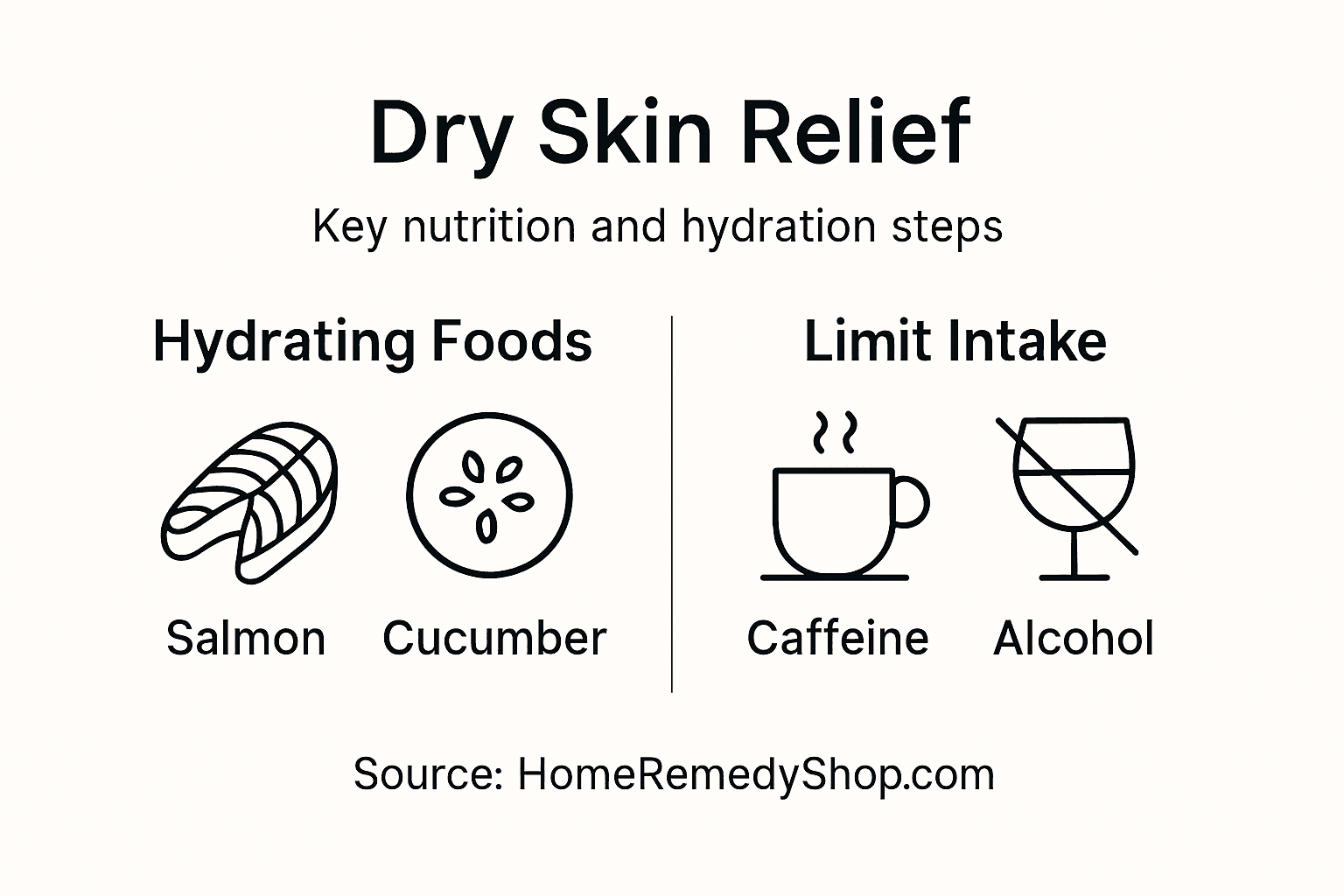
Hydration-supporting foods play a crucial role in maintaining skin health. Watermelon, cucumber, and bone broth offer high water content and essential minerals that help replenish skin moisture from within. Consuming a diverse range of colorful fruits and vegetables ensures a comprehensive nutrient profile that supports skin elasticity, reduces oxidative stress, and promotes natural healing mechanisms.
Below is a summary of food groups that support hydration and those to limit for optimal skin health:
| Food Group to Prioritize | Hydration Benefit | Foods to Limit | Reason |
|---|---|---|---|
| Omega-3 rich fish | Rebuilds cell membranes | Processed snacks | Increase inflammation |
| Colorful fruits & vegetables | Provide antioxidants and water | Sugary drinks | Can promote dryness |
| Nuts and seeds | Offer essential fatty acids | Excess alcohol | Dehydrates skin |
| Water-dense foods | Directly increase moisture intake | Caffeinated drinks | Can decrease hydration |
Pro tip: Create a weekly meal plan focusing on skin-hydrating foods and track improvements in your skin’s texture and moisture levels.
Discover Natural Solutions for Soothing and Preventing Dry Skin
Struggling with dry, itchy, or flaky skin can feel exhausting and frustrating. This article highlights key challenges like moisture loss, harsh environmental triggers, and the difficulty of finding effective relief without harsh chemicals. If you want to nurture your skin naturally while restoring hydration and comfort, it is time to explore gentle, holistic remedies designed to work with your body’s own healing power.

Visit HomeRemedyShop.com to find trusted natural products and expert guidance tailored for dry skin issues. From nourishing herbal supplements to soothing topical options, their selections are crafted to support your skin’s protective barrier and replenish essential moisture. Don’t wait for discomfort to worsen or irritation to take hold. Take control today with proven natural relief strategies backed by tradition and science. Explore natural remedies for skin health and start your journey toward healthier, hydrated skin right now.
Frequently Asked Questions
What are the common causes of dry skin?
Dry skin can be caused by environmental factors like cold or dry climates, frequent handwashing, and hot showers. Additionally, aging and certain health conditions can contribute to moisture loss in the skin.
How can I effectively prevent dry skin at home?
To prevent dry skin, consider using a humidifier to maintain indoor moisture levels, bathe in lukewarm water, and apply a gentle, fragrance-free moisturizer right after bathing to lock in hydration.
What are some natural remedies for treating dry skin?
Natural remedies for dry skin include using oils like coconut, jojoba, and almond oil for deep hydration. Foods rich in omega-3 fatty acids, antioxidants, and hydration-supporting properties can also help improve skin moisture from the inside out.
Which types of skincare products should I avoid for dry skin?
Avoid skincare products containing alcohol, synthetic fragrances, and harsh exfoliants, as these can irritate and further dry out the skin. Instead, focus on creams and ointments that provide a protective barrier against moisture loss.
Recommended
- 32 Home Remedies for Dry Skin – Home Remedies
- 26 Home Remedies for Peeling Skin – Home Remedies
- The Best Natural Remedies For Dry Skin Around Nose to Do at Home
- Natural Home Remedies for Oily Skin – Home Remedies –
- Argan Oil for Dry Scalp: Restore Moisture and Growth | MyHair
