
Over half of people worldwide battle dandruff at some point, facing stubborn flakes and scalp discomfort that can impact daily life. For many American and international health-conscious adults, persistent dandruff signals deeper issues involving stress, microbiome imbalance, and lifestyle factors. This guide dives into the real reasons behind tough dandruff, revealing holistic, natural strategies—including proven botanicals like ginger and aloe—that help restore scalp health and confidence.
Table of Contents
- Understanding Bad Dandruff And Its Causes
- Types Of Dandruff And Key Differences
- The Role Of Stress And Lifestyle Factors
- Natural Remedies: Ginger, Aloe, And Beyond
- Intensive Home Care Techniques For Severe Cases
- Common Mistakes To Avoid With Scalp Treatments
Key Takeaways
| Point | Details |
|---|---|
| Dandruff Affects Many | Dandruff is a common scalp condition affecting about 50% of the global population, linked to scalp microbiome disruptions and various contributing factors. |
| Types of Dandruff | Understanding different types, such as Classic Dandruff and Seborrheic Dermatitis, is essential for effective management and treatment strategies. |
| Role of Stress | Chronic stress significantly impacts scalp health, exacerbating dandruff through hormonal and immune system alterations. |
| Natural Remedies | Natural treatments like Tea Tree Oil and Aloe Vera can effectively manage dandruff while promoting scalp health without harsh chemicals. |
Understanding Bad Dandruff and Its Causes
Dandruff is a widespread scalp condition affecting approximately 50% of the global population, characterized by persistent flaking and irritation. Scalp microbiome disruptions play a critical role in its development, involving complex interactions between microorganisms and skin health.
The pathogenesis of dandruff involves multiple factors, including microbial overgrowth, particularly of organisms like Staphylococcus and Malassezia yeasts. These microbes contribute to scalp inflammation and disrupted skin barrier function, leading to the characteristic white flakes and itching associated with the condition. Chronic scalp disorders are influenced by genetic predispositions, environmental conditions, and individual microbiome compositions.
Key contributors to dandruff development include:
- Excessive sebum production
- Hormonal fluctuations
- Stress and anxiety
- Compromised immune responses
- Nutritional deficiencies
- Environmental factors like humidity and temperature
Understanding these underlying mechanisms helps develop more targeted and effective treatment strategies that address the root causes rather than merely managing symptoms.
Pro tip: Monitor your scalp’s microbiome health by maintaining a balanced diet, managing stress, and using gentle, pH-balanced hair care products.
Types of Dandruff and Key Differences
Dandruff is not a one-size-fits-all condition, but rather a complex scalp issue with multiple manifestations. Scalp condition variations reveal distinct types that require unique approaches to treatment and management.
The primary types of dandruff include:
- Classic Dandruff (Pityriasis Capitis Simplex)
- Mild flaking caused by Malassezia yeast
- White, dry flakes
- Minimal scalp inflammation
- Seborrheic Dermatitis
- More severe inflammatory condition
- Greasy, yellowish flakes
- Redness and irritation present
- Inflammatory scalp disorders extend beyond the scalp to other sebaceous areas
Key differences between these types involve the intensity of symptoms, underlying microbial activity, and the extent of skin inflammation. While classic dandruff represents a mild condition primarily affecting scalp appearance, seborrheic dermatitis indicates a more complex inflammatory response involving the skin’s microbiome and immune system.
Here’s a comparison of classic dandruff and seborrheic dermatitis to help clarify their distinctive features:
| Feature | Classic Dandruff | Seborrheic Dermatitis |
|---|---|---|
| Flake Appearance | Dry, white, small flakes | Greasy, yellow, larger flakes |
| Scalp Inflammation | Minimal | Significant redness |
| Severity of Symptoms | Mild | Moderate to severe |
| Areas Affected | Scalp only | Scalp and other oily areas |
| Best Initial Approach | Mild shampoos, diet | Medicated treatments, dermatology consultation |
Factors influencing dandruff type include individual genetics, hormonal balance, stress levels, immune function, and environmental conditions. Recognizing these nuanced differences helps develop more targeted and personalized treatment strategies.
Pro tip: Consult a dermatologist for precise diagnosis, as distinguishing between dandruff types requires professional assessment of your specific scalp condition.
The Role of Stress and Lifestyle Factors
Stress plays a profound and complex role in dandruff development and exacerbation, creating a challenging cycle of physical and psychological symptoms. Psychological impact of dandruff reveals a significant connection between emotional well-being and scalp health, demonstrating how mental states directly influence physiological conditions.
The intricate relationship between stress and dandruff manifests through multiple mechanisms:
- Hormonal Disruption: Chronic stress increases cortisol production, which can alter sebum production and scalp microbiome balance
- Immune System Modification: Stress weakens immune responses, making the scalp more vulnerable to microbial imbalances
- Inflammation Triggers: Psychological stress activates inflammatory pathways that can worsen scalp conditions
- Sleep Disruption: Poor sleep quality associated with stress further compromises skin and scalp health
Mental health consequences demonstrate a bidirectional relationship where dandruff can cause significant emotional distress, leading to a self-perpetuating cycle of symptoms and psychological strain. Individuals experiencing persistent dandruff often report reduced self-confidence, social anxiety, and heightened self-consciousness.
Lifestyle factors such as diet, hygiene practices, environmental exposures, and overall stress management play crucial roles in managing dandruff. Holistic approaches that address both physical symptoms and psychological well-being can provide more comprehensive and effective treatment strategies.
Pro tip: Practice daily stress reduction techniques like meditation, deep breathing, or yoga to help regulate your body’s stress response and potentially improve scalp health.
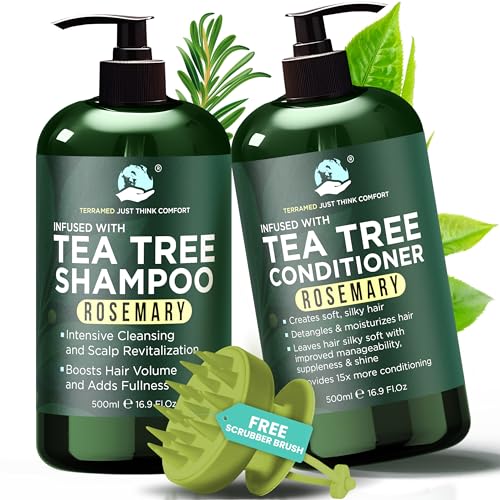
- 𝐑𝐄𝐋𝐈𝐄𝐕𝐄 𝐈𝐓𝐂𝐇𝐘 𝐒𝐂𝐀𝐋𝐏 & 𝐇𝐀𝐈𝐑 𝐋𝐎𝐒𝐒: Help relieve from itchy scalp, persistent dandruff, or hair thinning. Our tea tree sham…
- NOURISHING ROSEMARY AND TEA TREE BLEND: This shampoo and conditioner set is infused with rosemary and tea tree oils that…
- SOOTHES A DRY, ITCHY SCALP: The calming botanical blend helps comfort a dry, flaky scalp so your hair looks healthier an…
Natural Remedies: Ginger, Aloe, and Beyond
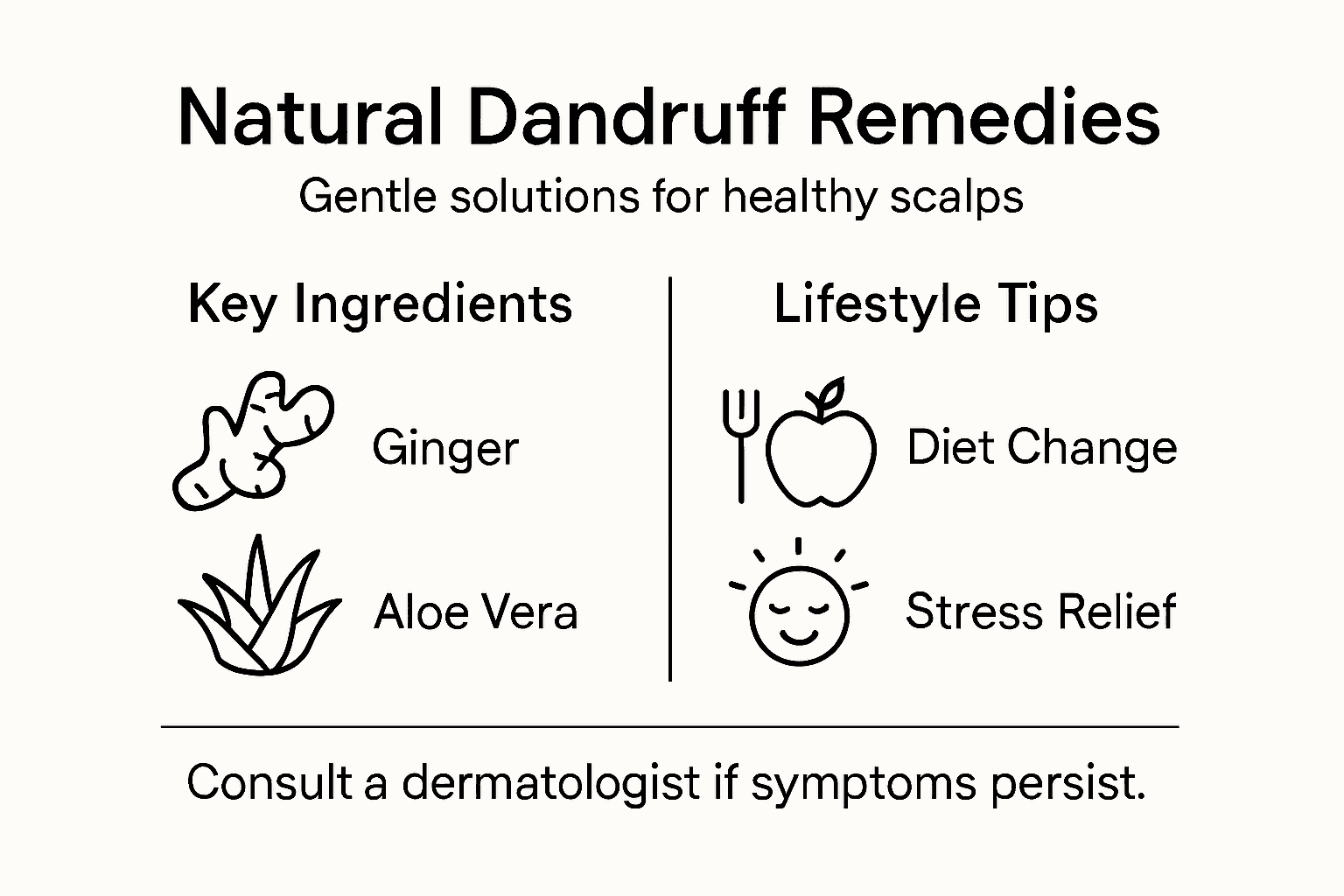
Natural remedies offer powerful alternatives for managing dandruff, targeting the underlying causes while providing gentle, holistic healing. Natural scalp treatment options demonstrate remarkable potential in addressing scalp health through botanical ingredients with antimicrobial and soothing properties.
Key natural remedies for dandruff include:
Essential Oils and Plant Extracts:
- Tea Tree Oil: Potent antifungal properties that combat dandruff-causing microorganisms
- Coconut Oil: Supports scalp hydration and microbiome balance
- Neem Oil: Provides anti-inflammatory and antifungal benefits
- Aloe Vera: Soothes scalp inflammation and promotes healing
- Olive Oil: Offers moisturizing and protective scalp care
Ginger and Aloe Vera Treatment Method:
- Boil fresh ginger in concentrated water
- Mix ginger extract with aloe vera gel
- Add a small amount of natural shampoo
- Apply to scalp and leave for 5-10 minutes during washing
- Rinse thoroughly
Antimicrobial natural treatments emphasize the importance of proper dilution and application to prevent scalp irritation. These botanical solutions work by reducing inflammation, controlling fungal growth, and restoring scalp microbiome balance.
Homemade treatments can be particularly effective when combined with consistent hair care practices and stress management techniques. Each individual’s scalp responds differently, so experimenting with various natural remedies can help find the most suitable approach.
Below is a summary of natural remedy ingredients and their unique scalp health benefits:
| Ingredient | Main Benefit | Best Use Case |
|---|---|---|
| Tea Tree Oil | Fights scalp fungi | Soothing mild dandruff |
| Coconut Oil | Balances hydration | Restoring scalp moisture |
| Ginger Extract | Stimulates circulation | Boosting scalp recovery |
| Aloe Vera | Calms irritation | Reducing inflammation |
| Olive Oil | Protects skin barrier | Deep conditioning treatments |
Pro tip: Perform a patch test with any new natural remedy and start with small amounts to ensure your scalp tolerates the treatment without adverse reactions.
Intensive Home Care Techniques for Severe Cases
Severe dandruff requires a targeted, strategic approach that goes beyond standard treatment methods. Intensive anti-dandruff protocols demonstrate that systematic treatment can significantly reduce symptoms and restore scalp health.
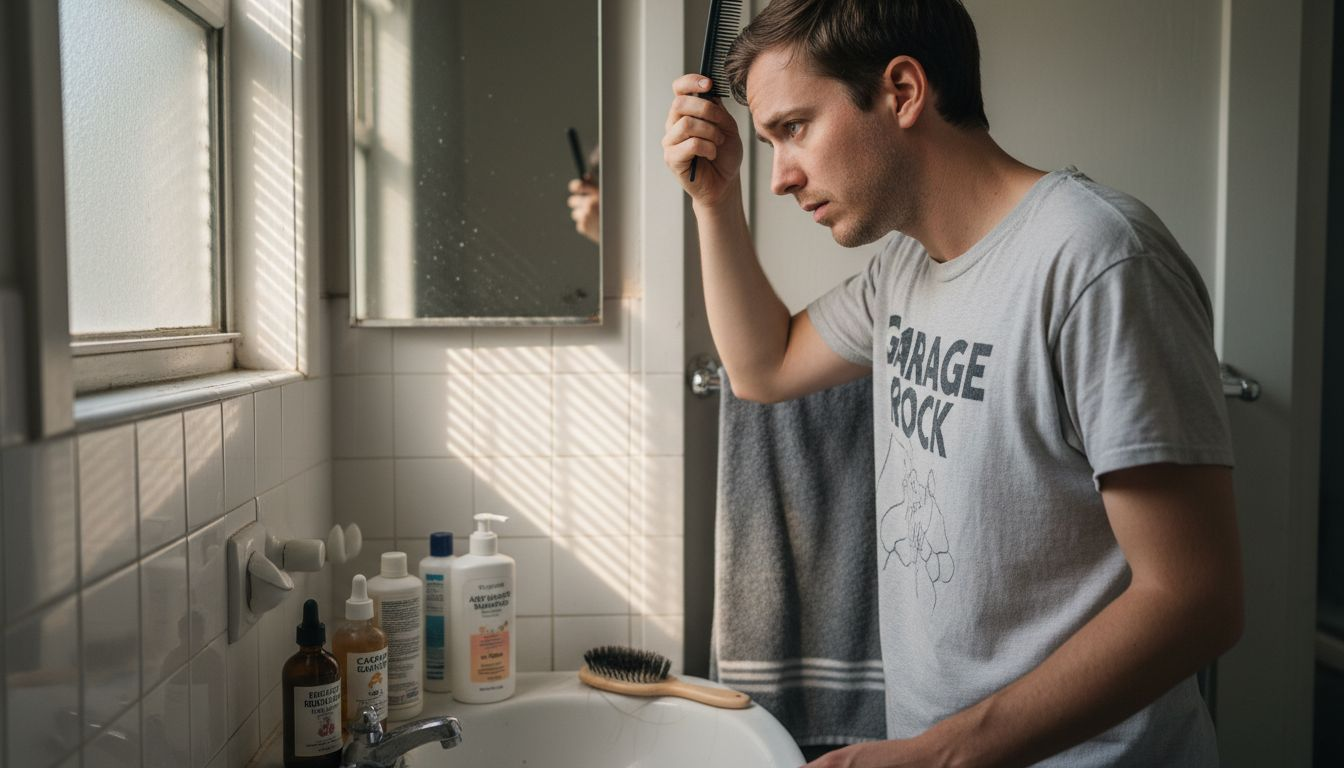
Intensive Home Treatment Strategy:
Initial Intensive Phase (First Two Weeks)
- Apply specialized anti-dandruff treatment 3 times per week
- Focus on thorough scalp coverage
- Use gentle, non-irritating formulations
- Target both fungal growth and inflammation
Recommended Treatment Techniques:
- Baking Soda and Apple Cider Vinegar Soak
- Mix equal parts baking soda and apple cider vinegar
- Apply directly to scalp
- Cover with plastic wrap for deeper penetration
- Leave for 30-45 minutes
- Expect temporary itching (indicates dead skin removal)
- Concentrated Herbal Treatment
- Create concentrated herbal rinses using:
- Ginger
- Aloe vera
- Natural antiseptic herbs
- Apply as final hair rinse after shampooing
Comprehensive dandruff management requires a multifaceted approach addressing underlying microbial and inflammatory conditions. Professional-grade treatments often provide 72-hour relief and help rebalance scalp microbiota.
Consistent application, patience, and careful monitoring are crucial. Individual responses vary, so adjusting treatment based on scalp’s reaction is essential for long-term management.
Pro tip: Document your scalp’s response to different treatments, tracking improvements and potential irritations to develop a personalized, effective dandruff management strategy.
Common Mistakes to Avoid With Scalp Treatments
Addressing dandruff effectively requires more than just applying random treatments. Scalp treatment mistakes can significantly undermine your efforts to manage this persistent condition.
Common Mistakes to Avoid:
Product and Application Errors:
- Using regular shampoos instead of medicated formulations
- Inconsistent treatment application
- Harsh scalp scrubbing causing additional irritation
- Overusing chemical products that dry out the scalp
- Neglecting personal hygiene items that harbor fungi
Specific Problematic Practices:
- Incorrect Washing Frequency
- Washing too frequently strips natural scalp oils
- Washing too infrequently allows fungal and bacterial buildup
- Aim for balanced, gentle cleansing
- Aggressive Scratching
- Damaging scalp through intense scratching
- Creating micro-injuries that worsen inflammation
- Increasing risk of secondary infections
Dandruff management strategies emphasize the importance of gentle, consistent care. Understanding these common pitfalls helps develop a more effective, holistic approach to scalp health.
Treatment success depends on recognizing individual scalp needs, using appropriate products, and maintaining a consistent, gentle care routine. Patience and careful observation are key to managing dandruff effectively.
Pro tip: Keep a detailed log of your scalp’s response to different treatments, tracking changes in flaking, itching, and overall scalp condition to identify the most effective approach.
Discover Effective Natural Solutions for Bad Dandruff Today
Struggling with persistent dandruff that disrupts your confidence and comfort? This article highlights how factors like scalp microbiome imbalance, inflammation, and stress contribute to bad dandruff and seborrheic dermatitis. If you are looking for gentle yet powerful natural remedies like ginger, aloe vera, tea tree oil, and more you are not alone. Many face the challenge of finding treatments that truly soothe irritation while restoring scalp health without harsh chemicals
Empower your scalp care routine by exploring our trusted collection of herbal supplements and home remedies at Homeremedyshop.com. Our resources include detailed guidance on natural dandruff strategies and holistic wellness to break the cycle of itching flakes and discomfort. Take control now and experience the difference that targeted natural treatments can make. Visit Homeremedyshop.com to start transforming your scalp health with nature’s best remedies.
Frequently Asked Questions
What are some effective natural remedies for treating bad dandruff?
Natural remedies for treating bad dandruff include essential oils like tea tree oil and coconut oil, as well as plant extracts such as neem oil and aloe vera. These ingredients have antimicrobial and soothing properties that can help alleviate dandruff symptoms.
How can stress impact dandruff severity?
Stress can increase cortisol levels, which may lead to changes in sebum production and exacerbate microbial imbalances on the scalp. This can worsen dandruff and create a cycle of physical and psychological symptoms.
How do I create a homemade treatment for dandruff using ginger and aloe vera?
To create a homemade ginger and aloe vera treatment, boil fresh ginger in water, mix the extract with aloe vera gel, and add a small amount of natural shampoo. Apply this mixture to your scalp, leave it for 5-10 minutes, and rinse thoroughly.
What mistakes should I avoid when treating dandruff?
Common mistakes to avoid include using regular shampoos instead of medicated ones, inconsistent treatment application, aggressive scratching of the scalp, and neglecting proper hygiene of personal items that may harbor fungi.
Recommended
- 5 DIY Recipes: Best Shampoo for Dandruff – Home Remedies
- 21 Home Remedies for Dealing with Dandruff + Infographic – Home Remedies
- How to Get Rid of Dandruff – The Ultimate Guide – Home Remedies
- DIY Hair Tonic with Natural Ingredients – Home Remedies
- 7 Essential Tips for Choosing Dandruff Shampoo for Hair Loss | MyHair
