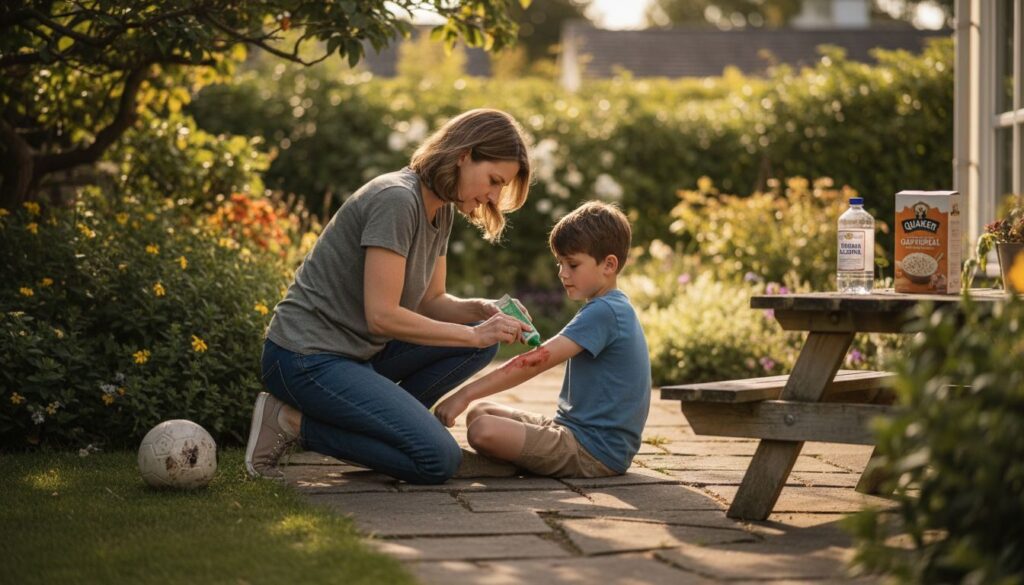
Every summer, countless American families face the challenge of poison ivy rashes after simple backyard play or nature walks. Studies show that up to 85 percent of people develop an allergic reaction to poison ivy’s urushiol oil, making this plant a common threat. For health-conscious parents, safe identification and natural remedies are crucial to protect children without harsh chemicals. Discover trusted strategies for spotting poison ivy, gentle first aid, and holistic recovery methods so your family can enjoy the outdoors with confidence.
Table of Contents
- Understand Poison Ivy: How to Identify and Prevent
- Immediate Washing: Soap and Water First Aid
- Cool Compresses: Soothe Itching and Swelling Fast
- Oatmeal Baths: Gentle Relief for Irritated Skin
- Baking Soda Paste: Easy Remedy for Redness and Blisters
- Aloe Vera Gel: Natural Moisture and Skin Healing
- Over-the-Counter Herbal Products to Support Recovery
Quick Summary
| Takeaway | Explanation |
|---|---|
| 1. Identify Poison Ivy with Three Leaves | Always look for groups of three leaves to avoid contact with poison ivy in outdoor environments. |
| 2. Wash Skin Immediately After Exposure | Rinse affected skin with lukewarm water and degreasing soap within 10 minutes to prevent a rash. |
| 3. Use Cool Compresses for Relief | Apply a cool compress for 10-15 minutes to soothe itching and swelling after contact. |
| 4. Oatmeal Baths Soothe Skin Irritation | Soak in a lukewarm oatmeal bath for gentle relief from itching and inflammation. |
| 5. Keep Herbal Remedies Handy | Stock herbal remedies like calendula cream to support skin healing and minimize discomfort. |
1. Understand Poison Ivy: How to Identify and Prevent
Imagine stepping into your backyard and accidentally brushing against a plant that could leave you with an intensely itchy rash. That’s the potential danger of poison ivy a plant that affects thousands of Americans every year. Understanding how to identify and prevent exposure is your first line of defense against this troublesome plant.
Poison ivy is a master of disguise growing as a vine or shrub with distinctive three-leaf clusters that can change appearance across seasons. Detailed recognition strategies from the Purdue University Extension guide reveal that the plant’s leaves can be green, reddish, or even yellow depending on the time of year. Its adaptability makes identification crucial for outdoor safety.
The real threat comes from urushiol, the oily resin found in poison ivy that triggers allergic reactions. This compound is present in all parts of the plant leaves, stems, and roots and can cause severe skin inflammation even after the plant has died. A single touch can transfer the oil to your skin, leading to the characteristic itchy blistering rash that can last for weeks.
To protect yourself and your family, learn to recognize poison ivy’s signature characteristics:
- Three leaves per cluster: Always remember the classic saying “Leaves of three, let it be”
- Glossy or waxy leaf surface: The leaves often have a shiny appearance
- Leaf edges can be smooth or slightly toothed
- Color changes with seasons: Green in summer, red or yellow in fall
- Grows in various environments: Woods, parks, gardens, and even urban landscapes
Prevention starts with knowledge. Wear long pants and long-sleeved shirts when hiking or working in areas where poison ivy might grow. Learn to distinguish this plant from harmless look-alikes like raspberry or blackberry bushes. If you suspect poison ivy exposure, wash the affected skin immediately with soap and cool water to remove the urushiol oil.
Pro tip: Keep a bottle of rubbing alcohol in your first aid kit when outdoors it can help neutralize urushiol oil if applied within 10 minutes of exposure.
2. Immediate Washing: Soap and Water First Aid
When poison ivy strikes, time is of the essence. The first and most critical step in managing exposure is immediate and thorough washing a strategy that can significantly reduce the severity of your allergic reaction.
Specific first aid protocols from the Centers for Disease Control recommend washing the exposed skin area within 10 minutes of contact with the plant. This quick action helps remove the urushiol oil before it can fully penetrate and trigger an inflammatory response.
The washing process is more than just a quick rinse. You need a strategic approach to effectively remove the toxic plant oil. Use lukewarm water and a degreasing soap that can break down the oily urushiol compound. Mild dishwashing soaps work exceptionally well because they are designed to cut through oils.
Here are the key steps for effective first aid washing:
- Rinse the exposed skin immediately
- Use lukewarm water
- Apply a degreasing soap
- Wash thoroughly for at least 10 minutes
- Clean under fingernails carefully
- Pat dry with a clean towel
- Change and wash exposed clothing separately
Do not use hot water, as it can open your pores and potentially allow more urushiol to penetrate your skin. Equally important is washing any tools, shoes, or equipment that might have come into contact with the poison ivy plant to prevent recontamination.
Pro tip: Keep a specialized poison ivy cleansing wipe in your first aid kit for outdoor activities as a quick emergency solution when soap and water are not immediately available.
3. Cool Compresses: Soothe Itching and Swelling Fast
A poison ivy rash can turn your child’s skin into a battleground of intense itching and uncomfortable swelling. Cool compresses are your secret weapon in providing immediate relief and managing the inflammatory response.
The science behind cool compresses is straightforward. When you apply a cold compress to an irritated skin area, it helps constrict blood vessels, reduce inflammation, and numb nerve endings that trigger intense itching. Natural home remedies for reducing skin inflammation can provide significant comfort during a poison ivy outbreak.
How to Create the Perfect Cool Compress
You do not need fancy medical equipment to create an effective cool compress. Household items can work wonderfully:
- Clean white washcloth
- Cold water
- Ice pack wrapped in a thin towel
- Refrigerated gel pack
The key is maintaining a consistent cool temperature without causing additional skin damage. Avoid placing ice directly on the skin as it can cause further irritation. Instead, wrap the cold source in a soft cloth and apply gently.
Application Techniques for Maximum Relief
Apply the cool compress for 10 to 15 minutes at a time. You can repeat this process every hour during the first 24 to 48 hours after exposure. The cooling effect will help minimize swelling and provide a soothing sensation that interrupts the urge to scratch.
Additional Cooling Strategies
- Use distilled water for the compress to avoid potential contaminants
- Keep the compress moving to prevent skin damage
- Pat the skin dry after each compress application
- Wash your hands before and after applying the compress
Pro tip: Store a dedicated first aid compress in your refrigerator specifically for poison ivy emergencies to ensure its always clean and ready.
4. Oatmeal Baths: Gentle Relief for Irritated Skin
When a poison ivy rash turns your child’s skin into an unbearably itchy battlefield, an oatmeal bath can be a soothing superhero. This centuries-old remedy offers more than just comfort it provides scientific relief for inflamed and irritated skin.
Detailed therapeutic insights from scientific research reveal that oatmeal contains powerful compounds called avenanthramides which have remarkable anti inflammatory and antiitching properties. These natural molecules work by calming the skin’s immune response and reducing the intense irritation caused by poison ivy exposure.
How Oatmeal Works Its Magic
Colloidal oatmeal is not your ordinary breakfast ingredient. When ground into a super fine powder and mixed with bathwater, it creates a milky liquid that coats the skin with a protective barrier. This barrier helps:
- Reduce skin inflammation
- Soothe intense itching
- Lock in moisture
- Protect raw and sensitive skin areas
Preparing the Perfect Oatmeal Bath
Creating an effective oatmeal bath is simple. Grind plain rolled oats into a fine powder using a food processor or blender. The goal is to create a powder so fine it dissolves completely in water. Aim for about one cup of ground oatmeal per standard bathtub.
Bath temperature matters. Use lukewarm water not hot water as extreme temperatures can further irritate sensitive skin. Soak for 10 to 15 minutes allowing the oatmeal to work its healing magic. After bathing, gently pat the skin dry do not rub.
Additional Skin Soothing Tips
- Use plain rolled oats without added flavors
- Grind oats to a very fine consistency
- Test water temperature before bathing
- Limit bath time to 15 minutes
- Follow with a gentle moisturizer
Pro tip: Store ground oatmeal in an airtight container for quick poison ivy bath preparations and keep a spare batch in your first aid kit.
5. Baking Soda Paste: Easy Remedy for Redness and Blisters
When poison ivy strikes, your kitchen might hold the perfect first aid solution. Baking soda a common pantry staple transforms into a powerful remedy that can calm inflammation and provide instant relief from the relentless itching and redness.
Practical healing strategies for poison ivy treatment reveal that baking soda works by neutralizing the acidic environment created by urushiol oil on the skin. Its mild alkaline nature helps reduce skin irritation and creates a protective barrier against further inflammation.
How to Make the Perfect Baking Soda Paste
Creating this simple remedy requires just two ingredients:
- Baking soda
- Cool water
The preparation is straightforward. Mix baking soda with just enough cool water to create a smooth paste with a toothpaste like consistency. You want a texture that spreads easily but does not drip or run.
Application Techniques for Maximum Relief
Apply the paste directly to the affected areas using gentle circular motions. Let the paste sit for 10 minutes before rinsing with cool water. The paste helps:
- Reduce skin inflammation
- Neutralize skin irritants
- Provide a cooling sensation
- Minimize itching and redness
When to Use Baking Soda Paste
This remedy works best within the first 24 hours after poison ivy exposure. For widespread or severe rashes, consult a healthcare professional. The paste is most effective on small localized areas with mild to moderate irritation.
Important Precautions
- Test on a small skin area first
- Use cool water not hot
- Do not scrub the paste into skin
- Rinse thoroughly after application
- Avoid using on open wounds
Pro tip: Keep a small container of premixed baking soda powder in your first aid kit so you can quickly create a paste during outdoor emergencies.
6. Aloe Vera Gel: Natural Moisture and Skin Healing
Nature offers some of the most powerful healing solutions right in your garden or kitchen cabinet. Aloe vera stands out as a remarkable remedy for poison ivy rashes providing instant cooling relief and supporting the skin’s natural healing process.
Scientific insights into aloe vera’s healing properties reveal that this succulent plant contains powerful compounds that reduce inflammation and soothe irritated skin. Its molecular structure allows it to penetrate skin layers quickly delivering immediate comfort.
Why Aloe Vera Works for Poison Ivy
Aloe vera gel is packed with beneficial components that make it an exceptional skin treatment:
- Contains anti inflammatory compounds
- Provides immediate cooling sensation
- Helps retain skin moisture
- Supports natural healing processes
- Reduces redness and swelling
Application Techniques for Maximum Relief
To use aloe vera effectively for poison ivy:
- Use pure aloe vera gel without added chemicals
- Apply a thin layer directly to the affected area
- Gently pat the gel do not rub
- Reapply every 2 to 3 hours
- Keep the area cool and dry
Important Considerations
While aloe vera provides excellent symptomatic relief, it does not neutralize urushiol oil. Always combine this remedy with thorough initial washing and other treatment methods. For severe reactions or widespread rashes, consult a healthcare professional.
Choose 100% pure aloe vera gel preferably directly extracted from the plant. Commercial products often contain additives that might irritate sensitive skin.
Pro tip: Keep an aloe vera plant in your home for instant access to fresh healing gel whenever skin irritations occur.
7. Over-the-Counter Herbal Products to Support Recovery
When poison ivy strikes, your local pharmacy or health store offers several herbal solutions that can accelerate healing and provide much needed relief. These over-the-counter products work synergistically to reduce inflammation, minimize itching, and support your body’s natural recovery process.
Natural herbal remedies for skin irritation can provide targeted relief beyond basic home treatments. Understanding which products work best can transform your poison ivy management strategy.
Key Over-the-Counter Herbal Remedies
Consider these scientifically supported herbal products:
- Calendula Cream: Reduces skin inflammation
- Chamomile Gel: Soothes irritation and calms skin
- Witch Hazel Pads: Helps dry and cool affected areas
- Jewelweed Soap: Natural poison ivy counteractant
- Plantain Extract: Helps reduce swelling and itching
Application Guidelines
When using herbal products follow these critical steps:
- Read product instructions carefully
- Test on small skin area first
- Apply thin layer to affected regions
- Do not use on open wounds
- Discontinue if additional irritation occurs
Selecting Quality Herbal Products
Look for products with:
- Organic certification
- Minimal additional ingredients
- Clear usage instructions
- Reputable brand manufacturing
- Third party testing verification
Important Considerations
Herbal remedies complement but do not replace standard medical treatments. For severe reactions or widespread rashes always consult a healthcare professional. These products work best when used alongside other recommended treatments.
Pro tip: Keep a travel sized herbal first aid kit with multipurpose remedies for outdoor adventures and unexpected skin irritations.
Below is a comprehensive table summarizing how to identify, prevent, and treat exposure to poison ivy, as detailed in the provided article.
| Topic | Details |
|---|---|
| Identification | Poison ivy has three-leaf clusters, a glossy surface, and color changes with the seasons. It grows in various environments, including woods, parks, and gardens. |
| Prevention | Wear protective clothing when outdoors and learn to distinguish poison ivy from other plants. Wash exposed skin promptly with soap and water to remove urushiol. |
| First Aid Measures | Wash the area immediately with lukewarm water and degreasing soap. Use a cool compress for inflammation. Apply soothing remedies like oatmeal or baking soda paste. |
| Additional Treatments | Consider over-the-counter products such as calamine lotion, antihistamines, and herbal remedies for symptomatic relief. |
| Proactive Preparations | Carry rubbing alcohol, cleansing wipes, and first aid kits with specialized items for outdoor activities. |
This table concisely presents the key points for recognizing and handling encounters with poison ivy.
Discover Natural Relief for Poison Ivy Discomfort Today
Dealing with the relentless itching, redness, and swelling from poison ivy can feel overwhelming. This article highlights trusted home remedies like cool compresses, oatmeal baths, and aloe vera gel that soothe irritated skin and support healing. If you want safe, effective alternatives to harsh chemicals and quick access to expert guidance and herbal solutions, explore our curated collection of natural products and educational resources.
Empower your family with remedies that work and regain comfort quickly. Visit Homeremedyshop.com to browse natural soothing products, learn more about herbal first aid, and find detailed home remedy guides for poison ivy and other skin irritations. Don’t let poison ivy disrupt your day take the first step towards gentle, reliable relief now.
Frequently Asked Questions
How can I identify poison ivy plants?
You can identify poison ivy by its distinctive three-leaf clusters. Remember the saying “Leaves of three, let it be” and look for glossy or waxy leaves that change color with the seasons.
What should I do immediately after exposure to poison ivy?
Wash the affected skin with lukewarm water and a degreasing soap within 10 minutes of contact. This quick action helps remove the urushiol oil before it can irritate your skin.
How can cool compresses help with poison ivy rashes?
Cool compresses can reduce itching and swelling associated with poison ivy rashes. Apply a cool damp cloth for 10 to 15 minutes at a time to soothe irritated skin and minimize discomfort.
What is the best way to create an oatmeal bath for a poison ivy rash?
To create an oatmeal bath, grind plain rolled oats into a fine powder and mix about one cup of it in lukewarm bathwater. Soak your child for 10 to 15 minutes to help reduce inflammation and soothe itching.
How can baking soda help with redness and blisters from poison ivy?
Baking soda can neutralize irritation caused by urushiol oil and provide a protective barrier. Mix baking soda with cool water to form a paste, apply it to affected areas for 10 minutes, then rinse off for relief.
How can I use aloe vera for treating a poison ivy rash?
Aloe vera can help soothe irritated skin because of its anti-inflammatory properties. Apply a thin layer of 100% pure aloe vera gel to the rash, pat it gently, and reapply every 2 to 3 hours for best results.
Recommended
- Poison Ivy Rash: 15 Remedies From Your Own Home –
- 29 Tested Home Remedies for Poison Ivy – Home Remedies
- 15 Home Remedies for Poison Sumac – Home Remedies
- 25+ Ways to Treat Poison Oak Infections at Home (Natural Remedies)

