
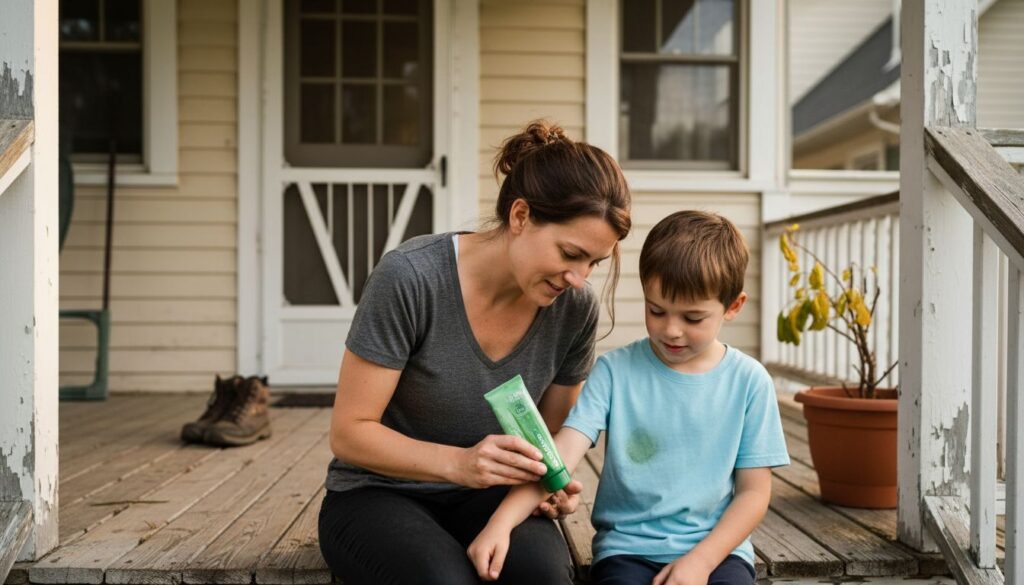
Every American parent faces those summer days when bug bites leave kids scratching and uncomfortable. Choosing the safest way to manage these bites matters, especially when avoiding harsh chemicals is a priority for your family’s well-being. This guide breaks down natural insect bite care, showing how gentle home techniques and plant-based remedies can relieve symptoms, support healing, and reduce chemical exposure so your family can enjoy the outdoors with peace of mind.
Table of Contents
- What Natural Insect Bite Care Means
- Conventional Treatments and Their Risks
- Common Natural Remedies and How They Work
- Health Benefits of Natural Ingredients
- Homemade Bug Repellent for yard
- Choosing Safer Options for Daily Families
Key Takeaways
| Point | Details |
|---|---|
| Natural Healing Focus | Emphasizes supporting the body’s natural healing processes over immediate symptom suppression. |
| Minimized Risks | Natural remedies reduce exposure to harmful chemicals and potential long-term health risks associated with conventional treatments. |
| Preventive Strategies | Encourages understanding insect environments and using protective clothing while employing natural repellents. |
| Family Safety | Advocates for age-appropriate, gentle insect bite prevention measures while considering individual sensitivities among family members. |
What It Means to Treat Bug Bites Naturally
Natural insect bite care represents a holistic approach to managing minor insect encounters that focuses on gentle, chemical-free healing techniques. Instead of immediately reaching for pharmaceutical treatments, this method emphasizes understanding your body’s natural response and supporting its healing processes through targeted, mild interventions.
The core principles of natural insect bite care include:
- Immediate clean wound management
- Reducing inflammation using non-chemical methods
- Promoting healing through topical plant-based treatments
- Supporting the body’s immune response
- Minimizing potential long-term chemical exposure
Technically, natural bite care involves treating mild symptoms at home using simple yet effective techniques.
This means washing the affected area thoroughly, applying cold compresses to reduce swelling, and utilizing natural topical treatments like calamine or herbal preparations. The goal isn’t just symptom management but supporting your body’s inherent healing capabilities.
The approach also strongly emphasizes prevention. Protective clothing, understanding local insect environments, and using natural bug repellent become key strategies. By being proactive and mindful, you can significantly reduce the likelihood of uncomfortable insect bite interactions.
Pro tip: Keep a small natural first aid kit with witch hazel, aloe vera gel, and baking soda for quick insect bite relief whenever you’re outdoors.
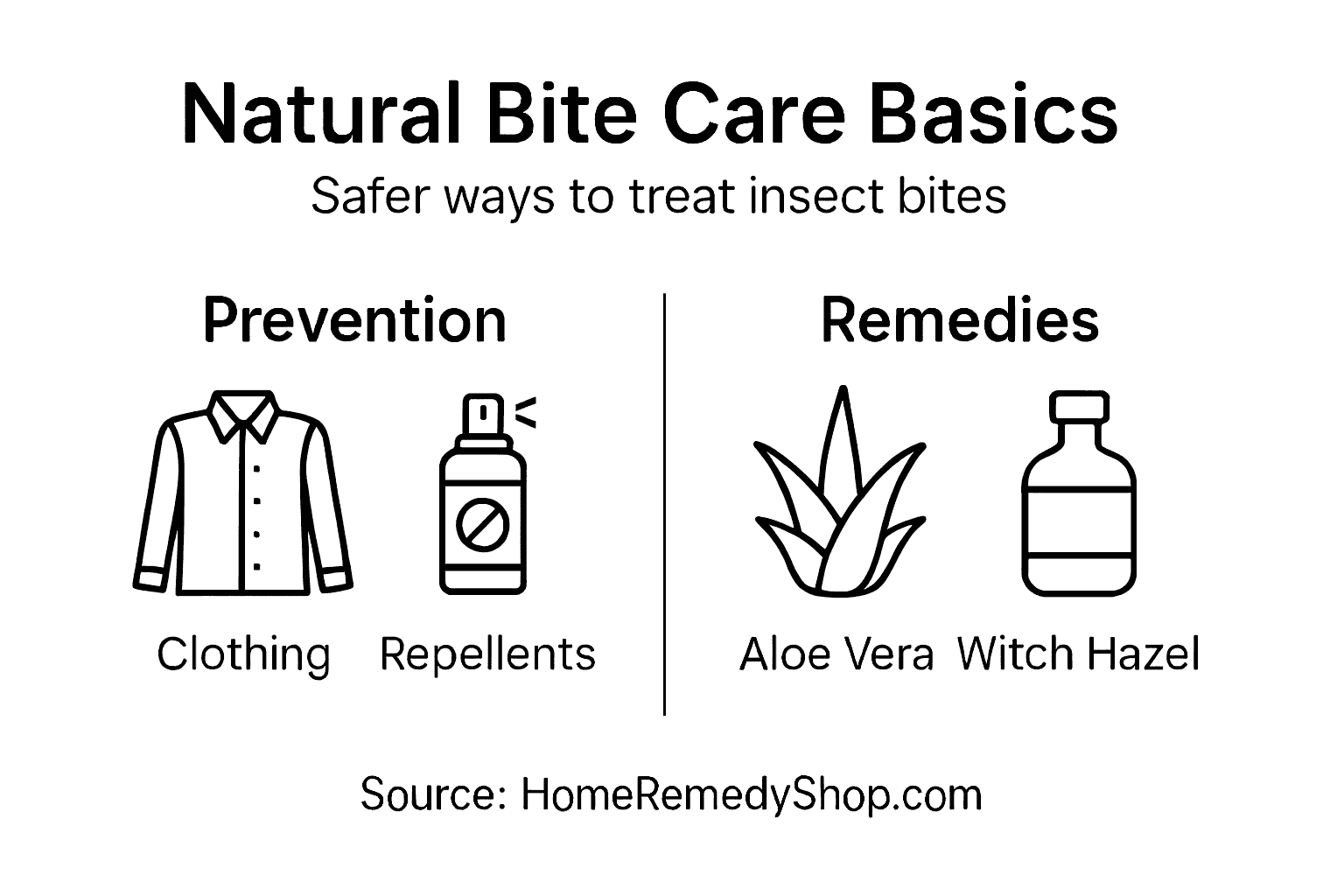
Pro tip: Keep a small natural first aid kit with witch hazel, aloe vera gel, and baking soda for quick insect bite relief whenever you’re outdoors.
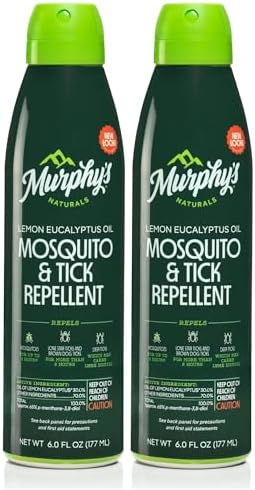
- LONG-LASTING PROTECTION – Our powerful spray repels mosquitoes for up to six hours, deer ticks for up to four hours, and…
- HOW IT WORKS – Oil of lemon eucalyptus masks your scent with a cool, refreshing aroma – making you ‘invisible’ to mosqui…
- 3 SIMPLE INGREDIENTS – Made only with oil of lemon eucalyptus, water, & corn-derived ethanol; Unlike DEET, our formula h…
Chemical Bug Treatments and Their Risks
Conventional insect bite treatments often involve a range of pharmaceutical interventions designed to quickly suppress symptoms. These approaches typically include over-the-counter medications and topical treatments that provide immediate relief but may carry potential long-term health implications. Conventional treatments frequently use synthetic chemicals that can interrupt the body’s natural healing processes.
The primary conventional treatment methods include:
- Topical hydrocortisone creams
- Oral antihistamine medications
- Chemical-based anti-itch treatments
- Synthetic pain relief medications
- Antibacterial ointments for potential infections
Most pharmaceutical treatments focus on rapid symptom management rather than holistic healing. Corticosteroid creams, for instance, can quickly reduce inflammation but may cause skin thinning with repeated use. Oral antihistamines provide itch relief but often come with side effects like drowsiness, dry mouth, and potential long-term immune system disruption.
Moreover, repeated use of conventional treatments can create potential health risks. Antibiotics might be prescribed for infected bites, but unnecessary use contributes to antibiotic resistance. Chemical repellents containing DEET, while effective at preventing insect encounters, have been linked to neurological issues when used extensively.
Here’s a useful comparison of natural versus conventional insect bite treatments:
| Aspect | Natural Approach | Conventional Approach |
|---|---|---|
| Core Principle | Supports body’s healing | Suppresses symptoms quickly |
| Main Ingredients | Plant-based, gentle | Synthetic chemicals |
| Risk of Side Effects | Minimal risk | Possible long-term risks |
| Immune Impact | Supports immune system | May weaken immunity |
| Environmental Impact | Eco-friendly | Chemical residues possible |
| Suitability for Children | Generally safe | Some restrictions possible |
Pro tip: Always consult healthcare professionals before prolonged use of any conventional insect bite treatment, especially for children or individuals with sensitive skin.
Common Natural Remedies and How They Work
How to Treat Bug Bites Naturally: Common Remedies That Work
Natural remedies for insect bites offer a gentle, holistic approach to managing skin irritation and discomfort. Safe home therapies provide targeted relief by addressing inflammation and supporting the body’s natural healing processes without harsh chemical interventions.
The most effective natural remedies include:
- Cold compresses to reduce swelling
- Baking soda paste for itch relief
- Calamine lotion to soothe skin irritation
- Witch hazel as a natural anti-inflammatory
- Aloe vera for cooling and healing
- Essential oils like lavender or tea tree for antiseptic properties
Each natural remedy works through unique mechanisms that support the body’s healing response. Cold compresses constrict blood vessels, reducing inflammation and numbing nerve endings. Baking soda neutralizes acidic compounds in insect venom, while calamine lotion creates a protective barrier that reduces itching and promotes healing. These approaches focus on supporting the skin’s natural recovery instead of suppressing symptoms.

Herbal and plant-based treatments offer additional benefits beyond immediate symptom relief. Many natural remedies contain compounds that actively support skin repair, reduce inflammation, and provide antimicrobial protection. Unlike synthetic treatments that mask symptoms, these approaches work with the body’s inherent healing capabilities.
This summary outlines common natural remedies and how each addresses insect bite discomfort:
| Remedy | Primary Effect | Additional Benefit |
|---|---|---|
| Cold compress | Reduces swelling | Eases pain and redness |
| Baking soda paste | Neutralizes venom | Calms itching sensation |
| Calamine lotion | Soothes skin | Helps healing barrier |
| Witch hazel | Decreases inflammation | Mild antimicrobial effect |
| Aloe vera gel | Cools and heals | Promotes skin repair |
Pro tip: Create a DIY natural first aid kit with key ingredients like baking soda, witch hazel, and pure aloe vera gel for quick and safe insect bite treatment.
How to Make Homemade Bug Repellent for Your Yard
Keeping bugs at bay doesn’t require harsh chemicals or expensive store-bought solutions. With a few simple ingredients, you can create an effective homemade bug repellent that’s both natural and budget-friendly.
DIY Bug Repellent Spray
To make your own bug repellent, you’ll need essential oils and a carrier substance. The carrier can be almond oil, coconut oil, or high-concentration alcohol—all of which help dilute and disperse the essential oils effectively.
Here’s how to make it:
Start with any spray bottle and fill approximately 1/5 of it with a mixture of citronella essential oil, eucalyptus essential oil, and if available, basil essential oil. Then top off the bottle with your chosen carrier: coconut oil, almond oil, or high-concentration alcohol.
Once mixed, you can easily spray this solution around your plants, hedges, and the perimeter of your house. It works remarkably well at keeping insects away. For best results, spray around your windows and doors—bugs typically won’t even attempt to come inside when they encounter this natural barrier.
Bug-Repelling Plants for Your Yard
Enhance your yard’s natural defenses by planting bug-repelling plants directly in your garden. Citronella and basil both grow quite easily starting in springtime and will complement your spray’s repellent effect. These plants not only help keep bugs away but also add greenery and, in the case of basil, provide fresh herbs for your kitchen. Planting them strategically around outdoor seating areas or near entry points to your home creates multiple layers of protection against unwanted insects.
Health Benefits of Natural Ingredients
Natural ingredients offer a powerful alternative to synthetic insect bite treatments, providing holistic healing without the potential side effects of chemical interventions. Plant-based compounds demonstrate remarkable protective properties that support the body’s inherent healing mechanisms while offering effective insect bite management.
Key health benefits of natural ingredients include:
- Reduced chemical exposure
- Gentle, non-invasive healing support
- Antimicrobial protection without harsh compounds
- Enhanced skin repair capabilities
- Support for the body’s natural immune response
- Minimal risk of allergic reactions
Specific natural ingredients like coconut oil fatty acids and essential oils provide unique protective mechanisms. Lemon eucalyptus oil, for instance, contains compounds that actively repel insects while supporting skin health. These natural alternatives work by creating protective barriers and neutralizing potential irritants, unlike synthetic treatments that often mask symptoms without addressing underlying inflammatory responses.
Research continues to validate the effectiveness of plant-derived compounds. Some natural ingredients have shown comparable or even superior protection compared to traditional chemical repellents, demonstrating that nature offers powerful solutions for daily insect bite care. By choosing natural ingredients, individuals can support their health while minimizing exposure to potentially harmful synthetic chemicals.
Pro tip: Rotate different natural ingredients to prevent insects from developing resistance and to maximize your body’s protective responses.
Homemade Bug Repellent for yard
Choosing Safer Options for Daily Families
Families seeking safer insect bite protection need a comprehensive approach that balances effectiveness with minimal health risks. Proven EPA-registered repellent strategies offer practical solutions for protecting loved ones without overwhelming chemical exposure.
Key considerations for family-safe insect bite prevention include:
- Selecting age-appropriate repellent options
- Limiting chemical concentration levels
- Using protective clothing strategically
- Eliminating potential insect breeding sites
- Understanding individual family members’ sensitivities
- Rotating natural and minimal-chemical solutions
Parents should prioritize repellents with carefully evaluated ingredients like Picaridin, oil of lemon eucalyptus, and IR3535, which provide protection while minimizing potential adverse reactions. These options work effectively without subjecting children to excessive synthetic chemicals, focusing on gentle yet powerful insect bite prevention approaches that support overall family health.
Proper application techniques matter as much as product selection. This means applying repellents sparingly, avoiding direct skin saturation, and combining topical treatments with physical barriers like long-sleeved clothing and mesh screens. By creating a multi-layered protection strategy, families can significantly reduce insect bite risks while maintaining a natural, holistic approach to daily care.
Pro tip: Create a family insect protection kit with multiple gentle repellent options and keep a log of each family member’s individual sensitivities.
Discover Safe and Effective Natural Insect Bite Care Today
Managing insect bites naturally means choosing gentle, plant-based remedies that support your body’s healing without exposing you to harsh chemicals or unwanted side effects. If you want to reduce inflammation, soothe irritation, and protect your family’s health with proven holistic solutions this is where your journey begins. Homeremedyshop.com offers expert guides and carefully selected natural products designed to help you treat insect bites safely while enhancing your overall well-being.
Explore our extensive collection of natural remedies and wellness tips at Homeremedyshop.com now. Take control of your insect bite care with trusted information and herbal treatments that work in harmony with your body. Don’t wait until discomfort takes over start your path to safer daily care and enjoy relief the natural way today.
Frequently Asked Questions
What are the benefits of treating insect bites naturally?
Natural treatments for insect bites reduce chemical exposure, promote gentle healing, and support the body’s natural immune response while minimizing the risk of side effects.
How do natural remedies for insect bites work?
Natural remedies, such as cold compresses and aloe vera, work by reducing inflammation, soothing irritation, and promoting skin repair without harsh chemicals.
What are some effective natural treatments for insect bites?
Popular natural treatments include cold compresses, baking soda paste, calamine lotion, witch hazel, aloe vera, and essential oils like lavender or tea tree for their soothing and antimicrobial properties.
Why should I avoid conventional insect bite treatments?
Conventional treatments often involve synthetic chemicals that can mask symptoms without addressing the underlying cause and may pose long-term health risks, such as immune disruption and skin damage.
Recommended
- 37 Natural Ways for Healing Bug Bites at Home in 2022
- Why Natural Insect Repellents Matter for Families – Home Remedies
- 39 Home Remedies for Mosquito Bite – Home Remedies
- How to Treat a Spider Bite: 5 Home Tips – Home Remedies
- Healthy Natural Hair Products: Better Growth and Safety | MyHair
