
Plantar Fasciitis Relief: Stretches, Exercises and How to Get Rid of It

Written by Montoya Sigafoose, founder of Home Remedy Shop · Medically reviewed by Veronique Claes d’Erckenteel, D.C., chiropractor since 1991 · Last reviewed: 27 October 2026
Just like anything in the body that is strained, plantar fasciitis needs rest. The way to get rid of plantar fasciitis is to give it time and exercise differently for a while, swimming or cycling instead of running or long walks, until the strain has relieved. Meanwhile, release the plantar tension every day with my moon stretch, do stretches and exercises for plantar fasciitis (a plantar fascia stretch, calf stretches and heel raises), roll your foot over a frozen water bottle for pain, use a heat cream before stretching, and buy gel soles to cushion your heels. Most plantar fasciitis heals within a few months to a year with these home remedies. See a doctor if you can’t walk on it, the pain followed a pop, or it isn’t better after 6 weeks.
Plantar fasciitis is the most common cause of heel pain. The plantar fascia is a thick band of tissue that runs under your foot from the heel to the toes and supports your arch. When it’s overloaded, it gets irritated and painful right where it attaches to the heel. The typical sign: a stabbing pain under the heel with your first steps in the morning or after sitting, which eases as you move and comes back after a long day. For more foot care, see our guide to home remedies for calluses, or browse all our natural home remedies.
The short version
- Rest: give the strain time, and exercise differently for a while.
- Release: the moon stretch, a couple of times a day.
- Stretch and strengthen: plantar fascia stretch, calf stretch, heel raises.
- Pain relief: roll a frozen water bottle under your arch.
- Warmth: a heat cream before stretching.
- Support: gel soles and good, cushioned shoes; no walking barefoot on hard floors.
See a doctor the same day if the pain started suddenly with a pop or snap, you can’t put weight on your foot, or the heel is red, hot and swollen, especially with a fever. See a doctor or physiotherapist if you have numbness, tingling or burning in the foot (a pinched nerve), pain at night or at rest, pain in both heels with joint pain elsewhere, heel pain in a child, if you have diabetes, or if there’s no improvement after 6 weeks of home care. Don’t run through the pain.
Table of Contents
- What Causes Plantar Fasciitis?
- Plantar Fasciitis With Calcaneal Spur
- How to Get Rid of Plantar Fasciitis: Rest First
- Releasing Plantar Tension: My Moon Stretch
- Stretches Exercises for Plantar Fasciitis
- Plantar Fasciitis Frozen Water Bottle
- More Plantar Fasciitis Relief at Home
- My Daily Plantar Fasciitis Routine
- Frequently Asked Questions
What Causes Plantar Fasciitis?
Plantar fasciitis is an overload injury: the fascia gets more strain than it can handle, tiny tears form and the tissue thickens and becomes painful (Trojian and Tucker, 2019). Common causes and risk factors:
- Running, jumping or a sudden increase in walking or training.
- Standing for many hours on hard floors.
- Tight calf muscles or a stiff ankle.
- Flat feet or high arches.
- Worn-out, flat or unsupportive shoes, and walking barefoot on hard floors.
- Extra body weight: a higher BMI is strongly linked to chronic heel pain (Irving et al., 2006).
- Age between 40 and 60.
Plantar Fasciitis With Calcaneal Spur
A calcaneal spur (heel spur) is a small bony point at the front of the heel bone, where the plantar fascia and the small foot muscles attach. It shows up on an X-ray and often appears together with plantar fasciitis, as a result of years of pulling on the heel bone. Many people have a heel spur without any pain at all, and researchers still debate how much the spur itself causes pain (Kirkpatrick et al., 2017). The pain usually comes from the irritated fascia around it.
The good news: plantar fasciitis with a calcaneal spur is treated in exactly the same way. The spur doesn’t need to disappear for the pain to go. Rest, release, stretching, a frozen water bottle, heat and gel soles with a soft heel cushion take the strain off the area. Surgery to remove a spur is rarely needed.
How to Get Rid of Plantar Fasciitis: Rest First

Just like anything in the body that is strained, you need to rest. Give yourself some time, and try to exercise differently for a while until the strain has relieved.
- Swap your sport: swim, cycle, row or do upper-body workouts instead of running, jumping or long hikes.
- Shorten your walks and avoid hills and stairs for a few weeks.
- Don’t stand still for hours: shift your weight, sit when you can, and use a cushioned mat at work.
- No barefoot walking on hard floors: wear supportive slippers or shoes at home, also first thing in the morning.
- Come back slowly: when your morning pain is gone, build up walking and running gradually over several weeks.
Rest doesn’t mean doing nothing: keep up the gentle stretches and exercises below. The 2023 clinical guidelines for heel pain recommend stretching, strengthening, supportive shoes and insoles, and taping or night splints as the first treatments (Koc et al., 2023). Most people recover within a few months; some need up to a year.
Releasing Plantar Tension: My Moon Stretch
This is the exercise I use to release the plantar tension. Sit down and take your shoe off.
- Make a moon: bend the sole of your foot into the shape of a moon, toes pointing down, and tense it as much as you can.
- Hold: hold the tension for 5 counts.
- Let go: release the tension completely.
- Toes up and rub: pull your toes upward and give the sole of your foot a good rub with your hand, from the heel to the toes.
- Repeat: do this a couple of times, several times a day, and always before your first steps in the morning.
Stretches Exercises for Plantar Fasciitis
Do these stretches and exercises for plantar fasciitis daily. Gentle discomfort is fine; sharp pain means you’re pushing too hard.
1. Plantar fascia stretch
The classic stretch for plantar fasciitis, and the one to do before your first steps in the morning.
- Sit and cross the painful foot over your other knee.
- Hold your toes and pull them back towards your shin until you feel a stretch in the arch.
- Hold for 10 seconds, 10 times, 3 times a day.
What the research says: A plantar fascia-specific stretch improved pain and function more than a calf stretch alone, with benefits lasting 2 years (DiGiovanni et al., 2006).
2. Calf stretch against the wall
Tight calves pull on the heel and strain the plantar fascia.
- Hands on a wall, painful leg behind, heel on the floor.
- Lean forward with the back knee straight until you feel the calf stretch; hold 30 seconds.
- Then bend the back knee slightly to stretch the lower calf; hold 30 seconds.
- 3 times each, 2 to 3 times a day.
3. Towel stretch before getting up
Morning pain is worst because the fascia tightens overnight.
- Before you get out of bed, loop a towel around the ball of your foot.
- Keep your knee straight and gently pull the towel towards you for 30 seconds.
- Repeat 3 times on each foot.
4. High-load heel raises
Strengthening the fascia, not only stretching it, helps it heal.
- Stand on a step with a rolled towel under your toes, so they bend upwards.
- Rise up on your toes on the painful foot (hold on for balance): 3 seconds up, 2 seconds at the top, 3 seconds down.
- Start with 3 sets of 12 every other day; add weight in a backpack as you get stronger.
What the research says: This simple progressive strength exercise gave better results at 3 months than stretching alone (Rathleff et al., 2015).
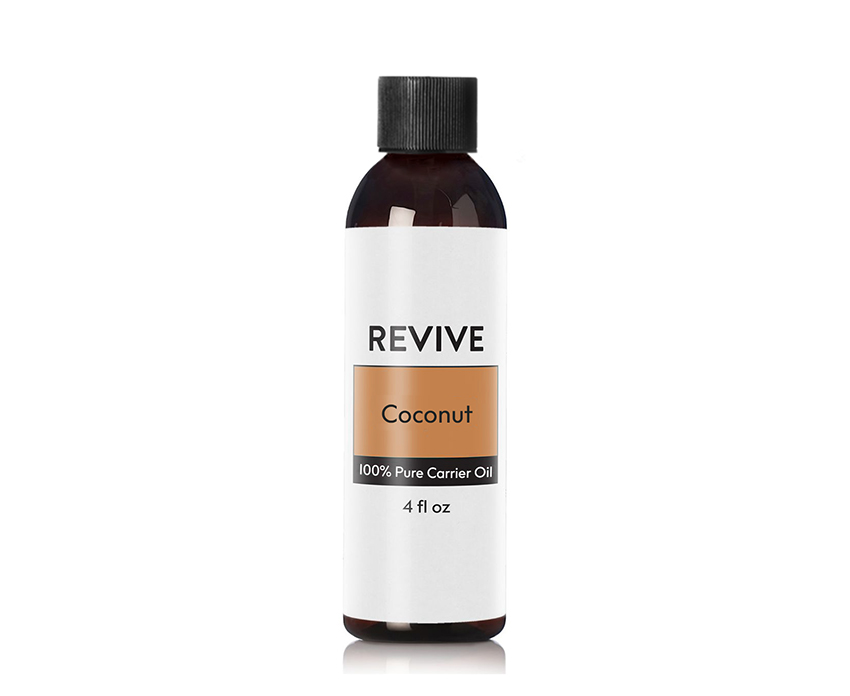
Make your own warming foot cream
The base for my heat rub
A warming cream relaxes the tight plantar fascia and calf muscles before you stretch. You can make your own: a light carrier oil with a few drops of warming essential oils like black pepper, ginger or eucalyptus, massaged into the arch and heel.
- 1 tablespoon of carrier oil with 3 to 5 drops of black pepper, ginger or eucalyptus oil
- Massage into the sole and calf for 5 minutes before stretching
- Not on broken skin; wash your hands afterwards
- Eucalyptus not for children under 2
Affiliate link: we may earn a small commission at no extra cost to you.
5. Towel curls
Strong toe and arch muscles support the plantar fascia.
- Sit with a towel flat on the floor under your foot.
- Scrunch it towards you with your toes, then push it away.
- 2 minutes, twice a day.
6. Marble pick-ups
A playful way to train the small muscles in the foot.
- Pick up 20 marbles with your toes and put them in a bowl.
- Do it once a day on each foot.
7. Ball roll
A massage and stretch in one.
- Roll a tennis ball, golf ball or massage ball under your arch for 2 to 3 minutes.
- Press as firmly as is comfortable, from heel to toes.
8. Ankle circles and alphabet
Keeps the ankle mobile so the foot moves the way it should.
- Draw the alphabet in the air with your big toe.
- Or make 10 slow circles in each direction.
Plantar Fasciitis Frozen Water Bottle
The plantar fasciitis frozen water bottle trick combines ice and massage, and it’s one of the quickest ways to calm the pain after a long day.
- Fill a plastic water bottle three-quarters full and freeze it.
- Sit down and roll it slowly under your arch, from the heel to the toes, for 5 to 10 minutes.
- Put a thin sock or cloth on if it feels too cold.
- Use it in the evening or after exercise, up to 3 times a day.
- Skip ice if you have poor circulation, Raynaud’s or numb feet.
Ice is for pain relief; the stretches and rest are what heal the fascia. Many people like ice in the evening and heat in the morning.
More Plantar Fasciitis Relief at Home
Heat Cream

Heated cream helps. A warming cream relaxes the tight fascia and calf muscles and brings blood flow to the area, so use it before your stretches, especially in the morning. Choose a warming muscle cream, or make your own: a tablespoon of carrier oil with 3 to 5 drops of black pepper, ginger or eucalyptus oil, or a pinch of cayenne pepper mixed into coconut oil. Massage it into the sole and calf for 5 minutes, then wash your hands. Patch-test first, and keep it away from broken skin.
Gel Soles
Buy gel soles. Silicone gel insoles cushion your heel with every step and take the strain off the fascia. In a trial, full-length silicone insoles worked about as well as an injection, and the researchers recommended them as the first treatment (Yucel et al., 2013). Choose full-length gel soles or gel heel cups, and wear them in every pair of shoes you use, including at home.
Supportive Shoes
Wear shoes with a cushioned heel, good arch support and a slight heel rise. Replace running shoes every 500 to 800 km. Avoid flat ballerinas, flip-flops and worn-out shoes.
Night Splint
A night splint keeps your foot flexed upwards while you sleep, so the fascia doesn’t tighten overnight and morning pain is lower. Night splints improved chronic plantar fasciitis in a trial (Powell et al., 1998).
Foot Massage and Epsom Salt
Massage the arch with your thumbs for 5 minutes, or soak your feet in warm water with half a cup of Epsom salt for 15 minutes in the evening to relax tired feet; see also sore feet.
Anti-Inflammatory Foods
Support healing from the inside with omega-3 rich foods (oily fish, flaxseed, walnuts), ginger, turmeric, green vegetables and berries, and less sugar and processed food. A healthy weight takes a lot of strain off your heels; see our alkaline diet list.
Other foot problems: swollen feet, numbness in the feet and cracked heels.
My Daily Plantar Fasciitis Routine
Put it all together and your day looks like this:
- Before getting up: the moon stretch and a towel stretch, a couple of times each foot.
- Morning: warming cream on the sole and calf, then the plantar fascia stretch and calf stretches. Supportive slippers or shoes with gel soles on straight away.
- During the day: gel soles in every pair of shoes; sit when you can; roll a ball under your arch at your desk; swap your run for a swim or bike ride until the strain has relieved.
- Every other day: heel raises with a towel under your toes, towel curls and marble pick-ups.
- Evening: roll your foot over the frozen water bottle for 5 to 10 minutes, or soak your feet in warm water with Epsom salt and massage the arch.
- At night: a night splint if your morning pain is severe.
Keep the routine going for at least 6 to 8 weeks. Once your first steps in the morning are pain-free, slowly build your walking, standing and running back up over several weeks.
Frequently Asked Questions
How do you get rid of plantar fasciitis?
Rest and exercise differently for a while, release the plantar tension and stretch daily, roll a frozen water bottle under your arch, use heat before stretching, and wear gel soles and supportive shoes. Most cases heal within a few months.
What are the best stretches and exercises for plantar fasciitis?
The plantar fascia stretch (pulling your toes back), calf stretches against a wall, a towel stretch before getting up, heel raises with a towel under your toes, towel curls and rolling a ball under your arch.
Does a frozen water bottle help plantar fasciitis?
Yes, for pain relief. Roll a frozen bottle under your arch for 5 to 10 minutes after a long day. It eases the pain; stretching and rest heal the fascia.
How do you treat plantar fasciitis with a calcaneal spur?
The same way as plantar fasciitis: rest, stretching, ice, heat and gel soles with a soft heel cushion. The pain comes mostly from the fascia, not the spur, and surgery is rarely needed.
How long does plantar fasciitis take to heal?
Usually a few months; sometimes up to a year. Starting rest and stretches early shortens it.
Why does plantar fasciitis hurt most in the morning?
The fascia tightens overnight, and the first steps stretch it suddenly. Do the moon stretch and a towel stretch before you get out of bed.
Is heat or ice better for plantar fasciitis?
Both help: heat cream before stretching in the morning, and ice or a frozen water bottle for pain in the evening.
Do gel insoles help plantar fasciitis?
Yes. Silicone gel insoles cushion the heel and worked about as well as an injection in a trial. Wear them in all your shoes.
Should I keep walking with plantar fasciitis?
Walk less and in supportive shoes, and switch to swimming or cycling for exercise until the strain has relieved. Avoid walking barefoot on hard floors.
Recommended
- Home Remedies for Calluses
- Home Remedies for Sore Feet
- Swollen Feet and Ankles
- More natural home remedies
Some links on this page are affiliate links, marked as such. If you buy through them, we may earn a small commission at no extra cost to you. This article is for general information and does not replace a diagnosis from a qualified professional. Read our medical disclaimer or browse more natural remedies.

Your positivity and optimism are contagious It’s evident that you genuinely care about your readers and their well-being