

Most American adults hoping to manage gout at home are surprised to learn that less than 20 percent of patients can clearly link their flare-ups to traditional triggers like alcohol or red meat. Gout remains misunderstood, with many believing it’s simply a diet issue when genetics and lifestyle also play big roles. This article explores holistic strategies, debunks common myths, and provides practical solutions for reducing pain and inflammation without relying on medications.
Table of Contents
- Defining Gout And Common Misconceptions
- Types Of Gout And Triggering Factors
- PH Balance Protocols For Arthritis Relief
- Dietary Changes And Natural Supplements
- Barefoot Shoes And Lifestyle Modifications
- Risks, Mistakes, And Medical Guidance
Key Takeaways
| Point | Details |
|---|---|
| Understanding Gout | Gout is an inflammatory condition caused by high uric acid levels, affecting men and postmenopausal women, often targeting the big toe. Multiple risk factors, beyond diet, contribute to its development. |
| Gout Progression Stages | There are four stages of gout: Asymptomatic Hyperuricemia, Acute Gouty Arthritis, Intercritical Gout, and Chronic Tophaceous Gout, each with different symptoms and risks for joint damage. |
| Dietary Management | Managing gout involves strategic dietary changes, emphasizing plant-based foods and hydration while offering potential benefits from supplements like cherry juice and Omega-3 fatty acids. |
| Footwear and Joint Health | Using appropriate footwear, such as barefoot or minimalist shoes, can support joint health, reduce stress, and improve mobility in individuals with gout. |
Defining Gout and Common Misconceptions
Gout is a complex form of inflammatory arthritis characterized by sudden, intense joint pain and swelling primarily caused by elevated uric acid levels. Inflammatory episodes in gout are marked by rapid-onset joint inflammation that can significantly disrupt daily life and mobility.
This condition predominantly affects men and postmenopausal women, with a particular tendency to target the big toe joint. While many people mistakenly believe gout is simply a result of diet, the reality is far more nuanced. The disorder involves monosodium urate crystal deposition in joints and surrounding tissues, creating painful inflammatory responses that can be both acute and chronic.
Common misconceptions about gout include the belief that it only affects older individuals or is exclusively linked to diet. In reality, multiple risk factors contribute to gout development, including:
- Male sex
- Obesity
- Hypertension
- Regular alcohol consumption
- Chronic kidney disease
- Genetic predispositions
- Diets rich in meat and seafood
- Frequent consumption of fructose-rich beverages
Diagnosis typically involves clinical evaluation and may require synovial fluid analysis to confirm the presence of urate crystals. Treatment approaches range from managing acute inflammatory episodes to long-term urate-lowering therapies that help prevent recurring attacks.
Pro Tip: Consider tracking your dietary habits and uric acid levels through regular medical check-ups to identify potential gout risk factors early and implement preventative strategies.
Types of Gout and Triggering Factors
Gout is not a uniform condition but a complex inflammatory disorder with multiple manifestations that can significantly impact joint health. Research indicates that most individuals with gout struggle to identify specific attack triggers, making management particularly challenging for patients.
Generally, medical professionals recognize four distinct stages of gout progression:
- Asymptomatic Hyperuricemia: Elevated uric acid levels without visible symptoms
- Acute Gouty Arthritis: First painful inflammatory episodes
- Intercritical Gout: Periods between acute attacks
- Chronic Tophaceous Gout: Advanced stage with permanent joint damage
Comprehensive research reveals multiple complex triggering factors for gout attacks, which extend far beyond traditional dietary assumptions. These triggers include:
- Alcohol consumption
- Red meat and seafood intake
- Physical injury
- Extreme weather conditions
- Dehydration
- Emotional stress
- Surgical procedures
- Significant physical fatigue
Interestingly, less than 20% of patients can definitively link their gout attacks to conventional triggers like alcohol or specific food groups. The condition’s complexity underscores the importance of personalized medical approaches and comprehensive lifestyle management.
To clarify the differences in gout progression, here is a summary table of each stage and its clinical features:
| Gout Stage | Description | Symptoms Present | Risk of Joint Damage |
|---|---|---|---|
| Asymptomatic Hyperuricemia | High uric acid, no symptoms | None | Low, but can progress |
| Acute Gouty Arthritis | First inflammatory episodes | Sudden severe pain | Possible with recurrence |
| Intercritical Gout | Between acute attacks | Usually symptom-free | Gradual if unmanaged |
| Chronic Tophaceous Gout | Advanced, ongoing inflammation | Persistent pain, tophi | High, often irreversible |
Pro Tip: Maintain a detailed symptom and dietary journal to help identify your unique gout triggers and develop a personalized prevention strategy.
PH Balance Protocols for Arthritis Relief
PH balance represents a critical yet often overlooked component in managing inflammatory conditions like arthritis. Understanding the intricate relationship between acid-base balance and bodily systems is essential for developing comprehensive relief strategies.
The human body maintains a delicate blood pH range between 7.35 and 7.45, with even slight deviations potentially triggering inflammatory responses. Key factors influencing PH balance include:
- Proper hydration levels
- Balanced electrolyte consumption
- Optimal renal function
- Dietary nutrient intake
- Regular physical activity
- Stress management techniques
Clinical treatment guidelines emphasize the importance of comprehensive management that extends beyond traditional medication. While no standardized PH balance protocol exists specifically for arthritis, holistic approaches can help mitigate inflammatory responses and support overall joint health.
Implementing an alkaline-focused diet, reducing inflammatory food triggers, maintaining consistent hydration, and practicing stress reduction techniques can contribute to more stable internal PH levels. These strategies work synergistically to support the body’s natural healing mechanisms and potentially reduce arthritis-related inflammation.

Pro Tip: Consider using pH testing strips to monitor your body’s acid-base balance and track how dietary changes impact your overall inflammatory response.
Dietary Changes and Natural Supplements
Gout management requires a strategic approach to diet and supplementation that goes beyond simple food restrictions. A systematic review of randomized controlled trials reveals complex interactions between dietary supplements and gout symptoms, highlighting the nuanced nature of nutritional interventions.
Key dietary modifications for managing gout include:
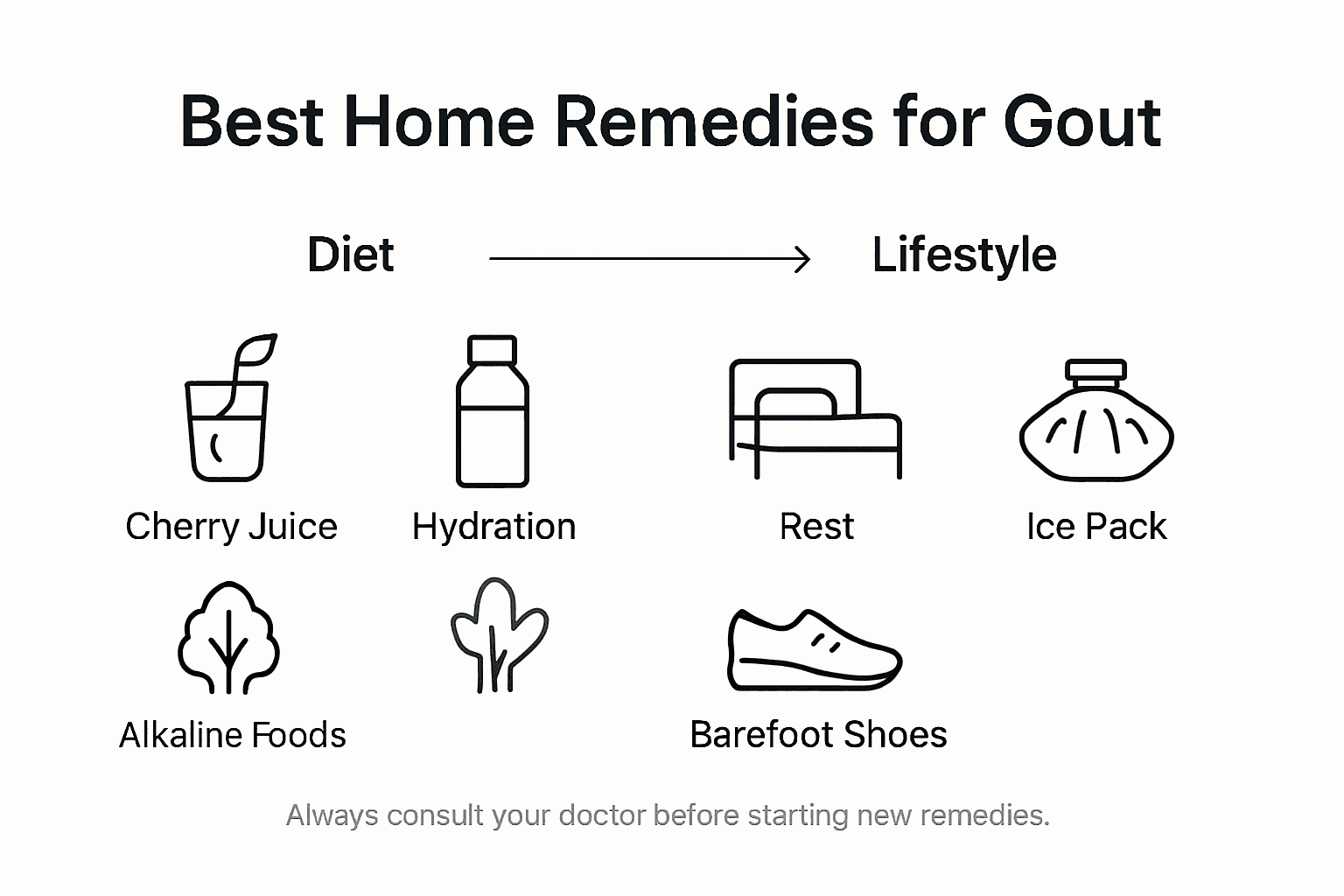
- Emphasizing plant-based foods
- Choosing whole grains
- Selecting low-fat dairy products
- Limiting high-purine proteins
- Avoiding alcohol and sugary beverages
- Maintaining consistent hydration
Lifestyle changes can significantly impact gout flare frequency and severity, with several natural supplements showing potential promise. Promising supplements include:
- Cherry juice/extract
- Omega-3 fatty acids
- Vitamin C
- Traditional Chinese medicine formulations
Research suggests that while these supplements demonstrate potential benefits, results remain mixed. The most effective approach combines targeted dietary changes, careful supplementation, and professional medical guidance. Individual responses vary, making personalized strategies crucial for managing gout symptoms effectively.
Pro Tip: Keep a detailed food and symptom journal to identify your unique dietary triggers and track the effectiveness of nutritional interventions.
Barefoot Shoes and Lifestyle Modifications
Barefoot shoes represent a revolutionary approach to foot health and joint management for individuals struggling with gout and arthritis. Medical research supports the potential benefits of minimalist footwear in reducing joint stress and improving biomechanical function, offering a promising alternative to traditional restrictive shoes.
Key considerations for selecting appropriate footwear include:
- Ensuring a roomy toe box
- Providing solid ankle support
- Incorporating cushioning
- Utilizing rocker sole designs
- Allowing natural foot movement
- Supporting overall joint health
Appropriate shoe selection plays a crucial role in managing arthritis-related joint pain and maintaining mobility. Different shoe types offer unique benefits:
Below, find a comparison of footwear types and their potential impact on joint health for those with arthritis or gout:
| Shoe Type | Joint Support Level | Biomechanical Benefits |
|---|---|---|
| Stability Shoes | High, controls motion | Reduces overpronation |
| Neutral Sneakers | Moderate, balanced | Even weight distribution |
| Minimalist Shoes | Low, maximum flexibility | Encourages natural gait |
| Rocker Sole Shoes | High, offloads pressure | Eases movement for stiff joints |
- Stability shoes help control foot motion
- Neutral sneakers provide balanced support
- Minimalist shoes encourage natural foot mechanics
- Rocker sole shoes reduce joint loading
Transitioning to barefoot or minimalist shoes requires a gradual approach. Sudden changes can potentially cause additional stress on joints, so it’s essential to introduce new footwear slowly and monitor your body’s response. Consulting with a healthcare professional can help you develop a personalized strategy that addresses your specific gout and joint health needs.
Pro Tip: Begin your barefoot shoe transition with short walks and gradually increase duration, paying close attention to your body’s comfort and joint response.
Risks, Mistakes, and Medical Guidance
Gout management requires a comprehensive understanding of potential risks and strategic medical intervention. Current medical recommendations emphasize the critical importance of patient education and early treatment protocols, highlighting the complex nature of managing this inflammatory condition.
Common mistakes individuals make when managing gout include:
- Ignoring early warning signs
- Inconsistent medication adherence
- Delaying professional medical consultation
- Neglecting lifestyle modifications
- Misunderstanding treatment protocols
- Underestimating the importance of diet
Medical management of gout involves distinguishing between acute flare treatment and long-term urate reduction strategies. Key risks associated with improper management include:
- Progressive joint damage
- Tophi formation
- Increased cardiovascular risk
- Chronic inflammation
- Reduced mobility
- Potential kidney complications
Proper medical guidance requires a holistic approach that addresses individual patient needs. This includes comprehensive lifestyle counseling, careful medication management, regular monitoring of uric acid levels, and proactive management of associated comorbidities. Patients should work closely with healthcare professionals to develop personalized treatment plans that address their unique physiological and lifestyle factors.
Pro Tip: Schedule regular follow-up appointments and maintain a detailed health journal to help your healthcare provider track your gout progression and treatment effectiveness.
Take Control of Gout Pain with Natural Home Remedies Today
Living with gout means facing sudden, intense joint pain and inflammation that can disrupt your daily life. This article highlights how complex gout triggers are and why managing uric acid, diet, and lifestyle is essential for effective relief. If you struggle with identifying your unique gout triggers or want to explore natural ways to reduce inflammation and support joint health, now is the perfect time to take charge.
Discover proven herbal supplements and natural remedies designed to complement your gout management plan at Homeremedyshop.com. Our carefully selected products and evidence-based guides empower you to implement holistic wellness strategies like pH balancing, dietary changes, and stress reduction. Start your journey towards fewer flare-ups and enhanced mobility now by visiting natural remedies for gout and exploring how traditional therapies can work alongside your medical care. Don’t wait to find relief—your path to better joint health begins today.
Frequently Asked Questions
What are some effective home remedies for gout?
Home remedies for gout often include dietary changes such as increasing hydration, consuming cherry juice, and incorporating omega-3 fatty acids from fish or flaxseed. Utilizing anti-inflammatory foods and spices like turmeric and ginger can also provide relief.
How can hydration help manage gout symptoms?
Staying well-hydrated helps dilute uric acid levels in the blood, which can reduce the likelihood of crystal formation in joints. Aim to drink plenty of water throughout the day to support kidney function and flush out excess uric acid.
Are there specific foods I should avoid with gout?
Yes, individuals with gout should limit high-purine foods, which include red meats, organ meats, and certain seafood like sardines and scallops. Additionally, avoiding alcohol and sugary beverages can help manage symptoms effectively.
How does stress impact gout attacks?
Emotional stress can trigger gout attacks by increasing inflammation in the body and potentially elevating uric acid levels. Practicing stress management techniques such as mindfulness, yoga, and regular physical activity can help mitigate these risks.
Recommended
- 15 Home Remedies for Gout Pain – Home Remedies
- 23 Home Remedies for Gout that Really Work – Home Remedies
- 5 Home Remedies for Gout in Knee – Home Remedies
- 15 Helpful Home Remedies for Arthritis and Pain Relief – Home Remedies
