
Head Cold: Symptoms, Stages and 20 Home Remedies to Get Rid of It Fast

Written and medically reviewed by Veronique Claes d’Erckenteel, D.C., chiropractor since 1991 · Last reviewed: 19 October 2026
A head cold is a viral infection of your nose and throat that usually lasts 7 to 10 days. There’s no switch to turn it off, but you can get rid of a head cold faster by helping your immune system do its job: sleep and rest, plenty of warm fluids, salt water rinses for your nose, steam with eucalyptus, honey for the throat, and vitamin C, zinc lozenges and herbs like echinacea or andrographis started in the first 24 to 48 hours. You’re most contagious in the first two to three days. See a doctor for a high fever, trouble breathing, severe face pain or a cold that gets worse after a week.
It starts with a scratchy throat and a sneeze. By the next day your head feels stuffed with cotton wool, your nose runs like a tap, you can’t taste your food and every thought takes twice as long. A head cold isn’t dangerous, but it can knock you flat for a week.
Here’s what’s really going on: more than 100 different viruses can cause a cold, rhinoviruses most of all. There’s no medicine that kills them. What clears a cold is your own immune system, and that’s exactly where natural remedies help: they support your body, ease the symptoms and help you rest while it does the work. This guide is part of our cough series; if your cold has turned into a cough, start with how to stop coughing.
The short version
- A head cold is a virus; your immune system clears it in 7 to 10 days.
- Act early: zinc lozenges, echinacea or andrographis work best in the first 24 to 48 hours.
- Sleep, rest and warm fluids are the foundation.
- Salt water rinses, steam and eucalyptus open a blocked head.
- Honey and warm teas soothe the throat and cough.
- Most contagious in the first 2 to 3 days: wash your hands and keep your distance.
- A cold that gets worse after a week, a high fever or severe face pain needs a doctor.
Table of Contents
- What Is a Head Cold?
- Head Cold Symptoms and Signs
- Head Cold Stages: Incubation and Timeline
- How Long Is a Head Cold Contagious?
- Head Cold, Flu, Allergies or Sinusitis?
- How to Get Rid of a Head Cold Fast
- 20 Head Cold Remedies at Home
- Head Cold Headache, Clogged Ears and Fever
- Summer Head Cold
- Head Cold Remedies in Pregnancy
- Head Cold in Children
- How to Catch Fewer Colds
- When to See a Doctor
- Frequently Asked Questions
What Is a Head Cold?
A head cold is the everyday name for the common cold: a viral infection of the upper airways, your nose, sinuses and throat. “Head cold” simply describes where you feel it: a blocked or runny nose, pressure in the head, sneezing and a sore throat, without the chest symptoms of a chest cold. When the infection moves lower and settles on your chest, it becomes a chest cold; see chest congestion relief.
Because so many different viruses cause colds, and new ones keep appearing, your body never becomes immune to all of them. That’s why adults catch two to four colds a year and young children many more.
Head Cold Symptoms and Signs
- A scratchy or sore throat, often the very first sign
- Sneezing
- A runny nose, clear at first, often thicker and yellow or green after a few days (that’s normal and doesn’t mean you need antibiotics)
- A blocked, stuffy nose and pressure in the head
- A mild headache
- Watery eyes and clogged ears
- Losing your sense of taste and smell
- Tiredness and feeling “foggy”
- A cough, often in the second half of the cold
- A slight temperature, more common in children than adults
Head Cold Stages: Incubation and Timeline
| Stage | When | What you feel |
|---|---|---|
| Incubation | 1 to 3 days after catching it | Nothing yet, but you can already pass it on. |
| Early | Days 1 to 3 | Scratchy throat, sneezing, runny nose, tiredness. The best moment to start remedies. |
| Peak | Days 3 to 5 | Blocked head, thick mucus, headache, worst feeling. |
| Late | Days 5 to 10 | Slowly clearing nose, cough often starts or lingers. |
| Recovery | Up to 3 weeks | A leftover cough or post nasal drip can hang on. See post nasal drip. |
How Long Is a Head Cold Contagious?
You’re contagious from about a day before your symptoms start, most contagious in the first two to three days, and you can keep spreading the virus for up to a week or two, though much less towards the end. Cold viruses spread through droplets when you sneeze or cough, and through hands and surfaces.
- Wash your hands often, especially after blowing your nose.
- Cough and sneeze into a tissue or your elbow.
- Don’t share cups, cutlery or towels.
- Keep your distance from babies, older people and anyone with a weak immune system.
Hand washing works: in a school study, children who washed their hands twice a day had 40% fewer absences from flu-like illness (Talaat et al., 2011).
Head Cold, Flu, Allergies or Sinusitis?
| Head cold | Flu | Allergies | Sinusitis | |
|---|---|---|---|---|
| Start | Gradual | Sudden, within hours | When exposed to a trigger | Often after a cold |
| Fever | None or slight | High, 38 to 40 °C | Never | Sometimes |
| Aches and exhaustion | Mild | Severe, you can’t get up | No | Tired |
| Itchy eyes and nose | Rarely | No | Yes, typical | No |
| Face pain | Mild pressure | Headache | No | Yes, worse bending forward |
| How long | 7 to 10 days | 1 to 2 weeks, tiredness longer | As long as the trigger | Over 10 days, or worse after a week |
Flu or head cold? The flu hits suddenly and hard, with a high fever, aching muscles and exhaustion. Allergies or head cold? Allergies itch, never give a fever and come back in the same places or seasons. Sinusitis vs head cold? Sinusitis means pain over the cheeks or forehead, worse when you bend forward, and a cold that lasts longer than 10 days or gets better and then worse again. See our sinus infection remedies.
How to Get Rid of a Head Cold Fast
There’s no instant cure, but these steps, started on the first day, give your body the best chance to clear the cold quickly:
- Sleep and rest. Your immune system works hardest while you sleep. People who slept less than seven hours were almost three times more likely to catch a cold than those who slept eight hours or more (Cohen et al., 2009). Skip the gym until you feel better.
- Start zinc lozenges in the first 24 hours. In a review of trials, zinc shortened colds in adults by about a day and a half (Science et al., 2012).
- Take echinacea or andrographis early (details in the remedies list below).
- Rinse your nose with salt water two or three times a day.
- Breathe in steam with a few drops of eucalyptus.
- Drink warm fluids all day: ginger tea, lemon and honey, broth.
- Extra vitamin C from fruit and a good supplement.
- Calm your stress load. In a classic study, people under more psychological stress were more likely to develop a cold after being exposed to the virus (Cohen et al., 1991).
20 Head Cold Remedies at Home
Some of these remedies have good research behind them; others are traditional remedies passed down in families, and we say which is which.
1. Salt water nasal rinse
Rinsing your nose with salt water, the ancient practice of nasal lavage, washes out mucus and virus and helps you breathe. A Cochrane review found it may ease cold symptoms, and in children regular saline rinses even meant fewer colds and school days missed (Cochrane review; AFP, 2012). Use distilled, sterile, or boiled and cooled water, never straight from the tap.
2. Steam with eucalyptus
Lean over a bowl of hot water with a towel over your head for 10 minutes, with a few drops of eucalyptus oil. It loosens mucus and opens a blocked head. Not for young children: use a steamy bathroom instead.
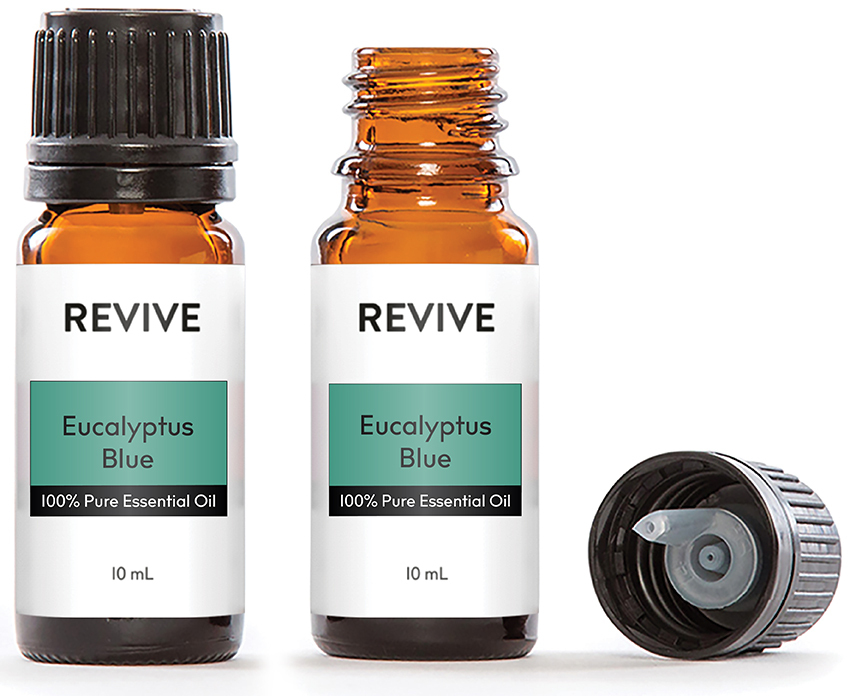
The oil I use every winter
Open up a blocked head with eucalyptus
When my head feels stuffed full of cotton wool, eucalyptus is the first bottle I reach for. A few drops in the diffuser an hour before bed, or in a bowl of hot water for steam, and you can breathe through your nose again.
- Pure, food grade Eucalyptus globulus oil
- For the diffuser, steam or a homemade chest rub (always diluted)
- In the diffuser from age 3; ages 2 to 3, a kids’ blend; no oils under 2
- Never on or near a child’s face
Affiliate link: we may earn a small commission at no extra cost to you.
3. Ginger tea
Simmer a thumb of fresh ginger in water for 10 minutes, add lemon and honey once it has cooled a little. Warming, soothing for the throat, and the classic cold remedy. More recipes in our tea for cough guide.
4. Honey, lemon and garlic
Honey soothes a sore throat and calms a cough, and it’s the best studied natural cough remedy (Cochrane). Only for children over 12 months. See honey for cough for the syrup recipes.
5. Garlic
In a 12-week trial, people who took a garlic supplement caught fewer colds and recovered faster than those on a placebo (Josling, 2001), although a Cochrane review found only this one good trial and called for more (Lissiman et al., Cochrane). Crush fresh garlic into your soups and dressings during cold season.
6. Zinc lozenges
Zinc lozenges, started within 24 hours and sucked slowly every few hours, shortened colds in adults (Science et al., 2012). They can taste metallic and cause nausea. Use them for a few days only, and never use zinc nasal sprays or gels, which have been linked to a permanent loss of smell.
7. Echinacea
In a four-month trial of 755 healthy adults, echinacea drops reduced the number and length of colds compared with a placebo (Jawad et al., 2012). Results across studies are mixed, but it’s worth trying at the very first sign. Avoid it if you’re allergic to daisy-family plants, and check with your doctor if you take regular medication.
8. Andrographis
Andrographis is a bitter herb from Ayurvedic and Chinese medicine. In several placebo-controlled trials, an andrographis extract reduced sore throat, nasal symptoms and tiredness within two to four days (Caceres et al., 1999; Melchior et al., 2000). Not in pregnancy, or if you take blood thinners or diabetes medication.
9. Elderberry
Elderberry syrup is a traditional winter remedy. In air travellers, elderberry extract shortened colds and eased symptoms (Tiralongo et al., 2016). Only use a ready-made syrup; raw elderberries must never be eaten.
10. Vitamin C
Taken regularly, vitamin C shortened colds by about 8% in adults and 14% in children, and halved the risk of colds in people under heavy physical stress (Douglas and Hemilä, Cochrane). During a cold, I take liposomal vitamin C at two to three times the dose on the label for a few days, as I describe in how I stop coughing. Loose stools mean it’s time to step back down; if you’ve ever had kidney stones, talk to your doctor first. Oranges and mandarins are the easy everyday source.
11. Propolis
Propolis drops three times a day are part of my own winter routine. Use an alcohol-free version for children, and skip it with a bee or pollen allergy or asthma.
12. Pelargonium
Pelargonium (South African geranium) root extract may shorten colds and ease cough and sore throat (Timmer et al., Cochrane). Use a ready-made preparation and follow the label.
13. Chicken soup and bone broth
Warm, salty, easy to eat, and the steam helps a blocked nose. Grandmother’s cold remedy has even been studied in the lab, where it slowed the movement of inflammatory white blood cells (Rennard et al., 2000). Add plenty of garlic, ginger and onion.
14. Salt water gargle
Half a teaspoon of salt in a glass of warm water, gargle and spit, two or three times a day. Simple relief for a sore throat.
15. Marshmallow root and licorice tea
Both coat and soothe a raw throat; a traditional pair for colds. Avoid regular licorice tea if you have high blood pressure.
16. A homemade chest rub
Mix a few drops of eucalyptus oil into a spoonful of coconut oil and rub it on your chest and neck at night (from age 2 for store-bought vapour rubs; never under the nose or on a child’s face). In children, a vapour rub eased night cough and congestion (Paul et al., 2010).
17. Hot toddy for a head cold
The hot toddy is the classic: hot water, half a lemon, a spoonful of honey and a shot of whiskey. The warmth, lemon and honey do the real work. Honestly, I’d leave the whiskey out: alcohol dries you out, swells the lining of your nose and disturbs your sleep. Never for children, in pregnancy or with medication.
18. Spicy food and horseradish
A pinch of cayenne, fresh horseradish or a hot curry makes your nose run and briefly clears a blocked head. A traditional trick; skip it if you have reflux.
19. Oregano oil
Oregano oil is a traditional remedy many people use for colds. There’s no good research in people yet. It’s very strong: always dilute it, never use it on children or in pregnancy, and don’t take more than the label says.
20. Sleep with your head raised
An extra pillow helps mucus drain at night so you can breathe and sleep better. See how to stop coughing at night.
Head Cold Headache, Clogged Ears and Fever
Head cold headache: comes from the swollen lining of your nose and sinuses. Steam, a salt water rinse, plenty of water, rest in a darkened room and a warm compress over your forehead and nose help. A severe headache with a stiff neck, or with a rash, always needs a doctor.
Head cold and clogged ears: the tube between your nose and ears swells shut. Steam, a nasal rinse, swallowing and yawning, and gently chewing gum help it open. Ear pain, fever or fluid from the ear needs a doctor, especially in children.
Head cold and fever: a slight temperature is common, especially in children. A fever above 38.5 °C, a fever lasting more than three days, or a high fever with a sudden start points more towards flu or a bacterial infection. Rest, fluids and a lukewarm cloth on the forehead help.

Summer Head Cold
Yes, you can catch a cold in summer. Air conditioning, travel, crowded places and swimming pools all help viruses spread, and summer colds often come from different viruses than winter colds. If your “summer cold” comes back every year at the same time with itchy eyes, it may be hay fever instead. The same remedies help, with cool drinks and a fan instead of steam if it’s hot.
Head Cold Remedies in Pregnancy
Many cold medicines aren’t recommended in pregnancy, so many women look for the safest options. These are gentle and widely considered safe:
- Salt water nasal rinses and sprays
- Steam (without essential oils in the first trimester) and a humidifier
- Honey, ginger tea, lemon and warm broth
- A salt water gargle
- Rest, sleep with your head raised, and plenty of fluids
- Vitamin C from food
Avoid andrographis, oregano oil and high-dose supplements in pregnancy, and ask your midwife or doctor before taking any herbs or medicines.
Head Cold in Children
Children catch far more colds than adults. Saline drops and gentle nose clearing, a humidifier, warm drinks, honey from 12 months and a vapour rub from age 2 are the safest basics. Over-the-counter cold medicines aren’t advised for young children. Read our guide to cough remedies for children.
How to Catch Fewer Colds
- Sleep at least seven to eight hours. Short sleepers caught far more colds in a virus-exposure study (Cohen et al., 2009).
- Calm your stress load. More stress, more colds (Cohen et al., 1991).
- Wash your hands and keep them away from your eyes, nose and mouth.
- Eat colourful fruit and vegetables, garlic and onions, and cut back on sugar and alcohol.
- Move every day, outdoors when you can.
- Vitamin C and probiotics through the winter months.
When to See a Doctor
- Get help straight away for trouble breathing, chest pain, confusion, a stiff neck, or any baby under 3 months with a fever or cough. In an emergency, call 112 (Europe) or 911 (US).
- Your GP or family doctor for a fever above 38.5 °C for more than three days, a cold that gets better and then worse again, or one that lasts more than 10 days.
- An ENT specialist (ear, nose and throat) for severe face pain, colds that keep turning into sinus or ear infections, or a nose that never clears.
- An allergist if your “colds” come back in the same season every year, with itchy eyes and sneezing.
- A pulmonologist (lung specialist) if a cold always ends on your chest with wheezing or breathlessness.
- A pediatrician for a child with ear pain, fast breathing, not drinking or a fever lasting more than three days.
Read more in when a cough needs a doctor.
Frequently Asked Questions
How do you get rid of a head cold fast?
Start on the first day: sleep and rest, zinc lozenges, echinacea or andrographis, salt water nasal rinses, steam with eucalyptus, warm fluids with honey and lemon, and extra vitamin C. Your immune system still needs a few days, but you’ll feel better sooner.
How long does a head cold last?
Usually 7 to 10 days. The first three days are the worst, and a cough or post nasal drip can linger for up to three weeks.
How long is a head cold contagious?
From about a day before symptoms start, most strongly in the first two to three days, and less so for up to a week or two after.
Is it a head cold or allergies?
Allergies cause itchy eyes and nose, never a fever, and last as long as you’re exposed to the trigger. A cold comes with a sore throat, sometimes a slight temperature, and clears within 10 days.
Is it a head cold or the flu?
The flu starts suddenly with a high fever, aching muscles and exhaustion. A head cold builds up gradually and mainly affects your nose and throat.
What are the stages of a head cold?
Incubation for 1 to 3 days, early symptoms on days 1 to 3, a peak on days 3 to 5, slow recovery from day 5 to 10, and sometimes a lingering cough for up to 3 weeks.
What is safe for a head cold in pregnancy?
Salt water rinses, steam, a humidifier, honey, ginger tea, warm broth, a salt water gargle and plenty of rest. Ask your midwife or doctor before taking herbs or medicines.
Does a hot toddy help a head cold?
The warm water, lemon and honey soothe the throat and help you feel better. The whiskey doesn’t help: alcohol dries you out and disturbs your sleep, so it’s better left out.
Recommended
- How to Stop Coughing: What to Do When You Can’t Stop
- Post Nasal Drip
- Sinus Infection Remedies
- Honey for Cough
- Tea for Cough
Some links on this page are affiliate links, marked as such. If you buy through them, we may earn a small commission at no extra cost to you. This article is for general information and does not replace a diagnosis from a qualified professional. Read our medical disclaimer or browse more natural remedies.
