

What is Hyperhidrosis?
If you’ve ever found yourself drenched in sweat while others around you seem perfectly comfortable, you’re not alone. Hyperhidrosis, the medical term for excessive sweating, affects millions of people worldwide, significantly impacting their quality of life, self-confidence, and daily activities. This condition goes far beyond the normal sweating that occurs during exercise or in hot weather—it’s characterized by sweating that occurs even when the body doesn’t need cooling.
Hyperhidrosis can manifest in various parts of the body, including the palms, soles of the feet, underarms, face, and scalp. For some, excessive sweating is so severe that it interferes with holding objects, shaking hands, wearing certain clothing, or engaging in social situations. The psychological impact can be just as debilitating as the physical symptoms, leading many sufferers to seek solutions that address the root cause rather than just masking the symptoms.
Understanding that excessive sweating is a legitimate medical condition is the first step toward finding effective treatment. While conventional medicine offers several interventions, an increasing number of people are discovering that hyperhidrosis natural treatment approaches can provide relief without the side effects and recurrence associated with traditional methods.
Quick Summary
| Key Point | Explanation |
|---|---|
| 1. Identify Sweat Triggers | Differentiate between primary and secondary hyperhidrosis to tailor management effectively by tracking triggers like stress and diet. |
| 2. Explore Natural Remedies | Utilize herbal supplements and relaxation techniques to manage sweating. Always consult a healthcare professional before starting new remedies. |
| 3. Implement Lifestyle Modifications | Make daily choices like dietary changes and stress management to significantly impact sweat production and overall wellness. |
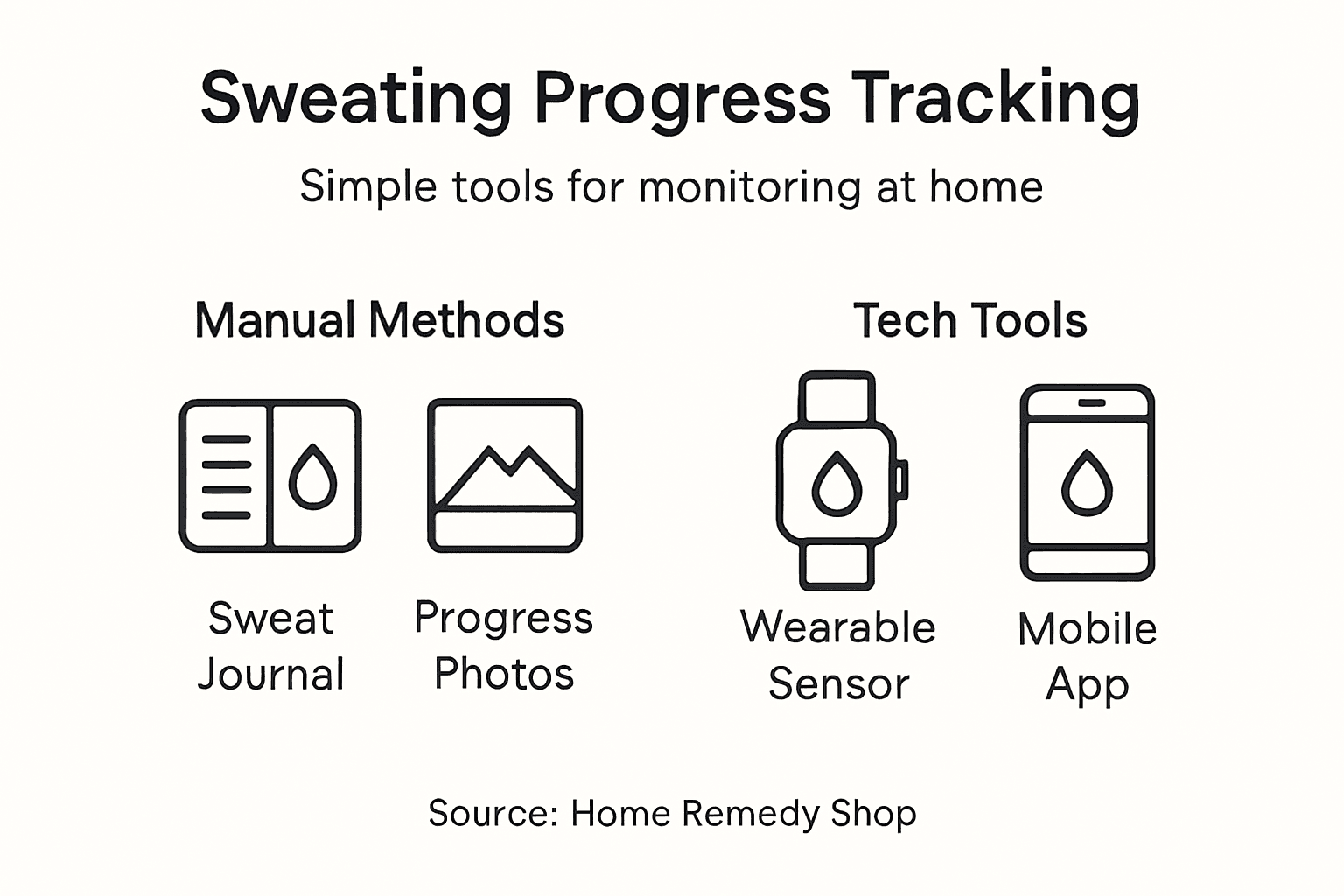
| 4. Monitor Progress Closely | Keep a detailed sweat journal to understand patterns and the effectiveness of treatments by tracking sweat volume and triggers. |
| 5. Evaluate and Adjust Strategies | Regularly assess treatment results, comparing past and present conditions, and modify approaches when improvements are limited. |
Table of Contents
- What is Hyperhidrosis?
- Understanding Excessive Sweating: Types and Causes
- The Problem with Conventional Treatments for Excessive Sweating
- The Role of Your Nervous System in Hyperhidrosis
- Chiropractic Care: A Surprising Solution for Excessive Sweating
- Emotional Sweating and Mental Health
- Excessive Sweating Natural Treatment Through Mind-Body Practices
- Excessive Sweating Herbal Remedies: Ancient Wisdom Meets Modern Science
- Excessive Underarm Sweating Natural Remedies and Lifestyle Changes
- Creating Your Hyperhidrosis Natural Treatment Plan
- Conclusion: Taking Control of Your Sweating
Understanding Excessive Sweating: Types and Causes
To effectively treat hyperhidrosis, it’s crucial to understand that not all sweating serves the same purpose. The human body produces sweat for two primary reasons, each regulated by different parts of the nervous system.
The first type is thermoregulatory sweating, which helps maintain optimal body temperature. When your internal temperature rises due to physical activity, environmental heat, or fever, your body produces sweat to cool down through evaporation. This type of sweating is controlled by the hypothalamus and is a normal, healthy response to heat.
The second type, emotional sweating, is far more complex and often plays a significant role in hyperhidrosis. According to research published in the Journal of Physiology and Pharmacology, emotional sweating serves as a physical “feedback” signal in emotionally affecting sensory, cognitive, and behaviorally relevant processes. This type of sweating is regulated by the neocortical and limbic centers of the brain—areas responsible for processing emotions, stress, and anxiety.
Emotional sweating predominantly affects the palms, soles, and underarms, which explains why excessive underarm sweating is one of the most common complaints among hyperhidrosis sufferers. Unlike thermoregulatory sweating, emotional sweating can occur regardless of ambient temperature and is often triggered by stress, anxiety, nervousness, or other psychological factors.
This distinction is crucial because it reveals that treating excessive sweating effectively requires addressing both the physical and emotional components of the condition. A holistic approach that considers the interconnection between your nervous system, mental state, and physical symptoms offers the most promise for lasting relief.
The Problem with Conventional Treatments for Excessive Sweating
When people first seek help for hyperhidrosis, they’re typically offered conventional medical treatments such as topical aluminum chloride (clinical-strength antiperspirants), botulinum toxin injections (Botox), oral medications, or even surgical interventions like sympathectomy. While these treatments can provide temporary relief, they come with significant limitations.
Research published in Seminars in Cutaneous Medicine and Surgery highlights that conventional treatments for hyperhidrosis are limited by the potential for various side effects and a frequent tendency for the condition to recur even after treatment. Topical aluminum chloride can cause skin irritation, burning, and discoloration. Botulinum toxin injections, while effective, are temporary (lasting only 3-6 months), expensive, and painful. Oral medications often produce systemic side effects including dry mouth, blurred vision, and urinary retention.
Surgical options, while more permanent, carry the risk of compensatory sweating—where the body begins sweating excessively in other areas to compensate for the treated region. This can sometimes be worse than the original problem, leaving patients frustrated and seeking alternatives.
The recurrence of hyperhidrosis even after invasive treatments suggests that these conventional approaches fail to address the underlying cause of the condition. They target the symptoms—the sweat itself—rather than the neurological, emotional, or systemic imbalances that trigger excessive sweating in the first place.
This is precisely why many people are turning to excessive sweating natural treatment options that work with the body’s own regulatory systems rather than against them. By addressing root causes such as nervous system dysfunction, emotional triggers, and metabolic imbalances, natural approaches offer the possibility of long-term relief without the side effects and disappointments of conventional treatments.
The Role of Your Nervous System in Hyperhidrosis
One of the most overlooked aspects of treating hyperhidrosis is the critical role of the autonomic nervous system in regulating sweat production. The autonomic nervous system controls involuntary bodily functions, including sweating, and consists of two main branches: the sympathetic nervous system (responsible for “fight or flight” responses) and the parasympathetic nervous system (responsible for “rest and digest” functions).
In hyperhidrosis, there’s often an overactivation of the sympathetic nervous system, leading to excessive stimulation of sweat glands. This overactivation can result from various factors, including structural misalignments in the spine, particularly in the thoracic region where nerve roots that control sweating exit the spinal cord.
According to research published in Seminars in Cutaneous Medicine and Surgery, correct diagnosis of hyperhidrosis depends on determining the anatomical pattern of sweating and localizing the lesion within the autonomic nervous system. This understanding has led to a surprising conclusion: one of the best healthcare professionals to consult for your excessive sweating might actually be a chiropractor.
The connection between spinal health and sweating regulation makes physiological sense. The sympathetic nerve fibers that innervate sweat glands in the upper body, including the face, underarms, and hands, originate from the thoracic spine. Misalignments or subluxations in this area can irritate these nerve pathways, potentially leading to dysregulation of sweat production.
Furthermore, poor posture—increasingly common in our modern, desk-bound lifestyle—can contribute to chronic compression and irritation of these nerve pathways. Forward head posture, rounded shoulders, and thoracic kyphosis can all impact the function of the sympathetic nervous system, potentially triggering or exacerbating hyperhidrosis.
This neurological connection explains why ensuring your posture and nervous system are properly aligned and healthy is an essential first step in addressing hyperhidrosis. Before considering invasive treatments or medications with significant side effects, it makes sense to evaluate and correct any structural issues that might be contributing to autonomic nervous system dysfunction.
| Hyperhidrosis Type | Typical Triggers | Commonly Affected Areas | Likelihood of Family History |
|---|---|---|---|
| Primary | Nerve dysfunction | Palms, feet, face, underarms | High |
| Secondary | Medical conditions, medication | Entire body or specific regions | Low |
Chiropractic Care: A Surprising Solution for Excessive Sweating
Given the intimate connection between spinal alignment and autonomic nervous system function, chiropractic care emerges as a logical and effective hyperhidrosis natural treatment option. Chiropractors specialize in identifying and correcting spinal misalignments that can interfere with proper nervous system function.
When you visit a chiropractor for excessive sweating, they’ll conduct a thorough examination of your spine, particularly the thoracic region, to identify areas of misalignment, restricted motion, or nerve interference. Using specific adjustments, chiropractors can restore proper alignment and function to the spine, potentially reducing the sympathetic nervous system overactivity that contributes to hyperhidrosis.
Many patients report significant improvements in their sweating patterns after beginning chiropractic care, particularly when treatment is combined with postural corrections and exercises designed to maintain spinal health. Unlike conventional treatments that merely suppress symptoms, chiropractic care addresses a potential root cause of the problem, offering the possibility of lasting improvement rather than temporary relief.
Beyond spinal adjustments, chiropractors can provide guidance on ergonomics, posture correction, and exercises that support nervous system health. They may also offer nutritional counseling and lifestyle recommendations that complement the structural corrections being made through adjustments.
For those seeking excessive underarm sweating natural remedies that address underlying causes rather than just symptoms, chiropractic care represents a safe, non-invasive option worth exploring. The absence of side effects and the potential for addressing multiple health issues simultaneously (as improved nervous system function benefits overall health) make this approach particularly appealing.
It’s important to note that while chiropractic care can be remarkably effective for some people with hyperhidrosis, individual results vary. The effectiveness often depends on whether spinal misalignment is indeed a contributing factor to your specific case of excessive sweating. However, given the low risk and potential benefits, it’s certainly worth consulting with a qualified chiropractor as part of your comprehensive treatment plan.
Emotional Sweating and Mental Health
As mentioned earlier, emotional sweating is regulated by the neocortical and limbic centers of the brain—areas intimately involved in processing emotions, stress, and psychological experiences. For many people with hyperhidrosis, emotional triggers are the primary driver of their excessive sweating episodes.
The relationship between mental health and sweating creates a challenging cycle: anxiety about sweating can trigger more sweating, which increases anxiety, leading to even more sweating. This feedback loop can be debilitating, causing people to avoid social situations, job interviews, presentations, or even casual interactions that might trigger their symptoms.
Research in the Journal of Physiology and Pharmacology confirms that emotional sweating maintains important trophic functions and serves as physical feedback in emotionally relevant processes. This means that addressing the emotional and psychological components of hyperhidrosis is not just helpful—it’s essential for many sufferers.
Recognizing the mental health component of your excessive sweating opens up powerful treatment avenues. Many people find that their hyperhidrosis improves significantly when they address underlying anxiety, stress, or emotional dysregulation. This doesn’t mean the sweating is “all in your head”—the physiological response is very real—but it does mean that therapeutic interventions targeting mental health can produce tangible improvements in sweating.
Seeking therapeutic help from a qualified mental health professional can be transformative for those whose sweating is primarily emotionally triggered. Cognitive-behavioral therapy (CBT), in particular, has shown promise in helping people manage the anxiety associated with hyperhidrosis and break the sweating-anxiety cycle. Through CBT, patients learn to identify and challenge anxiety-producing thoughts, develop coping strategies, and gradually expose themselves to situations they’ve been avoiding due to fear of sweating.
Additionally, addressing any underlying mental health conditions such as generalized anxiety disorder, social anxiety, or panic disorder can significantly reduce emotional sweating episodes. The brain-body connection is powerful, and when emotional regulation improves, autonomic nervous system function often normalizes as well.

Excessive Sweating Natural Treatment Through Mind-Body Practices
Beyond formal therapy, several mind-body practices have emerged as effective excessive sweating natural treatment options, particularly for those whose hyperhidrosis has a significant emotional component. These practices work by calming the sympathetic nervous system, promoting parasympathetic activation, and improving overall stress resilience.
Mindfulness Meditation
Mindfulness meditation involves paying attention to the present moment without judgment. Regular practice has been shown to reduce activity in the amygdala (the brain’s fear center) and strengthen the prefrontal cortex (involved in emotional regulation). For people with hyperhidrosis, mindfulness can help break the automatic connection between stress and sweating by creating a pause between trigger and response.
Starting a mindfulness practice doesn’t require hours of meditation. Even 10-15 minutes daily of focused breathing and present-moment awareness can begin to retrain your nervous system’s response to stress. Apps like Headspace, Calm, or Insight Timer can guide beginners through the process.
Yoga
Yoga combines physical postures, breathing techniques, and meditation to promote overall nervous system balance. The practice activates the parasympathetic nervous system, countering the sympathetic overactivation that contributes to hyperhidrosis. Certain yoga practices, particularly those emphasizing pranayama (breathing exercises) and restorative poses, can be especially beneficial.
Regular yoga practice also improves posture and spinal alignment, complementing the benefits of chiropractic care. The mind-body integration promoted by yoga addresses both the physical and emotional dimensions of excessive sweating, making it a truly holistic treatment approach.
Deep Breathing Exercises
Controlled breathing is one of the most accessible and immediate tools for managing stress-induced sweating. When you feel a sweating episode beginning, slow, deep diaphragmatic breathing can activate the parasympathetic nervous system and reduce the sympathetic response that triggers sweat production.
Try the 4-7-8 breathing technique: inhale through your nose for 4 counts, hold for 7 counts, and exhale through your mouth for 8 counts. Repeat this cycle 4-5 times whenever you feel stress or anxiety mounting. Over time, this practice can help retrain your autonomic nervous system’s baseline response to stressors.
Progressive Muscle Relaxation
This technique involves systematically tensing and relaxing different muscle groups throughout the body. It helps reduce overall physical tension and teaches you to recognize the difference between stressed and relaxed states. Many people with hyperhidrosis find that regular practice of progressive muscle relaxation reduces both the frequency and intensity of sweating episodes.
These mind-body practices represent powerful excessive sweating herbal remedies alternatives—or more accurately, complementary approaches that can be used alongside herbal treatments. They address the root neurological and emotional factors contributing to hyperhidrosis while promoting overall health and well-being.
| Remedy | Main Benefit | Possible Consideration | Common Use Case |
|---|---|---|---|
| Sage Tea | May reduce sweating | Can interact with medications | Drink daily |
| Chamomile | Promotes relaxation | May cause allergic reactions | Evening tea |
| Valerian Root | Calms nervous system | Drowsiness possible | Bedtime supplement |
| Acupuncture | Reduces stress | Requires professional | Weekly sessions |

- Actions Drains Fire Relieves toxicity Drains Dampness Dispels excess heat and toxic heat from the heart and stomach
Excessive Sweating Herbal Remedies: Ancient Wisdom Meets Modern Science
Traditional herbal medicine has long recognized that internal imbalances can manifest as excessive sweating, and various cultures have developed herbal formulas to address these imbalances. Recent scientific research is beginning to validate some of these traditional approaches, offering hope for those seeking natural alternatives to conventional treatments.
One particularly promising excessive sweating herbal remedy is Samhwangsasim-tang (SST), also known as San-Huang-Xie-Xin-Tang. This traditional formula, used in Korean, Chinese, and Japanese medicine, is composed of three herbs: Scutellariae Radix (Baikal skullcap root), Coptidis Rhizoma (Chinese goldthread rhizome), and Rhei Rhizoma (rhubarb root).
A remarkable case study published in the journal Clinical, Cosmetic and Investigational Dermatology documented the dramatic improvement of chronic hyperhidrosis following treatment with Samhwangsasim-tang as monotherapy. The patient, a 66-year-old man, had experienced chronic hyperhidrosis for years, with profuse craniofacial sweating and facial flushing occurring even with minimal physical activity. These symptoms were exacerbated by heat exposure and any conditions that increased core body temperature.
After approximately 42 days of treatment with Samhwangsasim-tang extract granules—with no other interventions including acupuncture, cupping, or conventional medications—the patient’s spontaneous sweating resolved completely. Using standardized assessment tools, his symptoms improved from a Numeric Rating Scale score of 10 to 0, and his Hyperhidrosis Disease Severity Scale score improved from 4 to 1. Additionally, his facial flushing was reduced to just 20-30% of baseline severity.
The researchers suggest that the heat-clearing, anti-inflammatory, and metabolic-regulating properties of Samhwangsasim-tang contribute to the normalization of skin temperature, sweating regulation, and peripheral circulation. These mechanisms address multiple pathways involved in hyperhidrosis, offering a more comprehensive approach than treatments that simply block sweat glands.
Other Herbal Approaches
Beyond Samhwangsasim-tang, several other herbs have shown promise as excessive sweating natural treatment options:
Sage (Salvia officinalis): Long used in European herbal medicine to reduce sweating, sage contains compounds that may reduce sweat gland activity. It can be consumed as tea or taken as a supplement.
Astragalus: Used in traditional Chinese medicine, astragalus may help regulate body temperature and reduce stress-induced sweating.
Schisandra: This adaptogenic berry helps the body manage stress more effectively, potentially reducing emotional sweating triggers.
Witch Hazel: When applied topically, witch hazel acts as a natural astringent that may temporarily reduce sweating and provide antibacterial benefits.
When considering excessive sweating herbal remedies, it’s important to work with a qualified herbalist or integrative medicine practitioner who can recommend appropriate herbs and dosages for your specific situation. Herbs are medicine and should be treated with the same respect as pharmaceutical drugs—they can interact with medications and may not be appropriate for everyone.
Excessive Underarm Sweating Natural Remedies and Lifestyle Changes
For those specifically struggling with excessive underarm sweating, several natural remedies and lifestyle modifications can provide relief when combined with the approaches already discussed:
Natural Deodorants and Antiperspirants
While conventional aluminum-based antiperspirants block sweat ducts, natural alternatives work differently. Look for products containing:
- Baking soda (sodium bicarbonate): Absorbs moisture and neutralizes odor
- Arrowroot powder or cornstarch: Provides moisture absorption without irritation
- Coconut oil: Offers antibacterial properties
- Essential oils (tea tree, lavender, eucalyptus): Provide natural antimicrobial effects
Some natural deodorants also contain magnesium hydroxide, which can reduce sweating without blocking pores.
Dietary Considerations
Certain foods and beverages can trigger or worsen sweating:
- Reduce caffeine intake, as it stimulates the central nervous system and can increase sweating
- Limit spicy foods, which trigger thermogenic responses
- Avoid alcohol, which dilates blood vessels and can increase body temperature
- Stay hydrated with room-temperature water rather than ice-cold beverages, which can sometimes trigger compensatory sweating
Conversely, some foods may help reduce sweating:
- Foods rich in B vitamins support healthy nervous system function
- Calcium-rich foods may help regulate body temperature
- Olive oil and almonds contain healthy fats that support overall metabolic function
Fabric Choices
Your clothing can significantly impact your comfort with excessive underarm sweating:
- Choose natural, breathable fabrics like cotton, linen, and bamboo
- Avoid synthetic materials that trap heat and moisture
- Consider sweat-proof undershirts designed to prevent sweat from showing through outer clothing
- Opt for loose-fitting garments that allow air circulation
Apple Cider Vinegar
Some people find relief by applying diluted apple cider vinegar to the underarms before bed. The vinegar’s astringent properties may help tighten pores and balance skin pH. Always dilute it with water (1:1 ratio) and do a patch test first to ensure you don’t have sensitivity.
Cornstarch and Baking Soda Powder
A simple mixture of cornstarch and baking soda can be applied to clean, dry underarms to absorb moisture throughout the day. This provides a natural, inexpensive alternative to commercial powders.
Creating Your Hyperhidrosis Natural Treatment Plan
Successfully managing hyperhidrosis through natural methods requires a comprehensive, individualized approach. Here’s how to create your personalized treatment plan:
Step 1: Get a Proper Diagnosis
Before beginning any treatment, consult with a healthcare provider to rule out underlying conditions that might cause secondary hyperhidrosis, such as thyroid disorders, diabetes, or infections. Understanding whether you have primary or secondary hyperhidrosis will guide your treatment approach.
Step 2: Address Structural Issues
Schedule a consultation with a qualified chiropractor to evaluate your spinal alignment and nervous system function. If misalignments are identified, commit to a course of care that addresses these structural issues. This foundation is essential for many people’s success with natural treatments.
Step 3: Evaluate Emotional Triggers
Keep a journal documenting when your sweating occurs, what you were doing, and what emotions you were experiencing. This can help identify patterns and triggers. If emotional sweating is significant, consider working with a therapist who specializes in anxiety or stress management.
Step 4: Implement Mind-Body Practices
Begin a daily practice of mindfulness, yoga, or breathing exercises. Start small—even 10 minutes daily can make a difference. Consistency is more important than duration, so choose practices you can sustain long-term.
Step 5: Consider Herbal Support
Consult with an herbalist or integrative medicine practitioner about whether herbal remedies like Samhwangsasim-tang might be appropriate for your situation. If pursuing this route, give the treatment adequate time to work—the case study mentioned showed results after 42 days.
Step 6: Optimize Lifestyle Factors
Implement the dietary and lifestyle changes discussed, including appropriate fabric choices, natural deodorants, and dietary modifications. These small changes can have cumulative effects.
Step 7: Monitor and Adjust
Track your progress using a simple rating scale for sweating severity. Be patient—natural treatments often work more gradually than pharmaceutical interventions but can provide more lasting results. Adjust your approach based on what works best for your individual situation.
Conclusion: Taking Control of Your Sweating
Living with hyperhidrosis can be frustrating and isolating, but you have more options than you might realize. While conventional treatments focus on blocking or reducing sweat production, natural approaches address the underlying imbalances—whether structural, neurological, emotional, or metabolic—that contribute to excessive sweating.
The research is clear: hyperhidrosis natural treatment approaches can be effective, particularly when they address the root causes rather than just symptoms. From chiropractic care that optimizes nervous system function to mind-body practices that regulate emotional responses, from herbal remedies backed by clinical evidence to simple lifestyle modifications, you have numerous tools at your disposal.
The key is recognizing that hyperhidrosis is often multifactorial—meaning it has multiple contributing causes. The most successful treatment plans typically combine several approaches, creating a comprehensive strategy that addresses your unique situation. What works beautifully for one person might be less effective for another, so patience and willingness to experiment are essential.
Remember that seeking help from appropriate professionals—whether chiropractors, mental health therapists, herbalists, or integrative medicine practitioners—is not a sign of weakness but of wisdom. These professionals can guide you toward the most effective treatments for your specific type of excessive sweating and help you avoid wasting time and money on approaches unlikely to help your particular situation.
Most importantly, understand that you don’t have to simply accept hyperhidrosis as an unchangeable part of your life. With the right combination of natural treatments tailored to your individual needs, many people achieve significant improvement or even complete resolution of their symptoms. Your journey to drier, more confident living starts with taking that first step—whether it’s scheduling a chiropractic evaluation, beginning a mindfulness practice, or consulting with an herbalist about natural remedies.
The excessive sweating that has been limiting your life doesn’t have to define your future. Armed with knowledge about the true causes of hyperhidrosis and the full spectrum of natural treatment options available, you can take control and reclaim the comfort and confidence you deserve.
Frequently Asked Questions
How can I identify the cause of my excessive sweating?
Understanding the cause of your excessive sweating begins with recognizing whether it’s primary or secondary hyperhidrosis. Keep a detailed sweat diary tracking potential triggers and situations for at least a month to help identify patterns.
What natural remedies can I use to manage excessive sweating at home?
Natural remedies include herbal supplements such as sage tea, chamomile, and valerian root, which may help regulate your sweat response. Start by trying one remedy at a time and maintaining a journal to document its effects on your sweating over a period of four weeks.
How do lifestyle changes help reduce excessive sweating?
Making holistic lifestyle adjustments, such as improving your diet and managing stress, can significantly help in reducing excessive sweating. Focus on incorporating cooling foods into your meals and practicing relaxation techniques daily, aiming for noticeable improvements within 30 days.
What tracking methods can I use to monitor my sweating progress?
Utilizing a sweat journal allows you to systematically record your sweating episodes, including triggers and intensity, which helps in analyzing your progress. Review your entries monthly to look for patterns and measure the effectiveness of your management strategies.
How often should I evaluate and adjust my natural treatment approach for sweating?
Regular evaluations are essential, ideally every four to six weeks, to assess how well your current treatments are working. If you notice limited improvements in sweating, be prepared to adjust your natural remedies or lifestyle practices accordingly.
Is it necessary to consult a healthcare professional while managing excessive sweating naturally?
While many natural remedies can be safe, consulting a healthcare professional ensures they align with your individual health profile. Schedule a consultation to discuss your symptoms and treatment plans, especially if you’re considering herbal supplements that may interact with medications.
Recommended
- 12 Little Known Home Remedies for Excessive Sweating – Home Remedies
- How to Stop Armpit Sweating: 17 Home Remedies – Home Remedies
- 33 Home Remedies for Combating Body Odour – Home Remedies
- 35 Home Remedies for Eliminating Stinky Feet – Home Remedies
- Achieve Sleek Hair with Natural Hair Straightening Treatment | MyHair

