

Every parent faces the challenge of protecting loved ones from insect bites without exposing them to harsh chemicals. Choosing a safe solution matters when your priority is family wellbeing and minimizing risk for pets. This guide highlights the key differences that set natural insect repellents apart, focusing on plant-based options like lemon eucalyptus and citronella that offer effective, gentle protection for health-conscious households across North America.
Table of Contents
- What Makes Insect Repellents Natural
- Common Types of Natural Insect Repellents
- How Natural Repellents Work and Perform
- Safety, Risks, and Family Considerations
- Comparing Natural Repellents to Synthetic Options
Key Takeaways
| Point | Details |
|---|---|
| Natural Ingredients | Natural insect repellents are made from plant-derived ingredients, utilizing essential oils that are effective while minimizing health risks. |
| Effectiveness | Active compounds in natural repellents disrupt insects’ sensory systems, providing an environmentally friendly alternative to synthetic chemicals. |
| Safety Profile | These repellents typically offer lower health risks, making them suitable for families, but require careful selection and use. |
| Combination Use | Combining natural and synthetic repellents can enhance protection, especially in high-risk environments. |
What Makes Insect Repellents Natural
Natural insect repellents distinguish themselves from synthetic chemical alternatives through their plant-derived ingredients and botanical origins. These repellents leverage essential oils and organic compounds that effectively ward off insects while minimizing potential health risks. Plant-based essential oils contain active compounds like limonene, geraniol, and citronellal that naturally disrupt insects’ sensory systems.
The core characteristic of natural insect repellents is their sourcing directly from nature. Unlike synthetic chemicals that are manufactured in laboratories, these repellents utilize extracts from plants such as lemon eucalyptus, citronella, lavender, and peppermint. These botanical ingredients work by creating an invisible barrier that insects find unpleasant, effectively preventing them from landing or biting. Certain natural compounds like geraniol and eugenol have demonstrated remarkable abilities to repel mosquitoes, ticks, and other biting insects without introducing harsh artificial chemicals.
Scientific research supports the effectiveness of natural repellent ingredients. Biopesticide compounds derived from natural sources have shown significant potential in insect control. Essential oils contain monoterpenes and sesquiterpenes that disrupt insects’ olfactory and sensory mechanisms, making them an environmentally friendly alternative to traditional chemical repellents. The key advantage is their ability to provide protection while maintaining a lower ecological impact compared to synthetic alternatives.
Pro Tip: When selecting a natural insect repellent, look for products containing at least two to three plant-based essential oils to ensure broader and more effective insect protection.
Common Types of Natural Insect Repellents
Natural insect repellents encompass a diverse range of botanical and plant-derived solutions that provide effective protection against various biting insects. Essential oils from specific plants serve as the primary active ingredients in these natural alternatives, offering families a safer approach to insect control. Key types of natural repellents include citronella, lemon eucalyptus, peppermint, clove, and neem oils, each with unique chemical properties that effectively disrupt insects’ sensory mechanisms.
Among the most prominent natural repellents, lemon eucalyptus oil stands out as a particularly potent option. EPA-registered biopesticide compounds like oil of lemon eucalyptus contain p-menthane-3,8-diol (PMD), an active ingredient scientifically proven to repel mosquitoes. Other powerful natural repellents include catnip oil, which has demonstrated remarkable effectiveness against multiple insect species, and neem oil, known for its broad-spectrum insect-repelling properties.
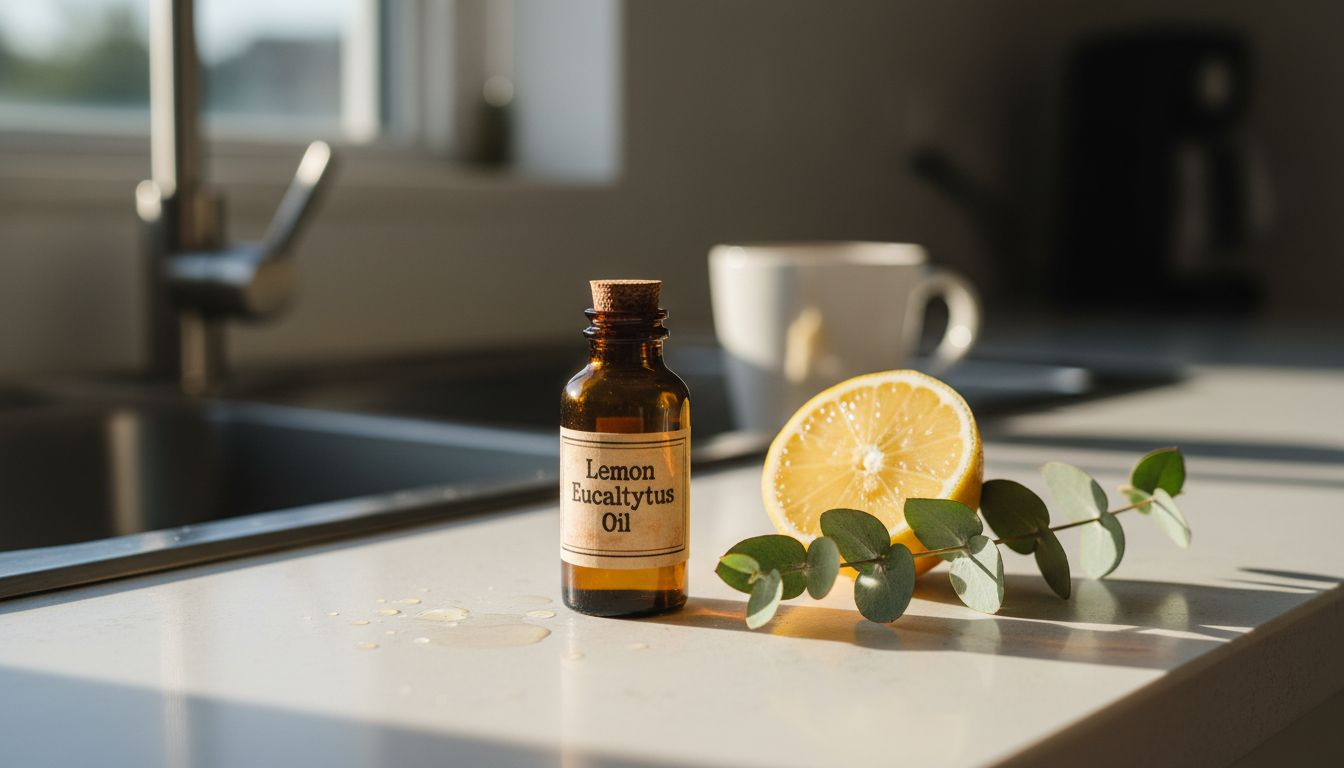
Different natural repellents target specific insects with varying levels of effectiveness. Citronella works exceptionally well against mosquitoes, while peppermint oil can deter ants and spiders. Clove oil provides protection against multiple biting insects, and lavender offers a dual benefit of insect repellency and pleasant aromatherapy. The concentration and combination of these essential oils determine their overall effectiveness, with some blends providing more comprehensive protection than single-ingredient solutions.
Pro Tip: Combine two or three different essential oils when creating homemade insect repellents to enhance protection and improve the overall repellent spectrum against multiple insect types.
Here’s a summary of common natural repellent ingredients and their target insects:
| Ingredient | Main Active Component | Best Against | Additional Benefit |
|---|---|---|---|
| Lemon Eucalyptus Oil | PMD | Mosquitoes | EPA-registered biopesticide |
| Citronella | Citronellal, Limonene | Mosquitoes | Pleasant fragrance |
| Peppermint Oil | Menthol | Ants, Spiders | Cooling effect on skin |
| Clove Oil | Eugenol | Biting insects | Antibacterial properties |
| Catnip Oil | Nepetalactone | Mosquitoes, Flies | High repellent efficacy |
| Neem Oil | Azadirachtin | Mosquitoes, Ticks | Disrupts feeding behavior |
| Lavender Oil | Linalool | Mosquitoes, Moths | Aromatherapy benefits |
How Natural Repellents Work and Perform
Natural insect repellents operate through a sophisticated mechanism of disrupting insects’ sensory systems, preventing them from detecting and approaching human targets. Mosquito receptor interactions demonstrate how these botanical compounds activate specific neurological pathways that create an unpleasant sensory experience for insects. By targeting receptors like TRPA1, these natural solutions essentially create an invisible barrier that confuses and repels biting insects.
The performance of natural repellents depends on several critical factors, including ingredient concentration, environmental conditions, and specific insect species. Sensory receptor blocking mechanisms explain how these plant-based compounds interfere with insects’ ability to locate potential hosts. Essential oils like citronella and lemon eucalyptus contain active molecules that mask human scent signatures, making it difficult for mosquitoes, ticks, and other biting insects to identify their targets. However, their effectiveness can vary significantly based on temperature, humidity, and the specific concentration of active ingredients.
Unlike synthetic chemical repellents, natural alternatives work through more nuanced interaction with insect sensory systems. They do not kill insects but create a powerful deterrent effect by overwhelming their olfactory receptors. Peppermint oil, for instance, contains menthol compounds that insects find extremely irritating, while neem oil disrupts their feeding and reproductive behaviors. The dynamic nature of these botanical compounds means that their protection is typically shorter-lived compared to synthetic alternatives, often requiring more frequent reapplication to maintain effectiveness.
Pro Tip: Store natural insect repellents in cool, dark places and shake well before each use to ensure optimal distribution of active essential oil compounds.
Safety, Risks, and Family Considerations
When considering natural insect repellents for family use, understanding their safety profile becomes paramount. Minimum-risk pesticide classifications suggest these botanical solutions offer significantly lower health risks compared to synthetic alternatives. Natural repellents are particularly appealing for families with young children, pregnant women, and individuals with sensitive skin, as they typically contain fewer harsh chemical compounds that might trigger allergic reactions or skin irritations.
The effectiveness and safety of natural repellents depend on careful selection and application. EPA registration guidelines recommend checking product labels to ensure proper concentration and appropriate use. While natural repellents are generally considered safer, they are not completely risk-free. Some essential oils can cause skin sensitivity, especially in children under three years old, and certain botanical compounds might trigger allergic responses in individuals with specific plant sensitivities.
Families should approach natural insect repellents with an informed and balanced perspective. This means understanding that while these products offer a gentler alternative to synthetic chemicals, they may require more frequent reapplication and might not provide the same long-lasting protection as traditional repellents. Patch testing new products, watching for skin reactions, and consulting pediatricians or healthcare professionals can help ensure safe and effective use. Parents should also be aware that natural does not automatically mean completely safe, and individual reactions can vary widely.
Pro Tip: Always conduct a small skin patch test with new natural repellents and consult with a healthcare professional before widespread use, especially for infants and individuals with known allergies.
Comparing Natural Repellents to Synthetic Options
The fundamental difference between natural and synthetic insect repellents lies in their chemical composition and performance characteristics. Synthetic repellent effectiveness demonstrates superior protection compared to botanical alternatives, with compounds like DEET and picaridin offering longer-lasting and more consistent insect deterrence. These laboratory-engineered solutions provide reliable defense against mosquitoes, ticks, and other biting insects by creating a robust chemical barrier that disrupts insects’ sensory mechanisms.
Natural repellents, predominantly derived from essential oils and plant extracts, present a gentler alternative with distinct advantages and limitations. Health authority recommendations suggest that while synthetic options remain more potent, natural repellents offer significant benefits for individuals seeking reduced chemical exposure. Essential oils like lemon eucalyptus, citronella, and lavender provide protection through their inherent molecular structures, which interfere with insects’ ability to detect human scent and locate potential targets.

The choice between natural and synthetic repellents ultimately depends on individual priorities and specific environmental contexts. Synthetic repellents excel in high-risk areas with substantial insect-borne disease transmission, offering more reliable protection for travelers and outdoor enthusiasts. Natural repellents, however, shine in low-risk environments and for individuals with sensitive skin or chemical sensitivities. Families can strategically combine both approaches, using synthetic options for high-risk scenarios and natural alternatives for everyday protection.
Compare key features of natural vs. synthetic insect repellents:
| Attribute | Natural Repellents | Synthetic Repellents |
|---|---|---|
| Origin | Plant-based essential oils | Laboratory-manufactured |
| Protection Duration | Shorter, requires reapplication | Longer-lasting |
| Health Consideration | Lower chemical exposure risk | May cause skin irritation |
| Best For | Sensitive skin, daily use | High-risk, travel, outdoor |
Pro Tip: Consider layering natural and synthetic repellents for comprehensive protection, using natural options as a base and synthetic formulas for additional defense in high-risk environments.
Protect Your Family Naturally With Trusted Remedies
Families seeking safe and effective insect protection know the challenge of balancing powerful repellents with gentle ingredients. This article highlights how natural insect repellents use plant-based essential oils like lemon eucalyptus and citronella to create a protective barrier without harsh chemicals. If you want to shield your loved ones while avoiding skin sensitivities or exposure to synthetic substances, exploring natural solutions that align with your health values is essential.
At Homeremedyshop.com we offer carefully curated natural remedies and herbal products designed for holistic wellness. Our guides and selections support families looking to reduce chemical risks and embrace time-tested alternatives for insect bites and skin care. Experience firsthand the benefits of combining effective natural repellents with comprehensive home remedy advice to keep your family safe and comfortable.

Start your journey toward healthier insect protection today. Visit Homeremedyshop.com now to discover natural insect repellent options and expert wellness tips so you can protect your family with confidence and care.
Frequently Asked Questions
What are natural insect repellents made from?
Natural insect repellents are primarily composed of plant-derived ingredients and essential oils, such as lemon eucalyptus, citronella, lavender, and peppermint. These ingredients work by disrupting insects’ sensory systems, creating a barrier that keeps them from landing or biting.
How effective are natural insect repellents compared to synthetic ones?
While natural insect repellents can offer effective protection, synthetic options typically provide longer-lasting and more consistent deterrence. Natural repellents are best suited for low-risk environments and for individuals with skin sensitivities, while synthetic repellents excel in high-risk areas with significant insect-borne disease transmission.
Are natural insect repellents safe for children and pregnant women?
Yes, natural insect repellents are generally considered safer for children, pregnant women, and individuals with sensitive skin. However, it’s crucial to check product labels for proper use and concentrations, and to conduct a patch test before widespread application.
How can I enhance the effectiveness of natural insect repellents?
To enhance the effectiveness of natural insect repellents, consider combining two or three different plant-based essential oils. Additionally, ensure that you store the repellents in cool, dark places and reapply frequently, especially in warm and humid conditions.
Recommended
- Homemade Bug Spray- 7 Excellent Natural Recipes – Home Remedies
- DIY Natural Spider Repellent for Home – Home Remedies
- DIY Natural Ant Repellant for Home Use – Home Remedies
- 15 Home Remedies to Repel Mosquitoes and Keep them at Bay – Home Remedies
- BPA-Free Bottles: Why They Matter for Family Health – EQUA – Sustainable Water Bottles