
Nearly 30 million American adults struggle with sinus problems every year, facing constant challenges from congestion and inflammation. For those prioritizing holistic health, creating a supportive home environment and adopting natural remedies can make a powerful difference in daily comfort. If you want practical, science-backed strategies to clear your airways and manage symptoms at home, this guide lays out easy steps designed for lasting sinus relief using gentle, widely spread-used techniques.
Table of Contents
- Step 1: Prepare Your Environment for Sinus Relief
- Step 2: Perform Lymphatic Drainage Massage Weekly
- Step 3: Do Lymph-Stimulating Exercises at Home
- Step 4: Incorporate Bee Pollen Into Daily Diet
- Step 5: Humidify Air With Essential Oils
- Step 6: Avoid Common Sinus Irritants and Verify Outcomes
Quick Summary
| Main Takeaway | Explanation |
|---|---|
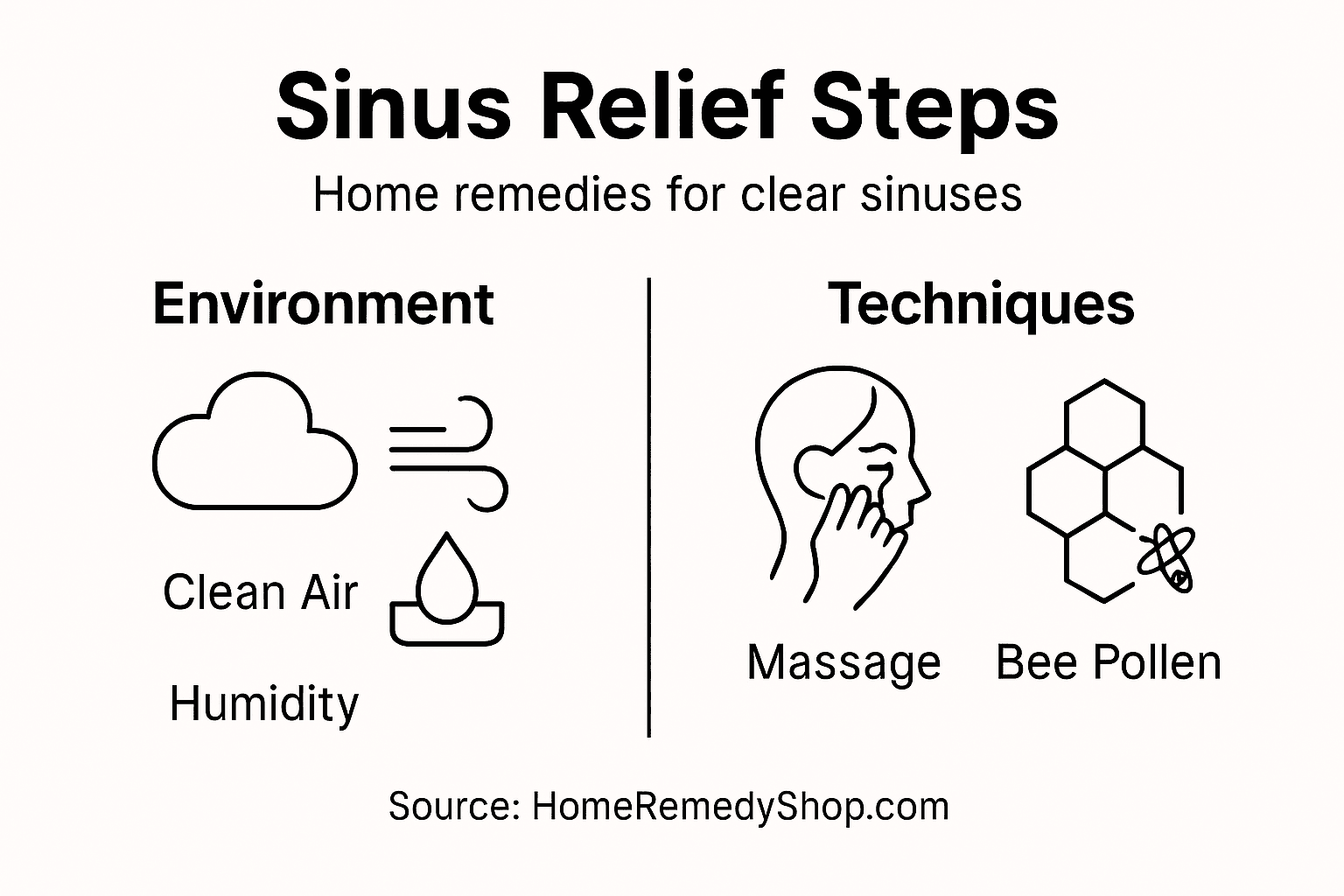
| 1. Maintain Optimal Indoor Air Quality | Use HEPA filters to capture allergens and control humidity levels to support sinus health. |
| 2. Perform Weekly Lymphatic Drainage Massage | Use gentle strokes to encourage fluid movement and reduce sinus pressure for better relief. |
| 3. Engage in Lymph-Stimulating Exercises | Incorporate deep breathing and light physical activity to promote lymphatic flow and drainage. |
| 4. Introduce Bee Pollen Gradually | Start with small amounts of bee pollen daily to enhance your immune response and reduce inflammation. |
| 5. Identify and Eliminate Sinus Irritants | Assess your environment for irritants and implement strategies to reduce their impact on your sinuses. |
Step 1: Prepare Your Environment for Sinus Relief
Creating a sinus-friendly home environment is your first defense against persistent sinus problems. By strategically managing your living space, you can dramatically reduce irritants and promote respiratory wellness. Maintaining optimal living conditions helps minimize inflammation and support natural sinus healing.
Start by focusing on three critical environmental factors: air quality, humidity, and cleanliness. Use high-efficiency particulate air (HEPA) filters to remove dust and allergens from your rooms. These filters capture microscopic particles that traditional vacuums might miss. Control indoor humidity between 40 to 50 percent using a reliable humidifier or dehumidifier, which prevents both dry air and excess moisture that can encourage mold growth. Additionally, regularly clean surfaces with allergen-reducing solutions, paying special attention to bedroom and living areas where dust and irritants tend to accumulate.
Essential oils can transform your space into a healing sanctuary. Consider using a diffuser with eucalyptus, peppermint, or thyme oils to help open nasal passages and create a soothing atmosphere. Position these near your sleeping or working areas for maximum benefit.
Pro tip: Invest in washable microfiber bedding covers that trap dust mites and allergens, creating a cleaner microenvironment where you spend most of your resting time.
IMPORTANT: Look for any signs of mold in your house, you might be having sinus problems because of this.
Step 2: Perform Lymphatic Drainage Massage Weekly
Lymphatic drainage massage offers a powerful natural approach to managing sinus problems by helping your body eliminate trapped fluids and reduce inflammation. Manual lymphatic drainage techniques can significantly improve your sinus health by promoting fluid movement and supporting your body’s natural healing processes.
To perform a lymphatic drainage massage, start by positioning your fingers strategically around your face and neck. Begin at your forehead using gentle circular motions, moving outward toward your temples. Next, place your fingertips just beside your nose and use light pressure to stroke downward along your cheeks toward your lymph nodes located near your neck. These gentle strokes should be rhythmic and very light almost like a feather touch. Focus on creating a smooth downward motion that encourages fluid movement away from congested areas. Repeat these movements for about 5 to 7 minutes, always moving in the direction of your lymph nodes to help drain accumulated mucus and reduce sinus pressure.

Consistent weekly practice is key to experiencing meaningful results. Aim to perform this massage during times when you are not experiencing an active infection, and always use clean hands and a gentle touch.
Pro tip: Consider using a small amount of lightweight oil like jojoba or almond oil to help your fingers glide smoothly during the massage, which can enhance comfort and effectiveness.
Step 3: Do Lymph-Stimulating Exercises at Home
Lymphatic exercises are powerful tools for improving sinus health by naturally supporting your body’s fluid movement and immune response. Sinus massage and lymphatic techniques can help reduce congestion and promote overall respiratory wellness without invasive treatments.
Start with deep breathing exercises that engage your lymphatic system. Sit comfortably and take slow, deliberate breaths while gently expanding your ribcage. Place your hands on your lower ribs and focus on breathing deeply into your abdomen, allowing each exhale to create a gentle pumping motion that stimulates lymph circulation. Next, incorporate gentle jumping movements like small bounces or light jogging in place for 2 to 3 minutes. These rhythmic motions help activate lymph flow and encourage fluid drainage. Follow this with neck and shoulder rolls to release tension and promote lymphatic movement. Rotate your head slowly in circular motions, then roll your shoulders forward and backward, maintaining a relaxed and fluid motion.
Consistent practice is key to seeing improvements in your sinus health. Aim to perform these exercises daily, ideally in the morning or before bedtime, to support your body’s natural healing processes.
Pro tip: Drink a glass of water before and after your lymphatic exercises to help flush out toxins and support optimal fluid movement.
Step 4: Incorporate Bee Pollen Into Daily Diet
Bee pollen offers an incredible natural approach to supporting sinus health through its potent nutritional profile. Bee pollen’s nutrient-dense composition provides a powerful blend of proteins, vitamins, minerals, and antioxidants that can help reduce inflammation and boost your immune system naturally.
To start incorporating bee pollen into your daily routine, begin with small quantities to ensure no allergic reactions. Mix one teaspoon of granules into your morning yogurt, sprinkle over breakfast cereal, or blend into smoothies. The key is consistency and gradual introduction. Try adding the granules to different foods throughout the day like salads, oatmeal, or even as a topping on toast with honey. If you are sensitive to bee products, start with just a few granules and gradually increase your intake. Watch for any potential allergic responses and consult your healthcare provider if you have known bee or pollen allergies.
Make bee pollen a regular part of your nutritional strategy by storing it in an airtight container in a cool, dark place to preserve its nutritional integrity. Aim to consume one to two teaspoons daily for optimal benefits.
Pro tip: Purchase bee pollen from local beekeepers or reputable organic sources to ensure maximum freshness and nutritional quality.
Step 5: Humidify Air With Essential Oils
Humidifying your living space with essential oils provides a powerful strategy for natural sinus relief and respiratory wellness. Essential oils influence indoor air quality by delivering antimicrobial and anti-inflammatory properties that can help open nasal passages and reduce congestion.
Choose a high-quality essential oil diffuser specifically designed to work with pure essential oils. Select therapeutic grade oils known for respiratory support like eucalyptus, peppermint, and thyme. Start by adding 3 to 5 drops of oil into the diffuser water reservoir, ensuring you follow the manufacturer’s instructions carefully. Position the diffuser in areas where you spend most of your time like your bedroom or home office. Run the device for 30 to 60 minutes at a time, creating a consistent but not overwhelming aromatic environment. For maximum sinus benefits, focus on oils that have natural decongestant properties such as eucalyptus which can help clear nasal passages and reduce inflammation.
Maintain your diffuser by cleaning it regularly and using only pure essential oils to prevent potential device damage and ensure the most effective therapeutic experience.
This summary highlights how essential oils benefit sinus health:
| Essential Oil | Primary Benefit | Best Use Area |
|---|---|---|
| Eucalyptus | Clears nasal passages | Bedroom/Office |
| Peppermint | Eases breathing | Relaxation space |
| Thyme | Reduces inflammation | Sleeping area |
Pro tip: Alternate different essential oils throughout the week to prevent your body from becoming desensitized to a single scent and to provide varied therapeutic benefits.
Step 6: Avoid Common Sinus Irritants and Verify Outcomes
Understanding and eliminating sinus irritants is crucial for long-term respiratory health and symptom management. Common nasal irritants trigger significant inflammation that can exacerbate existing sinus conditions and compromise your overall breathing comfort.
Begin by conducting a comprehensive indoor environment assessment. Identify potential irritants such as tobacco smoke, pet dander, dust mites, chemical fumes, and mold spores. Implement targeted strategies like using high-efficiency particulate air (HEPA) filters, washing bedding in hot water weekly, maintaining indoor humidity between 30 to 50 percent, and creating designated pet-free zones in your living spaces. Consider keeping a detailed symptom journal to track improvements after removing specific irritants. Note changes in congestion, headache frequency, breathing difficulty, and overall sinus comfort. This documentation allows you to pinpoint exact triggers and validate the effectiveness of your elimination strategies.
Here is a comparison of common indoor sinus irritants and strategies to reduce their impact:
| Irritant Source | Typical Location | Impact on Sinuses | Reduction Strategy |
|---|---|---|---|
| Pet dander | Bedrooms, living areas | Causes inflammation, congestion | Designated pet-free zones |
| Dust mites | Bedding, furniture | Triggers allergy symptoms | Use washable bedding covers |
| Mold spores | Bathrooms, basements | Worsens sinus inflammation | Control humidity, clean often |
| Chemical fumes | Kitchens, garages | Irritates nasal passages | Opt for natural cleaners |
| Tobacco smoke | Common areas, balconies | Severe sinus irritation | Enforce strict no-smoking rule |
Consult with an allergist or healthcare professional if symptoms persist or you need more specialized guidance in managing your unique sinus sensitivities.
Pro tip: Photograph your symptom journal entries and use digital tracking apps to create a more comprehensive and easy-to-analyze record of your sinus health progression.
Discover Natural Sinus Relief Solutions at HomeRemedyShop.com
Struggling with persistent sinus pressure and congestion can feel overwhelming. This article reveals how lymphatic drainage massage, essential oils, and bee pollen support soothing relief and stronger immunity. If you want to transform your sinus health naturally while avoiding harsh chemicals or medications, our carefully selected herbal supplements and holistic remedies are designed to enhance every step of your healing journey.
Take charge of your sinus wellness today with proven natural solutions from HomeRemedyShop.com Explore expert guidance and a wide selection of trusted products to create a cleaner, more breathable environment. Empower yourself with knowledge about living spaces optimized for respiratory health while embracing holistic support at your fingertips. Don’t wait for sinus discomfort to rule your days. Visit HomeRemedyShop.com now and start your personalized natural healing plan.
Frequently Asked Questions
How can I improve my home’s air quality to relieve sinus problems?
Improving your home’s air quality can significantly reduce sinus issues. Use high-efficiency particulate air (HEPA) filters in your rooms and control humidity levels between 40 to 50 percent to minimize irritants.
What techniques can I use for lymphatic drainage massage at home?
You can perform a simple lymphatic drainage massage at home by using gentle, rhythmic strokes on your face and neck. Start at your forehead and move downward to help encourage fluid movement; aim to do this for about 5 to 7 minutes each week.
Are there specific exercises to stimulate lymphatic drainage for sinus relief?
Yes, lymphatic exercises, such as deep breathing and gentle bouncing, can promote sinus health. Perform these activities daily, ideally for 5–10 minutes each morning, to enhance fluid movement in your lymphatic system.
How can I incorporate bee pollen into my diet to support sinus health?
You can incorporate bee pollen by starting with one teaspoon daily. Mix it into yogurt, smoothies, or cereals and gradually increase your intake while monitoring any allergic reactions.
Which essential oils are best for humidifying the air to alleviate sinus congestion?
Essential oils such as eucalyptus, peppermint, and thyme are effective for humidifying the air and relieving sinus congestion. Use them in a diffuser, adding 3 to 5 drops for optimal respiratory support, focusing on your main living areas.
What common sinus irritants should I avoid in my home?
Common sinus irritants include pet dander, dust mites, and mold spores. Conduct a thorough assessment of your indoor spaces and implement strategies like using HEPA filters and maintaining a clean, controlled environment to minimize these triggers.
Recommended
- 20 Simple Home Remedies for Reducing Sinus Problems – Home Remedies
- Sinus Pressure Relief: 15 Home Remedies to Soothe Your Breath Quickly
- 10 Home Remedies for Sinus Pressure Relief
- How to Get Rid of a Sinus Headache with Home Remedies – Home Remedies

