
Natural Laxatives for Constipation: Fast-Acting, Gentle, and the Foods That Make You Poop

Written by Montoya Sigafoose, founder of Home Remedy Shop · Medically reviewed by Veronique Claes d’Erckenteel, D.C., chiropractor since 1991 · Last reviewed: 23 October 2026
The fastest natural laxative, in my experience, is castor oil mixed with orange juice to make it drinkable: one tablespoon usually gets things moving within 2 to 6 hours. A glass of fresh white cabbage juice on an empty stomach is the other one that really makes you get everything out. Funny enough, most research focuses on prunes and prune juice, which soften the stool nicely but have a much milder laxative effect. For everyday constipation, the best natural laxatives are gentle ones: prunes, kiwifruit, psyllium, flaxseed, magnesium-rich mineral water, coffee, lots of water and fibre-rich foods that make you poop. Castor oil is for occasional use only, not in pregnancy and not for children. See a doctor if constipation comes with severe pain, vomiting, blood in your stool or weight loss, or if it’s new and lasts more than a few weeks.
Constipation means fewer than three bowel movements a week, or hard, dry stools that are difficult or painful to pass. It’s incredibly common, and it can come from too little fibre and water, not moving enough, stress, travel, pregnancy, some medications, or an underactive thyroid. Natural laxatives work in different ways: some stimulate the bowel, some draw water in, some add bulk and some soften. This guide covers the natural laxatives that work fast, the gentle ones for every day, the foods that make you poop, natural stool softeners, homemade laxative recipes, and what’s safe in pregnancy. For the bigger picture of digestion, see our guide to healing your gut naturally, or browse all our natural home remedies.
The short version
- Fastest: castor oil in orange juice (adults, occasional use only).
- Strong and natural: fresh white cabbage juice.
- Gentle and well researched: prunes, kiwifruit, psyllium, flaxseed.
- Every day: water, fibre, movement, a toilet stool.
- Pregnancy: prunes, kiwi, fibre, water. No castor oil or senna.
- Pain, vomiting, blood or weight loss: see a doctor.
See a doctor if constipation comes with severe belly pain, a swollen, hard belly, vomiting or no wind passing at all (possible blockage: don’t take any laxative), blood in your stool or black stools, unexplained weight loss, or a change in your bowel habits that lasts more than three weeks, especially over 50. Don’t use stimulant laxatives (castor oil, senna, cascara, aloe latex) in pregnancy, for children, or for more than a few days. Laxatives are not a weight loss tool: here’s why.
Table of Contents
- What Are Natural Laxatives?
- Natural Laxatives That Work Fast
- Best Natural Laxatives for Constipation (Gentle and Daily)
- Foods That Make You Poop: Natural Laxative Foods
- Natural Stool Softeners
- Homemade Laxative Recipes
- Is It a Natural Laxative? Coffee, Honey, Apple Juice and More
- Natural Laxatives When Pregnant and for Children
- How to Prevent Constipation
- Frequently Asked Questions
What Are Natural Laxatives?
Natural laxatives are foods, herbs and drinks that help you have a bowel movement. They work in four ways:
- Stimulant laxatives make the bowel muscles contract: castor oil, senna, cascara, aloe latex, coffee, cabbage juice.
- Osmotic laxatives draw water into the bowel: prunes and prune juice (sorbitol), pears, apples, magnesium-rich water.
- Bulk-forming laxatives add fibre that holds water: psyllium, flaxseed, chia, oats, beans, vegetables.
- Stool softeners and lubricants make stool slide more easily: oils, water, ripe fruit.
Stimulants work fastest but are for occasional use. Bulk-forming and osmotic laxatives are gentler and fine every day.
Natural Laxatives That Work Fast
When you need to go today, these are the natural laxatives that work fast.
1. Castor oil with orange juice
In my experience, this is the most effective way to poop quickly. Castor oil on its own is thick and hard to swallow, so mix it with fresh orange juice to make it drinkable.
- Adults: stir 1 tablespoon (15 ml) of castor oil into a glass of fresh orange juice and drink it in one go, ideally in the morning on an empty stomach.
- Expect a bowel movement within 2 to 6 hours; stay close to a toilet.
- Use it once for occasional constipation, not every day.
- Not in pregnancy (it can trigger contractions), not for children, and not with severe belly pain, vomiting or a suspected blockage.
What the research says: Castor oil’s ricinoleic acid switches on receptors in the gut wall that make the bowel contract; the same receptors in the womb explain why it can start labour (Tunaru et al., 2012). Even used on the outside as a warm castor oil pack on the belly, it eased constipation symptoms in older adults (Arslan et al., 2011). Interestingly, there are almost no modern trials of castor oil as a drink for constipation, even though it’s been used for centuries.
2. White cabbage juice
The other one that really makes you get everything out. Fresh juice from white cabbage is an old Central European remedy, and in my experience it’s far stronger than prune juice.
- Juice about a quarter of a fresh white cabbage (one glass, 200 to 250 ml).
- Drink it on an empty stomach in the morning; add a carrot or an apple if you find the taste too strong.
- Start with half a glass: it can cause gas and cramping at first.
- Sauerkraut juice, the fermented version, is a traditional alternative.
What the research says: Research on cabbage juice for constipation is surprisingly thin. Medical anthropologist John Heinerman collected many reports of cabbage juice clearing even difficult cases of constipation in his Encyclopedia of Healing Juices (1994), but there are no clinical trials. Cabbage is rich in fibre and sulphur compounds that stimulate the gut.
Get things moving from the outside too
A clockwise belly massage for constipation
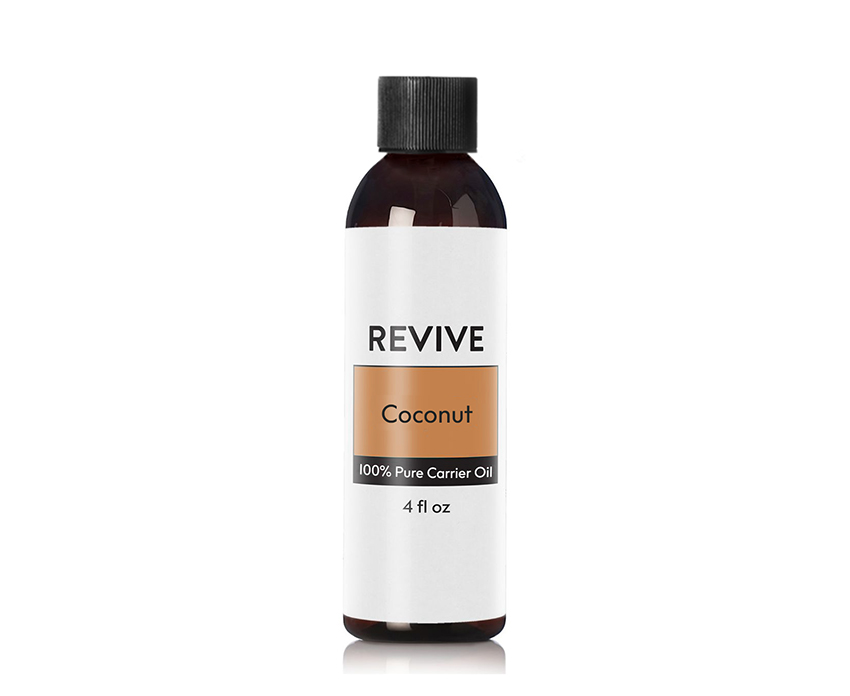
Alongside whatever natural laxative I’m using, a slow belly massage helps the bowel along. I lie on my back with my knees bent and massage clockwise with this light coconut oil, following the line of the large intestine.
- 1 tablespoon of oil, warmed in your hands
- Clockwise: up the right side, across, down the left
- 5 to 10 minutes, morning and evening
- Add 1 drop of fennel or ginger oil (adults only)
Affiliate link: we may earn a small commission at no extra cost to you.
3. Coffee
For many people the morning coffee is a natural laxative within minutes.
- Drink a hot cup in the morning, ideally with breakfast.
- Doesn’t work for everyone, and lots of coffee can dehydrate you.
What the research says: Coffee stimulated the colon within 4 minutes in about a third of people, about as strongly as a meal (Rao et al., 1998).
4. Magnesium-rich mineral water
A gentle, osmotic natural laxative that pulls water into the bowel.
- Drink 1 litre a day of a natural mineral water rich in magnesium and sulphate.
- Check the label: look for high magnesium (over 100 mg/l) and sulphate.
What the research says: In a randomised trial, a magnesium sulphate-rich mineral water improved constipation compared with low-mineral water (Dupont et al., 2014).
Best Natural Laxatives for Constipation (Gentle and Daily)
For ongoing constipation, gentle natural laxatives you can use every day are better than strong stimulants. A large review of foods and drinks for constipation found the best evidence for kiwifruit, prunes, rye bread, mineral water and fibre (van der Schoot et al., 2024).
5. Prunes and prune juice
Funny enough, research is focussed on prune juice. Prunes loosen stool quite a bit, but in my experience they don’t have nearly as strong a laxative effect as castor oil or cabbage juice. They’re best as a gentle, everyday stool softener.
- Eat 5 to 6 prunes (about 50 g) twice a day, or drink a glass of prune juice in the morning.
- Soak them overnight in water and eat them with the soaking water.
What the research says: Prunes worked better than psyllium in a trial in people with chronic constipation (Attaluri et al., 2011), thanks to fibre and sorbitol, a natural sugar that draws water into the bowel.
6. Kiwifruit
An underrated natural laxative: two green kiwis a day.
- Eat 2 ripe green kiwifruit a day, skin on if you like.
What the research says: Two kiwis a day worked as well as prunes and psyllium, with fewer side effects (Chey et al., 2021).
7. Psyllium husk (isabgol)
Soluble fibre that swells into a gel and softens and bulks the stool.
- Stir 1 teaspoon into a large glass of water or juice, drink straight away, then drink another glass of water.
- Build up to 1 to 2 tablespoons a day over a week.
What the research says: Fibre supplements, especially psyllium, improve chronic constipation in a meta-analysis (van der Schoot et al., 2022).
8. Flaxseed (linseed)
A gentle bulk-forming natural laxative rich in fibre and healthy oils.
- Stir 1 to 2 tablespoons of ground flaxseed into yoghurt, porridge or water daily.
- Drink plenty of water with it.
What the research says: Flaxseed improved constipation in people with type 2 diabetes in a trial (Soltanian and Janghorbani, 2019).
9. Warm water and lemon
Drinking enough is the base of every remedy here: fibre without water can make constipation worse.
- Start the day with a large glass of warm water with lemon.
- Aim for 1.5 to 2 litres of fluids a day.
What the research says: Extra water made a high-fibre diet work better for constipation (Anti et al., 1998).
10. Olive oil and lemon
A traditional lubricant laxative from the original article.
- Take 1 tablespoon of olive oil with a squeeze of lemon on an empty stomach.
11. Senna and cascara (short-term only)
Herbal stimulant laxatives, the strongest herbs on this list.
- Use as a tea or tincture following the package for 1 to 3 days at most.
- They can cause cramps; not in pregnancy or for children.
What the research says: Herbal stimulant laxatives are effective for occasional use (Rao and Brenner, 2021).
12. Aloe vera juice (with care)
Aloe latex is a strong stimulant laxative; the inner gel is much gentler.
- Use a decolourised inner-leaf aloe juice, 1 to 2 tablespoons in juice.
- Short-term only, not in pregnancy.
Foods That Make You Poop: Natural Laxative Foods
These foods that make you poop work through fibre, water and natural sugars; fruit in particular feeds your gut bacteria and speeds up gut transit (Katsirma et al., 2021). Add them gradually and drink more water as you do, or they can cause gas (see our home remedies for gas). For a ready-made list, see our super foods for constipation relief.
Natural laxative fruits
- Figs: fresh or dried; or boil a few dried figs in a cup of milk and drink warm at night.
- Raisins: soak a handful overnight and eat them on an empty stomach.
- Apples and pears: pectin and sorbitol; 1 to 2 a day with the skin.
- Oranges: two a day, with the white pith.
- Papaya: ripe papaya daily (avoid unripe papaya in pregnancy).
- Guava: the seeds are rich in fibre.
- Berries, melon and watermelon: fibre and lots of water.
- Ripe bananas: ripe ones help; green bananas can constipate.
- Avocado: fibre, healthy fats and magnesium.
- Bael fruit and Indian gooseberry (amla): traditional Ayurvedic laxatives; 1 tablespoon of amla powder in warm water in the morning.
- Coconut: fresh coconut and coconut water.
Vegetables
- Cabbage: raw as coleslaw, cooked in soup, fermented as sauerkraut, or juiced (see above).
- Spinach and leafy greens: fibre and magnesium.
- Beets and carrots: raw in salads or juiced.
- Broccoli and cauliflower.
- Onions and garlic: prebiotic fibre that feeds good bacteria (see prebiotic foods).
- Pumpkin and sweet potato.
High-fibre foods that make you poop
- Beans, lentils and chickpeas, 2 to 3 times a week.
- Whole grains: oats, brown rice, rye bread, whole wheat.
- Nuts: almonds, walnuts.
- Seeds: chia, flax, sesame (up to 3 teaspoons a day), sunflower; grind a mix of sunflower seeds, almonds, flaxseed and sesame and sprinkle it on breakfast.
- Fenugreek seeds: soak overnight, then swallow with the water in the morning.
Fermented foods and healthy fats
- Yoghurt, kefir and buttermilk: live cultures support regularity.
- Sauerkraut and kimchi.
- Ghee in warm milk: 1 teaspoon in a glass of warm milk at night, a traditional Indian remedy.
- Omega-3 oils: flaxseed and fish oil, and olive oil in salads.
- Blackstrap molasses: 2 teaspoons in warm water; rich in magnesium.
- Dandelion and ginger tea: traditional digestive teas.
Natural Stool Softeners
A natural stool softener makes hard stool softer and easier to pass without forcing the bowel. The best natural stool softener foods are prunes and prune juice, pears, kiwifruit, psyllium, chia and flaxseed (soaked), ripe fruit, a spoon of olive oil, and above all plenty of water. Prunes are the classic: a review of Prunus domestica describes them as a mild to moderate laxative that bulks and softens the stool and is safe in pregnancy and while breastfeeding (Mahboubi, 2021).
Homemade Laxative Recipes
Homemade laxative that works right away: castor oil orange juice
1 tablespoon of castor oil stirred into a glass of fresh orange juice, on an empty stomach. Adults only, occasional use.
White cabbage morning juice
A quarter of a white cabbage, 1 apple and 1 carrot through the juicer. Drink immediately on an empty stomach; start with half a glass.
Prune, fig and raisin paste
Soak 5 prunes, 3 dried figs and a handful of raisins overnight, blend with a little of the soaking water, and eat 2 tablespoons in the morning (or spread it on toast).
Flax and lemon drink
1 tablespoon of ground flaxseed and the juice of half a lemon in a large glass of warm water, stirred and drunk straight away, then another glass of water.
Is It a Natural Laxative? Coffee, Honey, Apple Juice and More
| Food or drink | Natural laxative? |
|---|---|
| Coffee | Yes, for many people: stimulates the colon within minutes. |
| Prune juice | Yes, gentle: softens stool through sorbitol and fibre. |
| Apple juice | Mildly: sorbitol and fructose draw water into the bowel. |
| Coconut water | Mildly, mainly by hydrating you. |
| Watermelon | Mildly: lots of water and some fructose. |
| Cherries, grapes, dragon fruit | Mildly: fibre, water and natural sugars. |
| Dates | Yes, gently: high in fibre. |
| Honey | Slightly in some people (fructose); not for babies under 12 months. |
| Olive oil | Mildly: lubricates the stool. |
| Chocolate | Not really; it can constipate some people. |
| Milk | Only if you’re lactose intolerant (it then causes loose stools and gas). |
Natural Laxatives When Pregnant and for Children
In pregnancy, constipation is very common. Safe natural laxatives when pregnant: prunes and prune juice, kiwifruit, pears, figs, raisins, oats, ground flaxseed, psyllium, lots of water and daily walks. Avoid castor oil (it can trigger contractions), senna, cascara and aloe.
For children, use foods rather than laxatives: diluted prune or pear juice, fruit, oats and water. Don’t give castor oil, senna or adult remedies to children. For babies, see our baby tummy remedies and ask your health visitor or paediatrician if a baby is straining with hard stools.
How to Prevent Constipation
- Drink plenty of water, 1.5 to 2 litres a day.
- Eat fibre-rich foods daily and build up slowly.
- Move every day: walking, yoga and exercise get the bowel moving.
- Don’t overeat, and eat at regular times.
- Answer the call: don’t hold it in.
- Use a toilet stool so you squat rather than sit (more in our gas relief guide).
- Reduce stress: meditation and yoga calm the gut.
- Limit ultra-processed foods, and notice whether dairy constipates you.
- Look after your gut bacteria: see how to heal a leaky gut and natural digestive help.
Comparing constipation remedies? See our constipation remedies comparison and the 2-ingredient colon cleanse.
Removed from the original list: drinking baking soda, Epsom salt drinks, milk of magnesia in baby formula and glycerin suppositories. They’re either not natural, can be dangerous at the wrong dose, or need medical advice, especially for babies.
Related Digestive Guides
- Healing your gut: a comprehensive guide
- 18 super foods for constipation relief
- Constipation remedies compared
- Prebiotic foods
- Gas relief: how to relieve gas and bloating fast
Frequently Asked Questions
What is the best natural laxative?
For fast relief, castor oil in orange juice or fresh white cabbage juice. For everyday use, prunes, kiwifruit, psyllium, flaxseed, magnesium-rich water and plenty of fibre and water.
What natural laxatives work fast?
Castor oil (2 to 6 hours), white cabbage juice, coffee (often within minutes) and magnesium-rich mineral water.
What are foods that make you poop?
Prunes, kiwifruit, figs, pears, apples, berries, leafy greens, cabbage, beans, oats, rye bread, chia and flaxseed, and fermented foods like yoghurt and sauerkraut.
Is prune juice a natural laxative?
Yes, a gentle one. It softens the stool through sorbitol and fibre and is well researched, but its effect is milder than castor oil or cabbage juice.
What is a natural stool softener?
Prunes, pears, kiwifruit, soaked chia or flaxseed, psyllium, a spoon of olive oil and plenty of water all soften the stool naturally.
Is coffee a natural laxative?
For many people, yes: it stimulates the colon within minutes, about as strongly as a meal. It doesn’t work for everyone.
How do you make a homemade laxative?
Stir 1 tablespoon of castor oil into a glass of orange juice (adults, occasionally), or juice a quarter of a white cabbage with an apple and a carrot and drink it on an empty stomach.
What natural laxative is safe when pregnant?
Prunes, kiwifruit, pears, figs, oats, flaxseed, psyllium and lots of water. Avoid castor oil, senna, cascara and aloe.
Is castor oil safe as a laxative?
For occasional use in adults, yes. Don’t use it in pregnancy, for children, with severe belly pain or vomiting, or regularly.
Recommended
- 18 Super Foods for Constipation Relief
- Healing Your Gut: A Comprehensive Guide
- Does a Laxative Help You Lose Weight?
- More natural home remedies
Some links on this page are affiliate links, marked as such. If you buy through them, we may earn a small commission at no extra cost to you. This article is for general information and does not replace a diagnosis from a qualified professional. Read our medical disclaimer or browse more natural remedies.
