
Strep Throat Natural Treatment: Throat Pain and Cough Remedies
Written and medically reviewed by Veronique Claes d’Erckenteel, D.C., chiropractor since 1991 · Last reviewed: 20 October 2026
Most sore throats that come with a cough are caused by a virus, not by strep. Strep throat usually starts suddenly with throat pain, a fever, swollen tonsils with white spots and tender glands in the neck, and typically without a cough or a runny nose. If that sounds like you or your child, get a quick strep test first, because strep is bacterial and bacterial infections are among the easiest to clear once you know what you’re dealing with. For a confirmed strep throat, we start at home: colloidal silver throat spray, salt water gargles, honey (from 12 months), sage and licorice, oil pulling with coconut oil, rest and plenty of fluids. Antibiotics are the next step if it isn’t clearly better within 2 to 3 days. Viral sore throat? Same home remedies, minus the silver.
A throat that burns every time you swallow, a cough that scrapes it raw again, and that worried thought in the back of your mind: is this strep? It’s one of the most searched questions in winter, and for good reason. Most sore throats are harmless and pass in a week. A few are strep, and those deserve proper attention. This guide helps you tell the two apart, and then gives you the home remedies I trust for throat pain and cough, whichever one you have. It’s part of our cough and cold series; for the cough itself, see how to stop coughing.
The short version
- A sore throat with a cough and runny nose is almost always viral.
- Strep: sudden throat pain, fever, white spots on the tonsils, swollen neck glands, usually no cough.
- Suspect strep? Get a rapid strep test. It takes minutes.
- Confirmed strep: colloidal silver spray and home remedies first; antibiotics if it isn’t clearly better in 2 to 3 days.
- For throat pain and cough: salt water gargle, honey (12 months+), sage, licorice, warm fluids, rest.
- Oil pulling with coconut oil helps the bacterial balance and saliva in your mouth.
Get help straight away if you can’t swallow your own saliva and are drooling, have trouble breathing, can’t open your mouth fully, your voice sounds muffled (“hot potato voice”), one side of your throat is very swollen, or your neck is stiff. In an emergency, call 112 (Europe) or 911 (US).
Table of Contents
- Strep Throat or a Virus? How to Tell
- Why a Cough Usually Means It’s Not Strep
- Step 1: Get Tested
- If It Is Strep: Our Approach
- Home Remedies for Throat Pain and Cough
- Oil Pulling: Help Your Mouth Help Your Throat
- Old Strep Remedies I No Longer Recommend
- Throat Pain and Cough at Night
- Is Strep Throat Contagious?
- Strep Throat in Children
- When to See a Doctor
- Frequently Asked Questions
Strep Throat or a Virus? How to Tell
Strep throat is an infection of the throat and tonsils with group A Streptococcus bacteria. It causes only a small share of sore throats: roughly one in three in children and one in ten in adults. The rest are viral, mostly the same viruses that cause colds and flu. You can’t tell for sure by looking, but the pattern of symptoms gives you a strong hint.
| Sign | Viral sore throat | Strep throat |
|---|---|---|
| Cough | Usually present | Usually absent |
| Runny or blocked nose, sneezing | Common | Rare |
| Hoarse voice | Common | Rare |
| How it starts | Gradually, with a cold | Suddenly, with throat pain and fever |
| Fever | Mild or none | Often above 38 °C (100.4 °F) |
| Tonsils | Red | Red and swollen, often with white spots or streaks of pus |
| Neck glands | Sometimes a little tender | Swollen and tender at the front of the neck |
| Other | Red eyes, tiredness | Headache, stomach ache and vomiting (especially in children), tiny red spots on the roof of the mouth, a sandpaper rash (scarlet fever) |
| Who | Any age | Most often children aged 5 to 15 |
Doctors use a simple score for this: fever, swollen tonsils with pus, tender glands at the front of the neck and no cough each add a point, and age adds or takes one away. The higher the score, the more useful a strep test becomes (clinical decision rule update, 2017).
Why a Cough Usually Means It’s Not Strep
This is the part most people don’t know. Strep bacteria settle on the tonsils and the back of the throat, not in the nose and airways, so strep rarely makes you cough or sneeze. Viruses infect the whole airway: nose, throat and windpipe. That’s why a sore throat with a cough, a runny nose and a hoarse voice is the classic picture of a cold, and why “no cough” is one of the points in the strep score above.
A cough can still make a sore throat much worse: every coughing fit scrapes an already inflamed throat. Mucus running down from your nose (post nasal drip) irritates it too, and so does acid coming up from the stomach (reflux cough). So with throat pain and a cough, I treat both: calm the cough, coat the throat.
Step 1: Get Tested
Diagnosis first, always. A rapid strep test is a quick throat swab, done at your GP, family doctor, pediatrician or in many pharmacies, with a result in minutes. A Cochrane review found that using rapid tests to guide treatment cuts down on unnecessary antibiotics without making people worse (Cochrane review, 2020). If the rapid test is negative but the doctor still suspects strep, especially in a child, a throat culture can confirm it.
Get tested if you have a sudden sore throat with fever and no cough, white spots on your tonsils, swollen glands in your neck, a sandpaper-like rash, or if someone in your house has just had strep.
If It Is Strep: Our Approach
Bacterial infections are among the easiest infections to get rid of, once you know it’s bacterial. That’s exactly why the test matters so much: you don’t take antibiotics “just in case”, and you don’t treat a virus as if it were bacteria.
In our family, Veronique’s approach for a confirmed strep throat has always been the same: colloidal silver throat spray first, together with the home remedies below. Antibiotics come next, if the throat isn’t clearly getting better within two to three days.
This fits with what the research shows. A Cochrane review found that antibiotics shorten a strep sore throat by only about a day, and that the complications they protect against, such as rheumatic fever and a pus pocket behind the tonsil, have become rare in Europe and the US (Spinks et al., Cochrane, 2013). That’s why the UK guideline advises against antibiotics straight away for most healthy people with a sore throat, keeping them for severe cases or when it doesn’t improve (NICE guideline on sore throat).
When antibiotics are the right next step:
- No clear improvement after 2 to 3 days of home treatment, or it’s getting worse
- A very high fever, or feeling really ill
- One side of the throat much more swollen than the other, or trouble opening the mouth
- A history of rheumatic fever, a weak immune system, or strep that keeps going round the family
If you do take antibiotics, finish the course, and ask the questions we always ask: how sure are we that it’s strep, and what is the shortest course that works (review on diagnosis and treatment of strep throat, 2015)?
Home Remedies for Throat Pain and Cough
Use several together. The colloidal silver spray is for a confirmed strep throat; the others help whether it’s viral or strep.
1. Colloidal silver throat spray
Veronique’s first choice for a confirmed strep throat. Silver kills bacteria on contact, which is why it has been used on wounds and burns for more than a century. As a throat spray, it goes straight to where the strep bacteria sit: the tonsils and the back of the throat.
How we use it: 2 to 3 sprays to the back of the throat, 3 to 4 times a day, for no longer than 5 to 7 days. Choose a ready-made spray meant for use in the mouth, with the strength (in ppm) on the label, and don’t make your own.
The honest picture: lab studies show silver kills bacteria, but colloidal silver hasn’t been tested in clinical trials for strep throat, and health authorities like the FDA don’t recognise it as a treatment. That’s why we keep it short and spray it rather than drink it: taken by mouth for months, silver builds up in the body and can turn the skin permanently blue-grey, called argyria (Wadhera and Fung, 2000; case report, 2006). Not in pregnancy or breastfeeding, and not for children under 6. Silver can also reduce how well some antibiotics and thyroid medication are absorbed, so if you move on to antibiotics, stop the spray or take them several hours apart.
2. Salt water gargle
Dissolve ½ teaspoon of salt in a glass of warm water, gargle for 30 seconds and spit it out. Repeat every few hours. Salt water draws fluid out of swollen tissue and loosens mucus. In a Japanese trial of 387 healthy adults, simply gargling with water three times a day lowered the number of colds by about a third (Satomura et al., 2005). Children can gargle from about age 6, once they can do it without swallowing.
3. Honey
A spoonful of honey on its own, or stirred into warm water or tea, coats the throat and calms a cough. A Cochrane review found honey eased cough in children better than no treatment (Oduwole et al., Cochrane), and an Oxford review found it improved cough and other symptoms of upper airway infections in adults too (review summary, 2020). Never give honey to babies under 12 months. More in honey for cough.
4. Sage gargle or spray
Sage has been a throat herb in Europe for centuries, and it’s one of the few with a placebo-controlled trial: a sage throat spray clearly eased the pain of acute pharyngitis within two hours (Hubbert et al., 2006). A spray with echinacea and sage worked as well as a common antiseptic and numbing throat spray in another trial (Schapowal et al., 2009). At home, steep a tablespoon of fresh sage leaves (or a teaspoon dried) in a cup of boiling water for 10 minutes, let it cool to warm and gargle. Avoid sage in pregnancy and with epilepsy.
5. Licorice root gargle
Licorice root is soothing and anti-inflammatory. In surgery patients, gargling with licorice before having a breathing tube placed reduced sore throat afterwards (Agarwal et al., 2009; meta-analysis, 2018). Simmer a teaspoon of dried root in a cup of water for 10 minutes, cool and gargle, or drink it as a tea. Don’t use licorice for more than a week or two, and skip it with high blood pressure, heart or kidney problems, or in pregnancy.
6. Marshmallow root and slippery elm
Both are full of mucilage, a slippery gel that coats an irritated throat. A herbal tea with licorice, slippery elm and marshmallow root eased sore throat pain within 30 minutes in a placebo-controlled trial (Brinckmann et al., 2003). Take them two hours apart from any medicine, because the gel can slow how well it’s absorbed.
7. Warm drinks and soups
A hot drink brings fast relief from a sore throat, cough, runny nose and tiredness, more than the same drink at room temperature (Sanu and Eccles, 2008). Chicken soup and bone broth hydrate you, are easy to swallow and calm inflammation (Rennard et al., 2000). For the best teas for a sore throat and cough, see tea for sore throat.
8. Apple cider vinegar gargle
A traditional remedy from the old version of this article that I still like for a scratchy throat: one tablespoon of raw apple cider vinegar in a glass of warm water, gargle and spit. Always diluted, never neat, and rinse your mouth with plain water afterwards to protect your teeth. It’s traditional use, not a strep treatment.
9. A pinch of cayenne
Another traditional gargle: a pinch of cayenne pepper in warm water with a teaspoon of honey. The capsaicin in cayenne briefly numbs pain. Start with a tiny amount, and skip it if your throat is very raw or you have reflux.
10. Elderberry and echinacea
Both are traditional immune herbs for colds and flu. Elderberry shortened colds in air travellers (Tiralongo et al., 2016), and echinacea may slightly lower your chance of catching a cold (Cochrane review). They help with viral sore throats; they don’t treat strep. Find our elderberry recipes in DIY homemade cough syrups.
11. Moist air, steam and eucalyptus
Dry air makes a sore throat and cough worse, especially at night. Run a cool mist humidifier in the bedroom, and breathe steam over a bowl of hot water with a few drops of eucalyptus. Eucalyptus in the diffuser from age 3; no oils under 2.
12. Rest your voice and your body
Talking, whispering and clearing your throat all strain inflamed tissue. Rest your voice, sleep as much as you can and drink plenty of water. People who sleep less than seven hours catch colds more easily (Cohen et al., 2009).
13. Throat pain relief from the outside
A warm scarf or a warm compress around your neck eases aching glands. Ice chips, ice lollies or cold water can numb throat pain too; some people prefer warm, some cold, so use what feels best.
Oil Pulling: Help Your Mouth Help Your Throat
Your mouth and throat are one system. Everything you swallow passes over your throat, and so do the bacteria living on your teeth, gums and tongue. I find oil pulling helps the bacterial balance and saliva production in your mouth, which in turn can help smooth your throat back to normal. Saliva is your mouth’s own rinse: it washes away germs, keeps the tissue moist and carries natural antibacterial proteins. Swishing oil gets it flowing.
The research on oil pulling is about the mouth rather than the throat, but it’s encouraging. Coconut oil pulling reduced plaque and gum inflammation in a month (Peedikayil et al., 2015), and lowered Streptococcus mutans (the main tooth decay bacteria) in saliva about as well as an antiseptic mouthwash (Kaushik et al., 2016). Sesame oil pulling had a similar effect (Asokan et al., 2008). It hasn’t been tested on strep throat, so see it as support for your mouth, not a treatment for throat infections.
How I do it: put a tablespoon of coconut oil in your mouth and swish it slowly between your teeth for 10 to 15 minutes, first thing in the morning and before bed. Don’t gargle with it. Spit it into the bin (not the sink, it can block the pipes), rinse with warm salt water and brush your teeth. Never swallow it. Not for young children who might swallow it. With strep, replace your toothbrush after 24 hours of treatment.
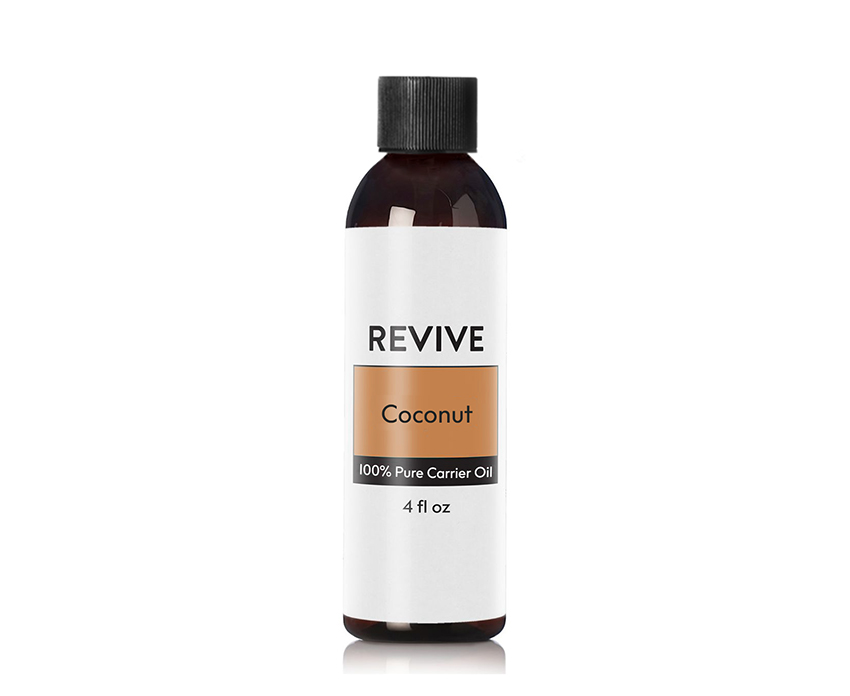
The oil in my bathroom cabinet
Coconut oil for oil pulling and throat rubs
Oil pulling is part of my routine whenever my throat starts to scratch. Swishing coconut oil helps the balance of bacteria in your mouth and gets your saliva flowing, which helps a sore throat settle back to normal. I also use this light coconut oil as the base for a eucalyptus rub on the neck and chest at night.
- Light, odourless and liquid at any temperature, so it’s easy to swish and easy to blend
- Mix 1 to 2 drops of eucalyptus into a teaspoon for a soothing chest and neck rub (adults; from age 3, use 1 drop in 2 teaspoons)
- For oil pulling: a tablespoon, 10 to 15 minutes, spit it in the bin, never swallow it
- Check the label says it’s suitable for use in the mouth; if not, use cold pressed virgin coconut oil for oil pulling
Affiliate link: we may earn a small commission at no extra cost to you.
Old Strep Remedies I No Longer Recommend
The 2016 version of this article included a few things I’ve taken out or changed after reviewing the research. I’d rather tell you why:
- Hydrogen peroxide gargles, especially made from 35% “food grade” peroxide. Swallowing concentrated peroxide can cause serious burns and gas bubbles in the blood, and even weak solutions irritate the throat. There are gentler options above.
- Drinking colloidal silver every day “for prevention”. Daily long term use is what causes argyria. Keep silver for a short course as a spray, when you know it’s bacterial.
- Strong alcohol mouthwash as a gargle. It stings and dries out an already sore throat.
Throat Pain and Cough at Night
Throat pain and coughing often get worse at night: mucus drips down the back of your throat when you lie down, the air is drier and you breathe through your mouth. Raise your head with an extra pillow, run a humidifier, take a spoonful of honey before bed (from 12 months), keep a glass of water next to your bed and do your oil pulling before brushing your teeth at night. More tips in how to stop a cough at night.
Is Strep Throat Contagious?
Yes. Strep spreads through droplets when someone coughs, sneezes or talks, and through shared cups, cutlery and toothbrushes. People with strep are considered no longer contagious after about 12 to 24 hours of antibiotic treatment and no fever. Without treatment, it can spread for two to three weeks. Wash your hands often, don’t share cups, and replace your toothbrush once you’ve started treatment.
Strep Throat in Children
Strep is most common in school-age children, and they don’t always complain of a sore throat: a child with strep may have a stomach ache, vomiting, a headache and a fever instead. Look in the throat for red, swollen tonsils with white spots, feel for swollen glands under the jaw, and watch for a red, sandpaper-like rash (scarlet fever). Get your child tested, at the pediatrician or pharmacy. Children under 3 rarely get strep throat. School-age children are also the age group where rheumatic fever happens, so be quicker with a child: if they aren’t clearly better within 2 days, or have a high fever or very swollen tonsils, take them to the pediatrician. For comfort: warm drinks, cold drinks or ice lollies, honey from 12 months, salt water gargles from about age 6, rest and a humidifier. Colloidal silver spray only from age 6. More in home remedies for cough in kids.
When to See a Doctor
- Emergency (112 / 911): drooling or unable to swallow, trouble breathing, unable to open the mouth, a muffled voice, a very swollen neck, or a stiff neck.
- A rapid strep test (pharmacy, GP or pediatrician) for a sudden sore throat with fever and no cough, white spots on the tonsils, swollen neck glands, a sandpaper rash, or after contact with someone who has strep.
- Your GP, family doctor or pediatrician if a confirmed strep throat isn’t clearly better after 2 to 3 days of home treatment (2 days for a child), gets worse, or a sore throat lasts more than a week.
- Straight back to the doctor if, a few weeks after strep, you notice joint pain and swelling, chest pain, shortness of breath, dark or bloody urine or swelling of the face or legs.
- An ENT specialist (ear, nose and throat) for repeated strep or tonsil infections, or a sore throat that keeps coming back.
- A dentist if the pain started in a tooth or the gums.
Read more in when a cough needs a doctor.
Frequently Asked Questions
Can strep throat be treated naturally?
Many people start with natural remedies: a short course of colloidal silver throat spray, salt water gargles, honey, sage, oil pulling, rest and fluids. In healthy adults strep often clears within a week, and guidelines keep antibiotics mainly for severe cases. If it isn’t clearly better within 2 to 3 days, or 2 days for a child, see your doctor.
Is it strep if I have a cough?
Probably not. A sore throat with a cough, runny nose and hoarse voice is usually viral. Strep typically starts suddenly with throat pain, fever, white spots on the tonsils and swollen neck glands, without a cough.
What is the best home remedy for cough and throat pain?
Honey (from 12 months) and a warm salt water gargle are the best place to start, together with warm drinks, rest and moist air. Sage and licorice gargles and marshmallow root tea are good additions.
How do you know if a sore throat is strep?
Only a test can confirm it. Strep is more likely with a sudden sore throat, fever above 38 °C, red swollen tonsils with white spots, tender glands at the front of the neck and no cough. A rapid strep test gives a result in minutes.
Does oil pulling help a sore throat?
Oil pulling with coconut oil helps the balance of bacteria in your mouth and gets your saliva flowing, which I find helps a sore throat settle. Research shows it reduces mouth bacteria and plaque, but it hasn’t been tested as a treatment for throat infections.
Does salt water help strep throat?
Gargling with warm salt water eases the pain and swelling and loosens mucus, but it doesn’t cure strep. Use it every few hours for comfort.
How long is strep throat contagious?
Usually until about 12 to 24 hours after starting antibiotics, once the fever is gone. Without treatment, it can stay contagious for two to three weeks.
Does colloidal silver help strep throat?
Silver kills bacteria in the lab, and a colloidal silver throat spray is Veronique’s first step for a confirmed strep throat. It hasn’t been tested in clinical trials for strep, so use it as a short course of 5 to 7 days, as a spray, and never drink it daily, because long term use can turn the skin blue-grey.
Recommended
- Best Tea for Sore Throat and Cough
- Honey for Cough
- How to Stop Coughing
- Post Nasal Drip
- Head Cold Remedies
Some links on this page are affiliate links, marked as such. If you buy through them, we may earn a small commission at no extra cost to you. This article is for general information and does not replace a diagnosis from a qualified professional. Read our medical disclaimer or browse more natural remedies.
